

Tarantulas are one of the most fascinating spiders found in Texas, and they often spark curiosity as well as fear. These large, hairy arachnids are a natural part of the state’s ecosystem and play an important role in controlling insect populations. Texas is home to multiple tarantula species, with the Texas brown tarantula being the most recognized. Understanding where they live, how they behave, and what they look like helps people appreciate them rather than fear them.
Presence of Tarantulas in Texas
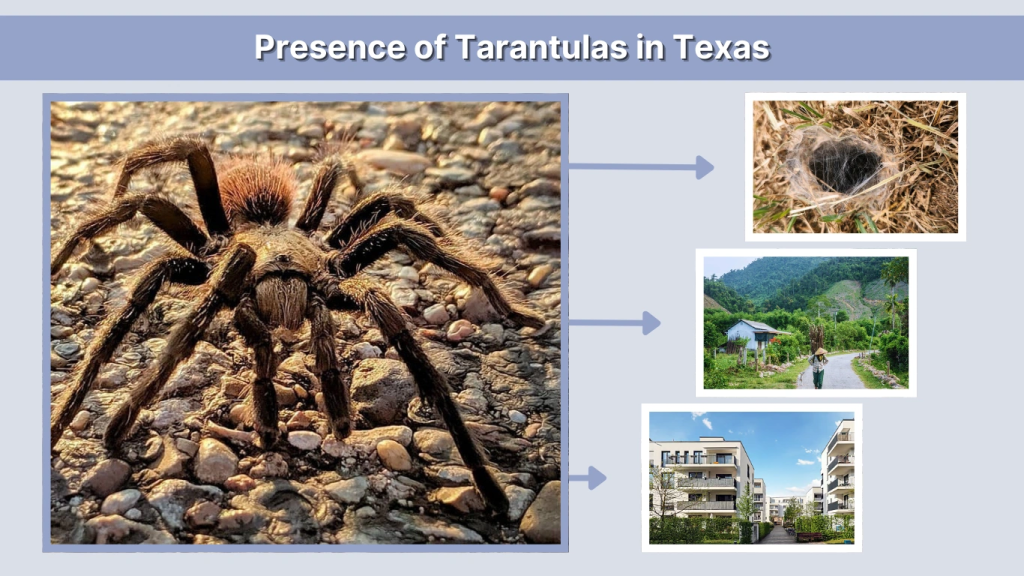
Tarantulas do live in Texas, and sightings are not unusual. They can be found both in the wild and near human settlements, especially in rural and suburban areas. Many residents often wonder if tarantulas are truly native or just occasional wanderers, but the truth is they are well-established in the state.
Wild tarantulas are most commonly spotted during mating season, when males leave their burrows in search of females. While some people encounter them in their backyards or even crossing roads, they generally prefer undisturbed habitats.
Geographic Distribution of Tarantulas

Regional Presence
Tarantulas are widespread across Texas, though their numbers vary by region. They thrive in drier environments like West Texas, but they also appear in South, North, Central, and East Texas. West Texas is especially well known for sightings due to its desert-like conditions, which suit their lifestyle.
Urban Areas
Tarantulas are not confined to the countryside. They can also be seen in and around cities such as Austin, San Antonio, Dallas, Houston, and Waco. Even smaller areas like Collin County and Vernon have reported populations. Urban encounters usually happen when males roam during mating months, surprising locals who may not expect to see such large spiders.
Range Overview
A distribution map of tarantulas in Texas shows that they occupy nearly every part of the state. They typically build burrows in grasslands, deserts, and scrublands, but they can adapt to yards and open spaces. Their presence is more obvious in summer and fall when movement increases.
Types and Species of Tarantulas in Texas
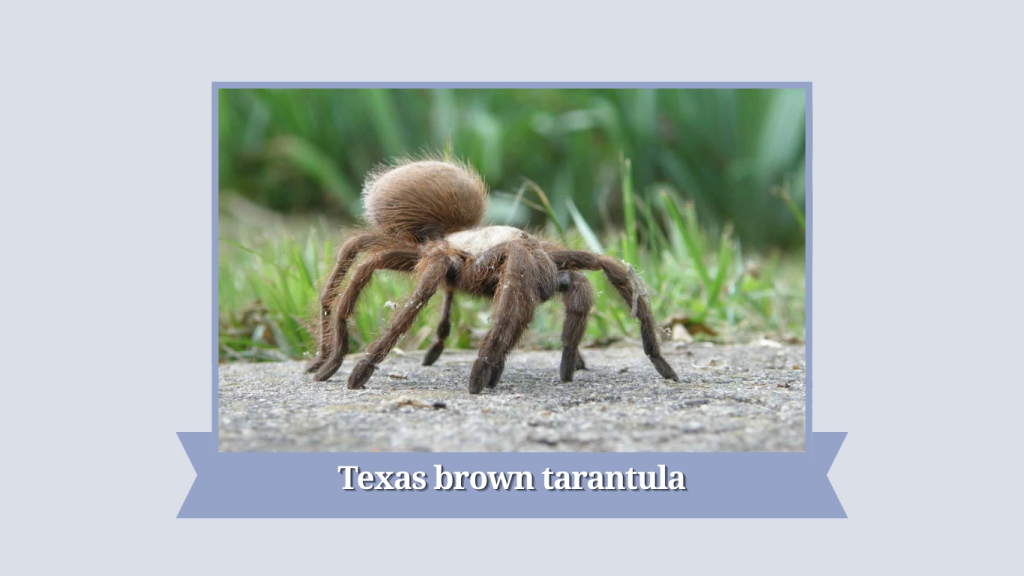
The most common species is the Texas brown tarantula (Aphonopelma hentzi), which is widely distributed throughout the state. It is often recognized by its brown to blackish coloration and large size.
Other tarantula species also inhabit Texas, though they are less commonly seen. Variations of color and size can make them appear different, but the Texas brown remains the most familiar to residents. Interestingly, this species has also been documented in nearby states such as Kansas and Missouri, showing how adaptable it is across regions.
Behavior and Seasonality
Migration and Movement
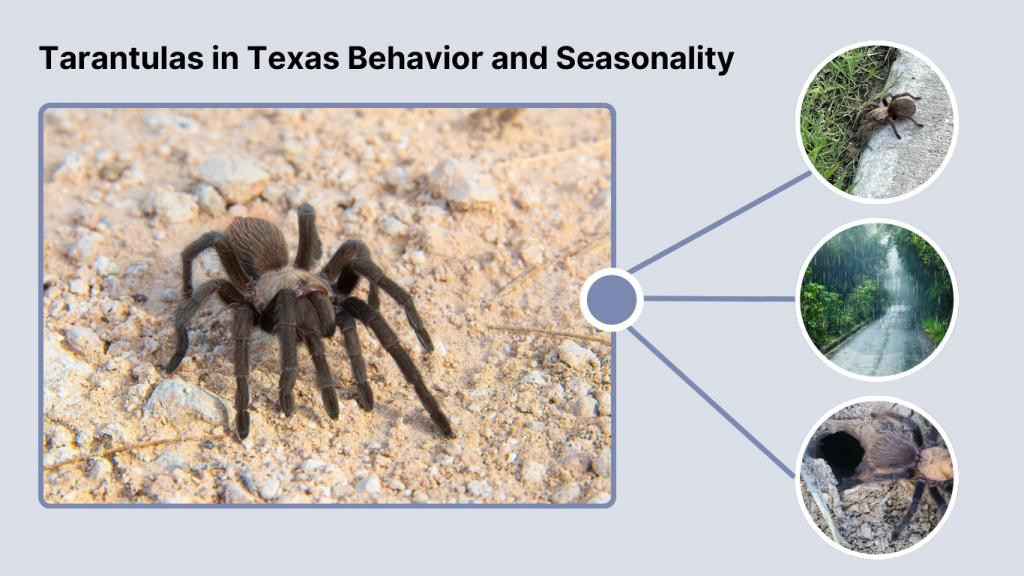
One of the most famous behaviors of tarantulas in Texas is their migration, which is often observed as large numbers crossing roads during late summer and fall. This is actually part of their mating season, when males travel extensively in search of females.
Seasonal Activity
Tarantulas are most active during mating season, typically from late spring through early fall. People often spot them in the evenings or after rainfall, when conditions are ideal for movement. Outside of this period, they spend most of their time hidden in burrows.
Burrows and Habitats
Tarantulas prefer to live in self-dug burrows or abandoned animal holes. In Texas yards, small round holes with silk lining at the entrance often indicate tarantula presence. These burrows protect them from predators and harsh weather while allowing them to ambush insects at night.
Appearance and Size of Tarantulas

Color Variations
Texas tarantulas vary in appearance, but most fall into black, brown, or black-and-brown mixes. The Texas brown tarantula has a generally dark body with lighter hairs, while some black tarantulas appear almost solid in color. Color differences can sometimes lead people to think they are different species, though often they are not.
Growth and Size
These spiders can appear intimidating due to their size. Baby tarantulas are small and blend easily into their environment, but adults can grow very large. Some reach the size of a human fist, making them among the largest spiders in the state. The biggest tarantulas in Texas may have leg spans exceeding five inches.
Visual Identification
Pictures of tarantulas in Texas show their distinct hairy legs and bodies, which help them sense vibrations and potential prey. Their slow movements make them appear less threatening, and in most cases, they are more curious than aggressive.
Safety and Venom Concerns
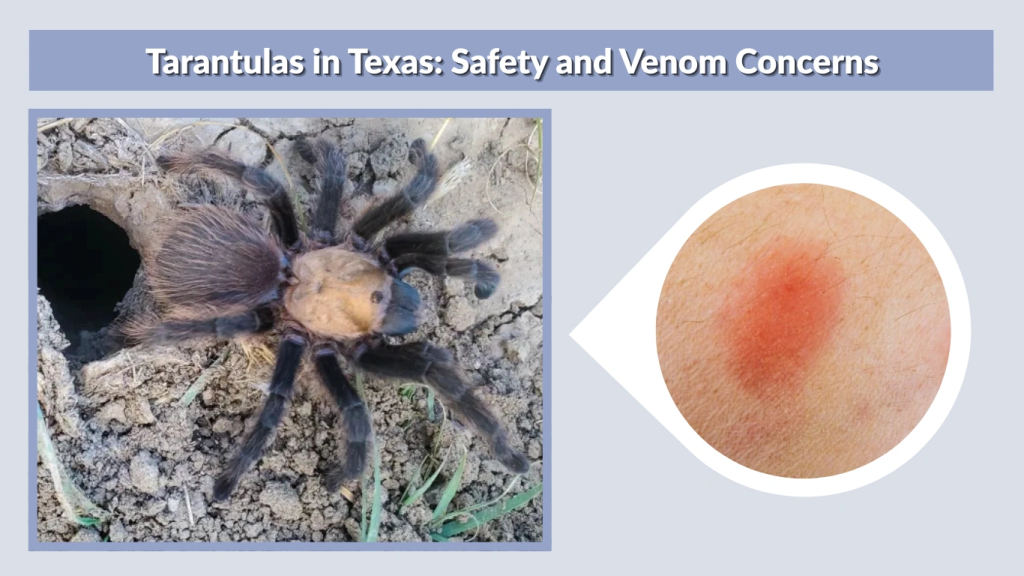
Many people assume tarantulas in Texas are dangerous, but the truth is they are not considered deadly to humans. Tarantulas are venomous, but their venom is relatively mild and usually no worse than a bee sting. Symptoms of a bite may include redness, swelling, and mild pain, but serious reactions are rare.
Tarantulas generally avoid humans and will only bite if threatened or mishandled. Their primary defense mechanism is actually flicking urticating hairs from their abdomen, which can irritate skin and eyes. Understanding this helps reduce fear—while they look intimidating, they are not truly harmful to people.
Miscellaneous Information
Beyond their natural presence, tarantulas are also part of human interest in Texas. Some people keep them as pets, and there are tarantulas for sale through breeders and pet stores. However, selling or collecting them may be regulated, so it’s important to follow state wildlife guidelines.
Occasionally, unusual claims appear, such as the idea of swimming tarantulas in Texas. While tarantulas can float or paddle short distances if forced into water, they are not aquatic creatures. Most spend their lives in burrows or dry landscapes rather than near water.
Overall, tarantulas are an important part of Texas’s natural balance, and learning about their habits makes them less mysterious.
FAQs
Are tarantulas common in Texas?
Yes, tarantulas are quite common in Texas, especially in rural and semi-rural areas. They live across the state and are often spotted during late summer and fall when males leave their burrows to search for females. While they may seem rare in cities, they are an established part of the Texas ecosystem.
When is tarantula season in Texas?
Tarantula season usually runs from late spring through early fall, with peak activity in late summer. This is when males migrate in large numbers to find mates, often crossing roads and open spaces. Outside of this period, tarantulas stay hidden in burrows, making sightings less frequent.
What types of tarantulas live in Texas?
The most well-known species is the Texas brown tarantula (Aphonopelma hentzi), which is widespread throughout the state. Other species of the Aphonopelma genus also live in Texas, though they are less commonly seen. All Texas tarantulas share similar habits, preferring dry, warm habitats and burrows for shelter.
Are tarantulas dangerous to humans?
Tarantulas in Texas are not deadly to humans. Their venom is mild and comparable to a bee sting, causing only temporary discomfort in most cases. They are far more likely to flee than attack, and they often rely on flicking hairs rather than biting. Respecting their space minimizes any risk of harm.
Where is the best place to find tarantulas in Texas?
Tarantulas are most often found in West Texas deserts, grasslands, and scrublands, but they also live throughout central and southern regions. During mating season, they can be seen in urban areas like Austin or San Antonio, usually crossing roads at dusk. Searching near dry fields or burrows gives the best chance to spot them.
Final Thoughts
Tarantulas are a unique and fascinating part of Texas wildlife. While they may appear intimidating, they are generally harmless and play an important role in maintaining insect populations. From their wide distribution across the state to their seasonal migrations, tarantulas are more common than many realize. Learning about their behavior, size, and safety can help people appreciate these remarkable spiders rather than fear them.