
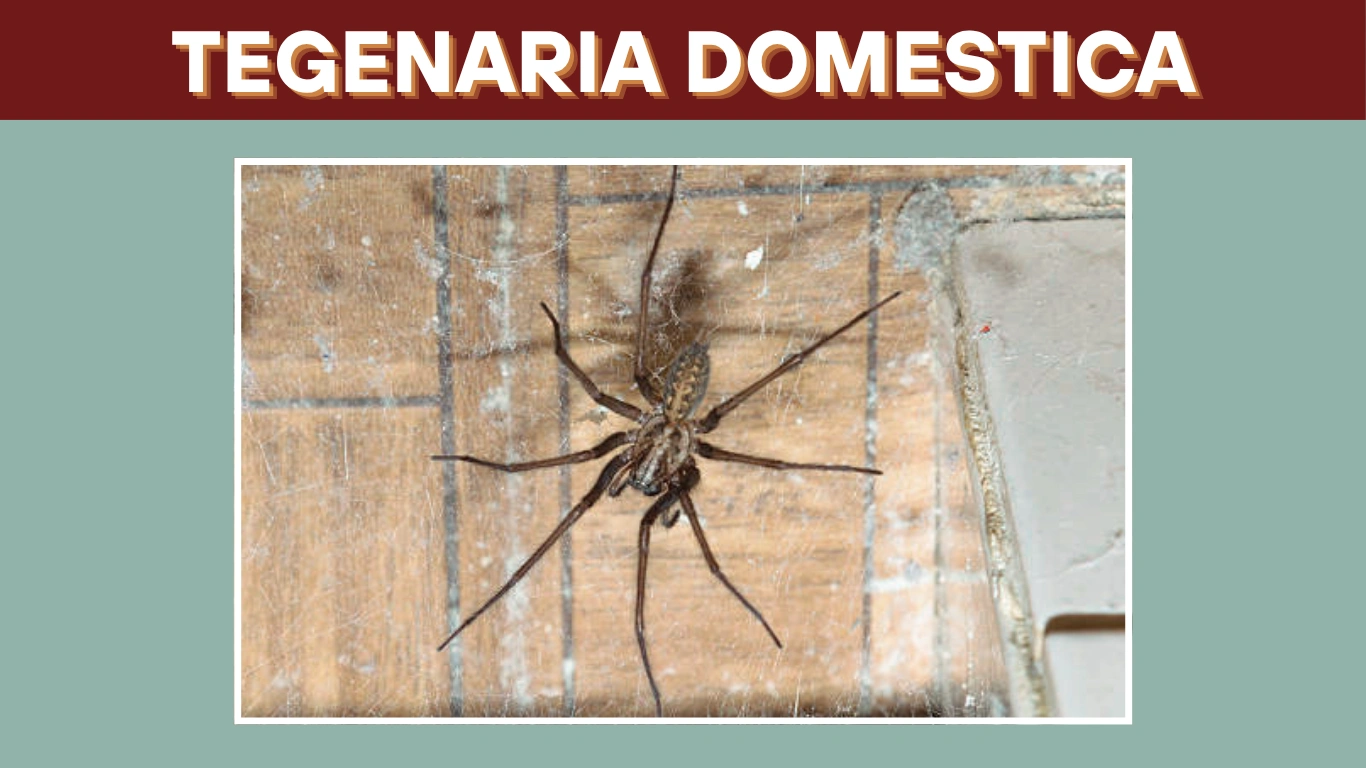
Tegenaria domestica, also known as the common house spider or barn funnel weaver, is one of the most frequently spotted spiders inside homes across North America and Europe. With its long legs and funnel-like webs, this harmless spider often raises concern due to its appearance. In this guide, you’ll learn how to identify, understand, and manage Tegenaria domestica effectively.
Introduction to Tegenaria Domestica

Tegenaria domestica belongs to the family Agelenidae and is commonly referred to as the barn funnel weaver or domestic house spider. It’s a non-aggressive species that thrives in quiet, undisturbed areas of homes, barns, and basements. While often mistaken for more dangerous spiders due to its speed and size, Tegenaria domestica plays a beneficial role in controlling indoor pests.
Scientific Name and Classification
- Scientific name: Tegenaria domestica
- Common names: Barn funnel weaver, domestic house spider
- Family: Agelenidae
- Order: Araneae
- Class: Arachnida
Species Overview
Tegenaria domestica is part of a broader group of funnel web spiders. While its relatives include some species with medically significant bites, T. domestica itself is considered harmless. It is often confused with the more infamous hobo spider due to similar size and web shape.
Funnel Weaver Behavior
This spider gets its name from the funnel-shaped web it spins. It typically waits deep inside the narrow part of the funnel and rushes out when prey disturbs the web. This behavior is more about catching small insects than threatening humans.
Appearance and Physical Traits

Tegenaria domestica may not be flashy, but its appearance is distinct enough for identification once you know what to look for. Though commonly mistaken for other house spiders or even the brown recluse, several traits help set this species apart. Its coloration, body structure, and movement patterns are key to recognizing it.
Color and Markings
This spider typically has a brownish body with a darker pattern on its cephalothorax (head and thorax area) and a somewhat mottled or speckled abdomen. The legs are long and banded, often appearing lighter at the joints. Some specimens may appear nearly black, especially in dim lighting or dusty environments.
Size
- Adult body length: 6 to 12 mm (0.24 to 0.47 inches)
- Leg span: Can reach up to 45 mm (1.77 inches), especially in males
- Females are typically larger and more robust than males
Male vs. Female Appearance
Males are usually slimmer with longer legs and prominent pedipalps (appendages near the mouth) used during mating. Females appear rounder and bulkier, especially near the abdomen.
Body Diagram (Key Features)
- Cephalothorax: Flattened and oval with distinct striping
- Abdomen: Oblong with speckled pattern
- Legs: Long, hairy, with dark bands
- Eyes: 8 small eyes arranged in two horizontal rows
Identification by Region
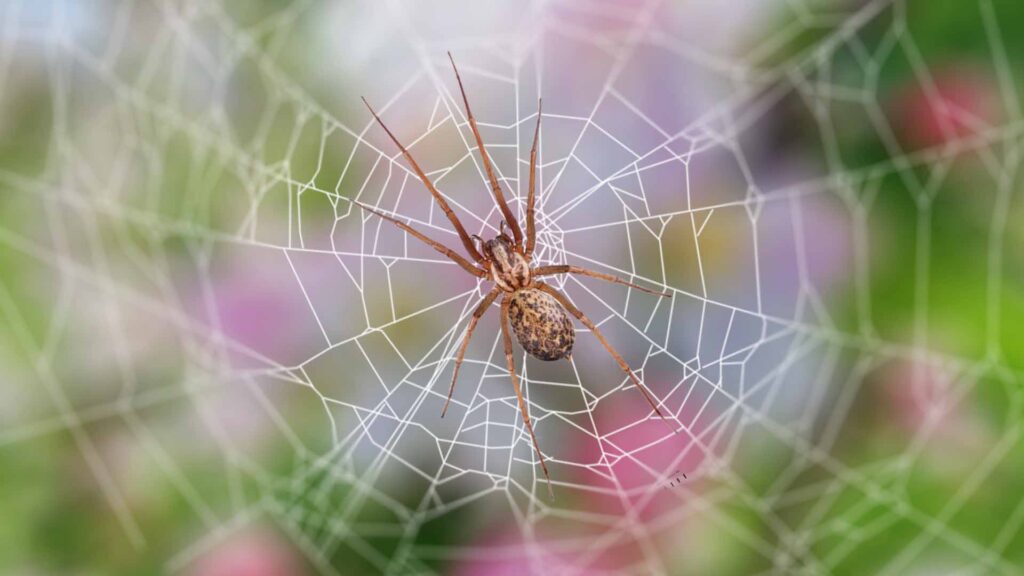
Tegenaria domestica is widespread and highly adaptable, found in homes and buildings across various regions in North America and Europe. While their core appearance remains the same, local climate and surroundings can slightly influence their size, color tone, and behavior.
United States
In the U.S., these spiders are especially common in:
- Texas – Found in basements, attics, and barns across urban and rural homes.
- Arkansas – Known as one of the “big brown spiders” often confused with other species like the brown recluse.
- Colorado – Frequently seen in older homes and garages; darker variants are common here.
- Maryland and Florida – Typically found in humid areas such as crawlspaces and sheds.
Canada
Across Canada, Tegenaria domestica adapts well to colder temperatures by nesting indoors. They’re especially common in southern provinces like Ontario and British Columbia.
Europe
They are native to Europe and widespread in:
Western Europe – Including the UK, where they are one of the most frequently spotted indoor spiders.
Central Europe – Often seen in barns and under floorboards.
Australia
Though not native, reports suggest isolated populations in urban Australian homes, likely introduced through shipping or travel.
Notable Mentions
Black spiders in Massachusetts, Illinois, Vermont – Many “black house spiders” reported in these areas are actually darker Tegenaria domestica.
Arizona – Can be found in cooler indoor environments; their presence often triggers concern due to their resemblance to more venomous species.
Male vs Female Tegenaria Domestica

Although male and female Tegenaria domestica share similar patterns and body coloration, there are several noticeable differences in size, structure, and behavior—especially during the mating season. Understanding these differences can help in proper identification and reduce confusion with other spider species.
| Feature | Male Tegenaria Domestica | Female Tegenaria Domestica |
| Body Size | Smaller and slimmer | Larger and more robust |
| Leg Span | Longer relative to body size | Shorter but thicker legs |
| Pedipalps (mouthparts) | Enlarged, club-like (used in mating) | Small and less prominent |
| Abdomen Shape | Narrow and elongated | Rounder and fuller |
| Lifespan | Shorter (often dies after mating) | Longer, survives through seasons |
| Web-Building Behavior | Rarely builds webs, roams to mate | Builds and maintains a funnel web |
| Color Tone | May appear slightly darker | Often has a more even brown tone |
Bite, Venom & Danger Concerns
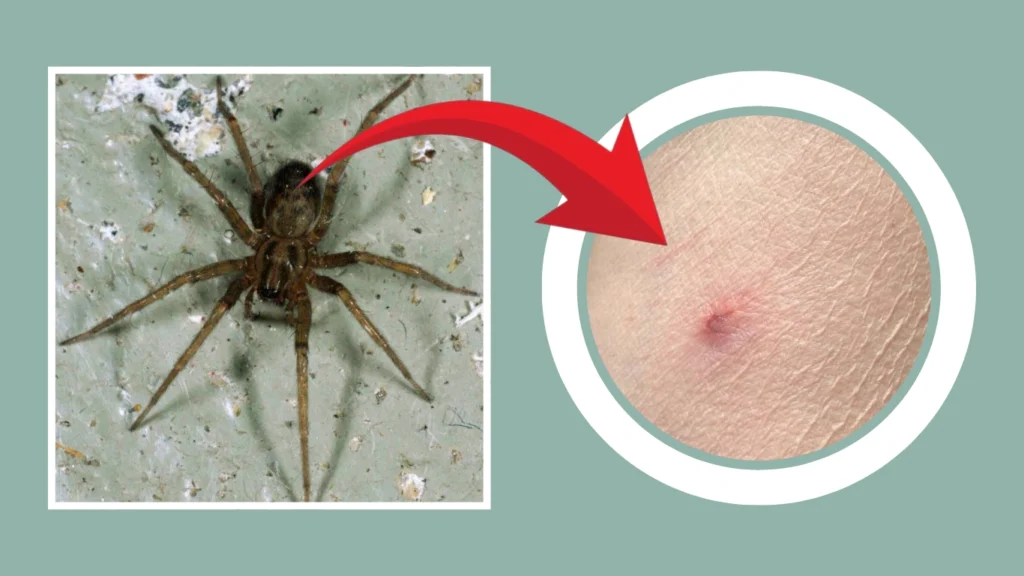
Tegenaria domestica often raises alarm due to its speed and size, but despite its intimidating appearance, it poses little to no threat to humans. This section clears up common concerns about its bite, venom, and potential danger.
Do Tegenaria Domestica Spiders Bite?
Yes, but only under extreme provocation. Bites are very rare and typically occur when the spider is accidentally pressed against skin, such as during bed-making or handling stored items.
Venom and Effects
While Tegenaria domestica does produce venom, it is not medically significant to humans. Its venom is used to subdue small insects and is not considered dangerous.
Typical symptoms (if bitten):
- Mild redness or swelling
- Slight itching or discomfort
- No long-term effects
Is Tegenaria Domestica Dangerous?
No, it is not considered dangerous. The species is non-aggressive, preferring to retreat rather than confront. It’s often confused with more venomous spiders like the brown recluse, but lacks the necrotic bite and dangerous venom.
Common Misconceptions
- Tegenaria domestica ≠ Brown recluse
- Not deadly
- Not aggressive
- No necrotic (tissue-destroying) venom
Life Cycle & Reproduction
Tegenaria domestica follows a relatively simple yet effective reproductive cycle that helps maintain its population in sheltered indoor environments. Understanding its life cycle can help with early identification and control.
Lifespan

The average lifespan of Tegenaria domestica is:
Males: Around 12–18 months, often dying shortly after mating.
Females: Can live up to 2 years, especially in protected indoor habitats.
Reproduction Process
Mating usually occurs in late summer to early fall. Males leave their webs in search of females, sometimes traveling significant distances within a home.
Egg Sac and Spiderlings
- Egg sacs are white or cream-colored and hidden within the funnel web or behind furniture.
- Each sac can contain 30 to 50 eggs.
- Spiderlings hatch in about 2–3 weeks and disperse nearby, sometimes ballooning to new locations.
Baby Tegenaria Domestica
Juveniles resemble tiny versions of adults but are lighter in color. They molt several times as they grow and reach maturity in about 8–12 months.
Habitat & Survival
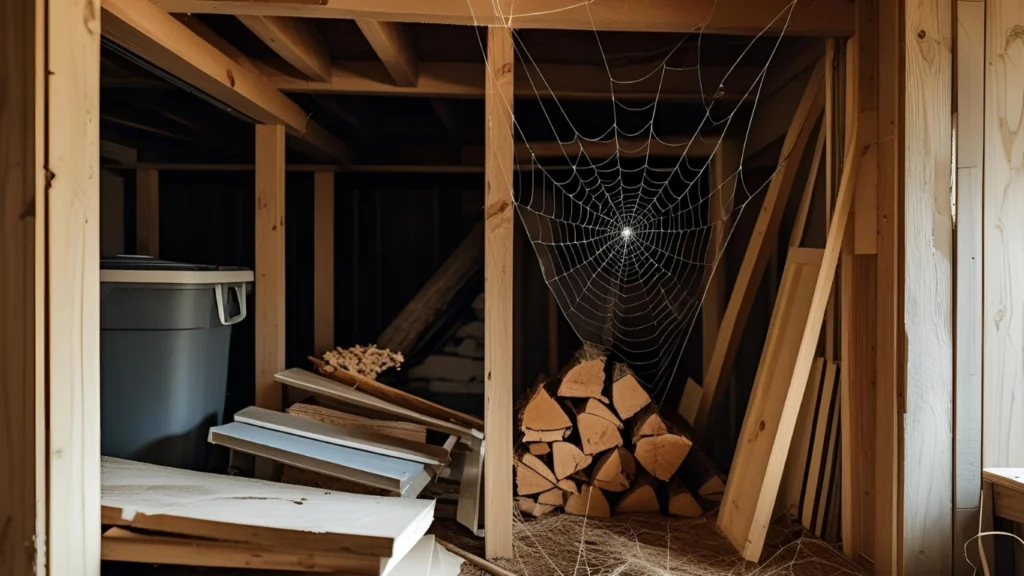
Tegenaria domestica is highly adaptable and thrives in environments that offer shelter, darkness, and access to small prey. As their name suggests, they are most commonly found in and around domestic structures.
Preferred Habitat
Indoors: Basements, attics, garages, behind furniture, under stairs, and in storage areas.
Outdoors (rare): Around barns, sheds, and woodpiles—but they prefer human structures over natural habitats.
Funnel webs are typically built in dark corners, between cracks, or behind undisturbed objects.
Geographic Range
Common across North America and Europe.
Frequently found in Arkansas, especially in older or rural homes.
Spotted in homes throughout Canada, particularly in colder regions where they take shelter indoors.
Can Tegenaria Domestica Survive Outside?
They can survive outdoors for short periods, but they do not thrive without shelter. In nature, they are more vulnerable to predators, harsh weather, and lack of stable web-building spots.
House Spider Behavior
- Mostly nocturnal and rarely seen during the day.
- Will retreat quickly if disturbed.
- Often confused with other house spiders, especially in Arkansas, Texas, and Colorado.
How to Get Rid of or Control Tegenaria Domestica

While Tegenaria domestica is harmless and even beneficial in controlling household pests, many people prefer not to share their homes with spiders. Here’s how to safely remove or prevent them from settling in.
How to Get Rid of Tegenaria Domestica
- Vacuum the web and spider: Use a vacuum with a hose attachment to remove both the funnel web and the spider.
- Seal cracks and entry points: Use caulk around windows, baseboards, and vents to stop spiders from entering.
- Reduce clutter: Spiders hide in boxes, clothing piles, and old furniture. Keeping spaces tidy minimizes hiding spots.
- Use sticky traps: Place glue traps in corners, basements, and behind appliances to catch wandering males.
- Adjust lighting: Exterior lights attract insects, which draw spiders. Use yellow-toned lights to reduce attraction.
FAQs
Is Tegenaria domestica poisonous to humans?
No. Tegenaria domestica is not dangerous to humans. Its venom is mild and poses no medical threat. Bites are rare and usually result in nothing more than minor skin irritation.
What does the Tegenaria domestica spider look like?
It has a brown or mottled body, long banded legs, and builds flat, sheet-like funnel webs. Adults measure between 6–12 mm in body length, with males appearing slimmer and females bulkier.
Where are Tegenaria domestica spiders most commonly found?
They’re commonly found in homes across North America and Europe—especially in dark, undisturbed areas like basements, attics, storage rooms, and behind furniture.
How long do Tegenaria domestica spiders live?
Males live about 12–18 months, often dying after mating. Females can live up to 2 years or more if they remain in a safe indoor environment.
How can I keep Tegenaria domestica spiders out of my home?
Seal entry points, reduce indoor clutter, vacuum regularly, use natural repellents like peppermint oil or vinegar, and minimize outdoor lighting that attracts insects.