
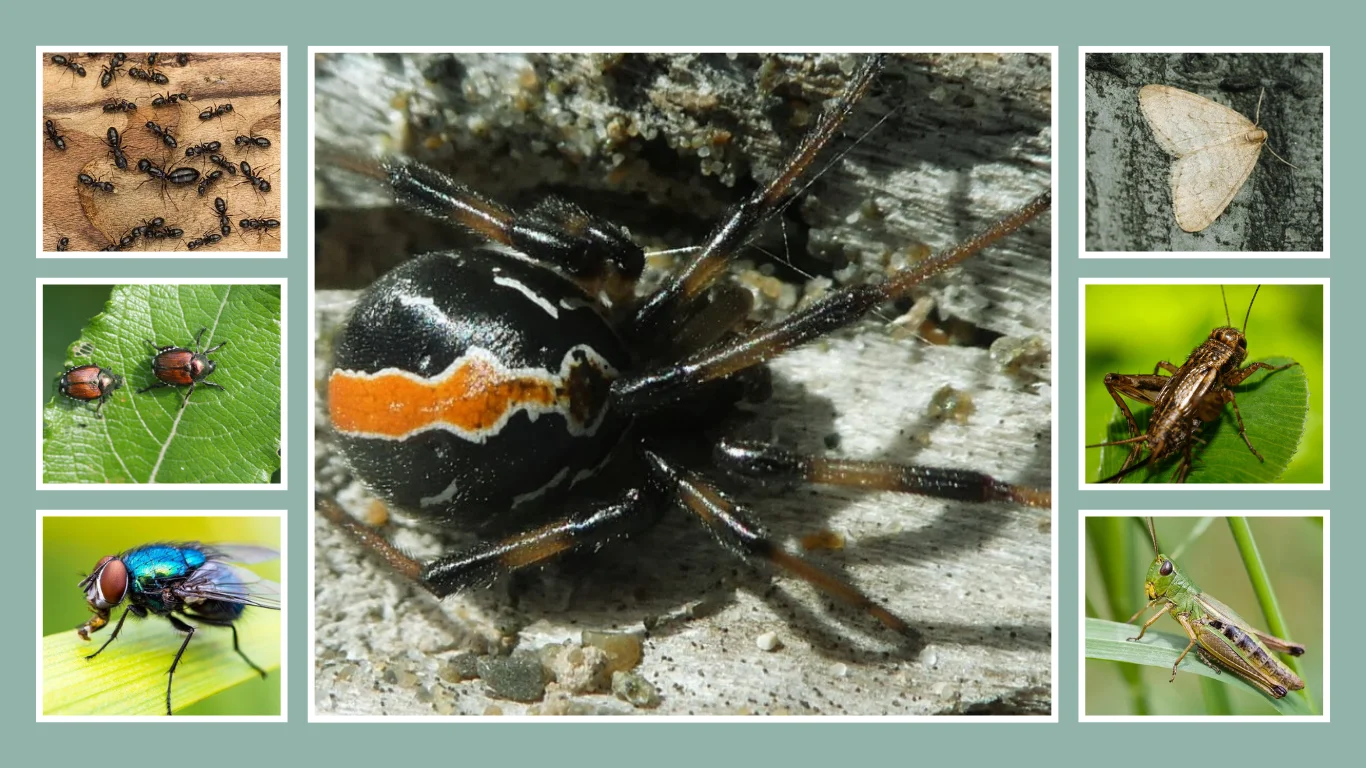
The Katipō spider (Latrodectus katipo) is one of New Zealand’s most iconic but endangered spiders. Known for its glossy black body and red stripe, the Katipō belongs to the widow spider family and shares many traits with its cousins, such as the redback and black widow. While their appearance often draws attention, many are curious about their natural behaviors, especially their diet.
In this article, we’ll answer the key question: what does the Katipō spider eat? We’ll also explore how it hunts, what prey it prefers, and how its diet helps maintain the coastal ecosystem.
What Do Katipō Spiders Eat?
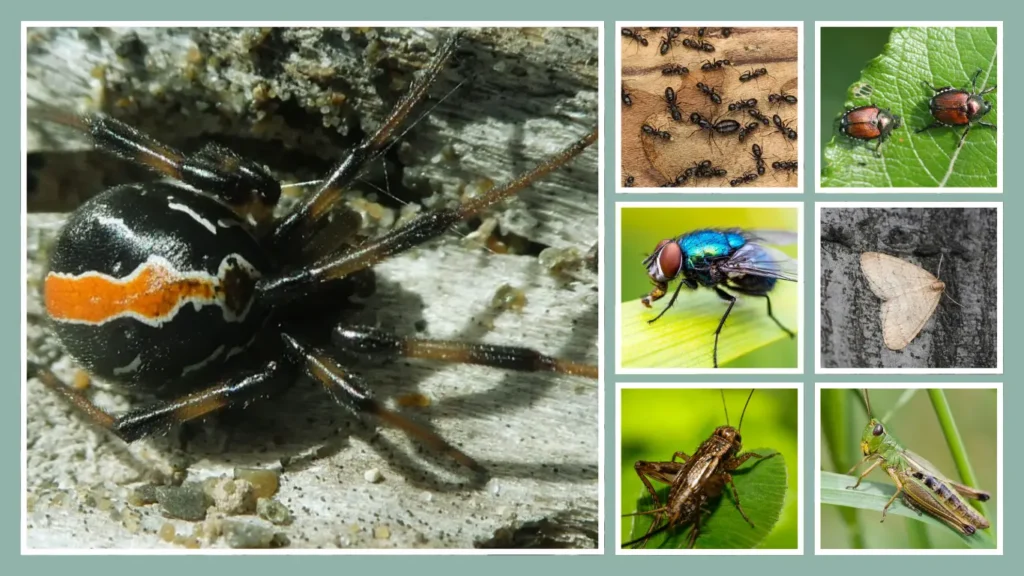
Katipō spiders are carnivorous predators that primarily feed on small insects and arthropods. Their typical diet includes:
- Ants
- Beetles
- Flies
- Moths
- Small crickets and grasshoppers
- Occasionally, other spiders
They catch their prey using their web rather than chasing it down. Once an insect becomes entangled in the sticky silk, the Katipō quickly immobilizes it with venom and begins feeding.
How Do Katipō Spiders Hunt and Feed?
Katipō spiders are web-based ambush predators. They do not actively seek out food but instead wait patiently for unsuspecting prey to fall into their trap.
1. Web Structure and Location
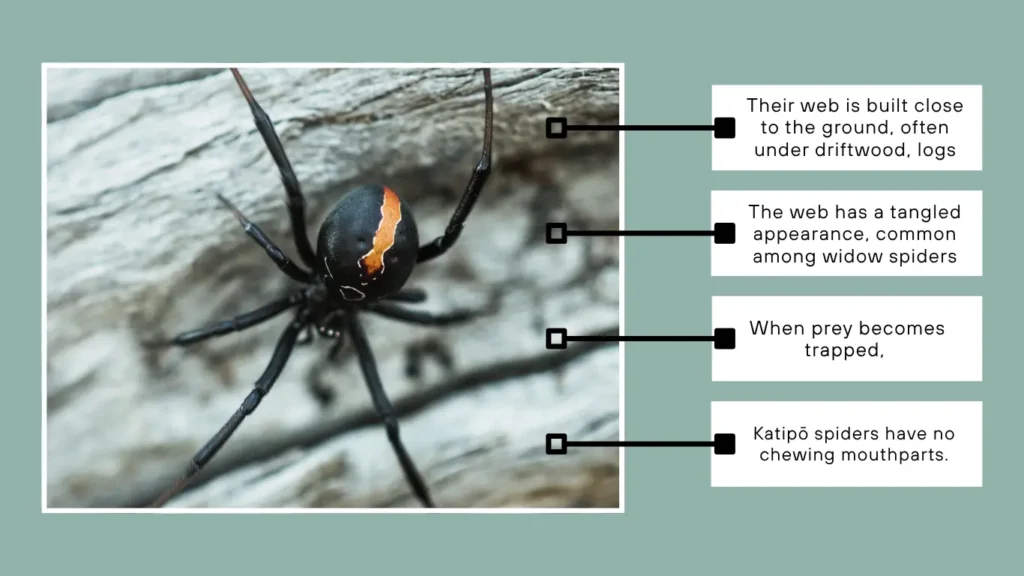
- Their web is built close to the ground, often under driftwood, logs, or native dune plants such as spinifex or pīngao.
- The web has a tangled appearance, common among widow spiders, with sticky vertical threads to catch crawling insects.
2. The Hunting Process
- When prey becomes trapped, the spider feels the vibration through the web.
- It rushes forward, bites the prey, and injects neurotoxic venom, which paralyzes the victim.
- The spider then wraps the prey in silk and may feed immediately or store it for later.
3. Feeding Mechanism
- Katipō spiders have no chewing mouthparts.
- They inject digestive enzymes into the prey’s body, turning the insides into a liquid.
- The spider then sucks out the liquefied tissue, leaving behind an empty exoskeleton.
What Prey Is Most Common in Their Diet?

The diet of Katipō spiders largely depends on their habitat and seasonal insect availability. Some of the most common prey includes:
- Ants – Frequently present in coastal sand dunes and easily caught in the web.
- Flies and Moths – Attracted to decaying matter or coastal vegetation, making them common targets.
- Ground Beetles – Crawl through the dune vegetation and get stuck in the web’s lower threads.
- Small Crickets and Grasshoppers – Opportunistic prey when they pass through the web.
In rare cases, Katipō spiders may also feed on smaller spiders or insects that have already been trapped by other predators.
Do Katipō Spiders Need to Eat Often?
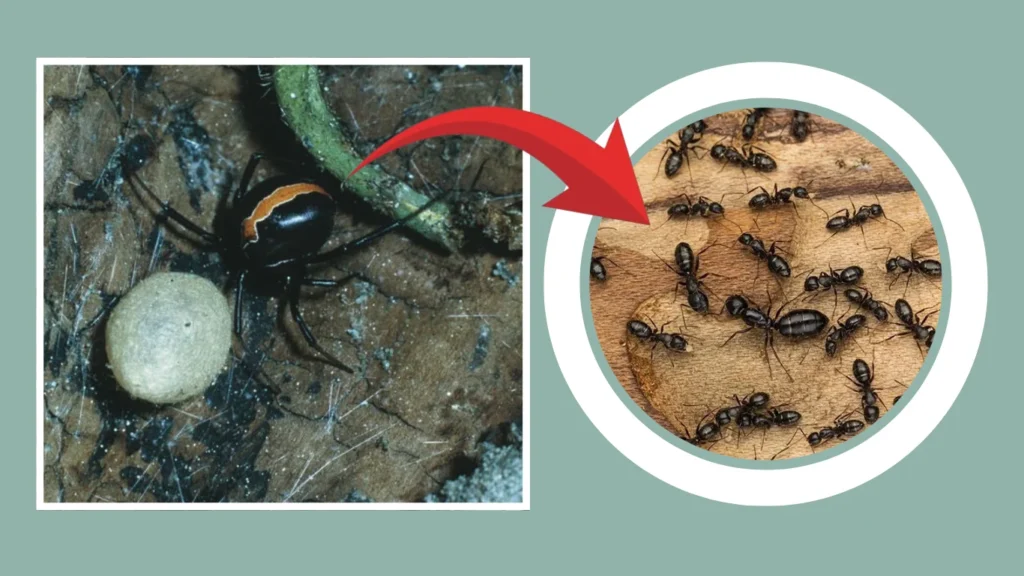
Not necessarily. Like many spiders, Katipōs have a slow metabolism and can go several days or even weeks without eating, especially in cooler months. However, during warmer seasons when insects are more active, they will feed more frequently.
Females, who build and maintain larger webs, typically catch and eat more prey than males. Males, especially during their mating search, eat less and prioritize reproduction.
How Does Diet Impact Their Lifespan and Reproduction?
The quality and frequency of food intake directly affects a Katipō spider’s:
- Growth rate – Spiderlings need a steady diet to molt and develop properly.
- Lifespan – Well-fed spiders are more likely to live longer and survive seasonal changes.
- Reproduction – Females require more nutrients to produce egg sacs containing dozens of spiderlings.
A poor diet, caused by habitat degradation or competition from invasive species (like the false Katipō), can reduce the chances of survival and reproduction.
Do Katipō Spiders Compete for Food?
Yes. In areas where invasive species like the Steatoda capensis (false Katipō) have taken over, competition for food becomes a concern. Both species build similar webs and target similar prey. The false Katipō is more adaptable and may outcompete the native Katipō for resources, especially in disturbed habitats.
Additionally, habitat loss reduces the number of insects available, creating further food scarcity.
How Important Is the Katipō in the Food Chain?
Despite its small size, the Katipō plays a crucial role in regulating insect populations along the coast. By feeding on ants, flies, beetles, and other arthropods, it helps maintain ecological balance.
In turn, Katipō spiders are prey for birds, reptiles, and larger insects. This makes them an integral part of the dune food web, supporting both higher and lower trophic levels.
More FAQs
1. Do Katipō spiders eat every day?
No. They can go days or weeks without food depending on prey availability and weather conditions. They eat more frequently during summer months.
2. Do Katipō spiders eat other spiders?
Occasionally, yes. If a smaller spider gets trapped in their web, they may consume it. However, insects are their primary prey.
3. Can a Katipō spider survive without eating for long periods?
Yes. Like many spiders, Katipōs have a slow metabolism and can survive on minimal food for extended periods, especially during winter.
4. Do Katipō spiderlings eat the same food as adults?
They eat similar prey, but smaller in size. Spiderlings usually feed on tiny insects like mites, small ants, and fruit flies until they grow.
5. What happens if a Katipō spider doesn’t find food?
Prolonged starvation weakens the spider, delays molting, and can eventually lead to death—especially in young spiderlings or breeding females.
Final Thoughts
The Katipō spider is a skilled ambush predator that thrives on a simple yet effective diet of small insects and arthropods. Its hunting style, web strategy, and ability to survive on limited food reflect a species perfectly adapted to life on New Zealand’s coastal dunes. Unfortunately, with habitat loss and increasing competition, finding enough food has become harder for this endangered spider.