

The huntsman spider, with its long legs and lightning-fast movements, often sparks curiosity—and sometimes fear—when it shows up in homes or gardens. Despite its intimidating size, it’s generally harmless to humans and plays a valuable role in controlling insect populations. But how long does a huntsman spider live? In this article, we’ll explore the average lifespan of huntsman spiders, differences between males and females, and the factors that affect how long they survive.
Huntsman Spiders

Huntsman spiders belong to the family Sparassidae and are found in warm climates worldwide, including Australia, Asia, Africa, and parts of the Americas. Unlike web-building spiders, huntsman spiders are active hunters. They do not spin webs to catch prey—instead, they rely on speed and ambush tactics to hunt insects, small reptiles, and other spiders.
They are also known for their sideways leg movement, giving them a crab-like appearance. Some species can reach leg spans of up to 12 inches (30 cm), which adds to their reputation as the giants of the spider world.
Average Lifespan of Huntsman Spiders

The average lifespan of a huntsman spider is 2 to 3 years, although this varies by species, environment, and sex.
- Females often live up to 2.5–3 years.
- Males have shorter lives, averaging around 1.5–2 years, and typically die shortly after mating.
In captivity, with consistent food and no predators, some female huntsman spiders have been known to live over 4 years.
Life Cycle of Huntsman Spiders

Huntsman spiders undergo a complete lifecycle from egg to adult, with several molts in between.
1. Egg Stage
- Females lay eggs in flat, silk egg sacs under bark, rocks, or in crevices.
- A single sac may contain 100–200 eggs.
- Incubation period: 2–3 weeks depending on temperature.
2. Spiderlings
- After hatching, the spiderlings stay near the mother for a few days.
- They molt several times over 6–12 months before reaching adulthood.
3. Adult Stage
- Once mature, males begin to search for females to mate.
- Females continue hunting and may lay multiple egg sacs throughout their life.
Male vs Female Lifespan Comparison

As with many spider species, female huntsman spiders outlive males:
| Gender | Average Lifespan | Notes |
| Female | 2.5–3 years | Larger body, builds egg sacs, often survives longer |
| Male | 1.5–2 years | Smaller, roams for mates, dies shortly after reproduction |
Males prioritize reproduction and usually stop feeding once they begin the search for females. This journey, combined with increased exposure to predators, reduces their lifespan.
Factors That Affect Lifespan
Several environmental and biological factors influence the lifespan of a huntsman spider:
1. Species and Region
- Tropical species may have longer lifespans due to year-round warm climates.
- Some species native to dry deserts or forests may have faster lifecycles.
2. Climate
- Stable, warm environments favor longer lifespans.
- Freezing temperatures or prolonged droughts can kill young or dormant individuals.
3. Food Supply
- Consistent access to insects helps them grow quickly and survive longer.
- Starvation during juvenile stages can stunt growth and reduce lifespan.
4. Predators
- Birds, reptiles, parasitic wasps, and humans pose threats, especially to spiderlings and wandering males.
5. Captivity
- In captivity, huntsman spiders are protected from predators and temperature extremes, which can extend their lives to over 4 years.
Huntsman Spider vs Other Spider Lifespans
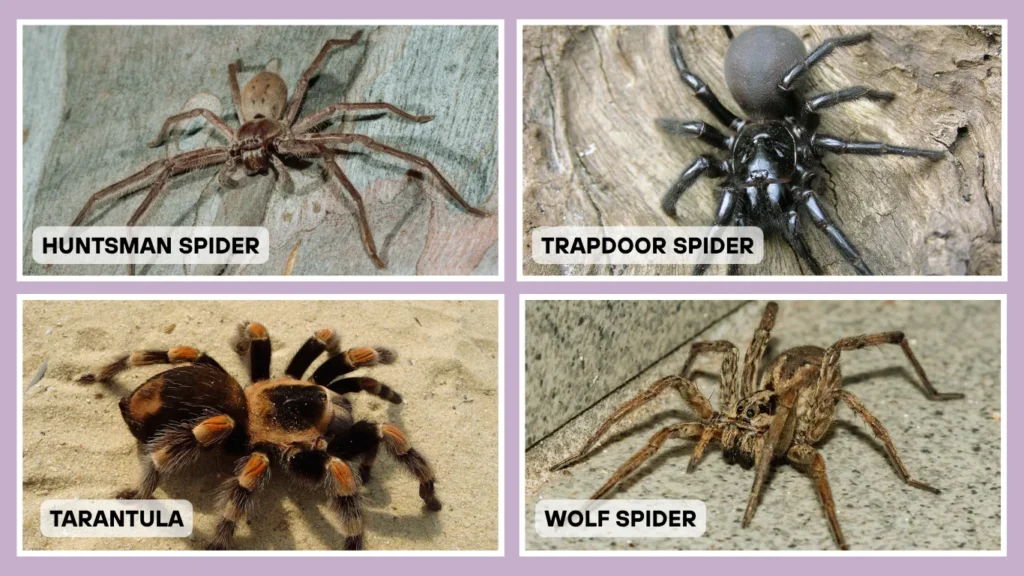
Here’s how the huntsman spider’s lifespan compares to other spider types:
| Spider Species | Female Lifespan | Male Lifespan |
| Huntsman Spider | 2.5–3 years | 1.5–2 years |
| Trapdoor Spider | 20–30+ years | 5–7 years |
| Tarantula | 15–25 years | 3–6 years |
| Wolf Spider | 1–2 years | <1 year |
| Orb-Weaver Spider | 1 year | <1 year |
While not the longest-living, huntsman spiders enjoy a decent lifespan among free-roaming hunting spiders. They live longer than wolf spiders and orb-weavers, but not nearly as long as tarantulas or trapdoor spiders.
Are Huntsman Spiders Dangerous?
Despite their large size and scary appearance, huntsman spiders are not dangerous to humans. Their bites are rare and generally not serious. Symptoms, if they occur, may include mild swelling, redness, and discomfort, similar to a bee sting.
They are actually beneficial in the home, helping control cockroaches, flies, and other pests.
FAQs
Can a huntsman spider live for 5 years?
In rare cases and under ideal conditions (such as captivity), female huntsman spiders may live just over 4 years, but 5 years is uncommon.
Do huntsman spiders die after mating?
Males often die shortly after mating. Females can live much longer and may produce multiple egg sacs.
Do huntsman spiders hibernate?
They do not hibernate, but in colder climates, their activity slows during winter. In warm regions, they remain active year-round.
Where do huntsman spiders live?
They prefer sheltered locations such as under bark, rocks, roof tiles, and within wall cavities or behind furniture indoors.
Are female huntsman spiders aggressive?
Females may guard their egg sacs and become defensive if disturbed, but they are generally shy and avoid confrontation.
Final Thoughts
The huntsman spider may look alarming, but it lives a surprisingly long and useful life. With an average lifespan of 2 to 3 years, these fast, agile hunters help maintain the natural balance by feeding on a wide variety of insects.Understanding their lifespan helps demystify their presence and highlights their role in both natural and indoor environments. So if you find one in your home, consider letting it be—it’s likely just passing through or helping to keep your home pest-free.