

Black house spiders are one of those quiet, shadowy guests that slip into homes and go unnoticed until someone spots a web in a corner or a dark shape on the wall. While the term “black house spider” may sound like a single species, it actually refers to a few types of dark-colored spiders that share similar habits: living in or near human environments, often spinning thick webs and preferring quiet corners. But where exactly do they live—and why do they choose certain areas over others?
Let’s explore the common types of black house spiders, their preferred habitats, and the unique features that help us identify them.
What Are Black House Spiders?
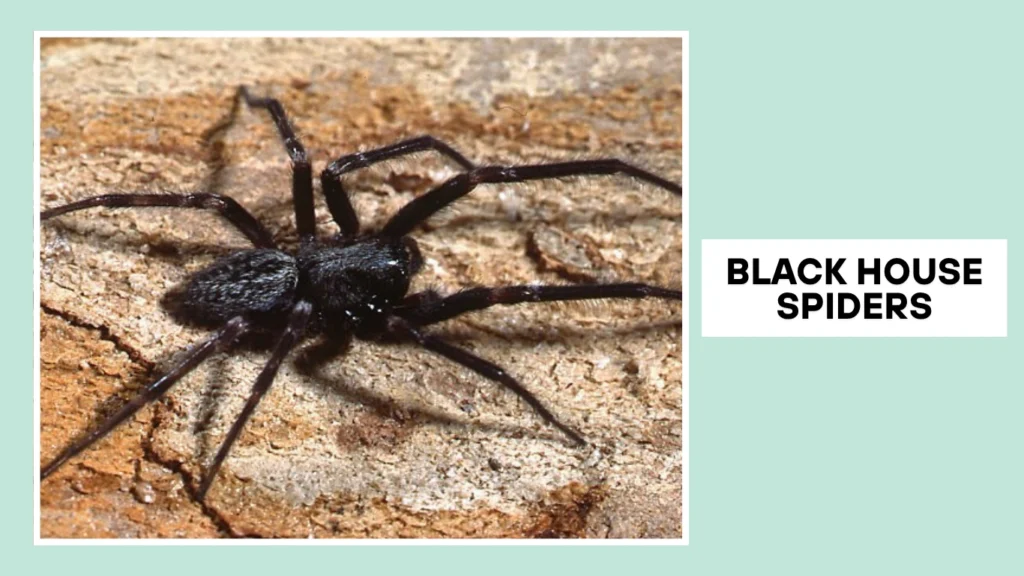
The term “black house spider” typically refers to spiders with dark, often black or deep gray coloring that prefer to live in sheltered spaces, particularly inside homes, sheds, or trees. These spiders are not aggressive and rarely bite unless provoked. In fact, most are beneficial to have around because they trap flies, mosquitoes, and other insects.
They build dense, often messy webs in corners, window frames, or cracks. Unlike wandering spiders that actively hunt, black house spiders are sit-and-wait predators. Once they find a good spot, they stay there, letting their webs do the work. 10 Types of Black House Spiders
Where Do They Live in and Around Homes?
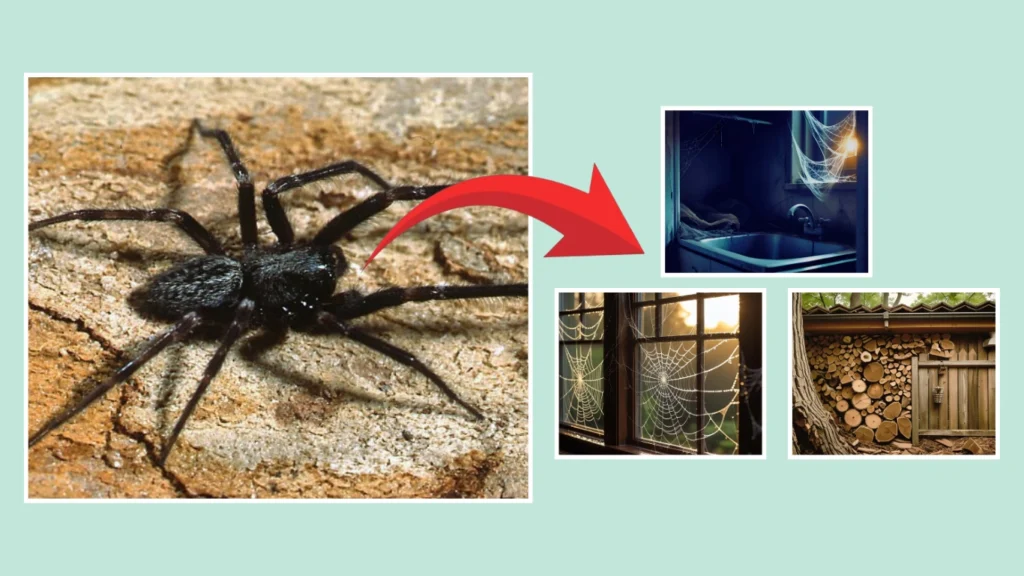
Black house spiders prefer:
- Dark, undisturbed indoor corners – such as ceiling edges, closets, behind furniture, or under sinks.
- Window sills and wooden frames – ideal for anchoring webs and catching small flying insects.
- Outdoor spaces – including tree trunks, beneath bark, in crevices of fences, and under eaves or gutters.
Once they find a location with consistent food sources and minimal disturbance, they can stay in the same web for months.
Types of Black House Spiders and Their Habitats
Now let’s break down the most common types of black house spiders and where each prefers to live.
Badumna insignis (Australian Black House Spider)

Found mostly in Australia, Badumna insignis is the spider most commonly associated with the name “black house spider.” It prefers outdoor locations like tree bark, rock crevices, or man-made structures like brick walls and sheds. However, in colder or rainy seasons, it may move inside.
- Indoor Habitat: Window frames, around doors, and inside garages.
- Outdoor Habitat: Rough tree bark, walls, and fences.
- Web Type: A messy funnel-shaped web.
Though shy, these spiders are not aggressive. They rarely move once their web is established unless threatened or disturbed.
Kukulcania hibernalis (Southern House Spider)
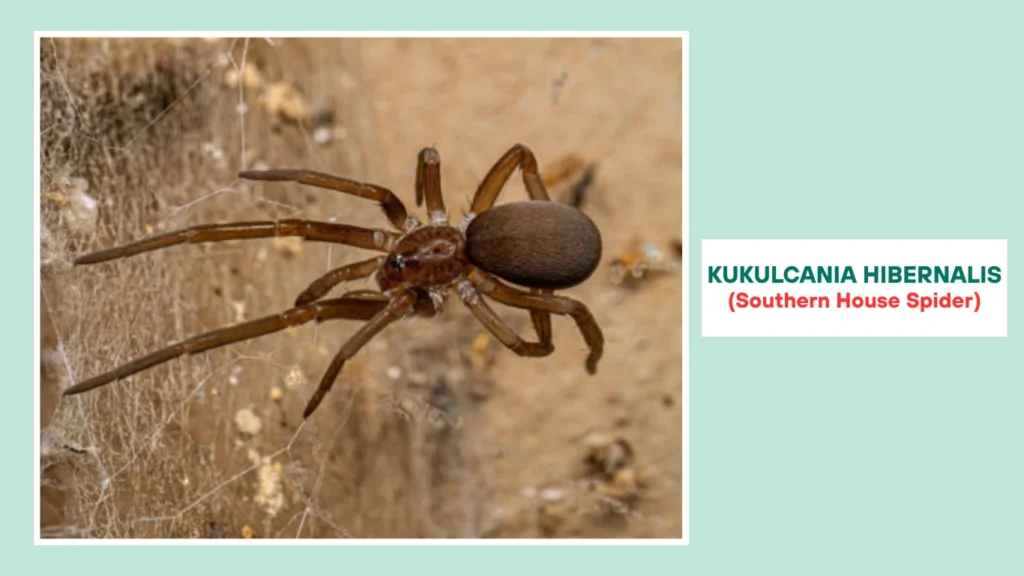
Common in the southern United States and parts of Mexico and Central America, the southern house spider prefers warm climates and thrives in older buildings with cracks and crevices.
- Typical Spots: Under furniture, behind shutters, in wall gaps.
- Unique Trait: Males are often mistaken for brown recluses due to their leg span and dark body.
They spin long, tubular webs and remain inside, venturing out only when searching for food or mates. Despite their size, they’re harmless to humans and avoid confrontation.
Steatoda grossa (False Black Widow)
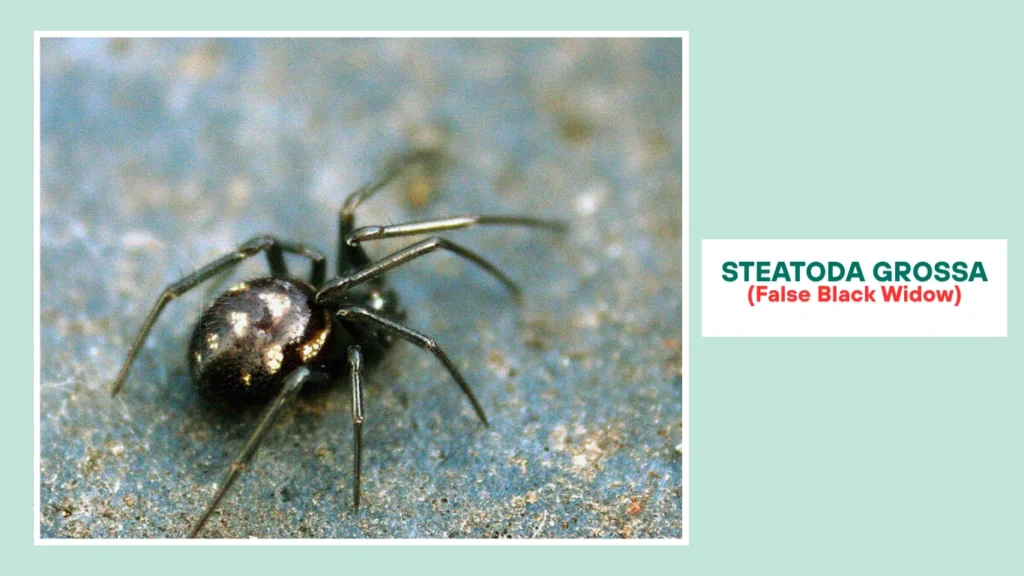
This spider gets its name due to its resemblance to the infamous black widow. However, the false black widow is not nearly as dangerous. Found throughout the world, especially in North America and Europe, it loves to live near human structures.
- Preferred Locations:
- Cool, dry corners in basements.
- Sheds and garages.
- Under furniture or behind storage boxes.
They tend to be more nocturnal, hiding during the day and becoming active at night when the environment is quieter. Their irregular webs are usually tucked out of sight but can quickly grow in size.
Parasteatoda tepidariorum (Common House Spider)
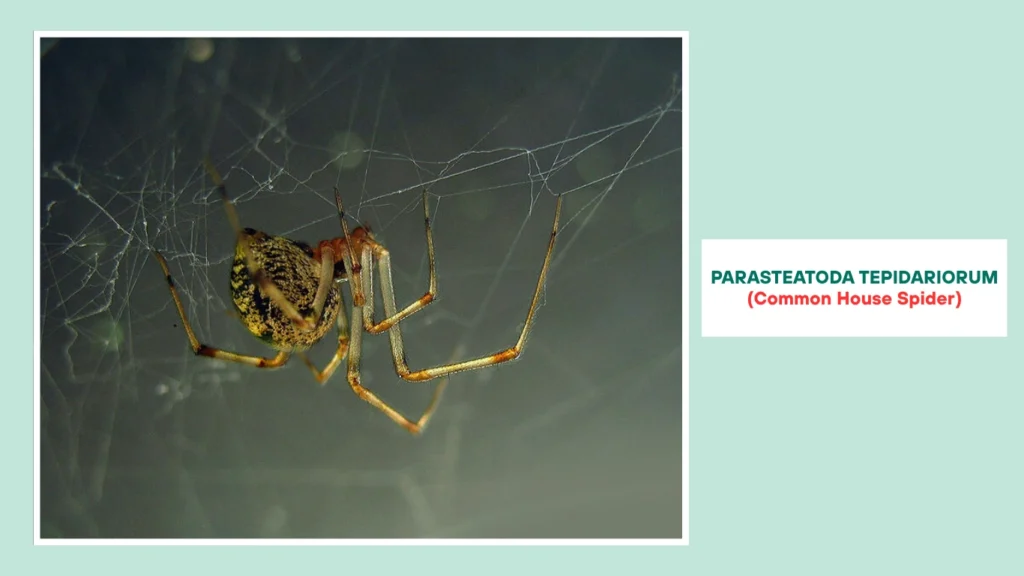
This species is globally distributed and one of the most familiar spiders found in homes. While not always black, their dark patterns and body shape often get them grouped under the black house spider label.
- Usual Habitats:
- Corners of ceilings.
- Window frames.
- Wall joints and beams.
One of the most notable features is their tolerance of human activity. If undisturbed, they can remain in the same location for long periods, rebuilding their web in the same place.
Where in the World Are Black House Spiders Found?
Depending on the species, black house spiders can be found across continents:
- Australia – Home to the true black house spider (Badumna insignis), which thrives in outdoor and semi-indoor spaces.
- North America – Kukulcania hibernalis and Steatoda grossa are common, especially in southern regions and older buildings.
- Europe – The false black widow and common house spider are both frequently found indoors, especially in cooler climates.
- Asia – A mix of local and introduced species dwell in apartments, homes, and rural buildings.
- South America & Africa – While not always dominant, related species adapt to human environments with similar web-building behaviors.
Why Do They Choose Certain Spots?
The choice of location is never random. Black house spiders settle in areas that provide three key conditions:
- Stable Shelter: Cracks, corners, or tree bark offer protection from weather and predators.
- Web Support: Structural features like walls, fences, or beams give them the ability to anchor their webs.
- Steady Food Supply: Areas with regular insect activity, such as near windows or garden lights, are ideal.
Their presence in homes isn’t always a cause for concern. In fact, their webs can indicate insect activity you might not have noticed otherwise. However, if you see multiple spiders or a rapidly growing population, it may signal a wider pest issue.
How to Identify a Black House Spider by Location and Web
Although appearance is important, where a spider lives and the kind of web it spins can tell you a lot. For example:
- Messy, funnel-like webs near windows might suggest Badumna insignis.
- Tubular silk retreats in cracks could point to Kukulcania hibernalis.
- Tangled webs in basement corners are likely Steatoda grossa or Parasteatoda.
Tip: If you’re trying to identify a spider in your home, observe its web shape, how long it stays in one place, and when it is most active (day or night).
Are Black House Spiders Dangerous?
Most black house spiders are not dangerous. Bites are rare and typically occur only when the spider is accidentally provoked. In cases where bites happen, symptoms are usually mild—redness, itching, and slight swelling. That said, those with allergies or sensitivities should seek medical advice if bitten.
The false black widow (Steatoda grossa) is the only one with a slightly venomous bite, but it’s not medically significant for most people.
Conclusion
Black house spiders are more than just spooky shapes in the corner of your room. Each species has its own preferences for shelter and survival, and by understanding where they live, you can better identify them and decide how to respond. Whether it’s the outdoor-loving Badumna insignis or the elusive southern house spider lurking in a wall crevice, these spiders remind us that even our quietest corners are never truly empty.