
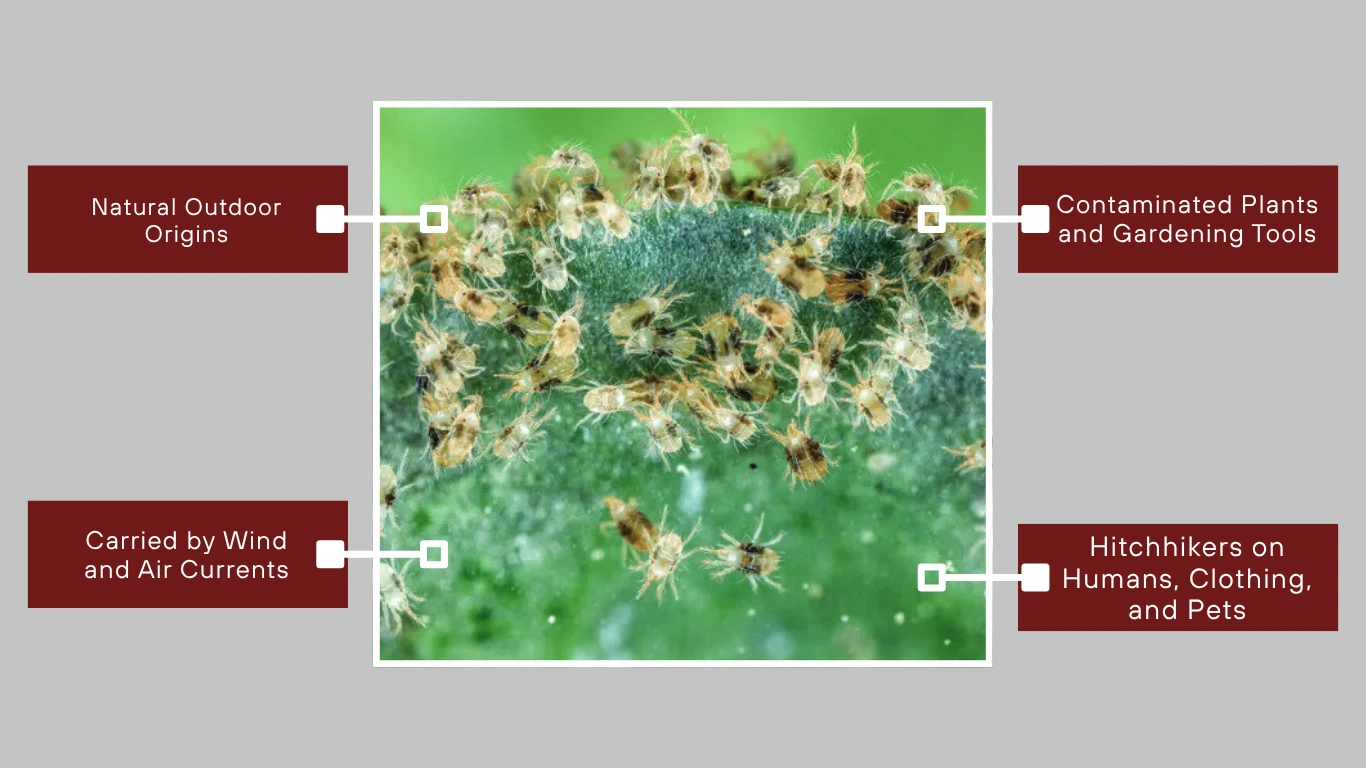
If you’ve ever noticed tiny specks on your plants’ leaves, yellowing or curling foliage, or fine webs between stems and branches, you may be dealing with spider mites. These pests are microscopic but mighty, capable of damaging indoor and outdoor plants quickly. While many gardeners are familiar with their effects, one question remains puzzling: Where do spider mites come from? In this article, I’ll explore their natural origins, how they spread, and what you can do to prevent them from invading your plants.
What Are Spider Mites?
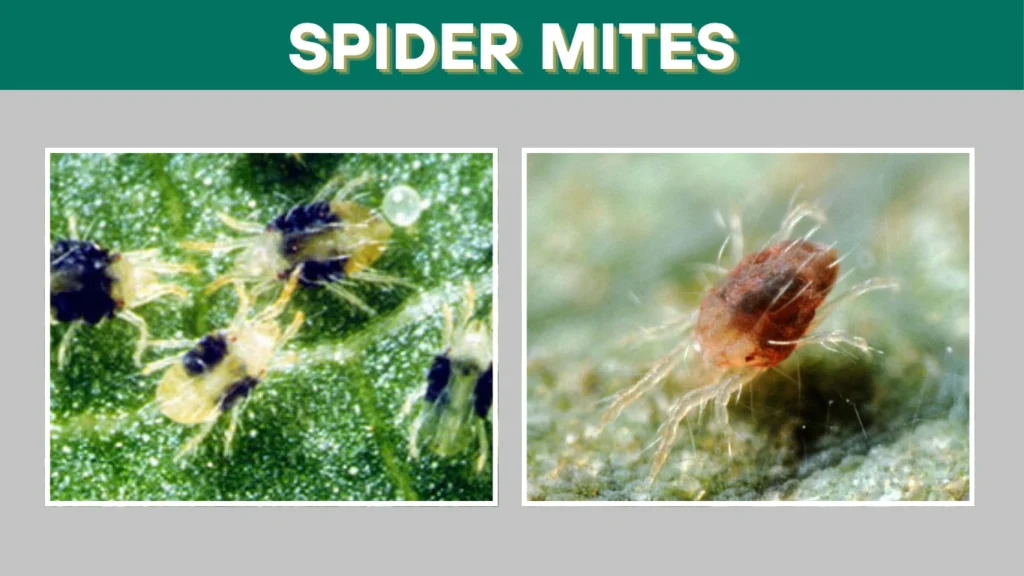
Spider mites are tiny arachnids related to spiders and ticks. They usually measure less than 1 millimeter in size and are nearly invisible without magnification. Despite their size, they’re incredibly destructive to plant life, feeding on the underside of leaves by piercing them and sucking out plant fluids.
Common Species
- Two-spotted spider mite (Tetranychus urticae): The most common type, known for its two dark spots on a pale green body.
- Red spider mite: Often more visible due to its reddish coloration, especially during hot weather or drought.
These mites thrive in warm, dry environments and reproduce quickly—making them a nightmare for gardeners and indoor plant enthusiasts.
Where Do Spider Mites Come From?
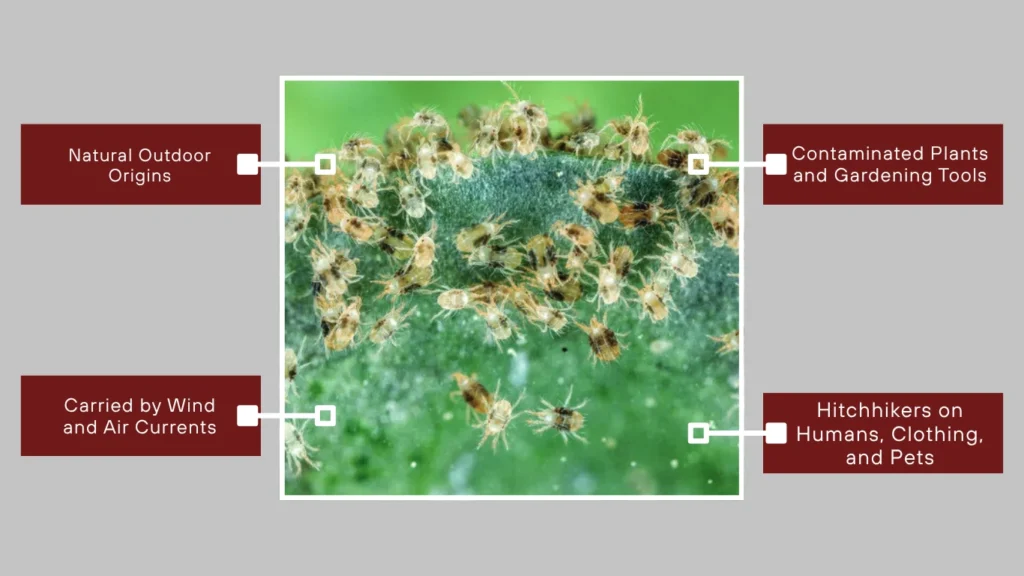
Understanding where spider mites originate is the first step to preventing and controlling them.
Natural Outdoor Origins
Spider mites naturally live outdoors, especially in gardens, fields, forests, and grassy areas. They’re native to many regions across the world and often lie dormant in soil or under leaf litter during colder months. When conditions become favorable—dry, warm weather—they emerge and begin feeding and reproducing rapidly.
Carried by Wind and Air Currents
Because spider mites are so small and lightweight, they can travel long distances by wind. This is one reason why outdoor plants can become infested even if no other infected plants are nearby. A strong breeze can carry mites from one garden to another in a matter of hours.
Contaminated Plants and Gardening Tools
One of the most common ways spider mites enter new environments is through human activity. Bringing home an infected plant from a nursery or swapping plants with friends without inspection can unknowingly introduce mites to your collection. Similarly, using tools like shears, pots, or gloves that were used on infested plants can transfer mites if they haven’t been properly cleaned.
Hitchhikers on Humans, Clothing, and Pets
Spider mites can also hitch a ride indoors via clothing, shoes, or even pets that have brushed against infested vegetation. Once inside, they can quickly spread from plant to plant, especially if the indoor conditions are dry and warm.
Greenhouses and Indoor Gardens
Greenhouses are particularly susceptible to spider mites due to their warm, controlled climates. These enclosed environments often lack natural predators like ladybugs or predatory mites, allowing spider mite populations to explode quickly. Indoor gardens, hydroponics setups, or sunrooms offer similar ideal conditions for infestations.
Why Spider Mites Spread So Easily
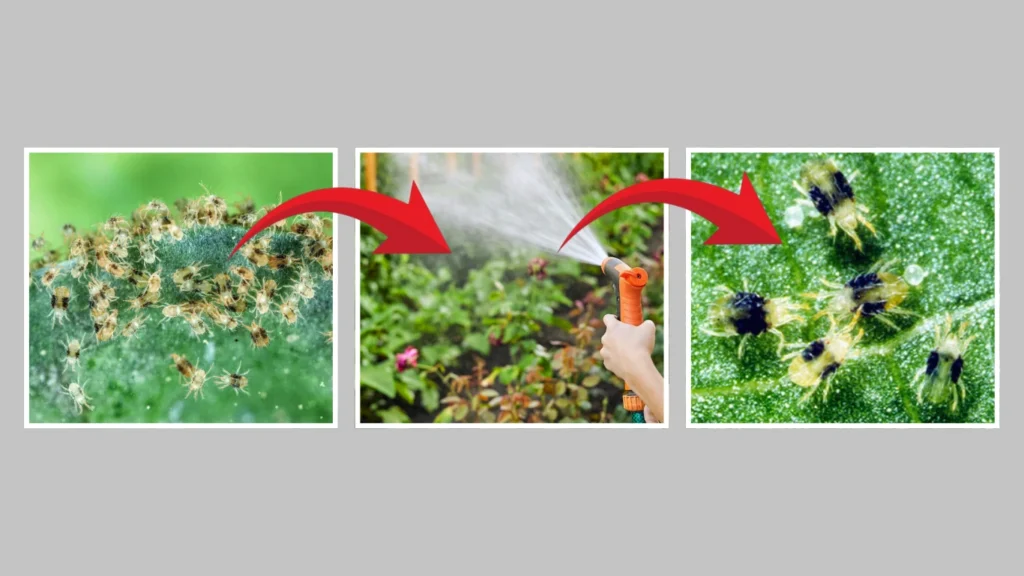
Spider mites are notorious for spreading fast, and here’s why:
Fast Reproduction Cycle
A single female spider mite can lay hundreds of eggs in just a few weeks. Under optimal conditions (dry, warm air), their eggs hatch in a few days, and the young reach maturity in about a week. This rapid lifecycle means infestations can escalate almost overnight.
Resistance to Pesticides
Over time, many spider mite populations have developed resistance to common insecticides. This makes them harder to eliminate and often requires rotating treatments or using biological controls to see effective results.
Lack of Natural Predators Indoors
In their natural outdoor habitat, spider mites face predators like ladybugs, lacewings, and predatory mites. Indoors or in isolated greenhouses, these natural enemies are absent, allowing spider mites to multiply unchecked.
How to Detect an Infestation Early

Spotting spider mites early is critical for preventing serious plant damage.
Visual Clues
- Fine, silky webs on leaves and stems
- Tiny white, yellow, or reddish dots moving on the underside of leaves
- Yellow speckling, wilting, or drying out of leaves
The Paper Tap Test
Hold a white sheet of paper under a leaf and tap it. If tiny specks fall onto the paper and start crawling, you likely have spider mites.
Preventing Spider Mites in the First Place
While spider mites are hard to eliminate once established, you can take several steps to reduce your risk of infestation:
Quarantine New Plants
Before introducing a new plant into your home or garden, isolate it for 1–2 weeks and inspect it thoroughly for signs of mites or other pests.
Maintain Proper Humidity
Spider mites love dry air. Keeping humidity levels above 50%—especially for houseplants—makes the environment less favorable for them. Misting plants (lightly and appropriately) or using a humidifier can help.
Regular Cleaning and Inspection
Dusty leaves are a magnet for spider mites. Wipe your plant leaves regularly, especially the undersides. Inspect plants weekly to catch infestations early.
Conclusion
Spider mites are tiny but troublesome pests that come from a variety of sources: the natural environment, contaminated plants, wind, humans, and pets. Their ability to reproduce rapidly and spread in dry, warm conditions makes them a formidable threat to gardens and indoor plants alike. But with awareness and preventive care, you can reduce the chances of an infestation. Regular monitoring, proper plant hygiene, and controlled humidity levels are your best defense against these invisible invaders.
FAQs
Can spider mites live in soil?
They don’t primarily live in soil but can survive in leaf litter and plant debris near the soil surface.
Do spider mites come back every year?
Yes. In outdoor settings, they often return during warmer months, especially if overwintering eggs survive in debris.
Are spider mites harmful to humans?
No, spider mites don’t bite or harm humans directly. However, they can be a major nuisance for plant lovers.
How long do spider mites live?
An adult spider mite lives about 2–4 weeks, but their lifecycle is fast, so populations grow quickly.
Do all plants attract spider mites?
Not all, but many common plants—including tomatoes, roses, houseplants, and fruit trees—are susceptible.