Keeping a huntsman spider as a pet has become increasingly popular among exotic pet enthusiasts. Known for their impressive leg span, speed, and unique hunting behavior, these spiders can be fascinating to observe. While they may look intimidating, huntsman spiders are generally docile, low-maintenance, and rewarding to keep when properly cared for.
Understanding the Huntsman Spider

Huntsman spiders belong to the Sparassidae family and are native to warm regions like Australia, Asia, and Africa. They are often recognized by their crab-like stance, long legs, and flattened bodies, which allow them to hide in narrow spaces. The giant huntsman spider, one of the largest species, can reach up to 12 inches in leg span, while others range from 4 to 6 inches.
Unlike web-building spiders, huntsman spiders actively hunt their prey, relying on speed and precision. Their lifespan ranges from two to three years in the wild but can extend to four years in captivity with proper care.
Can You Keep a Huntsman Spider as a Pet?
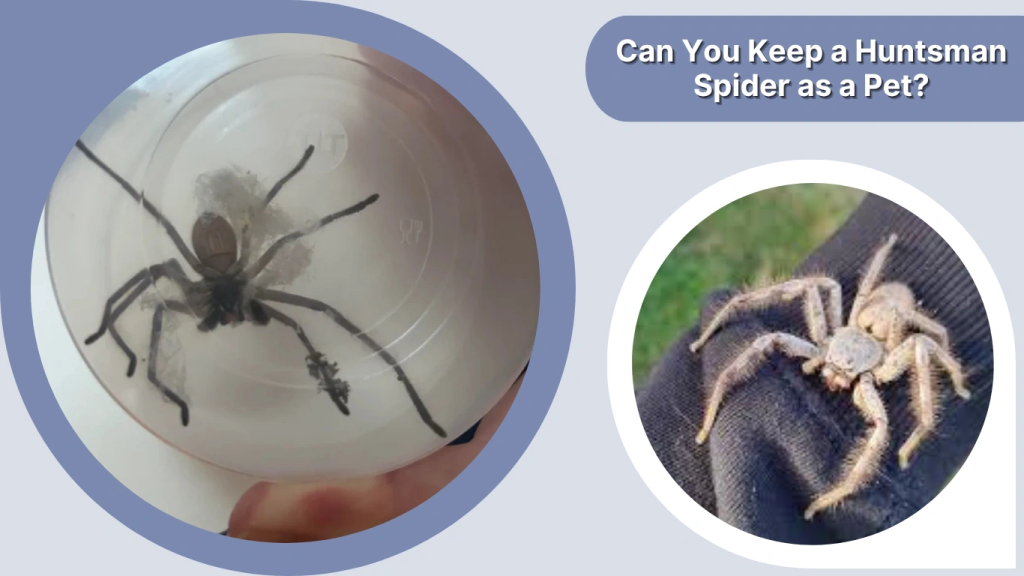
Yes, you can keep a huntsman spider as a pet in many regions, including Australia, the UK, and certain parts of the United States such as California. However, always check local regulations before capturing or purchasing one. Captive-bred huntsman spiders are recommended over wild-caught ones, as they adapt better to enclosure life and reduce environmental impact.
These spiders prefer a calm, secure space with minimal disturbance. They don’t require daily handling or companionship, making them ideal for hobbyists who appreciate low-interaction pets. Beginners should start with smaller species before caring for larger varieties like the giant or golden huntsman.
Why the Huntsman Spider Makes an Interesting Pet
Huntsman spiders are admired for their unique behavior and temperament. Despite their size, they are not aggressive and rarely bite unless threatened. Their rapid movements, climbing skills, and hunting style make them intriguing to observe.
Additionally, they are low-maintenance compared to other exotic pets. They don’t need expensive diets, elaborate habitats, or frequent cleaning. With proper humidity, ventilation, and occasional feeding, a huntsman spider can thrive in captivity for years.
Housing Your Pet Huntsman Spider

A suitable enclosure is essential for keeping a huntsman spider healthy and secure. A glass or acrylic terrarium measuring at least 12x12x12 inches is ideal for most species. For giant huntsman spiders, a larger enclosure with vertical space is preferred since they enjoy climbing.
Ensure good ventilation and maintain a temperature between 24°C and 28°C (75°F–82°F) with moderate humidity. Use materials like cork bark, small branches, and leaf litter to mimic their natural habitat. Avoid deep substrate layers, as these spiders rarely burrow. Instead, provide hiding spots to help them feel safe.
Always ensure the lid is secure—huntsman spiders are skilled escape artists. A mesh top with fine holes allows airflow while preventing escape. Clean the enclosure lightly every few weeks and replace substrate periodically to prevent mold growth.
Feeding and Diet

Huntsman spiders are natural predators and thrive on a diet of live insects. Crickets, roaches, moths, and small mealworms make excellent choices. Feed adults two to three times per week and juveniles more frequently. The prey should be no larger than the spider’s body size to avoid injury.
Always observe feedings—watching a huntsman spider hunt is both educational and entertaining. Remove uneaten insects after 24 hours to keep the enclosure clean. Avoid feeding wild-caught insects, as they might carry pesticides or parasites harmful to your pet.
Handling and Safety
Handling a huntsman spider requires caution and respect. These spiders are fast and agile, which makes them challenging to control. Although their venom is mild and rarely harmful to humans, they can deliver a painful bite if provoked. It’s best to admire them without direct contact.
If you must move your pet—for cleaning or enclosure transfer—use a soft brush or container instead of your hands. Avoid sudden movements or bright lights, as these can stress the spider. Always keep children and pets away during handling or feeding to prevent accidents.
Are Huntsman Spiders Dangerous to Pets or Humans?

Despite their fearsome appearance, huntsman spiders are not dangerous. Their venom is weaker than that of many household insects, and bites typically cause mild redness or swelling. They prefer escaping over fighting.
For other pets like cats or dogs, huntsman spiders pose minimal risk. However, curious pets might accidentally injure or eat them. Keeping the enclosure sealed and out of reach is the safest approach. If bitten, wash the area with soap and water; medical attention is rarely needed unless there’s an allergic reaction.
Caring for a Giant or Golden Huntsman Spider
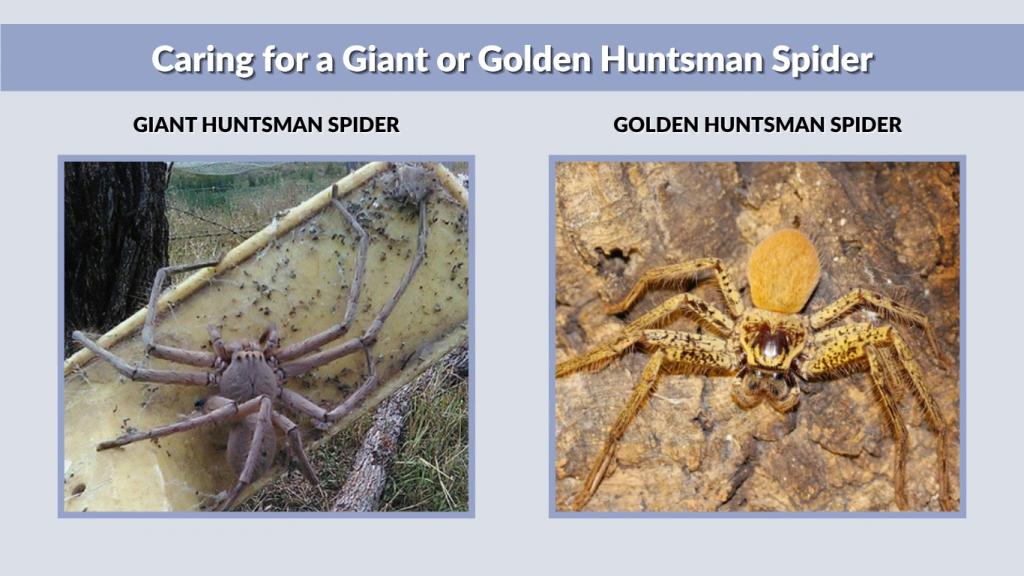
Giant and golden huntsman spiders are particularly impressive species. Due to their larger size, they need spacious enclosures with plenty of vertical climbing room. Ensure higher humidity levels and regular misting to maintain hydration.
Feed them larger insects, such as adult crickets or small roaches. Always monitor feedings closely—larger spiders are more aggressive hunters. The golden huntsman spider, known for its shimmering color, prefers dim light and natural surroundings. Proper care ensures they remain healthy and vibrant.
Huntsman Spider Pet Behavior
Huntsman spiders are nocturnal and highly active during the night. They enjoy exploring and often rest on the enclosure’s walls during the day. Molting is a critical phase in their growth; during this time, they become fragile and should not be disturbed.
If your spider refuses food or hides frequently, it may be preparing to molt or adjusting to a new environment. Their calm, curious nature makes them ideal display pets, offering insight into fascinating arachnid behavior.
Common Issues and Health Concerns
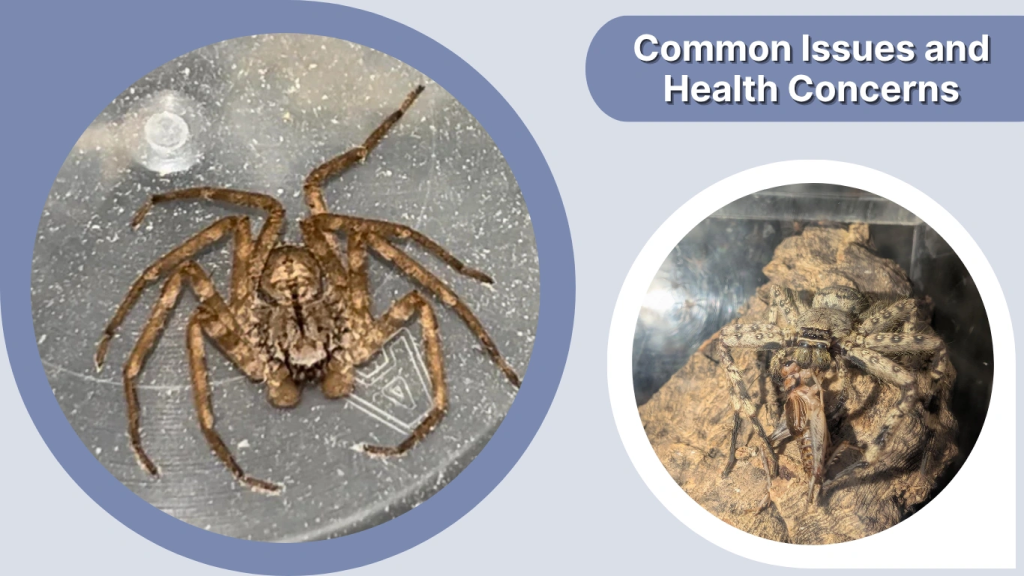
A healthy huntsman spider is alert, responsive, and eats regularly. Lethargy, loss of appetite, or constant hiding may indicate stress, dehydration, or illness. Ensure consistent humidity and avoid overfeeding.
Mold and mites are common problems in poorly maintained enclosures. Cleaning regularly and replacing substrate when damp prevents these issues. Also, ensure your spider always has access to moisture—light misting every few days works best.
Community Insights
Online communities, such as Reddit and exotic pet forums, are filled with stories from huntsman spider owners. Many describe them as surprisingly calm and easy to care for, though beginners often find their speed intimidating. Enthusiasts appreciate their intelligence and the satisfaction of observing natural hunting behavior up close.
In Australia, where they are common, some people even allow wild huntsman spiders to roam freely in their homes, as they help control insects. This adaptability and low aggression are what make them a fascinating yet underrated pet.
FAQs
Can you keep a huntsman spider as a pet?
Yes, you can keep a huntsman spider as a pet, provided local laws allow it. They require a secure terrarium, moderate humidity, and live insects for food. With minimal handling, these spiders can live comfortably in captivity and are easy to maintain for beginners.
Are huntsman spiders dangerous to pets or humans?
Huntsman spiders are not dangerous. Their venom is mild, and bites are uncommon. They usually flee instead of attacking. Still, it’s important to supervise other household pets around them to prevent stress or accidental harm.
What do you feed a pet huntsman spider?
Feed your huntsman spider live crickets, roaches, or moths about twice a week. Avoid overfeeding and ensure insects are clean and pesticide-free. Observing their hunting behavior can be a fascinating part of pet care.
Can you handle a pet huntsman spider?
It’s best not to handle them. They are fast and can easily escape or become stressed. If movement is necessary, use a soft brush or container. Watching them from a distance keeps both you and the spider safe.
How big can a huntsman spider get?
The giant huntsman spider, the largest species, can reach up to 12 inches in leg span. Most other species measure between 4 and 6 inches. Despite their size, they are gentle creatures that make captivating display pets.