
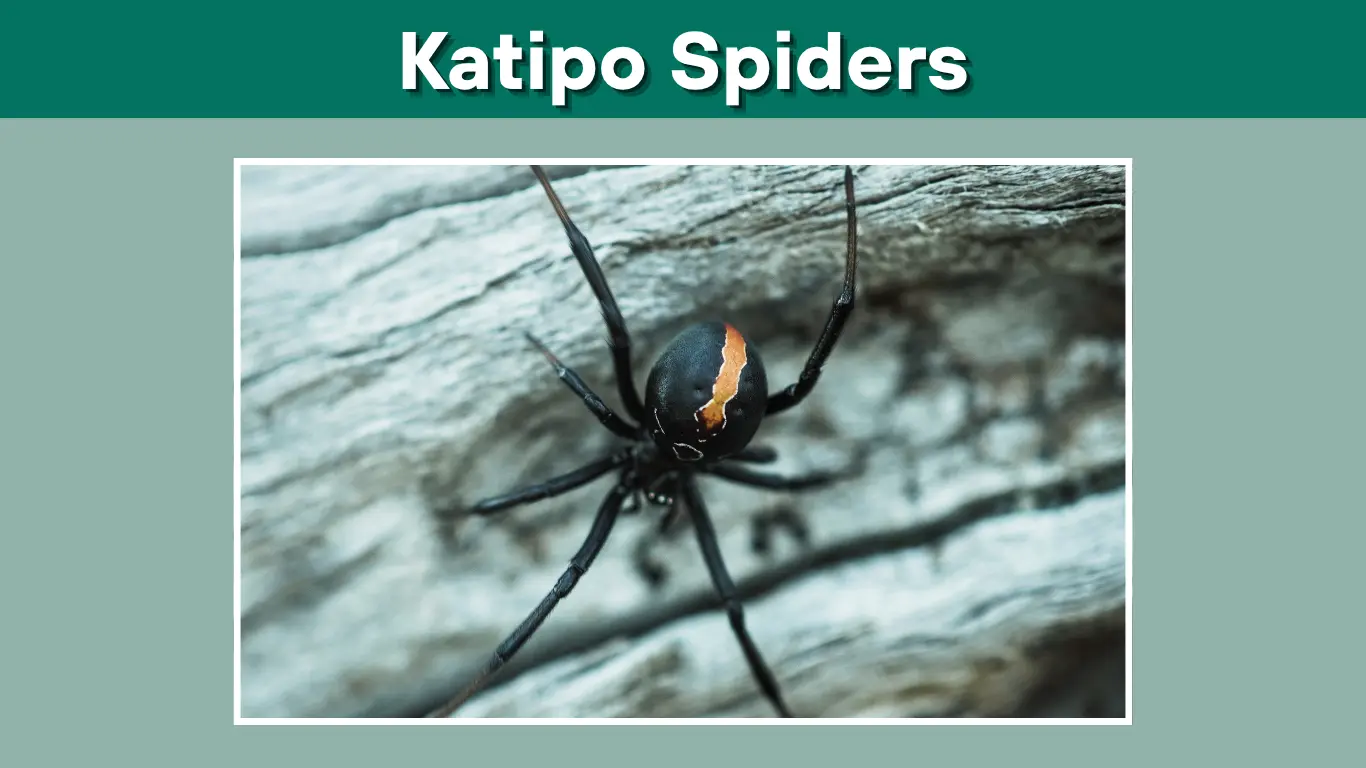
The Katipō spider (Latrodectus katipo) is a rare and unique species native to New Zealand. Although it belongs to the widow spider family—known for their potent venom—the Katipō is often misunderstood. With its striking black body and red stripe, it evokes both curiosity and fear. But how dangerous is this spider, really?
Let’s explore the true nature of the Katipō spider’s danger to humans, based on scientific evidence and medical records.
Katipō Spider: A Venomous Species
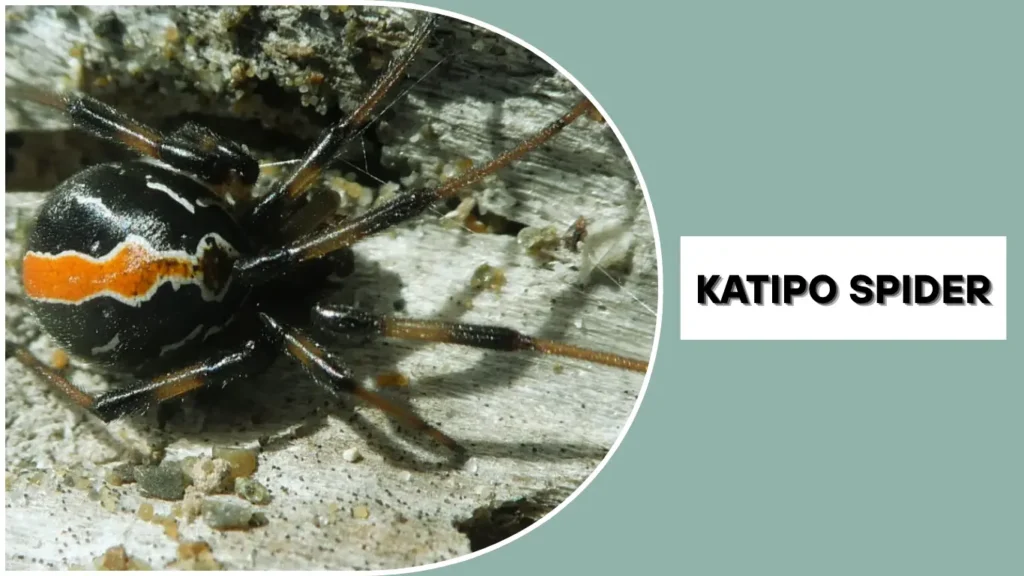
The Katipō is one of the few venomous spiders in New Zealand. Its venom is neurotoxic, affecting the nervous system, much like the venom of the redback spider (Latrodectus hasselti) or the black widow (Latrodectus mactans).
When a Katipō bites, it injects venom that can cause systemic symptoms in humans, a condition known as latrodectism. However, Katipō spiders are not aggressive and usually bite only in self-defense when disturbed.
How Dangerous Is a Katipō Bite?

While the bite is medically significant, it is rarely life-threatening. Here’s what can happen after a bite:
Common Symptoms:
- Sharp pain or burning at the bite site
- Redness and swelling
- Muscle cramps, particularly in the abdomen or back
- Nausea or vomiting
- Fever, chills, and sweating
- Headache
- Weakness and fatigue
- Enlarged lymph nodes
Severe Symptoms (in rare cases):
- Difficulty breathing
- High blood pressure
- Restlessness or anxiety
- Temporary paralysis in severe envenomations (extremely rare)
Most people experience mild to moderate symptoms, and with proper medical care, they usually recover within a few days.
Are Katipō Spider Bites Common?
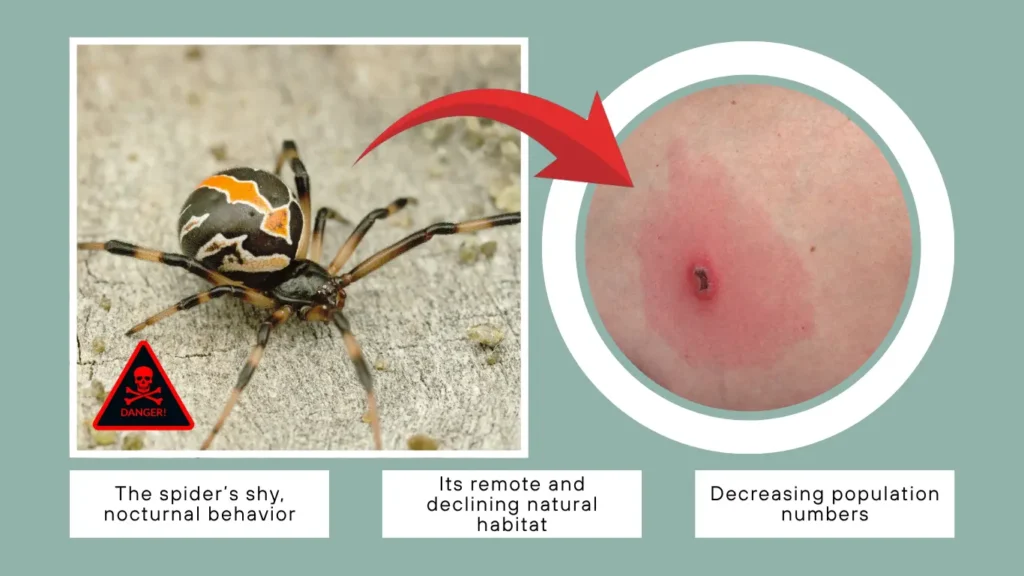
No, bites are extremely rare.
The Katipō spider is a reclusive species that typically builds its web under driftwood, grasses, or logs in coastal dune habitats. Human encounters are limited due to:
- The spider’s shy, nocturnal behavior
- Its remote and declining natural habitat
- Decreasing population numbers (it is classified as Endangered)
Most bites occur when someone unknowingly disturbs a web—such as by lifting debris, sitting on a log, or camping near coastal vegetation.
Documented Bite Cases in New Zealand
There are very few modern records of Katipō spider bites, and no deaths have occurred in recent history. Historical cases reported more severe symptoms, but today:
- Most victims report pain, mild cramping, and discomfort
- Symptoms typically peak within 6–12 hours and subside within 1–3 days
- Some cases may require hospitalization for pain relief and monitoring
Doctors in New Zealand are familiar with the treatment of Katipō bites and antivenom for redback spiders (closely related) may be used in severe cases.
What to Do If Bitten by a Katipō Spider
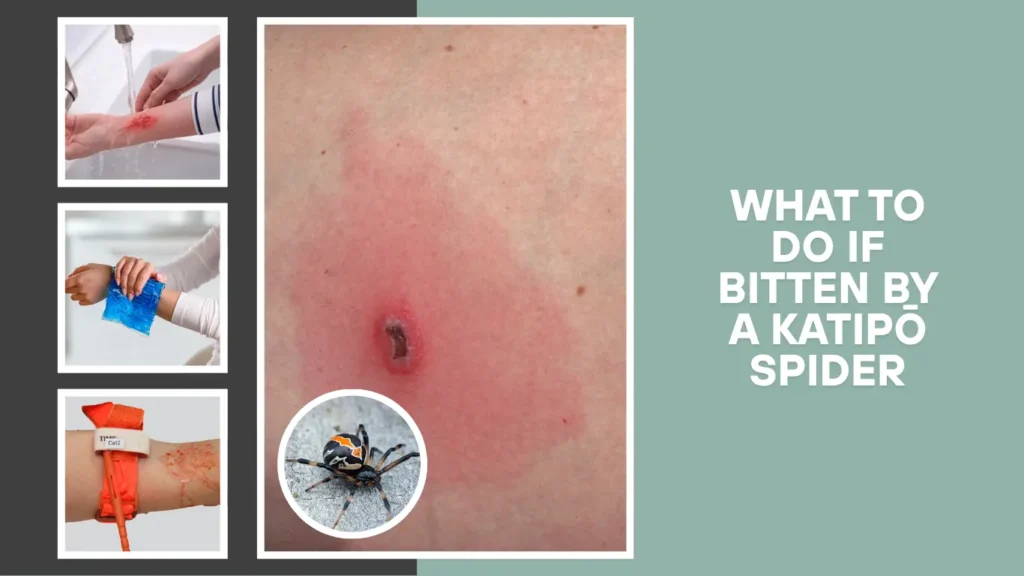
While rare, it’s important to know how to respond if bitten:
- Stay calm – Panicking can increase the spread of venom through the bloodstream.
- Wash the bite site gently with soap and water.
- Apply a cold compress to reduce swelling and pain.
- Avoid tight bandages or tourniquets.
- Seek medical attention immediately, especially if symptoms worsen.
Pain relief is usually provided, and in some cases, muscle relaxants or antivenom may be given if symptoms are severe or prolonged.
Who Is Most at Risk?
Although bites are uncommon, the following individuals may be at slightly higher risk:
- People camping or working in coastal dune areas
- Beachgoers who move logs or driftwood
- Children playing near native dune vegetation
- Conservation workers or ecologists
Simple precautions—such as wearing gloves and checking under logs or vegetation—can reduce the risk of accidental contact.
Why Their Danger Is Often Misunderstood
Much of the fear surrounding the Katipō spider comes from its visual resemblance to dangerous widow spiders and its venomous classification. However, several key points reduce its real-world danger:
- The Katipō is shy and non-aggressive
- It does not seek out humans and avoids confrontation
- Bites occur only when provoked or accidentally disturbed
- Their population is declining, making encounters very rare
Katipō Spider vs Redback Spider: Which Is More Dangerous?
The Redback spider, originally from Australia, is now found in parts of New Zealand. While both spiders belong to the Latrodectus genus, there are differences in danger and behavior:
| Feature | Katipō Spider | Redback Spider |
| Native To | New Zealand | Australia |
| Aggressiveness | Very shy | Moderately shy |
| Habitat | Coastal dunes | Urban and rural areas |
| Bite Frequency | Extremely rare | More common |
| Medical Concern | Yes, but low risk | Yes, higher exposure risk |
| Conservation Status | Endangered | Not endangered |
In general, Redbacks are more likely to bite humans simply because they live closer to people.
Are Katipō Spiders Dangerous?
Yes, but only under specific conditions.
The Katipō spider is venomous, and its bite can cause painful symptoms, but the risk of a bite is extremely low. Unlike more aggressive species, the Katipō prefers to hide and avoid confrontation.