

The Katipō spider (Latrodectus katipo) is one of New Zealand’s most iconic and endangered native species. Easily recognized by its black body and distinctive red stripe, this spider belongs to the widow spider family. While its venom is medically significant, Katipō spiders are shy and rarely bite. But beyond their reputation, there’s much to explore about their biology—especially their lifespan and the factors influencing their survival.
Let’s take a closer look at how long Katipō spiders live, how their life cycle works, and why their population is under threat today.
What Is the Average Lifespan of a Katipō Spider?

The lifespan of the Katipō spider differs between males and females. On average:
- Male Katipō spiders live for about 6 to 12 months
- Female Katipō spiders can live up to 2 to 3 years
Males typically die soon after mating, which is common behavior among widow spiders. In contrast, females live much longer and play an important role in web-building, egg-laying, and maintaining the population. Their extended lifespan gives them more time to reproduce and sustain future generations.
However, this average lifespan depends on several environmental factors, such as food availability, climate, and habitat safety. In protected environments, some individuals may live longer than in the wild.
Life Cycle of the Katipō Spider
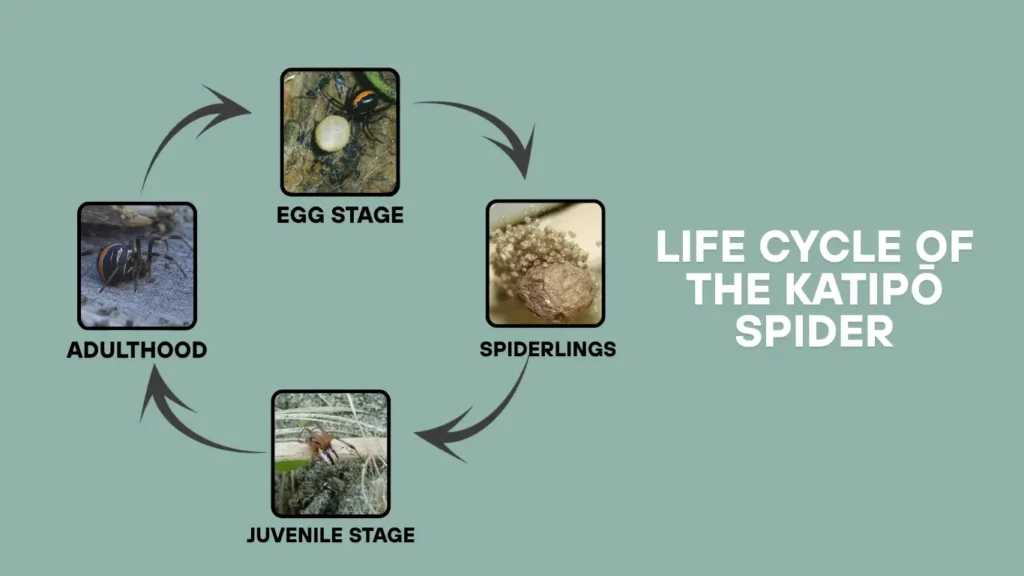
Understanding the life cycle helps explain how the spider progresses from egg to adult and what influences its lifespan:
1. Egg Stage
- After mating, the female lays egg sacs, each containing up to 100 eggs.
- These sacs are carefully protected within the female’s web, often buried under debris or hidden among coastal vegetation.
2. Spiderlings
- After a few weeks, the eggs hatch into tiny spiderlings.
- They remain in or near the sac for a short period before dispersing by ballooning—riding air currents on silk threads to new habitats.
3. Juvenile Stage
- Juvenile Katipō spiders feed on small insects and begin to grow by molting.
- This stage can last several months as they grow into adults, with males maturing faster than females.
4. Adulthood
- Once mature, males focus entirely on finding a mate, after which they typically die.
- Females continue to live in their web, sometimes for up to three years, producing several egg sacs over their lifetime.
Where Do Katipō Spiders Live?
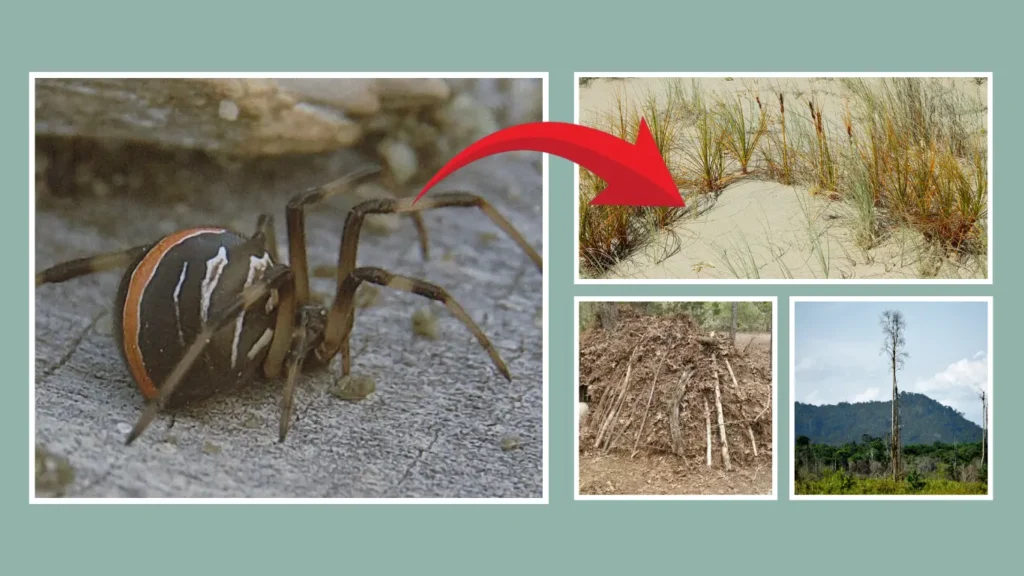
Katipō spiders are coastal dwellers and live almost exclusively in sand dune ecosystems of New Zealand’s North and South Islands. They prefer:
- Areas with spinifex or pīngao (native sand-binding plants)
- Dunes that offer warm, dry shelter with debris for web-building
- Low human interference and few introduced species
Their specialized habitat preference makes them vulnerable to even small changes in their environment.
What Threatens Their Lifespan?
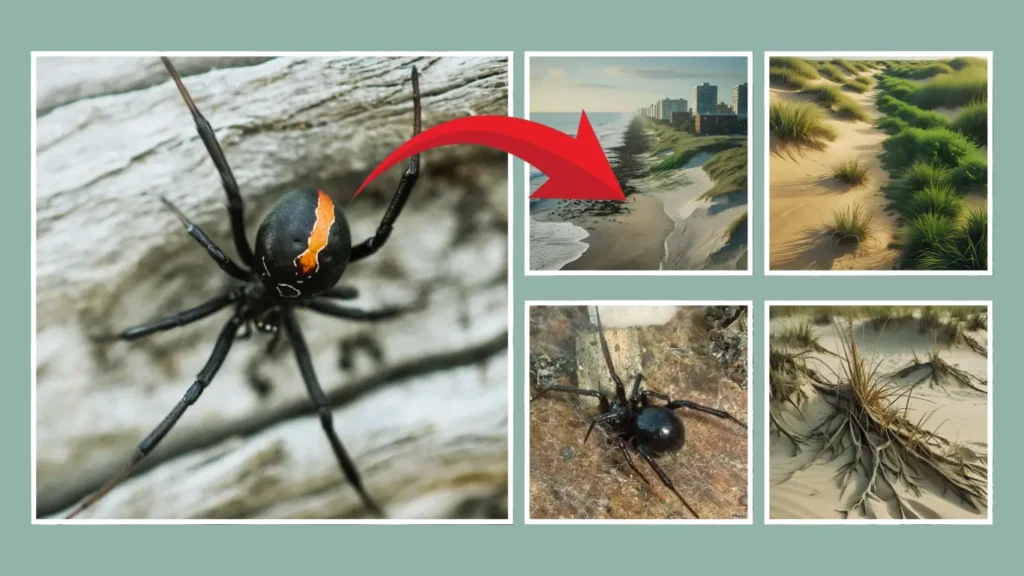
Several natural and human-driven threats affect how long Katipō spiders can survive:
1. Habitat Loss
- Coastal development and recreational use of beaches have damaged or destroyed their natural habitats.
- Replacing native plants with exotic grasses or removing dune debris leaves them without proper shelter.
2. Invasive Species
- The Steatoda capensis (false katipō or black cobweb spider) competes with Katipō spiders for the same resources.
- False katipō spiders are more adaptable and often displace the native species.
3. Climate Change
- Rising temperatures and changing coastal conditions can alter the delicate dune systems Katipō spiders rely on.
- Extreme weather and increased storm activity may also wash away eggs and juveniles.
4. Predators and Human Impact
- Birds, lizards, and even some insects prey on spiderlings.
- People unintentionally destroy webs or remove vegetation during recreational activities.
These pressures not only shorten the lives of individual spiders but also reduce the chances of species survival across generations.
How Conservation Efforts Affect Their Lifespan
New Zealand recognizes the Katipō spider as an endangered species, and conservation actions are in place to protect it. These efforts directly impact how long these spiders live and whether they can reproduce successfully.
Key strategies include:
- Protecting and restoring native dune vegetation
- Restricting vehicle and human access to sensitive beach areas
- Raising public awareness about the importance of the species
- Monitoring population changes and encouraging scientific research
By giving Katipō spiders a safe, undisturbed habitat, their natural lifespan can be fulfilled, and breeding rates can increase.
Katipō vs Other Widow Spiders
It’s interesting to compare the Katipō spider with its relatives, especially the Australian Redback (Latrodectus hasselti), which has established populations in New Zealand.
| Feature | Katipō Spider | Redback Spider |
| Native Range | New Zealand only | Australia (introduced in NZ) |
| Lifespan (Female) | Up to 3 years | 2–3 years |
| Preferred Habitat | Coastal dunes | Urban and rural areas |
| Conservation Status | Endangered | Not endangered |
| Web Location | Among sand dune plants | Sheds, debris, logs |
Despite their similarities, Redbacks have adapted to more urban environments, giving them a survival advantage. Katipō spiders, being more specialized, are less resilient to change.
FAQs About Katipō Spider Lifespan
1. How long do Katipō spiders live in captivity?
If kept in controlled conditions, females can live slightly longer than in the wild—sometimes over 3 years. However, they are rarely kept in captivity due to their endangered status.
2. Do male Katipō spiders live longer if they don’t mate?
In some cases, yes. Mating is often the final act for males, so avoiding it might extend their life slightly, though their biological drive pushes them toward it.
3. Why are Katipō spiders endangered if they can live several years?
Despite their potential lifespan, habitat destruction, low breeding success, and invasive species reduce their actual population survival.
4. Can their lifespan be extended through conservation?
Yes. By reducing threats and restoring natural habitats, more spiders can reach full maturity and reproduce—supporting longer life and healthier populations.