



Wild rabbits are among the most adaptable mammals on Earth. From deserts to farmlands, forests to grasslands, wild rabbits have found ways to survive across multiple continents. While some countries host rabbits as native wildlife, others have seen them introduced—either accidentally or intentionally—where they’ve thrived, sometimes to the point of becoming invasive.
In this article, we’ll explore which countries wild rabbits live in, how they adapt to different environments, and what impact they have on local ecosystems. Whether native or introduced, rabbits have made their mark around the world.
1. Native Range of Wild Rabbits

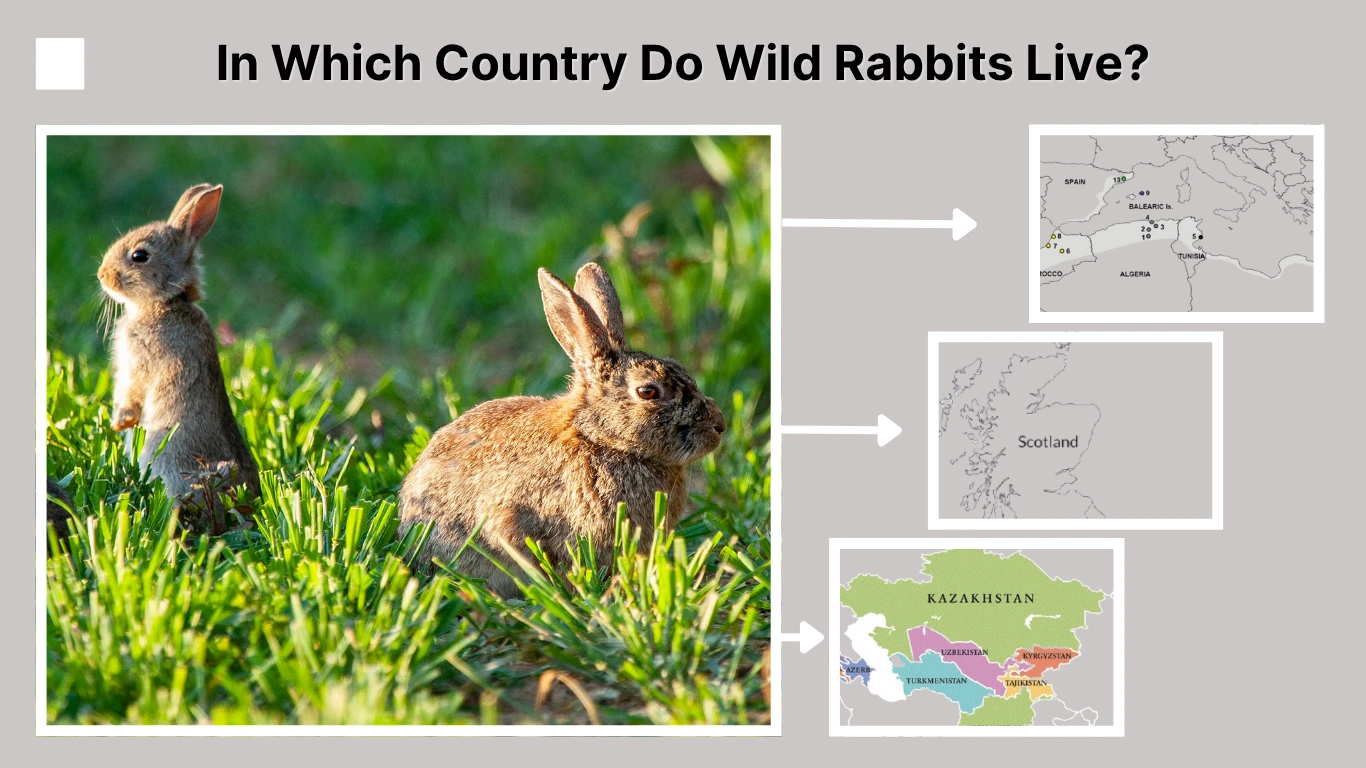
The original native range of the European rabbit (Oryctolagus cuniculus), the ancestor of most domestic rabbits, includes parts of:
- Spain
- Portugal
- Southern France
- Northwestern Africa
These regions provide a warm, dry Mediterranean climate that supports the rabbit’s burrowing behavior and year-round grazing. In their native zones, rabbits play a balanced role in the ecosystem, supporting predators and controlling vegetation.
2. Spain and Portugal: The Rabbit’s Homeland
Wild rabbits originated in the Iberian Peninsula, particularly in Spain and Portugal. In fact, the word “Spain” derives from the Phoenician word “I-Shaphan”, meaning “land of rabbits.”
Why They Thrive Here:
The dry, rocky hills and mild winters make this region ideal for rabbit burrows. Rabbits have co-evolved with native predators like eagles, foxes, and Iberian lynx, forming an essential part of the food chain.
Ecological Role:
In Spain, rabbits are considered a keystone species. Their burrows provide shelter for other animals, and they help regenerate certain plants through selective grazing.
3. United Kingdom: Introduced but Naturalized

Wild rabbits are not native to the UK. They were introduced by the Romans around the 1st century AD and later reintroduced for meat and fur by the Normans.
How They Spread:
With few natural predators and a mild climate, rabbits multiplied quickly across England, Scotland, Wales, and Ireland. They adapted to hedgerows, grasslands, and even urban gardens.
Ecological Impact:
While rabbits are now seen as part of the countryside, they can cause serious damage to crops and native vegetation when populations are unchecked.
4. Australia: A Cautionary Tale
Australia is perhaps the most infamous case of rabbit introduction gone wrong. In 1859, just 24 rabbits were released for hunting purposes. Within decades, they exploded into hundreds of millions, becoming one of the most destructive invasive species on the continent.
Why They Thrived:
Australia’s open grasslands and lack of natural predators allowed rabbits to overpopulate. They outcompeted native species and contributed to soil erosion and plant extinction.
Control Efforts:
Australia has since introduced fencing, viruses like myxomatosis and RHDV, and ongoing culling efforts—but rabbits remain a persistent problem in rural areas.
5. United States and Canada: Home to Native Species

In North America, several species of wild rabbits are native—not the European rabbit, but rather:
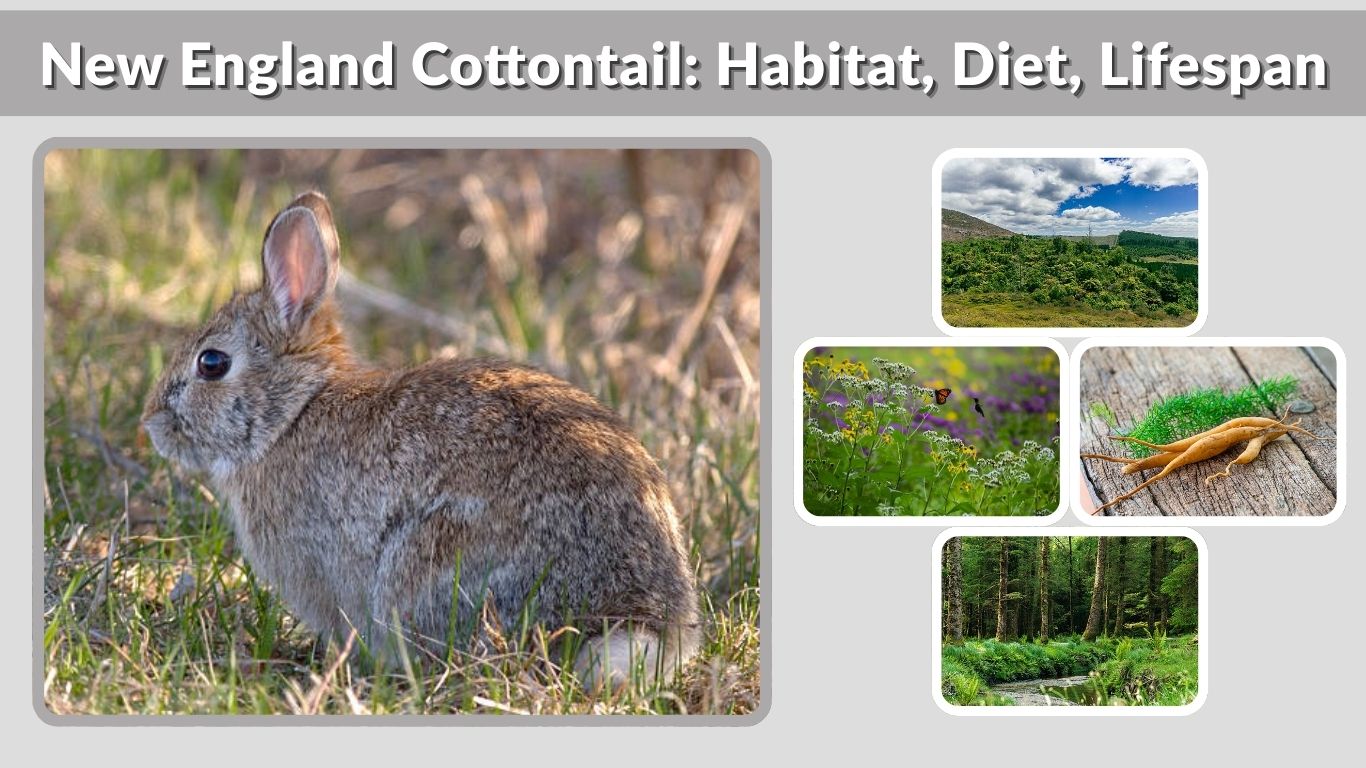
- Eastern cottontail
- Desert cottontail
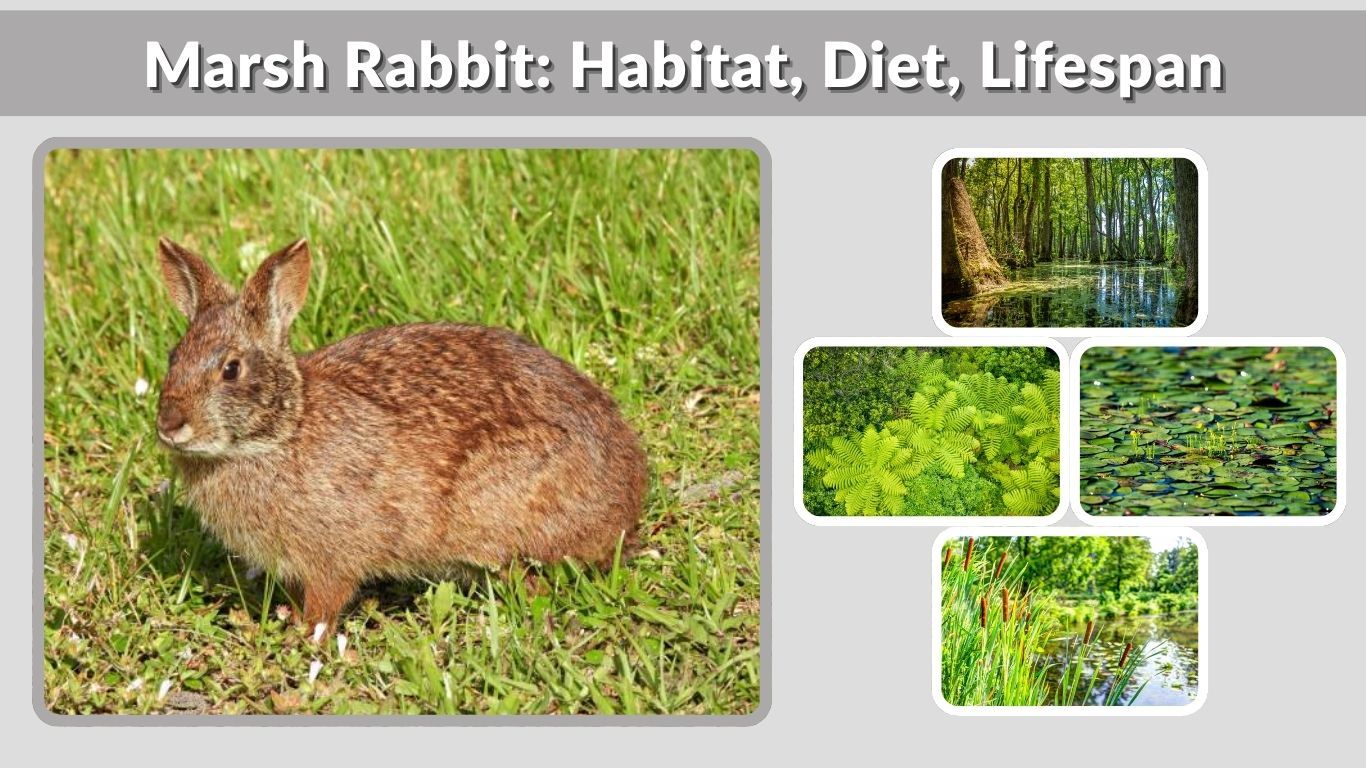
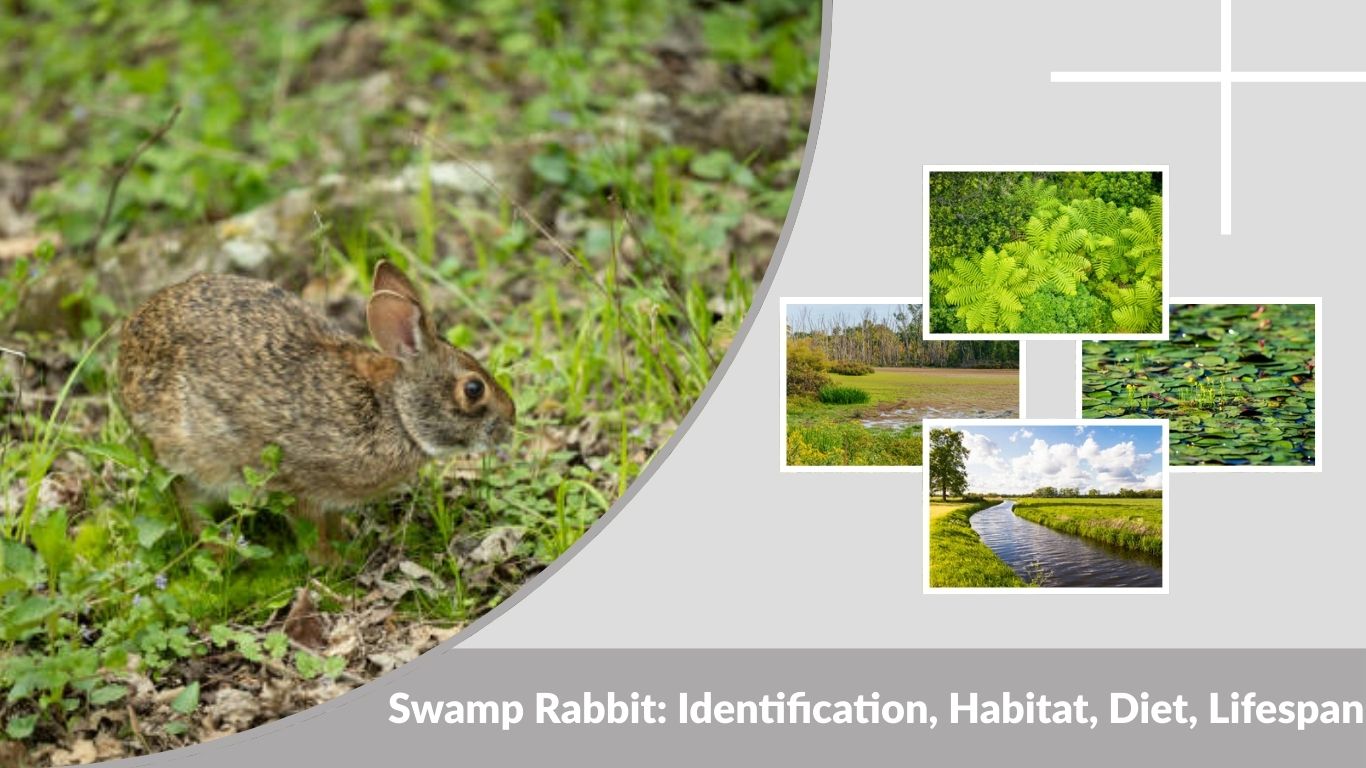
- Swamp rabbit
- Appalachian cottontail
- Snowshoe hare (closely related but technically a hare)
These species live across a wide range of environments in Canada, the United States, and parts of Mexico.
Where They Live:
From wooded forests in the northeast US and Canada, to deserts in Arizona, to marshes in Louisiana, wild rabbits are found almost everywhere. They live above ground in nests or shallow forms, rarely digging deep burrows like their European cousins.
6. New Zealand: Another Invasive Success
Rabbits were introduced to New Zealand by European settlers in the 1800s for meat and sport. Like in Australia, they quickly overpopulated due to the absence of natural predators.
Impact:
In regions like Otago and Canterbury, rabbits have devastated farmland by eating crops and topsoil vegetation. Extensive rabbit-proof fencing and poison baiting are commonly used to control outbreaks.
7. South America: Introduced but Present

Wild rabbits are not native to South America, but populations of European rabbits have established themselves in parts of Chile and Argentina.
Where They Live:
They are mostly found in dry, grassy plains and near farmlands. In these areas, rabbits impact native plant life and are often considered agricultural pests.
8. North Africa and the Middle East: Natural Range Extensions
In northern Morocco, Algeria, and parts of Tunisia, wild rabbits are native and have coexisted with the environment for centuries. They are also found in parts of Lebanon, Israel, and Syria.
Adaptations:
These rabbits survive in arid conditions by creating burrows in shaded, sandy soils and feeding on drought-resistant plants. They play a minor but stable role in local ecosystems.
9. Asia: Limited Distribution

Wild rabbits are not widespread across Asia, but some species are found in:
- Western China
- Kyrgyzstan
- Kazakhstan
- Southern Russia
Most rabbits in Asia belong to the hare family or are introduced for farming. They are rarely found in tropical or densely forested parts of Asia like India or Southeast Asia.
10. Countries Without Wild Rabbits
There are some countries and regions where wild rabbits do not live:
- Iceland (due to climate)
- Japan (native rabbits are rare and often hares)
- Many Pacific Islands (due to isolation and strict animal import laws)
- Greenland and Northern Arctic Regions (too cold and barren for rabbit survival)
Why They’re Absent:
In many of these areas, either the climate is too harsh, the terrain unsuitable for burrowing, or strict biosecurity laws prevent introduction.
Conclusion
Wild rabbits live across Europe, North America, parts of South America, North Africa, and even Australia and New Zealand—making them one of the most widely distributed mammals on Earth. Whether native or introduced, they’ve proven incredibly adaptable to different environments and climates.
However, with their adaptability comes responsibility. In some countries, rabbits are critical to biodiversity. In others, they’re pests that need careful management. Understanding where wild rabbits live—and how they got there—offers valuable insight into ecology, conservation, and the global movement of species.