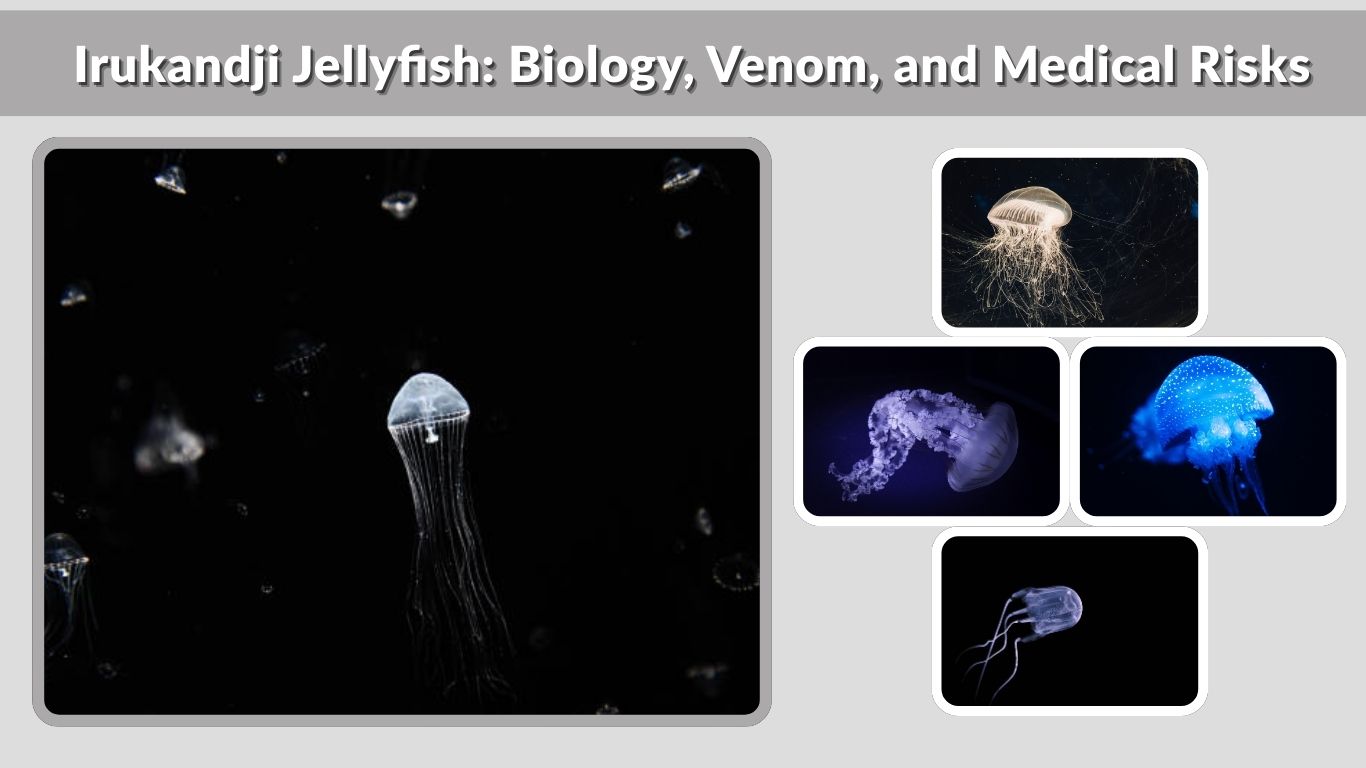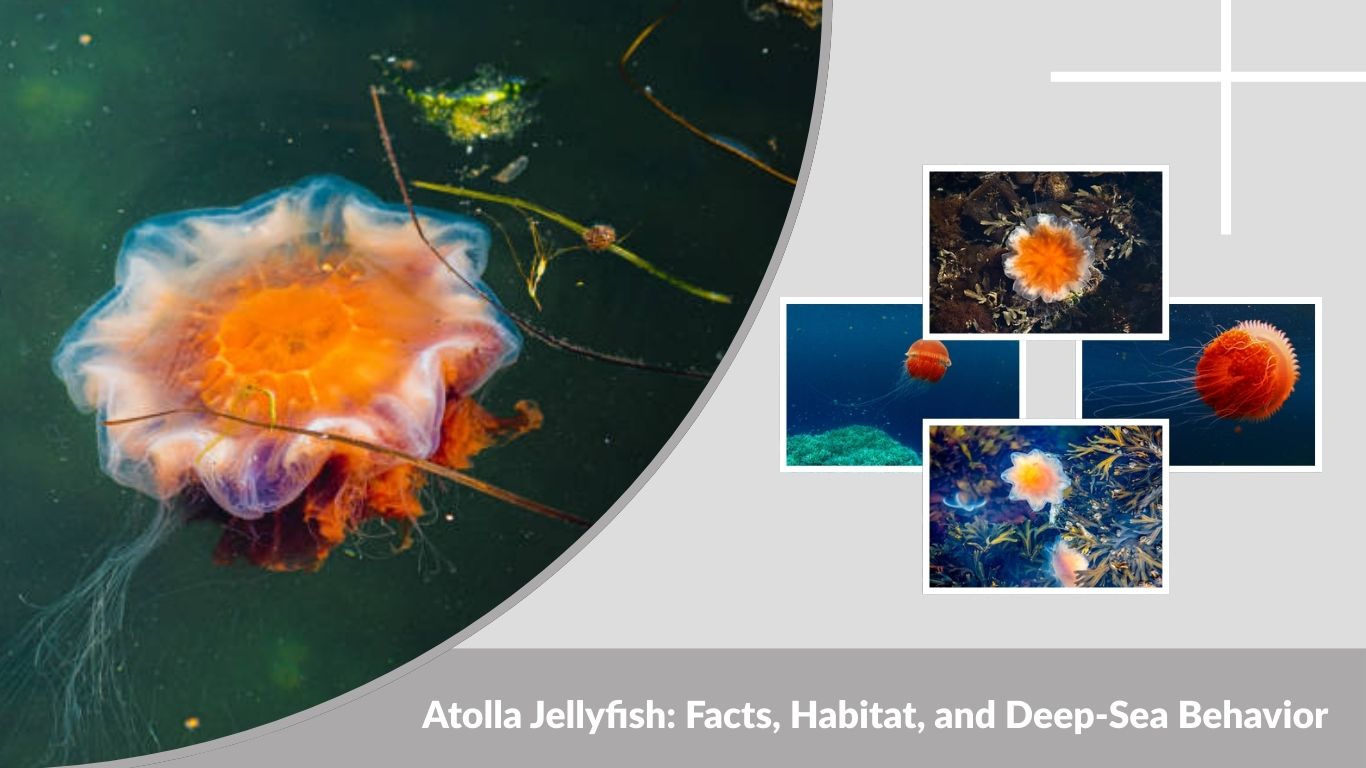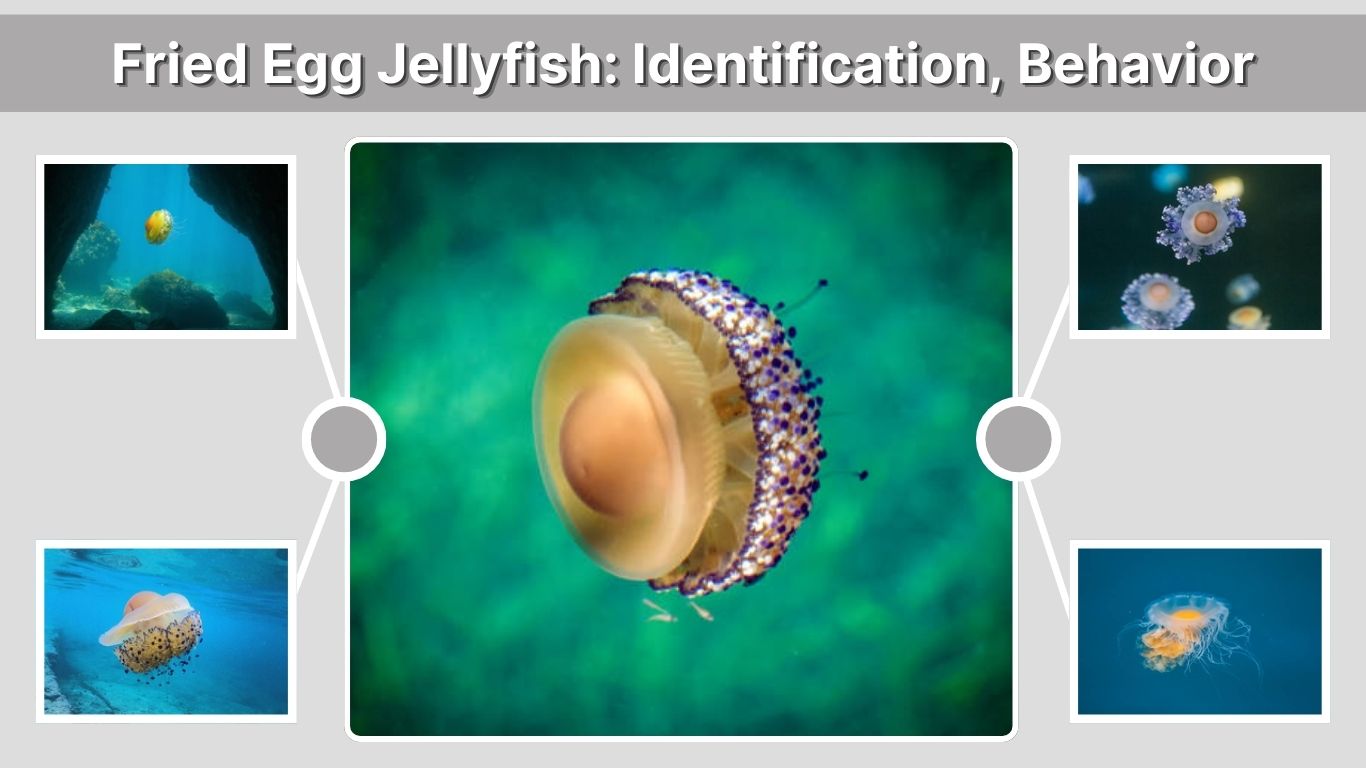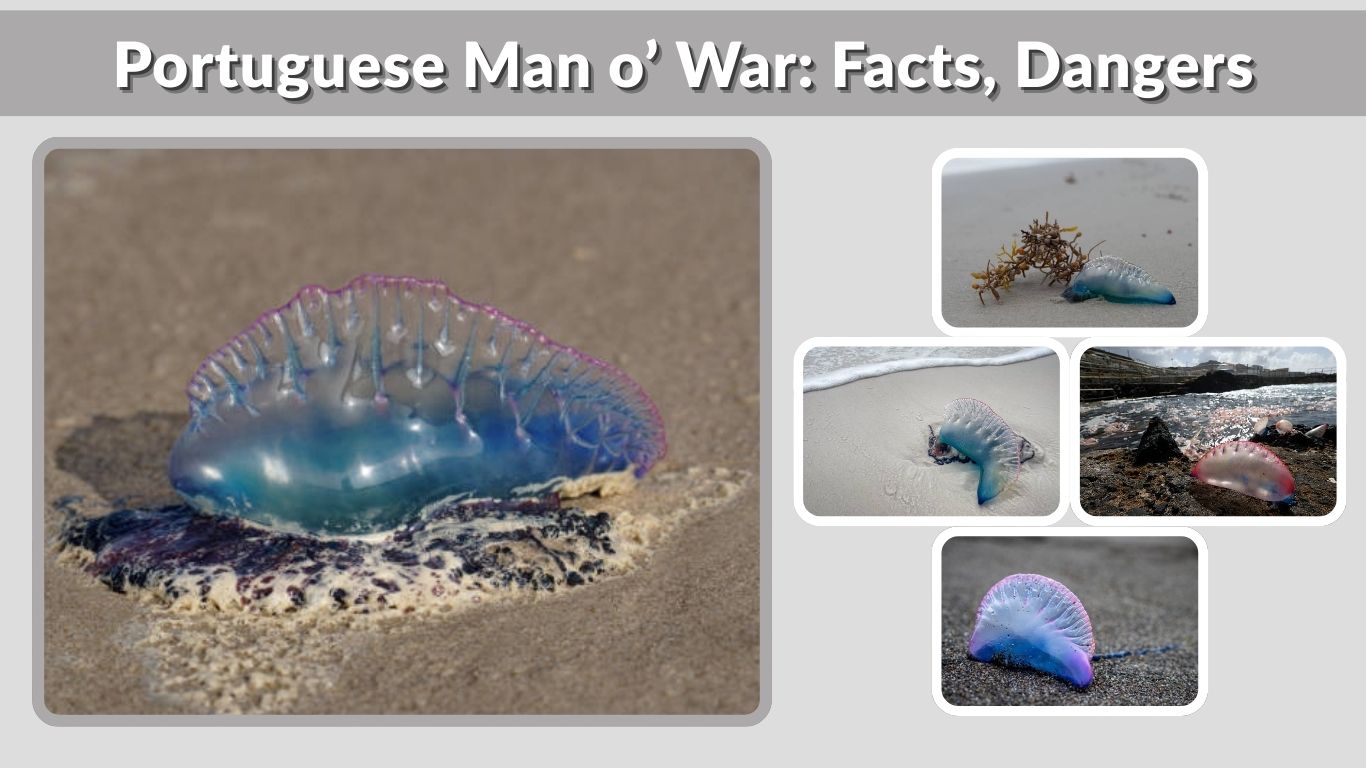





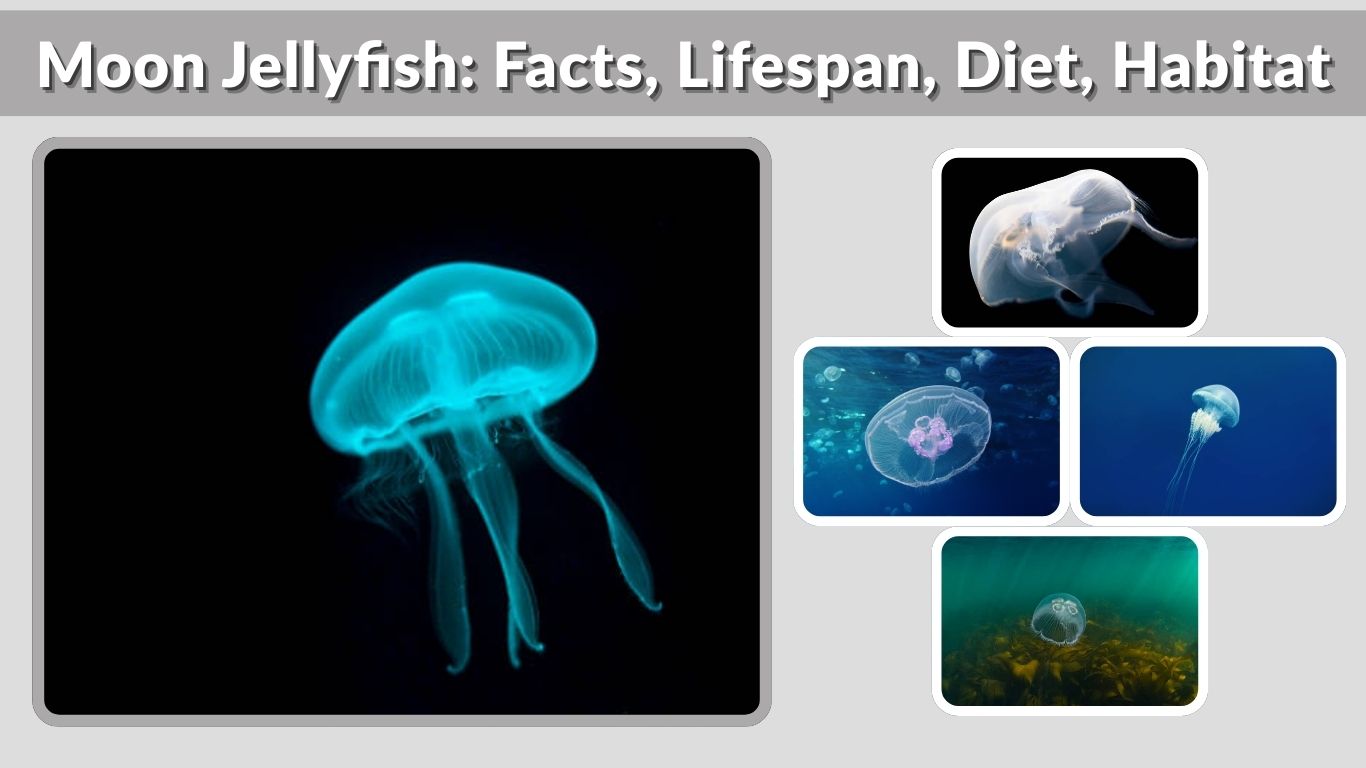
Moon jellyfish are among the most recognizable and mesmerizing creatures in the ocean. With their transparent, umbrella-shaped bodies and slow, graceful movements, they often appear almost otherworldly. Scientifically known as Aurelia aurita, moon jellyfish are found in oceans across the globe and are commonly displayed in public aquariums. Despite their delicate appearance, they are remarkably resilient animals. In this article, we’ll explore essential moon jellyfish facts, including their size, habitat, life cycle, lifespan, diet, and how they eat, helping you better understand what makes these jellyfish so fascinating.
What Is a Moon Jellyfish?
The moon jellyfish, or Aurelia aurita, is one of the most common jellyfish species in the world. It gets its name from the four horseshoe-shaped reproductive organs visible through its translucent bell, which resemble crescent moons. Moon jellyfish belong to the class Scyphozoa, meaning they are considered “true jellyfish.”
Unlike many marine animals, moon jellyfish do not have a brain, heart, or bones. Instead, they rely on a simple nerve net to sense light, touch, and movement in the water. Their calm drifting motion and non-aggressive nature make them especially popular in aquariums and marine education centers.
Moon Jellyfish Size and Physical Characteristics
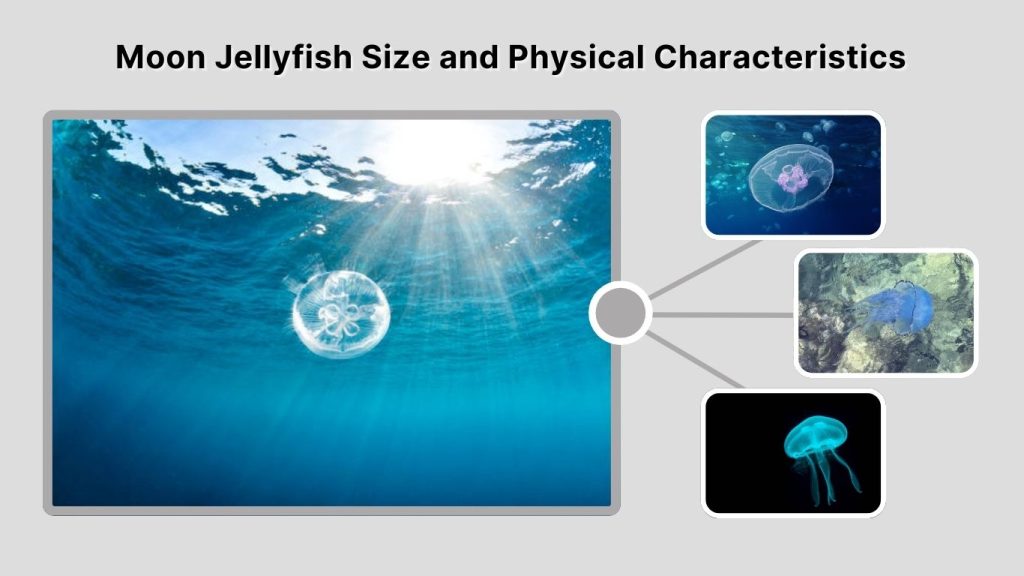
Moon jellyfish are medium-sized jellyfish with a soft, gelatinous body composed of about 95% water. An adult moon jellyfish typically measures between 6 and 10 inches (15–25 cm) in diameter, although some individuals can grow slightly larger under ideal conditions.
Their bell is usually transparent or milky white, sometimes with a faint bluish or pink tint. Around the edge of the bell are short tentacles used for feeding and defense, while four longer oral arms hang beneath the body. These arms play a key role in transporting food to the mouth. Despite their size, moon jellyfish are extremely lightweight and depend on ocean currents for movement.
Moon Jellyfish Habitat
Moon jellyfish inhabit coastal and temperate ocean waters around the world. They are commonly found in bays, harbors, lagoons, and nearshore environments where plankton is abundant. Moon jellyfish can tolerate a wide range of temperatures and salinity levels, which is one reason they are so widespread.
They are most often seen near the surface, drifting with currents, although they can move vertically in the water column. Seasonal blooms of moon jellyfish are common and are often influenced by water temperature, food availability, and ocean currents. Their adaptability allows them to thrive in both clean and moderately polluted waters.
Moon Jellyfish Life Cycle
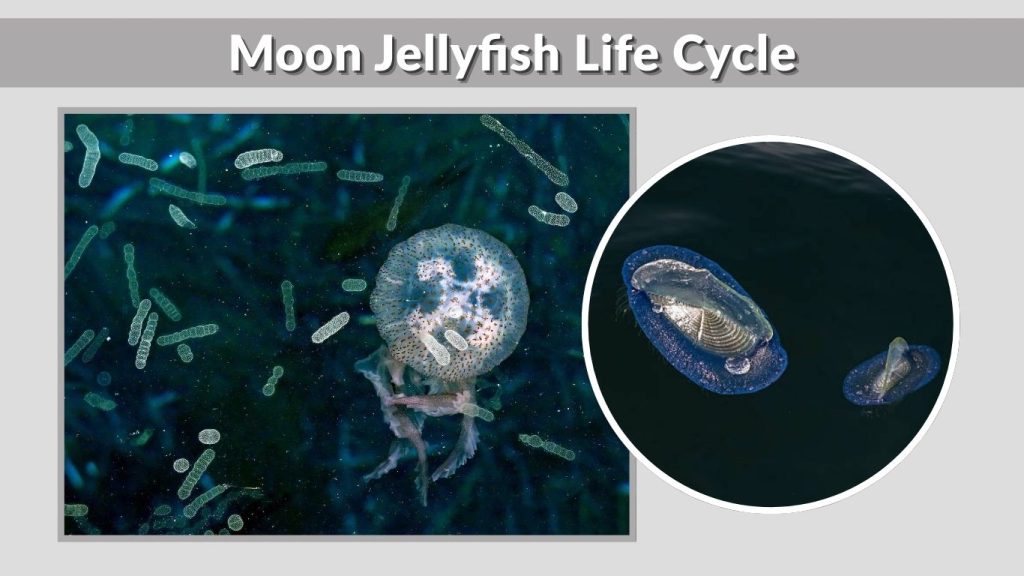
The moon jellyfish life cycle is complex and fascinating, involving both sexual and asexual reproduction. It begins when adult jellyfish release eggs and sperm into the water. After fertilization, the egg develops into a free-swimming larva called a planula.
The planula eventually settles on a hard surface and transforms into a polyp, which resembles a tiny sea anemone. This polyp can reproduce asexually by cloning itself or by a process called strobilation, where it segments into stacked discs. These discs are released as ephyrae, which are small, immature jellyfish. Over time, ephyrae grow into adult moon jellyfish, completing the life cycle.
How Long Do Moon Jellyfish Live?
Many people ask, how long do moon jellyfish live? In the wild, the average moon jellyfish lifespan is relatively short—usually 6 to 12 months. Predation, food availability, and environmental conditions all affect how long they survive.
In captivity, however, moon jellyfish can live up to 2 or even 3 years when kept in properly maintained tanks. Stable water conditions, regular feeding, and protection from predators significantly increase their lifespan compared to those in the open ocean.
What Do Moon Jellyfish Eat?
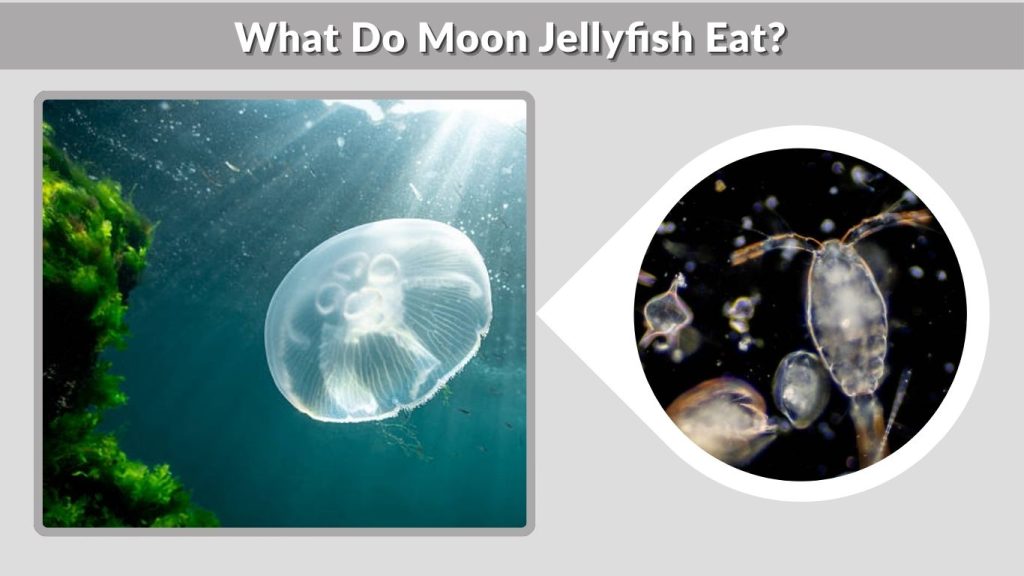
Moon jellyfish feed primarily on zooplankton, making them important players in marine food webs. Their diet includes tiny crustaceans, copepods, fish eggs, and larvae. In aquarium settings, moon jellyfish are commonly fed baby brine shrimp or specially prepared plankton substitutes.
Because they lack teeth and jaws, moon jellyfish rely on gentle, continuous feeding rather than active hunting. Their slow movement allows them to encounter food naturally as they drift through the water.
How Do Moon Jellyfish Eat?
Moon jellyfish use a passive feeding system. As they pulse their bell, water flows over their tentacles, which are coated in sticky mucus. Tiny prey become trapped in this mucus and are then moved by microscopic hairs called cilia toward the oral arms.
The oral arms guide food into the mouth, which leads to the gastrovascular cavity where digestion occurs. This simple yet efficient feeding method allows moon jellyfish to survive without complex organs or high energy demands.
Moon Jellyfish in Aquariums
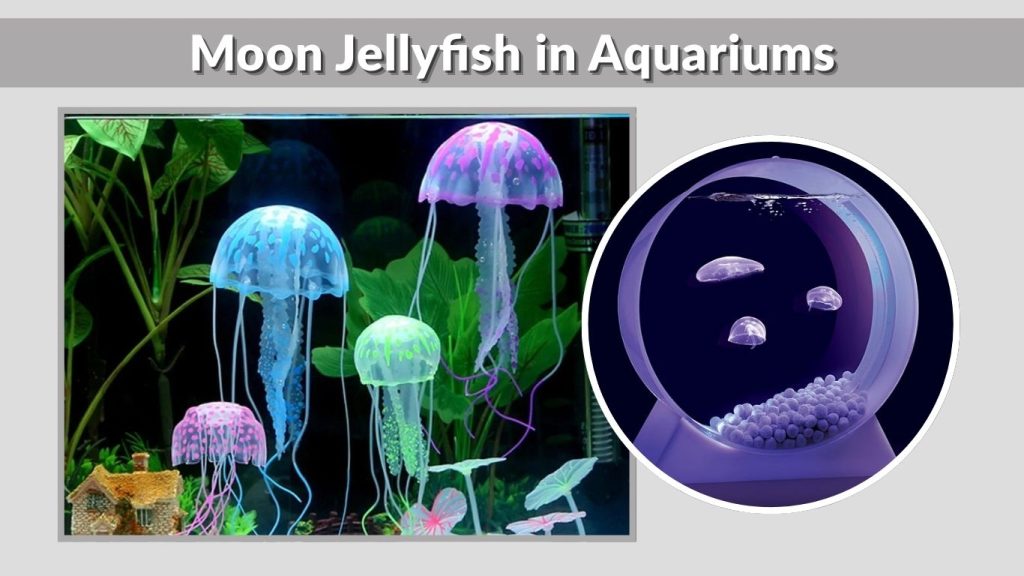
Moon jellyfish are a favorite display species in public aquariums because of their graceful movement and calm presence. Watching them pulse slowly through the water is both relaxing and educational, making them ideal for exhibits focused on marine life and ocean ecosystems. Their relatively mild sting and non-aggressive behavior also make them safer than many other jellyfish species.
However, keeping moon jellyfish in home aquariums is not simple. Unlike fish, jellyfish are delicate and easily injured by strong currents, sharp corners, or standard filtration systems. For this reason, moon jellyfish are best suited to specialized setups designed specifically for their unique needs.
Moon Jellyfish Tank Setup and Care
A proper moon jellyfish tank is essential for their survival in captivity. Standard rectangular fish tanks are not suitable, as jellyfish can become trapped in corners or damaged by filtration equipment. Instead, moon jellyfish require a kreisel tank, which uses a circular flow of water to keep them gently suspended.
A typical moon jellyfish aquarium should hold at least 20–30 gallons, depending on the number of jellyfish. Water temperature is usually maintained between 60–72°F (16–22°C), with stable salinity levels similar to natural seawater. Gentle filtration is critical, as strong suction can harm their soft bodies.
Moon jellyfish should be fed small amounts of food once or twice daily. Overfeeding can degrade water quality, so regular tank maintenance and water testing are essential. With proper care, captive moon jellyfish often live much longer than their wild counterparts.
Are Moon Jellyfish Dangerous?
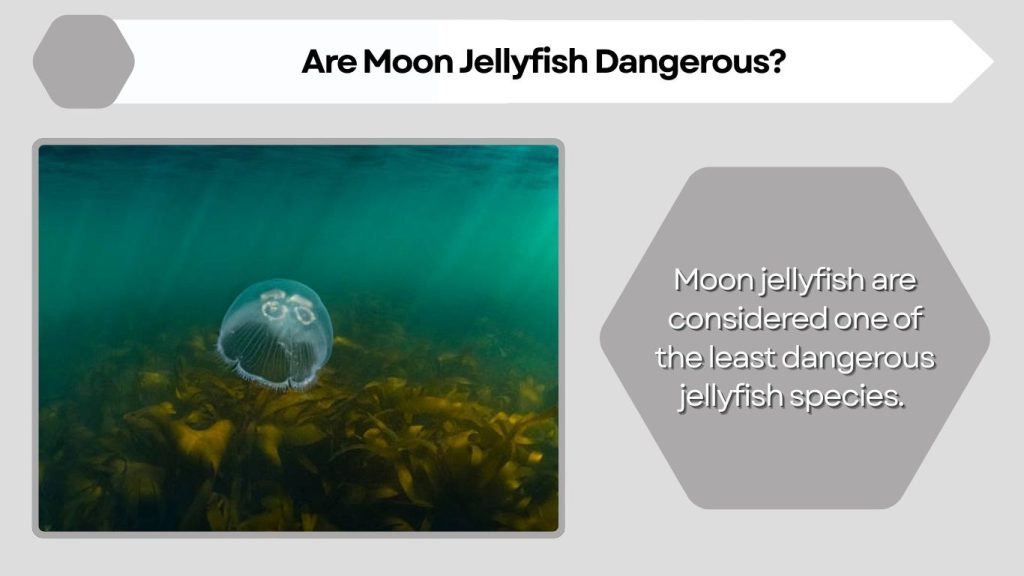
Moon jellyfish are considered one of the least dangerous jellyfish species. Their tentacles contain stinging cells, but the sting is usually very mild and often goes unnoticed by humans. Some people may experience slight irritation or redness, especially those with sensitive skin.
While moon jellyfish are not aggressive, direct contact should still be avoided. In aquariums and in the wild, it’s best to admire them visually rather than touch them. This protects both the jellyfish and the observer from unnecessary harm.
Interesting Moon Jellyfish Facts
Moon jellyfish are full of surprises. One fascinating fact is that their bodies are made up of about 95% water, which helps them float effortlessly. They have survived on Earth for over 500 million years, making them older than dinosaurs.
Despite having no brain or heart, moon jellyfish can sense light and navigate their environment using a simple nerve net. Under certain lighting conditions, they may even appear to glow, adding to their ethereal beauty. These ancient creatures are a perfect example of how simple life forms can be incredibly successful.
Why Moon Jellyfish Matter to Marine Ecosystems
Moon jellyfish play an important role in ocean ecosystems. By feeding on plankton, they help regulate plankton populations and serve as prey for sea turtles, fish, and other marine animals. Large blooms of moon jellyfish can sometimes signal environmental changes such as warming waters or overfishing.
Studying moon jellyfish also helps scientists better understand ocean health, climate change, and the adaptability of marine life. Their presence—or sudden increase—in certain areas can provide valuable ecological clues.