





Rabbits are highly adaptable animals that can thrive in a wide range of environments. Whether in the wild or near human settlements, their survival depends on finding locations that offer food, shelter, and protection from predators. While they’re often associated with grassy fields, rabbits live in many different places depending on the species and climate.
In this article, we’ll explore 10 common places where rabbits live comfortably, detailing why each location suits their needs and how they manage to build safe homes in these varied environments.
1. Grasslands and Meadows
Grasslands and meadows are among the most ideal habitats for wild rabbits. These open areas offer an abundance of grass, herbs, and weeds that make up the bulk of their diet.
Why Rabbits Live Here
The tall grasses provide both food and natural cover, allowing rabbits to graze while remaining hidden from predators. The soft soil also makes it easy for them to dig burrows for shelter and nesting.
2. Forest Edges
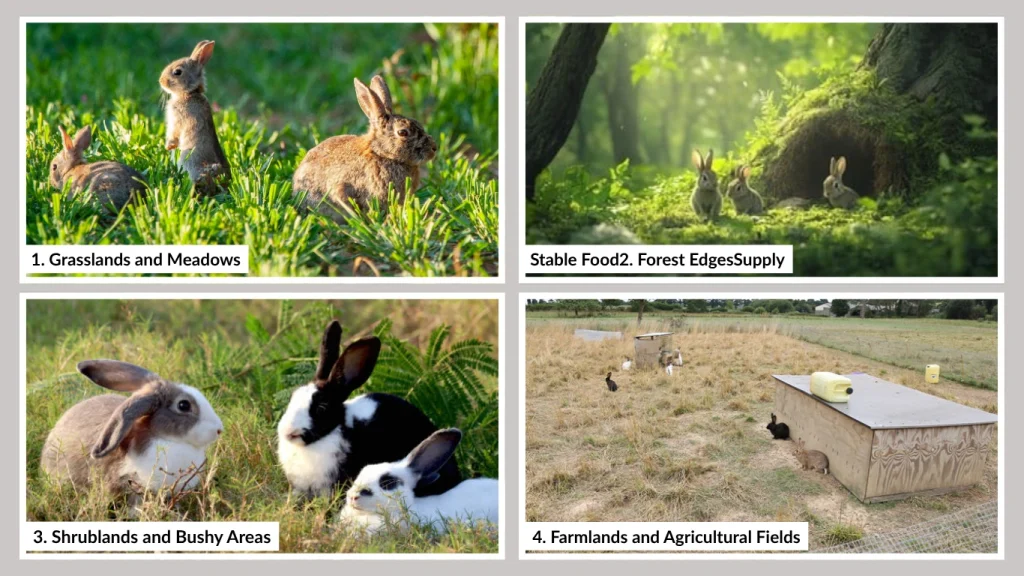
The edges where forests meet open fields create a perfect balance of shelter and food sources for rabbits. These transitional zones offer the best of both worlds.
Why Rabbits Live Here
Rabbits enjoy the safety of dense vegetation found in wooded areas while taking advantage of the food available in nearby clearings. These spots also offer natural hiding places from predators like hawks and foxes.
3. Shrublands and Bushy Areas
Shrublands and areas filled with dense bushes are perfect hiding spots for rabbits. These environments offer thick ground cover, which helps rabbits stay concealed from predators.
Why Rabbits Live Here
Rabbits use the thick vegetation to create shallow nests or dig burrows beneath the brush. The tangled growth also shields them from birds of prey and other threats while still offering access to edible plants and grasses.
4. Farmlands and Agricultural Fields
Farmlands provide rabbits with an easy food supply from crops, weeds, and field edges. They often live near the outskirts of cultivated land to avoid human activity while still taking advantage of the resources.
Why Rabbits Live Here
Crop stubble, hedgerows, and drainage ditches offer both food and cover. Rabbits burrow along fence lines or under storage sheds and make quick escapes into nearby brush when threatened.
5. Suburban Yards and Gardens
Rabbits have learned to live close to people, especially in quiet suburban areas with well-kept lawns and gardens full of food.
Why Rabbits Live Here
Bushes, decks, and garden sheds provide cover, while vegetable gardens, flowers, and grass offer an endless buffet. They often nest in shallow scrapes in the soil and stay mostly hidden during the day.
6. Woodlands and Forest Floors
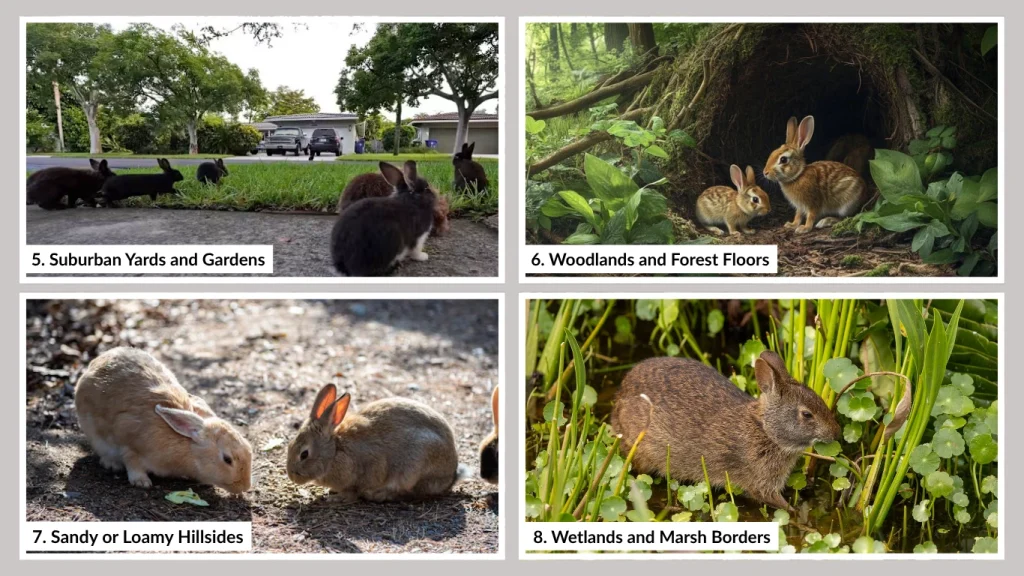
Some rabbit species live deeper in the woods, especially where the forest floor is thick with leaves, roots, and fallen logs.
Why Rabbits Live Here
These areas provide plenty of cover from predators and extreme weather. While food is more limited than in open areas, rabbits here rely on bark, twigs, fungi, and shade-loving plants to survive.
7. Sandy or Loamy Hillsides
Hillsides with sandy or loamy soil are ideal for rabbits that prefer to dig complex burrow systems, also known as warrens. These areas are usually quiet and less trafficked by large predators.
Why Rabbits Live Here
The loose, well-draining soil is easy to dig and doesn’t flood easily during rain. Rabbits create multi-chamber burrows in these hillsides, offering shelter, nesting space, and protection from temperature extremes.
8. Wetlands and Marsh Borders
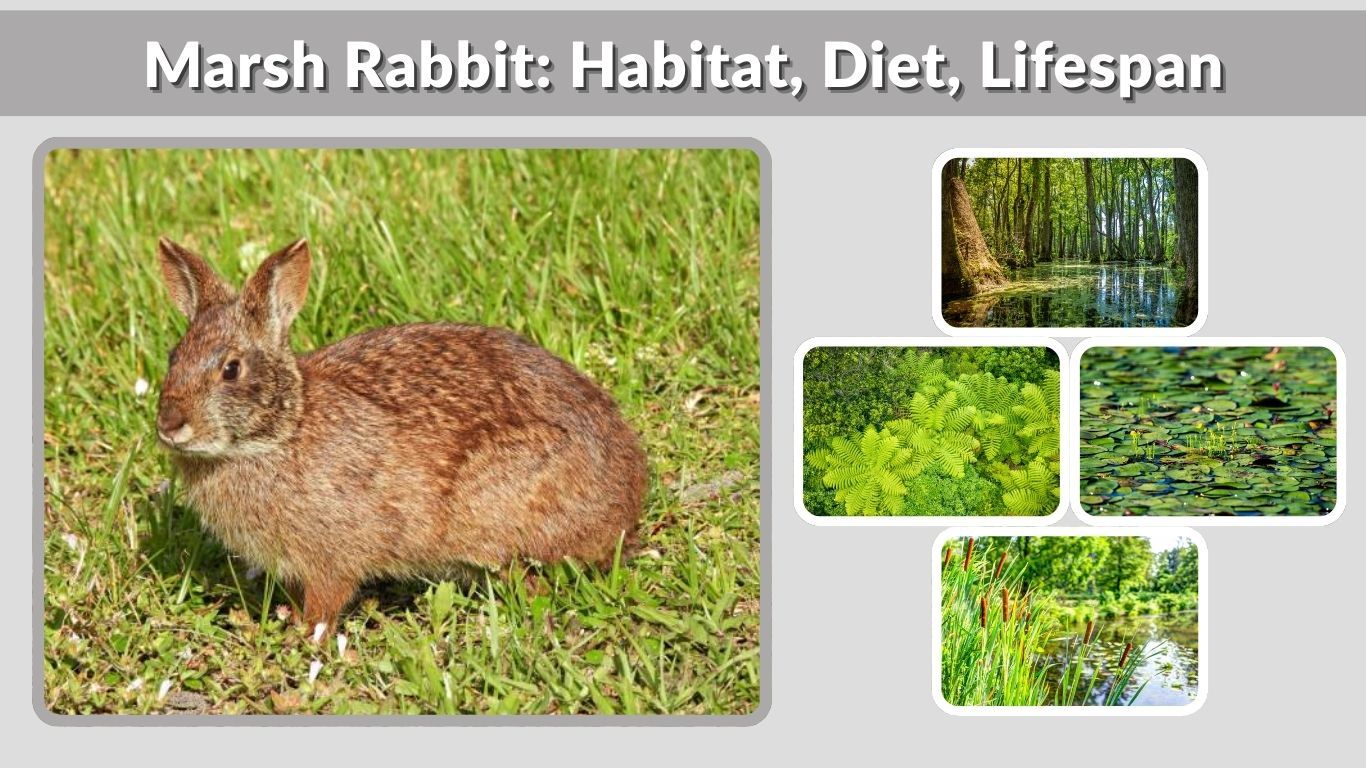
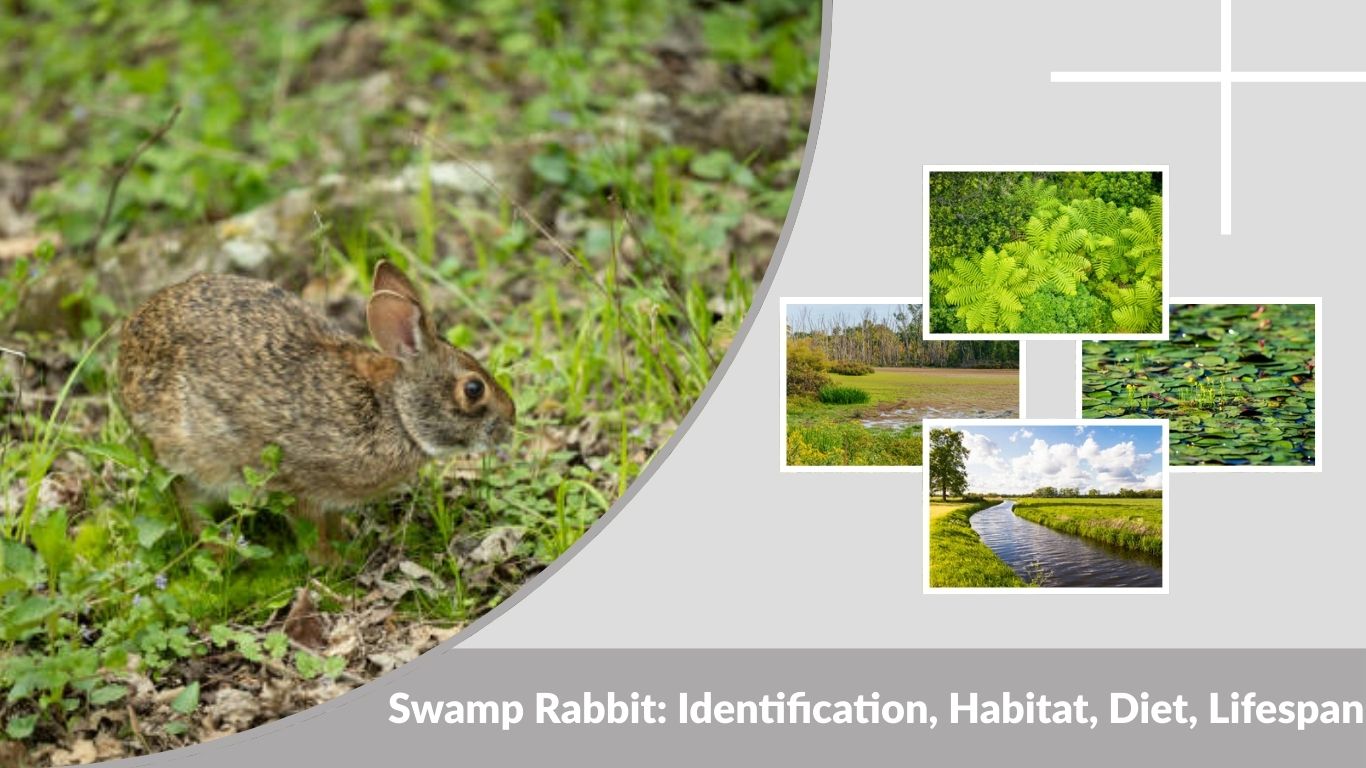
While rabbits don’t live in the water, they are often found on the drier edges of marshes and wetlands where plant growth is dense and diverse.
Why Rabbits Live Here
Tall reeds, grasses, and brush provide excellent hiding spots and food options. The moisture-rich environment also helps keep them hydrated naturally without needing to seek out water sources frequently.
9. Desert Edges (Some Species)
Certain rabbit species, like jackrabbits and cottontails, are well-adapted to arid climates and can survive in desert-edge environments with minimal vegetation.
Why Rabbits Live Here
They find shade under shrubs, rocks, or burrow into the cooler ground. These rabbits are more active during dawn and dusk, avoiding the daytime heat while feeding on drought-tolerant plants and cacti.
10. Abandoned Structures and Rock Piles
Rabbits often take advantage of human-made or natural shelters like old barns, sheds, stone walls, or rock piles to hide and nest.
Why Rabbits Live Here
These spots offer solid protection from predators and weather. The nooks and crevices mimic natural burrows, and nearby weeds or grass provide an easy food source without venturing far.
FAQs
Can rabbits and chickens live together?
Rabbits and chickens can live in the same space, but only with careful management. They have different dietary needs and behaviors. Chickens may peck at rabbits or contaminate their food. If housed together, they need separate resting areas, feeding zones, and plenty of space to prevent stress or aggression.
Do rabbits live underground?
Yes, many rabbit species—especially European rabbits—dig burrows and live underground in structures called warrens. These tunnels offer safety from predators and harsh weather. However, not all rabbits live underground. For example, cottontail rabbits make surface nests hidden in grass or shrubs rather than digging deep burrows.
Can rabbits and guinea pigs live together?
It’s not recommended. While they may seem similar, rabbits and guinea pigs communicate differently and have different dietary needs. Rabbits may accidentally injure guinea pigs with kicks or mounting. Stress and disease transmission are also concerns. It’s best to house them separately but nearby if you want them to interact safely.
Where do rabbits live in the wild?
In the wild, rabbits live in a variety of habitats including grasslands, forests, meadows, deserts, and wetlands. They seek places with plenty of food and natural cover to hide from predators. Many build burrows or find shelter under shrubs, bushes, or in natural crevices.
Where do rabbits live in the winter?
In winter, rabbits stay in the same home range but adjust behavior to survive. They may take shelter in burrows, under dense shrubs, or in brush piles. Their fur thickens for insulation, and they forage bark, twigs, and evergreen plants when greens are scarce. Snow cover also helps hide them from predators.
Can guinea pigs live with rabbits?
While they can sometimes share a space under supervision, it’s not ideal. Rabbits are stronger and more active, which may scare or injure guinea pigs. They also require different diets and could spread illnesses. For safety and health, it’s best to give each their own separate enclosure.
Can rats and rabbits live together?
No, rats and rabbits should not live together. Rats can be territorial, carry diseases, and may bite or harm rabbits. Their behaviors and needs are very different. Rabbits are prey animals and may become stressed or anxious around rats. It’s safest to house them separately.
Do cottontail rabbits live underground?
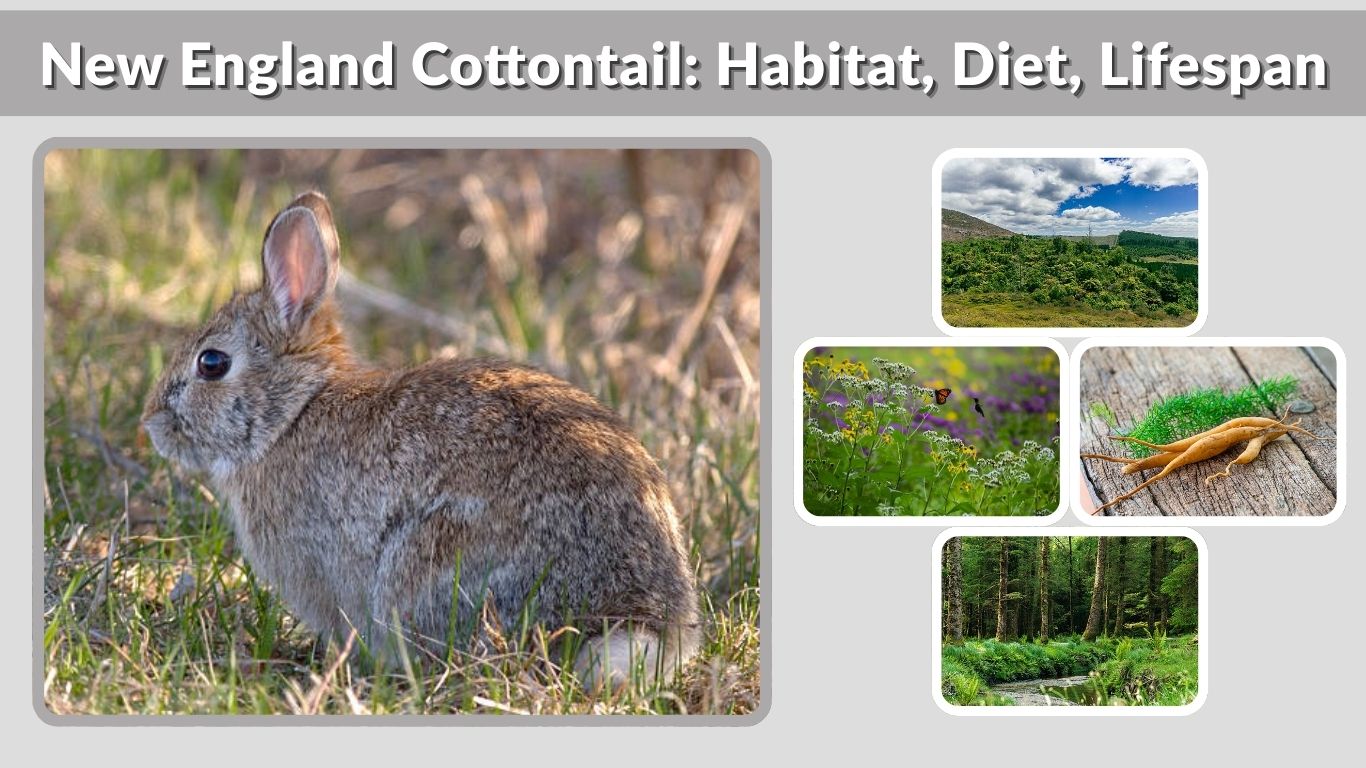
Unlike European rabbits, cottontail rabbits do not dig complex burrows. Instead, they create shallow nests called “forms” in tall grass, bushes, or leaf piles. These surface-level nests are well-hidden and used mostly for resting and raising young. Cottontails rely on cover, not tunnels, for protection.
Do rabbits live in the rainforest?
Rabbits are not typically found in dense tropical rainforests. They prefer open or lightly wooded environments where they can graze and hide. However, some species may live near the edges of rainforests or in lighter forested zones with open ground and access to food and cover.
Where do rabbits live outdoors?
Outdoors, rabbits make homes in areas with natural shelter—like bushes, tall grasses, or under decks. They dig burrows or form shallow ground nests depending on the species. In urban areas, they may also take refuge in gardens or green belts where food is abundant and predators are fewer.
Where do rabbits live outside?
Rabbits living outside often choose quiet, protected spots like hedges, brush piles, or wooded edges. They look for areas with soft soil for digging and plenty of vegetation to eat. Even in suburban environments, you might find them nesting under porches, sheds, or garden beds.