

False black widow spiders are often mistaken for their more dangerous cousins, the true black widows. While they share a similar dark appearance and round abdomen, they are far less harmful. As their presence increases in urban areas, many people wonder: Are false black widow spiders endangered or facing extinction? This article explores their conservation status, habitats, and role in the ecosystem to clear up common misunderstandings.
What Are False Black Widow Spiders?
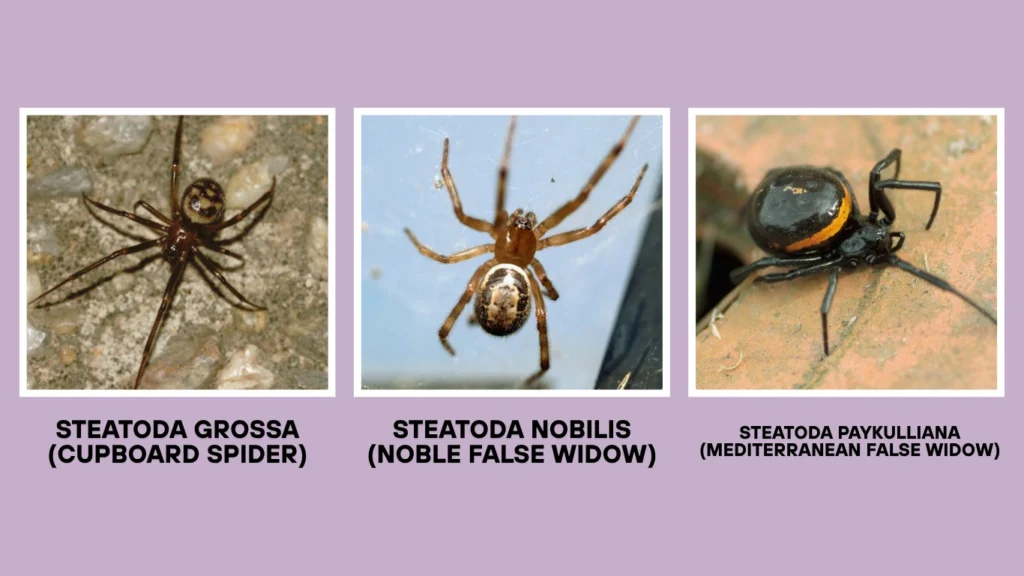
False black widow spiders belong to the genus Steatoda, part of the same family (Theridiidae) as true widows. The most well-known species include:
- Steatoda grossa (Cupboard spider)
- Steatoda nobilis (Noble false widow)
- Steatoda paykulliana (Mediterranean false widow)
These spiders have a shiny, dark brown to black body with lighter markings on the abdomen. They are generally shy, nocturnal, and prefer hidden corners of homes or outdoor structures. Their venom is mild and rarely harmful to humans.
Where Are They Found?
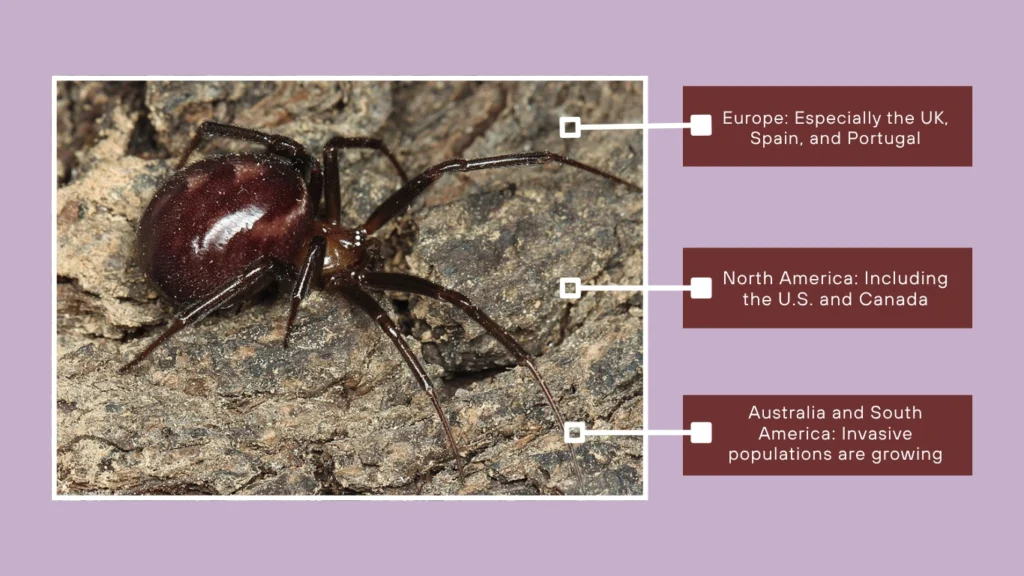
False black widows have a wide distribution and are especially common in:
- Europe: Especially the UK, Spain, and Portugal
- North America: Including the U.S. and Canada
- Australia and South America: Invasive populations are growing
They thrive in human-inhabited environments such as sheds, basements, attics, and even garden furniture. Their ability to live near people helps them survive and spread faster than many other spider species.
Are They Endangered or At Risk of Extinction?
Currently, false black widow spiders are not endangered. There are:
- No IUCN Red List entries marking any Steatoda species as threatened or endangered
- No local or international protection laws specific to these spiders
- No evidence of population decline—in fact, some species like S. nobilis are expanding rapidly
This means they are not considered at risk and are not listed among vulnerable or rare spider species.
Why False Widow Spiders Are Thriving
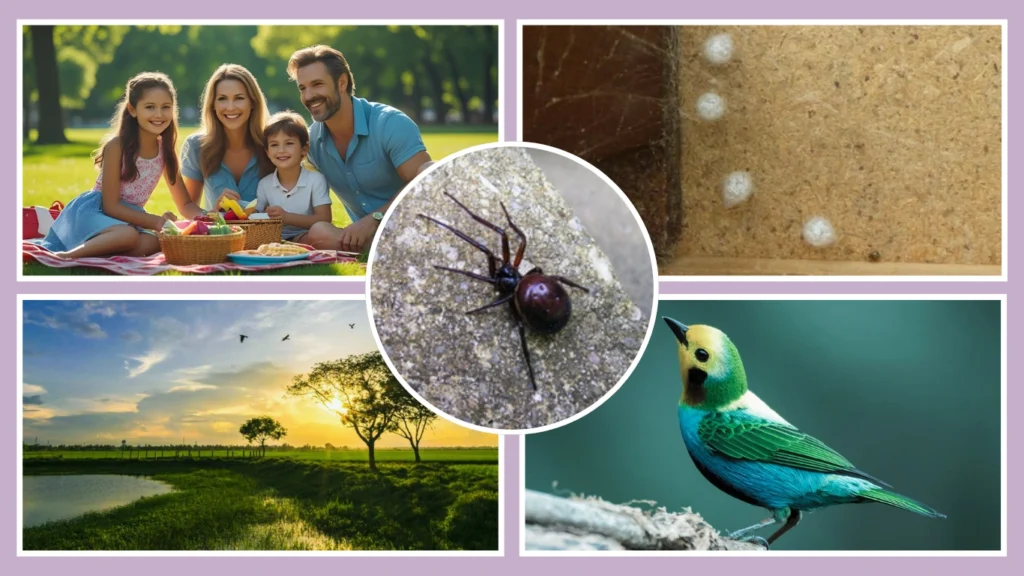
False widows are incredibly adaptable. Several reasons explain why they’re thriving rather than declining:
- Synanthropic Behavior: They live comfortably near humans, gaining warmth and shelter
- Fast Reproduction: Females lay several egg sacs with dozens of spiderlings in each
- Invasive Success: Once introduced to a new region, they establish and grow easily
- Lack of Natural Enemies: Urban environments offer fewer predators and stable conditions
Their ability to adapt to changing climates and urban development gives them an edge over many native spiders.
Ecological Role and Human Interaction
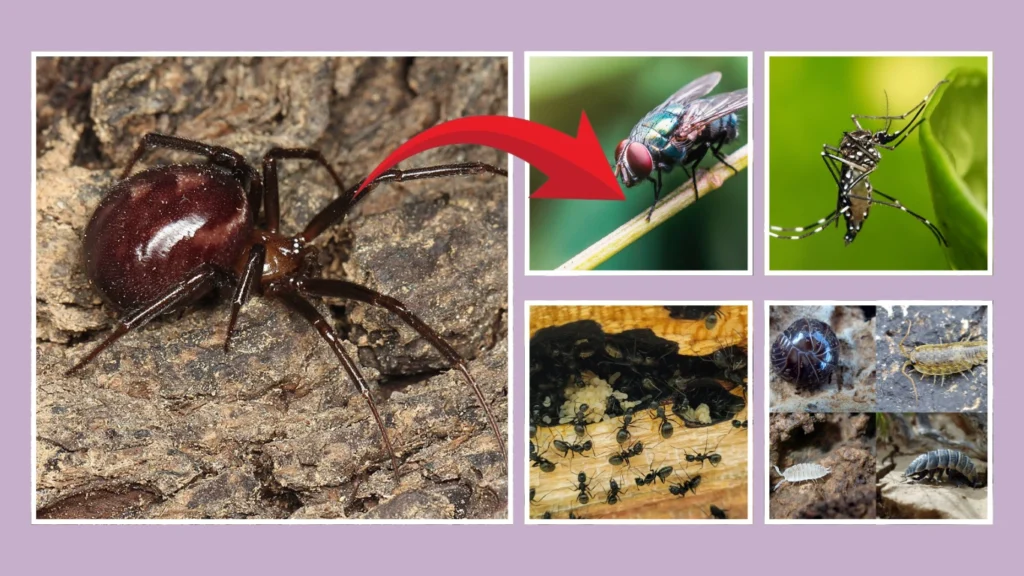
False black widow spiders are beneficial predators. They feed on:
- Flies
- Mosquitoes
- Ants
- Woodlice
- Even other spiders (including black widows)
Their presence helps reduce pest populations in homes and gardens. While they can bite, their venom is mild—comparable to a bee sting. Symptoms may include redness, mild pain, and swelling, but serious effects are extremely rare.
Final Verdict
False black widow spiders are not endangered, and their populations are stable or increasing. They are misunderstood creatures, often feared due to media exaggeration or mistaken identity. In reality, they play a helpful role in urban ecosystems and are not a threat to human health or survival.
FAQs
1. Are any false widow species protected by law?
No, false widow spiders are not protected by law. Species like Steatoda grossa and Steatoda nobilis are widespread and stable in population, so they don’t qualify for any conservation status or legal protection.
2. How common are false black widow spiders?
False black widows are relatively common, especially in human dwellings across temperate regions like the UK, Ireland, and parts of North America. Their ability to thrive indoors makes them one of the more frequently encountered household spiders.
3. What should I do if I find one in my home?
If you find a false widow spider, there’s no need to panic. You can safely leave it alone, as it’s not harmful. If removal is preferred, gently trap it using a glass and paper, and release it outside.
4. Are they dangerous to pets or children?
False black widow spiders are not considered dangerous to pets or children. Their venom is mild, and bites are very rare. Even when a bite occurs, symptoms are usually limited to slight pain, redness, or minor swelling.
5. How can I tell the difference between a false and true black widow?
True black widows have a shiny black body with a distinct red hourglass marking underneath. False widows lack this hourglass and usually have a brown or dark purple body with cream or white markings on the top of the abdomen.