

Yellow sac spiders are small, pale-colored spiders often found in gardens, basements, and corners of ceilings. Despite their size and subtle presence, they are known for their bite, which can sometimes cause concern. But are yellow sac spiders truly dangerous to humans or pets? Let’s explore their behavior, bite symptoms, treatment, and prevention to uncover the truth.
What Is a Yellow Sac Spider?

Scientific Classification and Common Species
The term “yellow sac spider” typically refers to two species in the genus Cheiracanthium:
- Cheiracanthium inclusum (native to North America)
- Cheiracanthium mildei (originally from Europe, now widespread in the U.S.)
These spiders are usually pale yellow, beige, or light green, measuring around 1/4 to 3/8 inch (6–10 mm) in body length. Their legs are long and slender, with darker tips. Because of their color and size, they are often overlooked—until someone spots them crawling on a wall at night or encounters one hiding in a curtain fold.
Behavior and Habitat
Unlike web-building spiders, yellow sac spiders are active hunters. They don’t rely on webs to catch prey. Instead, they roam at night in search of small insects. During the day, they hide in silk sacs (hence the name) tucked into secluded corners: behind baseboards, under leaves, inside closets, and window frames.
They’re more likely to be found indoors during colder months as they seek warmth and shelter.
Yellow Sac Spider Bite – How Dangerous Is It?
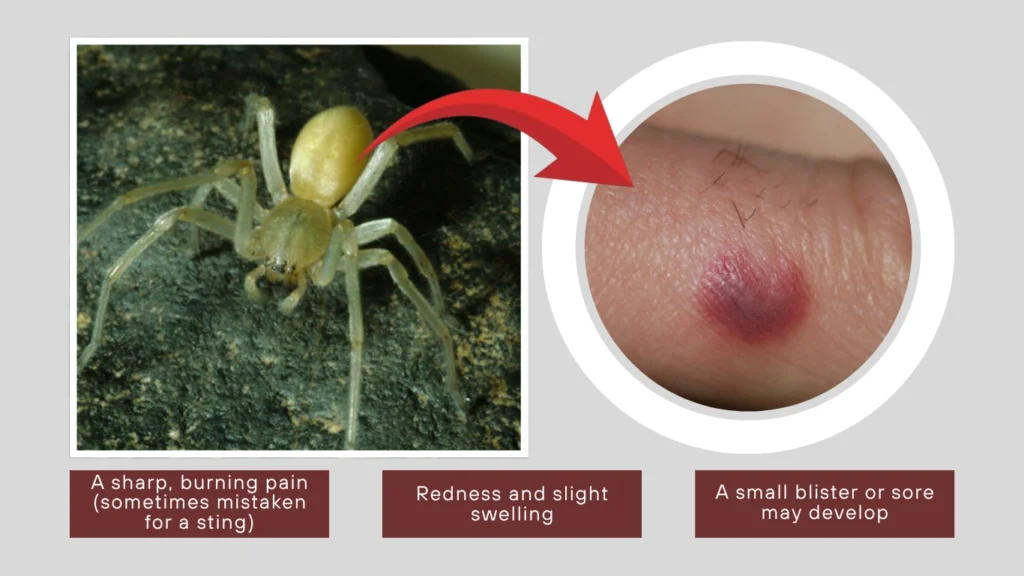
Bite Symptoms
Yellow sac spider bites often happen while people are sleeping. The spider might crawl into bed and bite when trapped between the sheets and skin. A typical bite may involve:
- A sharp, burning pain (sometimes mistaken for a sting)
- Redness and slight swelling
- A small blister or sore may develop
While the initial symptoms may feel alarming, they are typically mild and resemble a bee sting or mosquito bite.
Bite Reactions: Mild vs. Severe
Most yellow sac spider bites are medically insignificant. However, in rare cases, people may experience:
- Delayed healing
- Secondary skin infections (if the bite is scratched)
- Mild systemic symptoms like fever or nausea
It’s worth noting that while these spiders have cytotoxic venom, it’s not comparable in severity to more dangerous spiders like the brown recluse.
Comparison With Other Spider Bites

Yellow Sac Spider vs Brown Recluse
The yellow sac spider is often mistaken for the brown recluse because both can cause necrotic wounds. However:
- Yellow sac spider venom is much weaker.
- Brown recluse bites are rare but potentially severe.
- Yellow sac bites usually heal within a few days, while recluse bites may take weeks.
Yellow Sac Spider vs Black Widow
Compared to the black widow spider:
- Yellow sac spiders are far less dangerous.
- Black widow bites affect the nervous system and cause muscle pain and cramping.
- Yellow sac bites stay localized and don’t produce systemic venom effects in most cases.
When to Seek Medical Attention
Warning Signs
You should see a doctor if you experience:
- Severe swelling or spreading redness
- Pus or yellow fluid from the bite
- Fever, chills, or fatigue
- Bite wound that doesn’t heal within 7–10 days
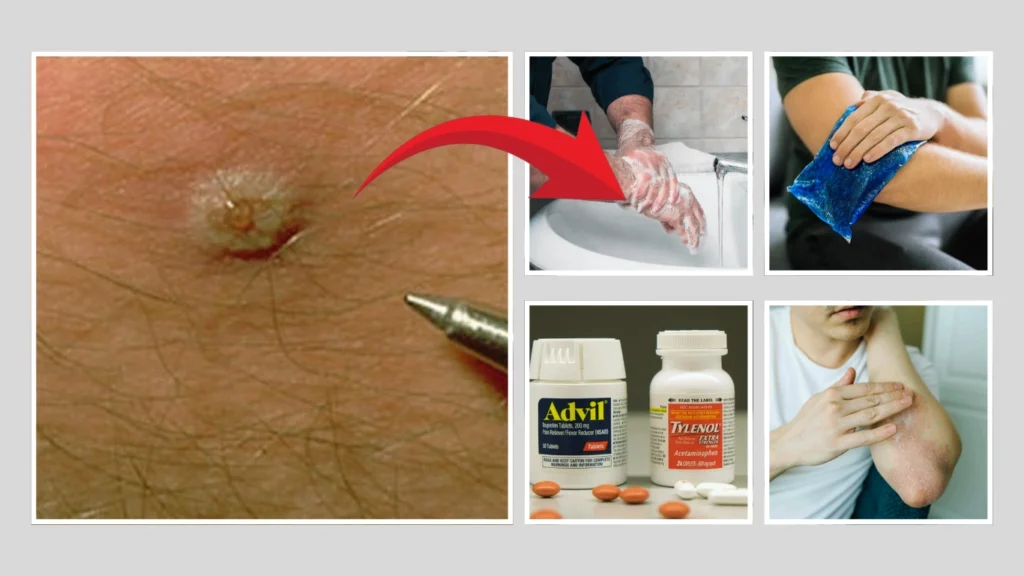
First Aid for Bites
Here’s what to do after a suspected yellow sac spider bite:
- Clean the area with soap and water to prevent infection.
- Apply a cold compress to reduce swelling and discomfort.
- Use over-the-counter pain relievers like ibuprofen if needed.
- Avoid scratching to prevent complications.
In most cases, the bite will heal without professional treatment.
Are They Dangerous to Pets and Children?
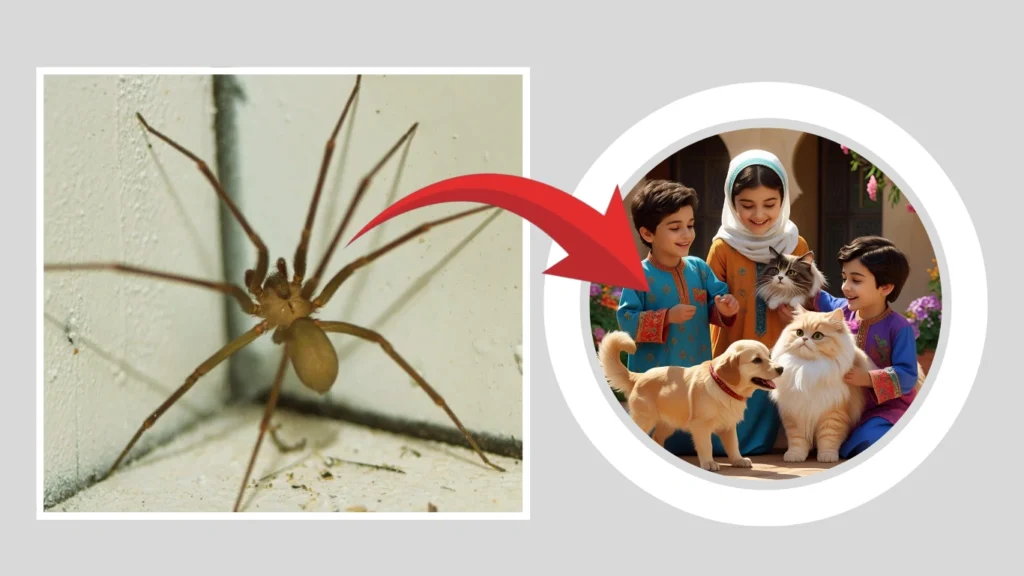
While a yellow sac spider bite can be painful to small pets or children, it is generally not dangerous. Most pets, such as cats and dogs, show little reaction beyond brief irritation. However, if a pet shows signs of pain, limping, or swelling, consult a vet.
Children are more sensitive due to smaller body size, but their reactions usually remain mild. Keep bedding, toys, and clothing clean and shake them out if spiders are common in your area.
Preventing Yellow Sac Spider Infestation
Indoor Prevention Tips
- Seal cracks around windows, doors, and foundations.
- Vacuum regularly, especially in corners, behind furniture, and closets.
- Use tight-fitting screens on windows and vents.
- Remove clutter in basements and garages.
Yellow sac spiders are attracted to insects, so reducing indoor bugs helps reduce spider populations too.
Outdoor Control Methods
- Trim vegetation away from the house.
- Clear debris piles, firewood, and garden bags where spiders may hide.
- Use yellow lighting outdoors to reduce the insect population.
- Consider professional pest control if infestations persist.
Myths and Misunderstandings
Yellow sac spiders often have a reputation that doesn’t match their actual behavior or risk level. Let’s separate fact from fiction.
Myth: Yellow Sac Spiders Are Aggressive
Fact: Despite their active hunting style, yellow sac spiders are not aggressive toward humans. They bite only in self-defense—typically when accidentally trapped between skin and another surface, like inside bedsheets, clothing, or shoes. They’re more likely to flee than fight when disturbed.
Myth: Their Bites Always Cause Necrosis
Fact: This myth likely stems from confusion with brown recluse spiders, whose bites can cause serious tissue damage. While yellow sac spider venom contains cytotoxins, most bites result in minor irritation. Necrosis is extremely rare and, when it occurs, it’s usually mild and localized—not the large, rotting wounds people fear.
Myth: They Infest Homes in Large Numbers
Fact: Although you might occasionally see more spiders in the fall (when they seek warmth), yellow sac spiders do not typically form large indoor populations. They are solitary hunters. Infestations occur only when environmental conditions are ideal—such as access to food (other insects), warmth, and hiding spaces.
FAQs
1. How common are yellow sac spider bites?
Yellow sac spider bites are fairly common, especially during the colder months when these spiders move indoors. However, many people don’t realize they’ve been bitten because the symptoms are mild and often go unnoticed. Most bites happen at night when a spider becomes trapped in bedding or clothing.
2. Are yellow sac spiders aggressive?
No. These spiders are not naturally aggressive and do not seek out humans to bite. They are active hunters, but they prefer to avoid confrontation. Bites occur almost exclusively when the spider is accidentally pressed against the skin, such as while putting on clothes or rolling over in bed.
3. Can yellow sac spider bites cause necrosis?
In rare and extreme cases, a bite may result in mild necrosis—a small area of dead skin. However, this is very uncommon. Most bites from yellow sac spiders lead to short-term redness, swelling, and maybe a blister. Unlike brown recluse bites, they rarely develop into serious wounds.
4. Where do yellow sac spiders usually hide?
Yellow sac spiders prefer quiet, dark, and undisturbed spaces:
- Inside closets, drawers, and storage boxes
- Behind curtains or picture frames
- Along ceilings and baseboards
- Under leaves, mulch, or garden tools
- In folded laundry, shoes, or bedding
They create small silk sacs during the day to rest and are most active at night when they hunt.
5. Do yellow sac spiders jump?
No, they do not jump. While they are quick and agile, they don’t leap like jumping spiders. They rely on their long, slender legs for fast movement and can easily climb walls and ceilings. Their speed can be surprising, but it’s used for catching prey or escaping threats—not launching themselves at people.