
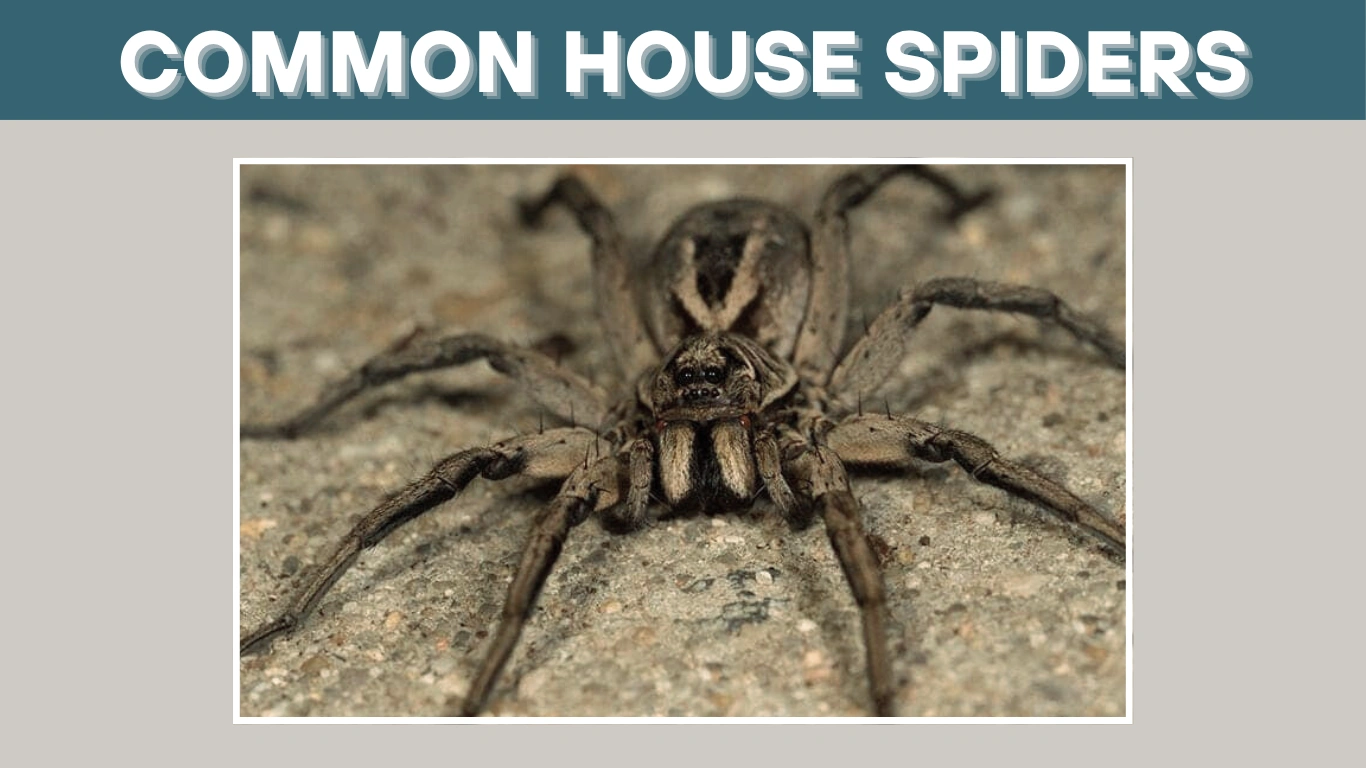
House spiders are quiet, harmless guests that often go unnoticed—until you spot one in a corner or on the ceiling. But are they dangerous? Do they bite? Should you let them stay? In this guide, we answer 18 of the most common questions about house spiders, from how long they live to why they show up in your home. Learn what they do, how they interact with people, and how to prevent unwanted visits.
1. Basic Information

Common house spiders are often overlooked, yet they play a quiet and helpful role in many homes. Despite their creepy reputation, they are typically harmless and contribute to natural pest control. This section explains what they are, where they live, what they do, and how long they tend to stick around.
What is the most common house spider?

In North America, the most common house spider is the American house spider (Parasteatoda tepidariorum). It belongs to the cobweb spider family and is recognized by its small size, brownish or tan color, and tangled web patterns in corners and ceilings. Other frequently encountered house spiders include:
- Cellar spiders (Pholcidae) – long-legged spiders often mistaken for daddy longlegs
- Jumping spiders (Salticidae) – compact and curious, often found on windowsills
- Wolf spiders (Lycosidae) – occasionally found indoors, but prefer the outdoors
Each region may have different dominant species, but these are the most widely seen in residential settings.
Where do house spiders live?

House spiders prefer quiet, undisturbed spaces. Indoors, they typically set up webs in places like:
- Ceilings and upper corners of rooms
- Behind or under furniture
- Inside closets or storage areas
- Around window and door frames
- Basements, attics, and garages
They gravitate toward places with little foot traffic, low light, and a stable supply of small insects. Outdoors, they may live under eaves, in sheds, or around porch lights where prey is attracted.
What do house spiders do?
House spiders are insect predators. They build webs to trap prey such as:
- Mosquitoes
- Flies
- Ants
- Moths
- Small beetles
They wait patiently in or near the web, then quickly immobilize prey using venom and silk. In addition to pest control, they rarely move unless disturbed, making them low-maintenance and beneficial home guests.
How long do common house spiders live?
The lifespan of house spiders depends on the species and environment. On average:
- Female house spiders live 1 to 2 years
- Males usually live a few months to a year, often dying soon after mating
In indoor environments where conditions are stable and predators are few, they tend to live longer than they would outdoors. Regular access to food and a safe hiding place can extend their survival.
2. Behavior and Presence
House spiders are usually peaceful cohabitants that prefer solitude and avoid interaction. Their presence indoors is typically tied to food availability and shelter rather than aggression or danger. This section explains why they enter homes, where they come from, and how adaptable they are.
Why do spiders live in houses?
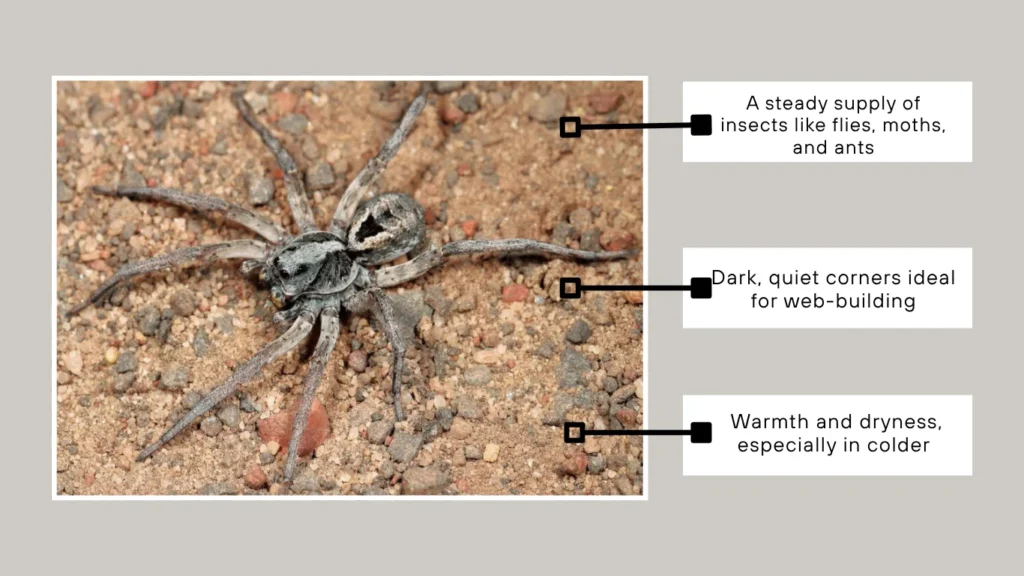
Spiders don’t enter homes to seek out people—they come looking for food, shelter, and stable conditions. Your house provides:
- A steady supply of insects like flies, moths, and ants
- Dark, quiet corners ideal for web-building
- Warmth and dryness, especially in colder or rainy seasons
Once inside, they settle in and rarely leave unless disturbed or starved.
Why do spiders come in the house?

Spiders usually wander inside through cracks, gaps, or open doors. They’re especially likely to enter:
- During seasonal changes, like fall or heavy rains
- When attracted by insects near lights and windows
- While following prey trails or web-building opportunities
In some cases, they’re unintentionally brought in on boxes, firewood, or furniture.
What causes spiders in homes?
Several factors can increase spider presence indoors:
- Insects (their food source) are abundant
- Windows and doors are left open or unsealed
- Cluttered spaces provide plenty of hiding spots
- Basements, attics, or storage rooms are dark and rarely cleaned
Spiders don’t infest homes in large numbers but tend to congregate where food and shelter are easy to find.
Can house spiders survive outside?
Yes, but not all house spiders are well-adapted to the outdoors. Many common house spiders are domesticated species that thrive indoors and may struggle with temperature swings or predators outside. However, some can survive outdoors if conditions are right, especially in garages, sheds, or porches.
In general, house spiders prefer the indoors due to the constant food supply and fewer environmental threats.
3. Human Interaction

Despite their creepy appearance, most house spiders are completely harmless to people. This section addresses their relationship with humans—whether they’re dangerous, friendly, or something to worry about at all.
Are common house spiders dangerous?
No, common house spiders are not dangerous. Their venom is too weak to harm humans, and they rarely bite unless provoked or trapped. Even then, bites are extremely rare and usually result in nothing more than mild redness or itching.
Are common house spiders venomous?
Technically, yes—all spiders are venomous, including house spiders. They use venom to subdue their prey. However, the venom of house spiders is not toxic to humans and poses no medical threat. They are not considered a health risk in any way.
Do common house spiders bite?
They can, but they rarely do. A house spider may bite if it feels trapped, like inside clothing or between bed sheets, but this is uncommon. Most house spiders prefer to stay hidden and avoid direct contact with people entirely.
Are house spiders harmless?
Yes, house spiders are completely harmless to humans. They don’t carry diseases, don’t damage structures, and usually go unnoticed. In fact, many people never realize they’re sharing space with several of them at once.
Are house spiders friendly?
Not exactly. Spiders don’t have social behavior like dogs or cats. However, they are non-aggressive and keep to themselves. If left alone, they won’t bother you and will quietly help reduce indoor pests.
House spiders are best described as harmless, neutral roommates—they’re not friendly in the emotional sense, but they’re not hostile either.
4. Benefits and Perception

While many people fear spiders, house spiders can actually be beneficial guests. This section looks at their role in home ecosystems and whether it’s worth keeping them around.
Are house spiders good?
Yes, house spiders are good to have around—at least from a pest control perspective. They help reduce the number of:
- Flies
- Ants
- Mosquitoes
- Moths
- Other small bugs
Their presence often means your home is part of a healthy, insect-balanced environment. Unlike chemical sprays, spiders are a natural pest management solution that works quietly and efficiently.
Should I keep spiders in my house?
If you’re not bothered by them, it’s okay to let them stay. They rarely cause harm, don’t reproduce rapidly indoors, and reduce insect populations. However, if you’re uncomfortable with them or have allergies, it’s fine to remove them gently.
If you choose to remove a spider:
- Relocate it outdoors rather than killing it
- Seal entry points to prevent re-entry
- Reduce indoor lighting that attracts prey insects
In general, a single house spider in the corner is doing more good than harm, and you may not need to get rid of it at all.
5. Prevention

While house spiders are mostly harmless, not everyone wants to share their home with them. This section offers practical tips to reduce or prevent their presence without using harsh chemicals.
How to avoid spiders in the house?
To minimize spider activity indoors, focus on eliminating their entry points and reducing food sources. Here are effective prevention steps:
- Seal cracks and gaps around doors, windows, and foundations
- Install or repair window screens and door sweeps
- Turn off unnecessary lights at night, especially near windows (they attract insects, which attract spiders)
- Declutter storage areas like basements, closets, and attics
- Vacuum regularly, especially corners, behind furniture, and ceilings
- Store items in sealed plastic bins rather than cardboard boxes
- Use natural repellents like vinegar spray, peppermint oil, or citrus oil around baseboards and corners
By reducing both hiding spots and insect activity, you create an environment that’s much less attractive to spiders. Prevention is especially helpful in late summer and fall when spiders tend to wander indoors.