

In my garden last summer, I noticed something peculiar—a tiny white spider sitting boldly on a bright yellow daisy. It blended so perfectly that I nearly missed it altogether. That spider was Misumena vatia, also known as the goldenrod crab spider, a fascinating creature with an incredible ability to change its color to match the flower it hunts on.
This spider doesn’t build webs. Instead, it waits silently, camouflaged among petals, ready to snatch unsuspecting insects. Over the years, it has become one of the most searched and photographed spiders due to its unique behavior and vibrant appearance. But is it poisonous? Dangerous? Or just misunderstood?
Let’s explore everything you need to know about this master of disguise.
What Is Misumena vatia?
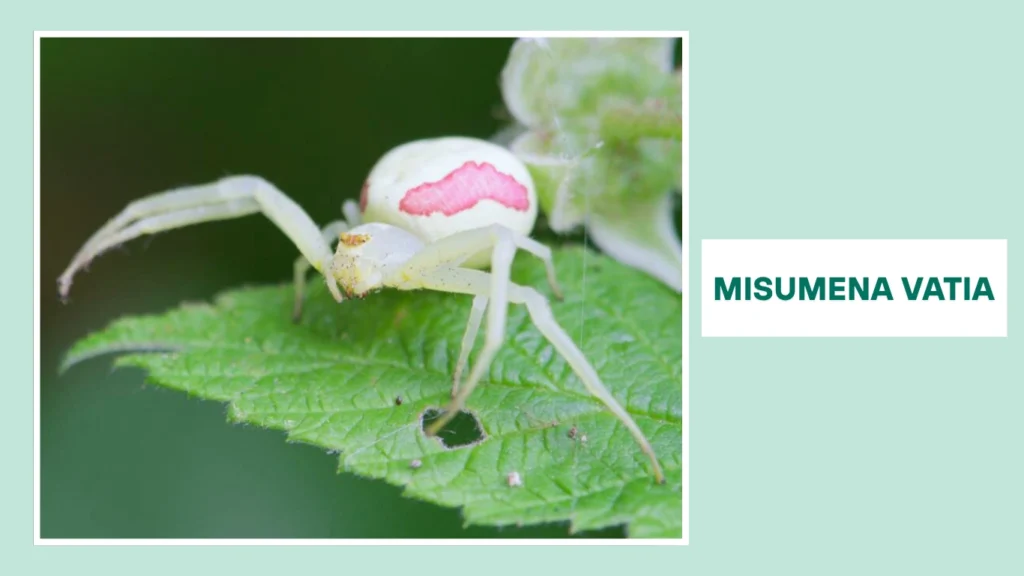
Misumena vatia is a species of crab spider belonging to the Thomisidae family. Its most recognizable feature is its sideways, crab-like posture and movement, which gives it its common name. But what truly makes it stand out is its ability to change color between white and yellow, depending on the flower it rests on.
Unlike most spiders, it doesn’t rely on webs to trap prey. Instead, it patiently waits on flowers for pollinators like bees and butterflies to come close enough, then strikes with lightning-fast precision.
Color-Changing Camouflage
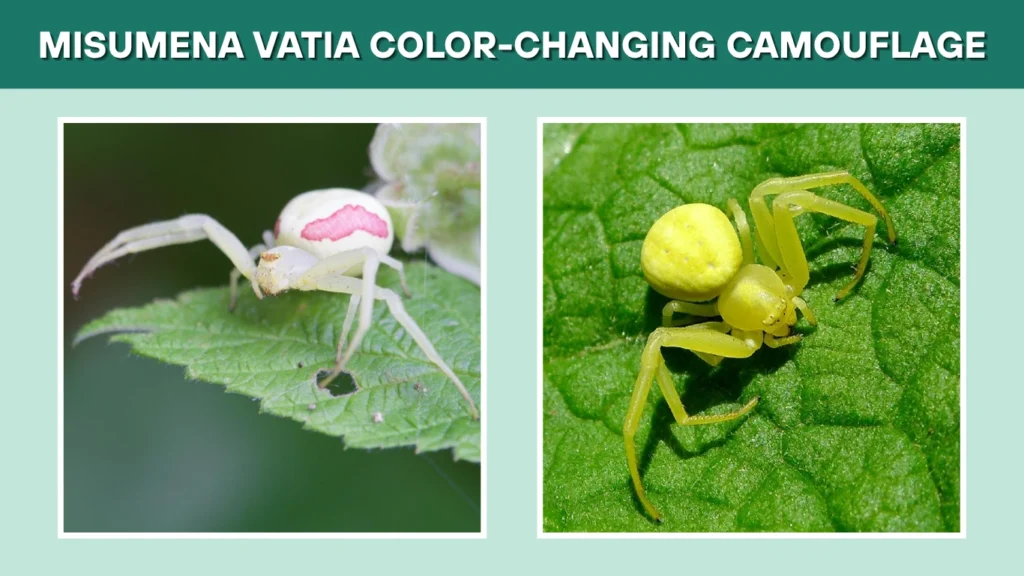
One of the most astonishing traits of Misumena vatia is its ability to change color—a feature not commonly seen in spiders. The process is slow and deliberate. If the spider moves from a white daisy to a yellow goldenrod, it can take anywhere from a few days up to a week to fully adapt. This change is controlled by pigments that are redistributed within its outer layer.
It’s important to note that this ability is mostly limited to female spiders. Males don’t exhibit the same level of color transformation and are generally darker in appearance. The color change helps the spider remain undetected both by prey and predators.
How to Identify Misumena vatia
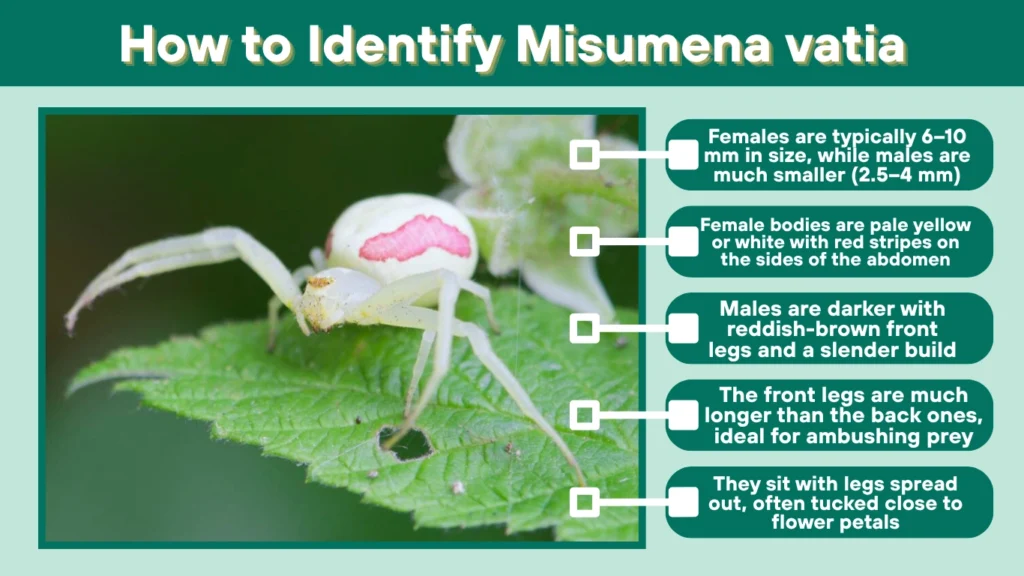
Here are the key identification traits that can help you spot a goldenrod crab spider:
- Females are typically 6–10 mm in size, while males are much smaller (2.5–4 mm)
- Female bodies are pale yellow or white with red stripes on the sides of the abdomen
- Males are darker with reddish-brown front legs and a slender build
- The front legs are much longer than the back ones, ideal for ambushing prey
- They sit with legs spread out, often tucked close to flower petals
Where Do They Live?
Misumena vatia has a wide geographic range. It is native to North America but can also be found in many parts of Europe. In recent years, sightings have become more frequent in countries like the UK, Ireland, and France. It thrives in open meadows, wildflower patches, and gardens where flowering plants are abundant.
Goldenrod, daisies, sunflowers, and other brightly colored blooms are among its favorite hunting grounds. These spiders are often seasonal, becoming most visible during spring and summer when flowers are in full bloom.
Hunting Style and Behavior
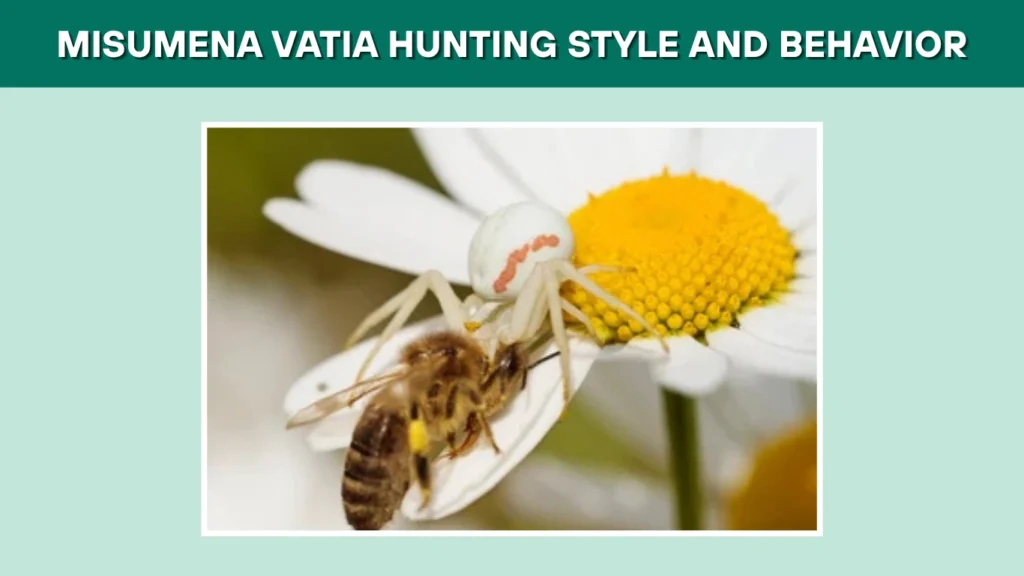
The goldenrod crab spider is an ambush predator. It doesn’t spin webs or chase down its prey. Instead, it uses its camouflage to remain undetected. When an insect lands near or on the flower, the spider strikes, injecting venom that paralyzes the prey almost instantly. Then it feeds.
Its venom is potent for insects but not harmful to humans. The spider uses it to break down internal tissues and feed efficiently. Because it doesn’t spin sticky webs, its silk is mostly used for wrapping eggs or building temporary shelters during molting.
Another interesting behavior is how males find mates. Males actively roam flowers in search of females. When they locate a mature female, they’ll cautiously approach and attempt to mate—often at their own risk since females can be aggressive.
Is Misumena vatia Dangerous or Poisonous?
This is one of the most searched questions online about the goldenrod crab spider. The answer is simple: no, Misumena vatia is not dangerous to humans. Although it is venomous to its insect prey, its bite poses no serious risk to people.
In rare cases, someone might experience minor redness or irritation if bitten, but these instances are extremely uncommon. The spider is non-aggressive and only bites if threatened or handled roughly.
So, while it is technically venomous, it is not poisonous in the context of human interaction.
Male vs Female Differences
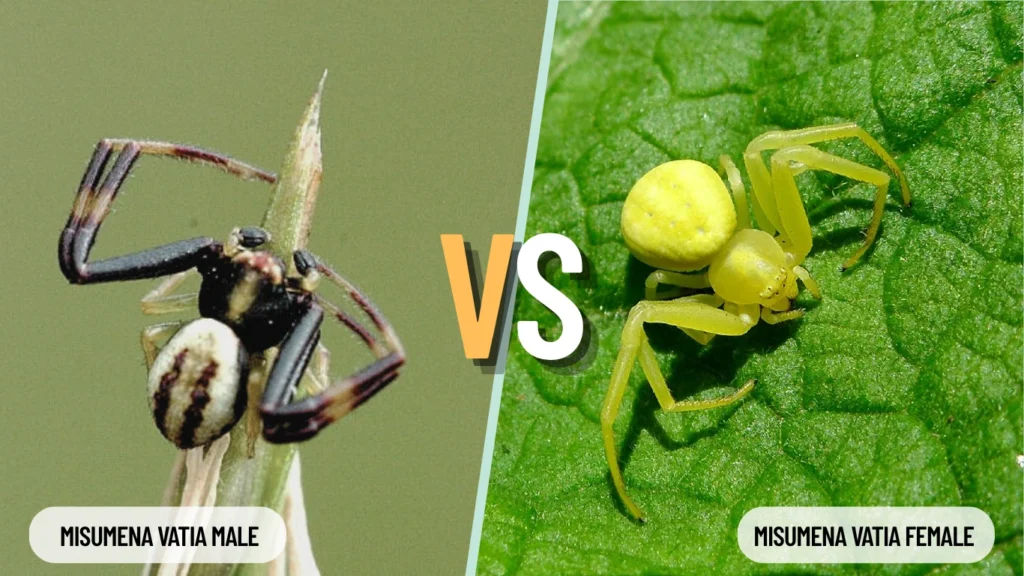
If you ever spot two goldenrod crab spiders side by side, you’ll immediately notice a significant difference in size and coloration. Females are much larger and more colorful. They are the ones commonly photographed on flowers. Males are smaller, darker, and more slender. Their appearance helps them stay mobile and undetected while searching for mates.
Interestingly, while females often stay stationary for long periods, males are far more active, constantly moving from flower to flower. Due to their smaller size, males are rarely seen by casual observers.
| Feature | Female Misumena vatia | Male Misumena vatia |
| Size | Larger (6–10 mm) | Much smaller (2.5–4 mm) |
| Color | White or yellow with possible red side stripes | Darker tones—brown, black, and pale areas |
| Body Shape | Round, bulbous abdomen | Slimmer and elongated |
| Leg Proportion | Front legs long, thick, and powerful | Front legs long but thinner |
| Behavior | Mostly stationary, waits on flowers | Active, roams to search for females |
| Color-Changing Ability | Can change between white and yellow | No color-changing ability |
| Visibility | Commonly spotted on flowers | Rarely seen due to small size and mobility |
Predators and Threats
Despite their camouflage, goldenrod crab spiders are not immune to danger. Their main predators include:
- Birds
- Parasitic wasps
- Larger spiders
Some parasitic wasps even lay eggs in the spider’s body or egg sacs, which can lead to fatal consequences. Changes in environment, excessive pesticide use, and habitat destruction also impact their survival.
Where Are They Commonly Found?
In North America, Misumena vatia is widespread across Canada and the United States, including states like Maryland and New Hampshire. In Europe, they’ve been documented in countries like Ireland, the UK, and France. Their adaptability to gardens and wildflower fields makes them one of the most frequently encountered crab spiders by nature enthusiasts.
In the UK and Ireland, these spiders are becoming more popular subjects for macro photography and wildlife observation, often featured in bug identification guides.
Fascinating Facts About Misumena vatia
This spider has gained attention not just for its unique look but for the interesting role it plays in nature.
- It’s often mistaken for part of the flower until it moves
- The red stripes on females become more visible when they’re sitting on white flowers
- Scientists have studied them to understand non-insect color-changing mechanisms
- They can survive cold winters by remaining dormant in protected spots
What Do They Look Like on Daisies and Goldenrod?
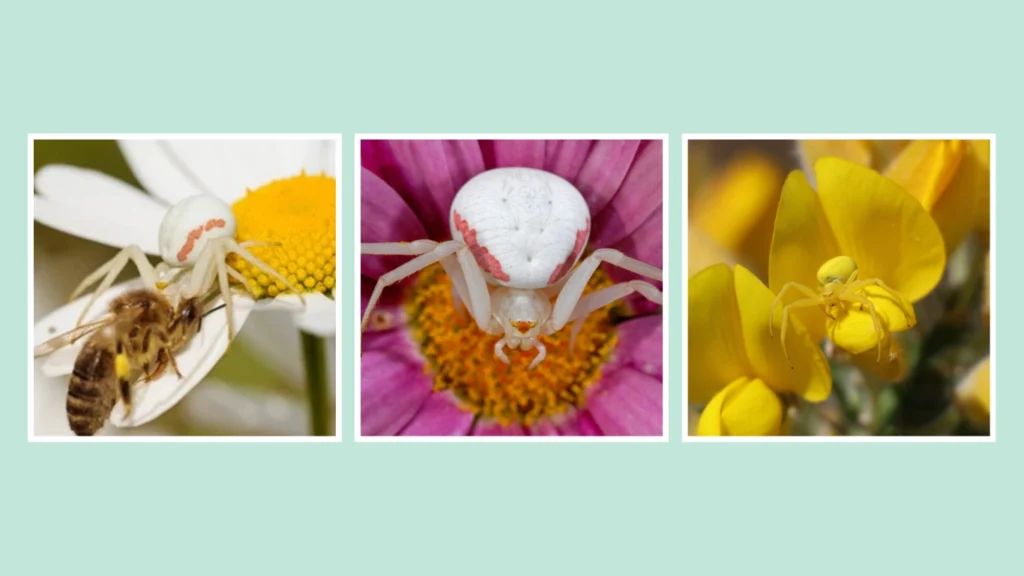
One of the most iconic images of Misumena vatia is its position on a daisy or goldenrod. The spider blends so well with the petals that many pollinators never notice its presence. You may see a white female with two distinct red stripes on a daisy or a pale yellow one nearly invisible on goldenrod.
These spiders position themselves right at the flower’s center, often around the disc where pollinators are most likely to land. This smart positioning maximizes their chances of a successful ambush.
Final Thoughts
Misumena vatia, the goldenrod crab spider, is a marvel of adaptation and survival. Its ability to blend into its environment, hunt without a web, and display vivid color transformations makes it one of the most fascinating spiders found in our gardens and meadows.
Despite the myths, it poses no harm to humans and plays an important role in controlling insect populations. Whether you’re a spider lover or a casual gardener, spotting one of these spiders in action is an unforgettable experience.
