



Cherries come in a wide variety of types—ranging from sweet and tart fruiting varieties to beautiful ornamental trees. Whether you’re looking to grow cherries for fresh eating, baking, or to enjoy their breathtaking spring blossoms, there’s a cherry type for every need. In this guide, you’ll find 25 unique types of cherry and cherry trees, including their names, identifying features, growth habits, and uses. From Bing and Rainier to Yoshino and Kwanzan, explore the diversity of cherries with detailed identification to help you recognize or choose the perfect variety.
1. Bing Cherry

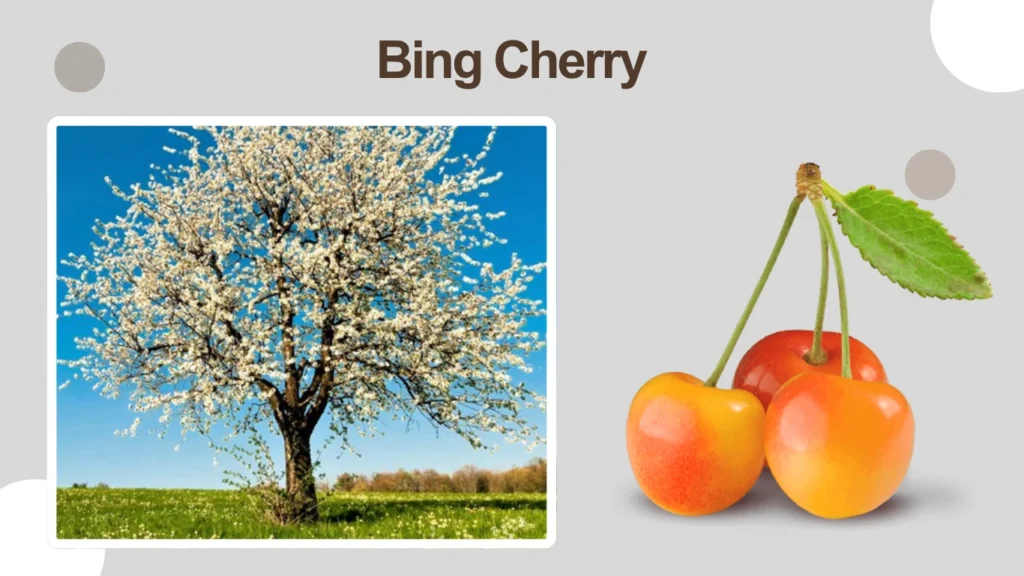
Bing cherry is one of the most popular and widely cultivated sweet cherry varieties in the world. Known for its large, deep red to almost black fruit, it offers a rich, juicy flavor that’s perfect for fresh eating. This variety originates from Oregon, USA, and is a favorite among commercial growers and home gardeners alike.
Identification
- Fruit Color: Dark red to black
- Fruit Shape: Large and heart-shaped
- Tree Size: Medium to large
- Leaves: Oval with serrated edges
- Taste: Sweet, rich, and juicy
- Seed: Large, hard pit in the center
Growth and Seasonality
Bing cherry trees thrive in areas with cold winters and warm summers. They require well-drained soil and full sunlight. The fruit typically ripens from late spring to early summer, around June in most temperate zones.
Uses and Benefits
Primarily eaten fresh, Bing cherries are also great for baking, drying, and canning. They are rich in antioxidants, vitamin C, and melatonin, which supports sleep and inflammation control.
2. Rainier Cherry
Rainier cherries are a premium variety known for their distinctive yellow skin with a red blush and exceptionally sweet flavor. Developed in Washington State, they are prized for their delicate texture and are often considered a luxury cherry.
Identification
- Fruit Color: Yellow with red blush
- Fruit Shape: Medium to large, round
- Tree Size: Medium
- Leaves: Glossy green, oval with serrated edges
- Taste: Very sweet, low acidity
- Seed: Small pit
Growth and Seasonality
Rainier cherry trees grow best in cool to temperate climates with well-drained soil. They are typically harvested from late June to early July, just after Bing cherries.
Uses and Benefits
Best enjoyed fresh due to their tender skin and sweet taste. Rainier cherries are high in antioxidants, vitamin A, and potassium, supporting heart and eye health.
3. Montmorency Cherry
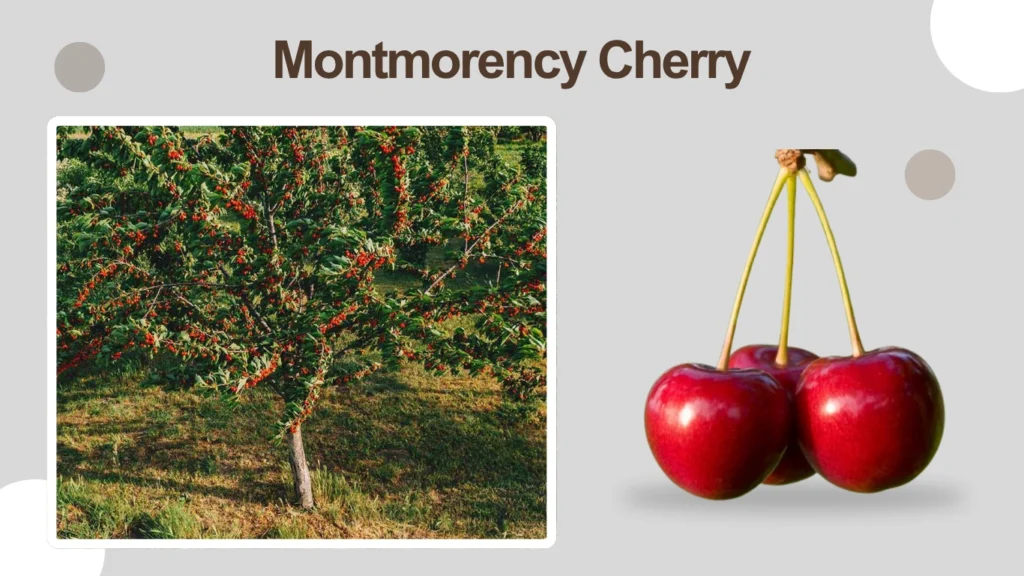
Montmorency cherries are the most widely grown sour cherries in the U.S. Recognized by their bright red color and tart flavor, they are ideal for baking, drying, and juice production.
Identification
- Fruit Color: Bright red
- Fruit Shape: Medium, round
- Tree Size: Medium
- Leaves: Dark green, finely toothed
- Taste: Tart and tangy
- Seed: Medium-sized pit
Growth and Seasonality
These trees prefer cooler climates and are typically harvested in mid to late summer. They are cold-hardy and self-pollinating, making them suitable for home gardens.
Uses and Benefits
Commonly used in pies, preserves, and tart cherry juice. Montmorency cherries are rich in melatonin and anti-inflammatory compounds, making them beneficial for sleep and muscle recovery.
4. Black Tartarian Cherry
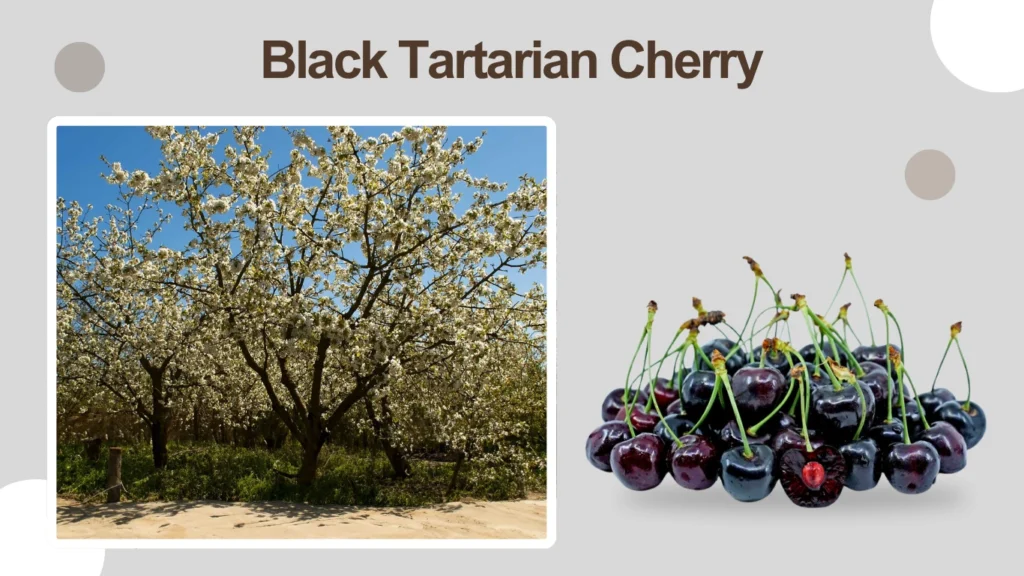
Black Tartarian is an old-fashioned sweet cherry variety known for its deep purple-black skin and rich, sugary flavor. It’s one of the earliest sweet cherry varieties to ripen and is often grown in home orchards.
Identification
- Fruit Color: Dark purple to nearly black
- Fruit Shape: Medium, round
- Tree Size: Large, vigorous growth
- Leaves: Broad, dark green with serrated edges
- Taste: Very sweet and juicy
- Seed: Medium pit
Growth and Seasonality
This variety grows well in mild to warm climates and needs a pollinator nearby. It typically ripens in late spring to early summer, often before Bing cherries.
Uses and Benefits
Best for fresh eating due to its juicy texture. Black Tartarian cherries are rich in anthocyanins and vitamin C, offering antioxidant and anti-inflammatory benefits.
5. Stella Cherry

Stella is a self-fertile sweet cherry variety, making it a great choice for home gardeners. It produces dark red, heart-shaped fruits with a firm texture and a deliciously sweet taste.
Identification
- Fruit Color: Deep red
- Fruit Shape: Large and heart-shaped
- Tree Size: Medium to large
- Leaves: Shiny, dark green with serrated edges
- Taste: Sweet and firm
- Seed: Medium pit
Growth and Seasonality
Stella trees are hardy and adaptable, flowering in mid-spring and producing fruit by early to mid-summer. They are resistant to cracking and are self-pollinating.
Uses and Benefits
Perfect for fresh snacking and desserts. Stella cherries are loaded with vitamins A and C, potassium, and fiber—supporting immune health and digestion.
6. Lapins Cherry
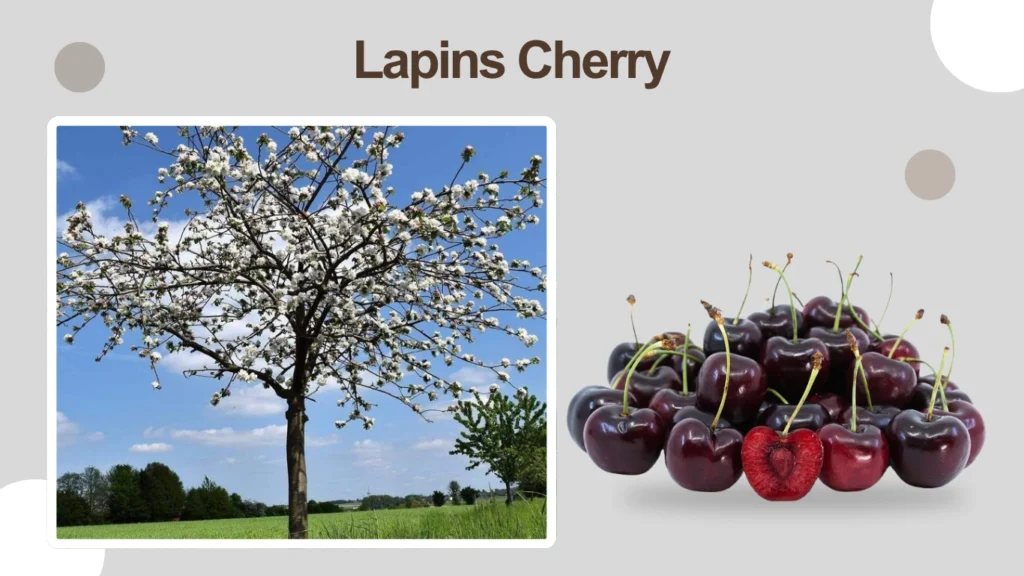
Lapins cherries are a modern, self-fertile variety known for their large size, glossy dark red skin, and sweet, firm flesh. Often referred to as a “superior Bing alternative,” they are widely grown for both home and commercial use.
Identification
- Fruit Color: Dark red to mahogany
- Fruit Shape: Large and round
- Tree Size: Medium
- Leaves: Broad, dark green with fine serration
- Taste: Very sweet and slightly crisp
- Seed: Small to medium pit
Growth and Seasonality
Lapins trees bloom late, helping avoid spring frosts, and produce fruit from mid to late summer. They perform best in full sun and well-drained soil.
Uses and Benefits
Ideal for fresh eating, baking, and preserving. Lapins cherries are rich in antioxidants and vitamin C, helping reduce oxidative stress and boost immunity.
7. Sweetheart Cherry

Sweetheart cherries are a late-season, self-pollinating variety known for their bright red skin, firm texture, and candy-like sweetness. They are a favorite for extending the cherry harvest season.
Identification
- Fruit Color: Bright red
- Fruit Shape: Medium to large, heart-shaped
- Tree Size: Medium to tall
- Leaves: Oval, serrated green leaves
- Taste: Exceptionally sweet with a hint of tartness
- Seed: Medium pit
Growth and Seasonality
Sweetheart trees bloom in spring and produce fruit in late summer, often after most other sweet varieties have finished. They grow well in temperate climates and are self-fertile.
Uses and Benefits
Perfect for eating fresh or using in fruit salads. These cherries are high in fiber, vitamin C, and anthocyanins—great for heart health and digestion.
8. Van Cherry

Van cherries are an early-season sweet variety developed in Canada. They are similar in appearance and flavor to Bing cherries but ripen slightly earlier, making them a great choice for extending the harvest window.
Identification
- Fruit Color: Deep red to black
- Fruit Shape: Medium, round
- Tree Size: Medium to large
- Leaves: Glossy green, serrated edges
- Taste: Sweet and slightly tangy
- Seed: Medium pit
Growth and Seasonality
Van cherry trees bloom in mid-spring and are ready for harvest by early summer. They require cross-pollination and thrive in well-drained soil and full sun.
Uses and Benefits
Excellent for fresh eating and desserts. Van cherries are rich in antioxidants and contain anti-inflammatory compounds that may benefit joint and heart health.
9. Chelan Cherry

Chelan cherries are one of the earliest sweet cherry varieties to ripen, often ready up to two weeks before Bing. They are firm, dark, and flavorful, making them perfect for commercial and home growers alike.
Identification
- Fruit Color: Mahogany red
- Fruit Shape: Round and medium-sized
- Tree Size: Medium
- Leaves: Narrow, glossy green with toothed edges
- Taste: Sweet with a mild tartness
- Seed: Medium pit
Growth and Seasonality
Chelan trees are early bloomers and harvest typically begins in late May or early June. They require a pollinator and perform best in warm, sunny areas.
Uses and Benefits
Great for snacking, baking, and market sales. Chelan cherries are packed with vitamin C and polyphenols, supporting immune function and reducing inflammation.
10. Lambert Cherry
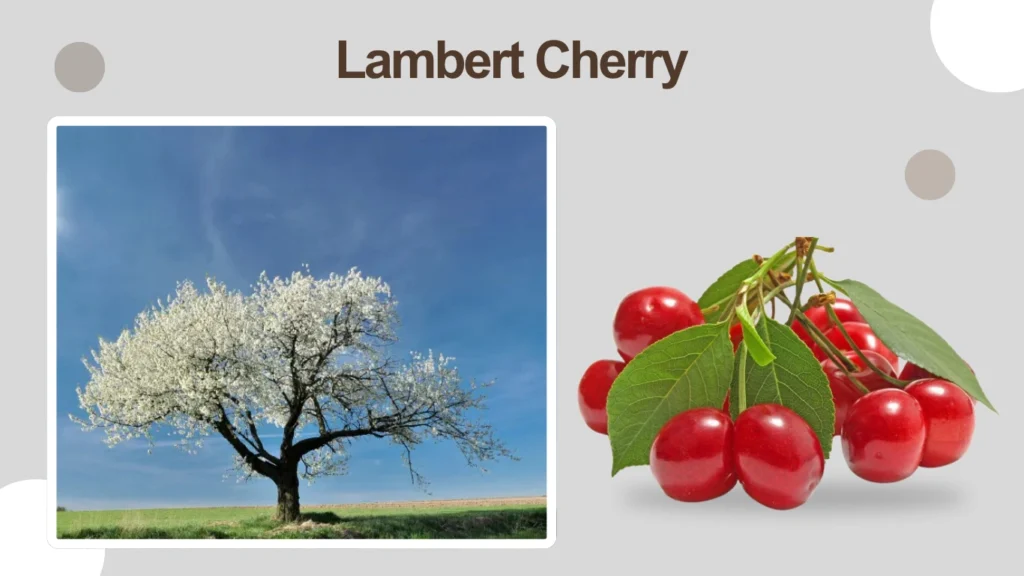
Lambert cherries are a traditional sweet cherry variety known for their rich flavor and deep red, almost maroon skin. They are slightly smaller than Bing cherries but are prized for their firm texture and excellent eating quality.
Identification
- Fruit Color: Dark red to maroon
- Fruit Shape: Small to medium, heart-shaped
- Tree Size: Medium
- Leaves: Broad, deep green with fine serration
- Taste: Sweet, rich, and slightly tangy
- Seed: Medium pit
Growth and Seasonality
Lambert trees bloom in mid-spring and bear fruit from late June to mid-July. They require cross-pollination and do well in areas with cold winters and warm summers.
Uses and Benefits
Perfect for fresh eating and dessert recipes. Lambert cherries are high in vitamin C, potassium, and antioxidants, which may help lower inflammation and support muscle recovery.
11. Skeena Cherry
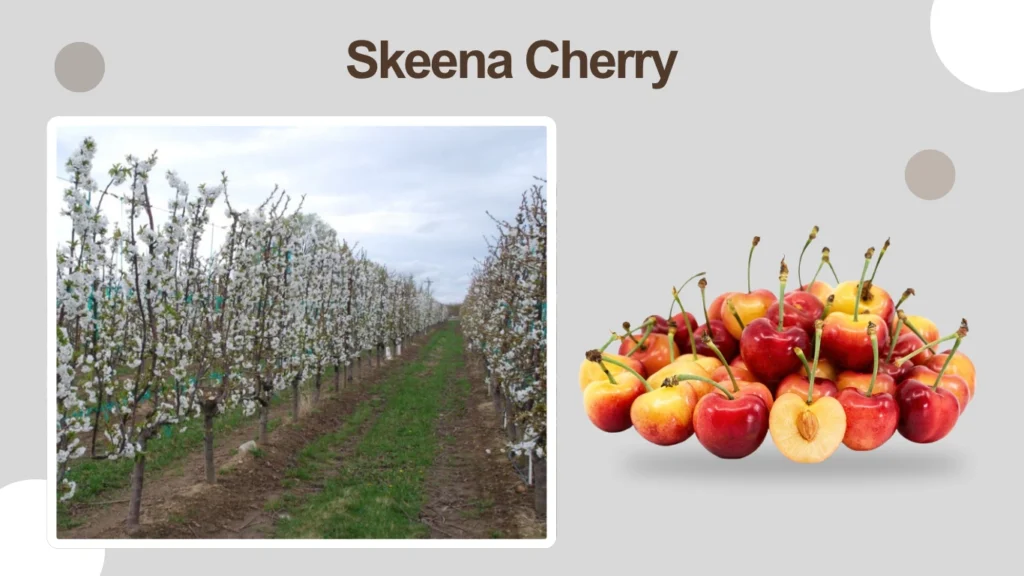
Skeena is a newer sweet cherry variety developed in Canada, known for its large, dark fruit and late-season ripening. It produces firm, juicy cherries with a long shelf life—ideal for shipping and storage.
Identification
- Fruit Color: Very dark red to almost black
- Fruit Shape: Large and round
- Tree Size: Medium to large
- Leaves: Shiny green with fine-toothed edges
- Taste: Sweet and intense
- Seed: Medium pit
Growth and Seasonality
Skeena cherry trees bloom late and are typically harvested in mid to late July. They are self-fertile and suited to regions with warm, dry summers.
Uses and Benefits
Excellent for fresh consumption, canning, and selling in markets. Skeena cherries are packed with flavonoids and dietary fiber, aiding digestion and reducing free radical damage.
12. Utah Giant Cherry

Utah Giant cherries are known for their impressively large size and deep red flesh. This sweet cherry variety is especially popular in western U.S. gardens and is loved for its rich flavor and firm texture.
Identification
- Fruit Color: Dark red
- Fruit Shape: Very large and round
- Tree Size: Medium to large
- Leaves: Dark green, broad with serrated edges
- Taste: Sweet, bold, and juicy
- Seed: Medium pit
Growth and Seasonality
Utah Giant trees bloom in mid-spring and produce fruit in mid to late June. They need a compatible pollinator and prefer sunny, well-drained locations.
Uses and Benefits
Best enjoyed fresh or in desserts. Utah Giant cherries are high in vitamin A, vitamin C, and potassium, supporting eye health and blood pressure control.
13. Royal Ann Cherry

Royal Ann cherries are a light-colored sweet cherry variety, similar to Rainier, with a golden-yellow skin and red blush. They are mild in flavor and traditionally used for making maraschino cherries.
Identification
- Fruit Color: Yellow with red blush
- Fruit Shape: Medium, round
- Tree Size: Medium
- Leaves: Green with soft serration
- Taste: Sweet and light
- Seed: Medium pit
Growth and Seasonality
These trees prefer a temperate climate and bloom in spring, with harvest typically in early summer. They require cross-pollination for best yield.
Uses and Benefits
Popular for fresh snacking and canning, especially maraschino production. Royal Ann cherries are low in acidity and high in natural sugars, with antioxidant and anti-inflammatory properties.
14. Kristin Cherry
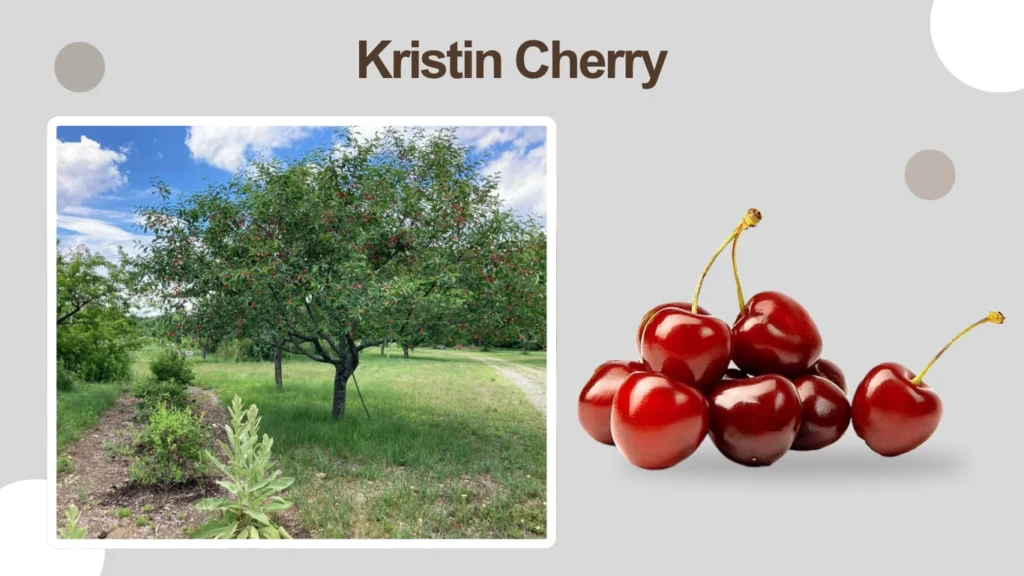
Kristin cherries are a cold-hardy sweet cherry variety developed in New York, ideal for regions with harsh winters. They produce dark, flavorful cherries that are excellent for fresh eating.
Identification
- Fruit Color: Deep purple to black
- Fruit Shape: Medium-sized and round
- Tree Size: Medium
- Leaves: Glossy green with serrated edges
- Taste: Sweet and rich
- Seed: Medium pit
Growth and Seasonality
Kristin cherry trees bloom in mid-spring and are typically harvested in early to mid-July. They require a pollinator and grow well in cooler northern climates.
Uses and Benefits
Great for fresh snacking and baking. These cherries are packed with vitamin C and anthocyanins that help support immunity and reduce oxidative stress.
15. Sam Cherry

Sam cherries are a high-quality sweet cherry variety that originated in Canada. They are similar to Bing but ripen slightly later, offering a firm texture and deep, sweet flavor.
Identification
- Fruit Color: Dark red to black
- Fruit Shape: Medium, round
- Tree Size: Medium to large
- Leaves: Deep green with fine serration
- Taste: Sweet, juicy, and firm
- Seed: Medium pit
Growth and Seasonality
Sam cherry trees bloom in spring and are usually harvested in early to mid-July. They need a pollinator and prefer full sun and well-drained soil.
Uses and Benefits
Excellent for eating fresh, drying, or using in desserts. Rich in antioxidants, fiber, and potassium, Sam cherries help promote heart and digestive health.
16. Emperor Francis Cherry

Emperor Francis cherries are a yellow, sweet variety primarily used for making high-quality maraschino cherries. They’re known for their large, juicy fruits and mild, honey-like flavor.
Identification
- Fruit Color: Bright yellow with red blush
- Fruit Shape: Large and round
- Tree Size: Medium
- Leaves: Light green, finely serrated
- Taste: Sweet and mild
- Seed: Medium pit
Growth and Seasonality
These trees bloom in spring and typically produce fruit in late June to early July. They require cross-pollination and do well in temperate zones.
Uses and Benefits
Often used in maraschino production and dessert recipes. Emperor Francis cherries are rich in natural sugars, low in acidity, and provide vitamin C and antioxidants for skin and immune health.
17. Morello Cherry

Morello cherries are a group of sour cherries known for their deep red flesh and strong tart flavor. They are mainly used in cooking and baking, especially in pies and preserves.
Identification
- Fruit Color: Dark red to almost black (inside and out)
- Fruit Shape: Medium-sized and round
- Tree Size: Medium
- Leaves: Broad, dark green with jagged edges
- Taste: Tart, tangy, and juicy
- Seed: Medium pit
Growth and Seasonality
Morello trees are hardy and thrive in cooler climates. They bloom in spring and ripen from mid to late summer.
Uses and Benefits
Perfect for pies, sauces, and cherry liqueur. Morello cherries are high in melatonin and anthocyanins, which help support better sleep and reduce muscle soreness.
18. Balaton Cherry

Balaton cherries are a Hungarian sour cherry variety introduced to the U.S. for their bold flavor and deep red flesh. They are larger and sweeter than Montmorency, making them versatile for both fresh use and baking.
Identification
- Fruit Color: Dark red inside and out
- Fruit Shape: Large and round
- Tree Size: Medium
- Leaves: Broad, rich green with serrated edges
- Taste: Tart with a hint of sweetness
- Seed: Medium pit
Growth and Seasonality
Balaton cherry trees are cold-hardy and bloom in mid-spring. The fruit ripens in mid to late July, slightly later than other sour varieties.
Uses and Benefits
Excellent for pies, jams, and juice. Balaton cherries are rich in vitamin A, C, and anthocyanins, which help protect against inflammation and cellular damage.
19. Hudson Cherry

Hudson cherries are a late-season sweet cherry variety known for their dense texture and intense, rich flavor. They’re less common commercially but favored in home orchards for their quality and resistance to cracking.
Identification
- Fruit Color: Deep red to mahogany
- Fruit Shape: Medium to large, heart-shaped
- Tree Size: Medium
- Leaves: Medium green with sharply toothed edges
- Taste: Very sweet and firm
- Seed: Medium pit
Growth and Seasonality
Hudson trees bloom in late spring and are harvested in late July to early August. They require a pollinator and do best in full sun.
Uses and Benefits
Great for fresh eating and long-term storage. Hudson cherries are high in fiber and natural sugars, promoting digestive and energy health.
20. North Star Cherry

North Star is a dwarf sour cherry variety developed in Minnesota, ideal for small gardens and colder climates. It’s self-pollinating and produces abundant tart, red cherries perfect for pies and preserves.
Identification
- Fruit Color: Bright to deep red
- Fruit Shape: Small to medium, round
- Tree Size: Small (dwarf, 8–10 feet tall)
- Leaves: Dark green with jagged edges
- Taste: Tart and juicy
- Seed: Medium pit
Growth and Seasonality
North Star trees bloom in mid-spring and bear fruit by early to mid-summer. They are cold-hardy and resistant to common cherry diseases.
Uses and Benefits
Ideal for baking, juicing, and freezing. These cherries are rich in melatonin and vitamin C, supporting restful sleep and immune function.
21. Napoleon Cherry

Napoleon cherries, also known as Napoleon Bigarreau, are a traditional sweet variety featuring large, yellow fruits with red blush. They are firm, juicy, and excellent for both fresh eating and canning.
Identification
- Fruit Color: Yellow with red blush
- Fruit Shape: Large and heart-shaped
- Tree Size: Medium to large
- Leaves: Light green and finely serrated
- Taste: Sweet and mild
- Seed: Medium pit
Growth and Seasonality
These trees bloom in spring and produce fruit in early to mid-summer. They require cross-pollination and grow best in temperate climates.
Uses and Benefits
Often used for fresh snacking, preserves, and maraschino cherries. Napoleon cherries provide dietary fiber, antioxidants, and vitamin A, supporting digestion and vision health.
22. English Morello Cherry

English Morello is a classic sour cherry variety known for its dark skin, red flesh, and intensely tart flavor. It’s ideal for baking and is one of the best choices for cherry liqueurs and preserves.
Identification
- Fruit Color: Deep red to nearly black
- Fruit Shape: Medium and round
- Tree Size: Medium
- Leaves: Dark green with finely serrated edges
- Taste: Very tart and juicy
- Seed: Medium pit
Growth and Seasonality
English Morello trees are self-pollinating and grow well in cooler climates. They bloom in late spring and are harvested in mid to late summer.
Uses and Benefits
Perfect for pies, jams, syrups, and brandied cherries. These cherries are high in melatonin, antioxidants, and vitamin C, promoting better sleep and reducing inflammation.
23. Nanking Cherry

Nanking cherry is a cold-hardy, bush-type cherry that produces small, bright red fruits with a tart, refreshing flavor. It’s often grown as an ornamental and edible hedge in northern regions.
Identification
- Fruit Color: Bright red
- Fruit Shape: Small and round
- Tree Size: Small shrub (6–10 feet tall)
- Leaves: Narrow, light green with serrated edges
- Taste: Tart and slightly sweet
- Seed: Small pit
Growth and Seasonality
Nanking cherry shrubs bloom in early spring and produce fruit by early to mid-summer. They tolerate extreme cold and are drought-resistant once established.
Uses and Benefits
Used for fresh snacking, syrups, and homemade wines. The fruit is rich in vitamin C and antioxidants, supporting immune function and skin health.
24. Yoshino Cherry

Yoshino cherry is a famous ornamental cherry tree, best known for its spectacular pale pink to white blossoms in early spring. While it produces small, inedible fruit, it’s cherished for its beauty and symbolic value in cherry blossom festivals.
Identification
- Blossom Color: Pale pink to white
- Fruit Color: Small black drupe (not commonly consumed)
- Tree Size: Medium to large (30–40 feet tall)
- Leaves: Bright green, oval, serrated
- Fragrance: Light floral scent
- Bloom Time: Early spring
Growth and Seasonality
Yoshino cherry trees bloom profusely in early spring before the leaves fully emerge. They prefer full sun, well-drained soil, and mild climates.
Uses and Benefits
Primarily ornamental, ideal for landscapes and public gardens. Though not grown for fruit, they provide shade, seasonal beauty, and attract pollinators like bees and butterflies.
25. Kwanzan Cherry
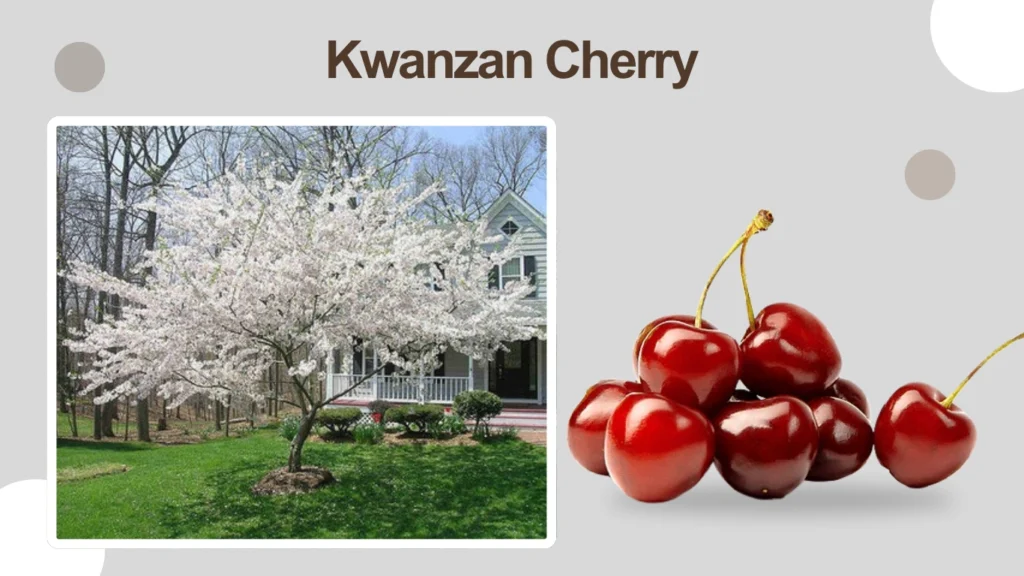
Kwanzan cherry is an ornamental variety admired for its stunning, double-petaled pink blossoms. It does not produce edible fruit but is widely planted for its dramatic floral display in spring.
Identification
- Blossom Color: Bright pink (double blossoms)
- Fruit: Rarely produces fruit; not edible
- Tree Size: Medium (25–30 feet tall)
- Leaves: Bronze when young, turning green, then orange-red in fall
- Fragrance: Mild and floral
- Bloom Time: Mid to late spring
Growth and Seasonality
Kwanzan cherry trees grow well in full sun and well-drained soil. They are more tolerant of urban pollution and bloom after Yoshino, extending the cherry blossom season.
Uses and Benefits
Grown purely for ornamental purposes in parks, avenues, and gardens. They enhance landscape beauty, support local pollinators, and provide seasonal color transitions from spring to fall.