






Mangoes are often called the “king of fruits”—and for good reason. Across the globe, there are hundreds of varieties, each with its own distinct flavor, aroma, color, and texture. From the creamy Alphonso of India to the juicy Kent of Florida and the luxurious Imam Pasand of South India, every variety has something special to offer. In this guide, you’ll explore 25 popular types of mangoes with detailed identification, growth seasons, and health benefits—perfect for fruit lovers, gardeners, or anyone curious about this tropical treasure.
1. Alphonso Mango

Alphonso mango, often referred to as the “King of Mangoes,” is one of the most prized and flavorful mango varieties in the world. Originating from the Ratnagiri region of Maharashtra, India, it is celebrated for its vibrant saffron-colored flesh, rich aroma, and buttery-sweet taste.
Identification
- Color: Bright golden yellow with a reddish blush
- Shape: Oval and medium-sized
- Skin: Smooth and thin
- Seed: Medium-sized, fibrous
- Taste: Intensely sweet, creamy, and aromatic
Growth and Seasonality
Alphonso mangoes thrive in tropical coastal climates and are primarily grown in western India. They are typically harvested from mid-April to June.
Uses and Benefits
Enjoyed fresh or in desserts, Alphonso mangoes are also used in smoothies, ice creams, and traditional Indian sweets. They are high in vitamin A, C, and antioxidants, supporting skin health and boosting immunity.
2. Himsagar Mango

Himsagar mango is a premium variety native to West Bengal and Bangladesh. It’s known for its juicy, fiberless pulp and rich, honey-sweet flavor. Often considered one of the best dessert mangoes, it has a short but highly anticipated season.
Identification
- Color: Bright yellow to golden
- Shape: Oval, slightly flattened
- Skin: Smooth and thin
- Seed: Small and flat
- Taste: Very sweet, rich, and aromatic with no fiber
Growth and Seasonality
Grown mainly in Murshidabad, Malda, and surrounding regions, Himsagar mangoes are harvested from late May to June and have a very short availability window.
Uses and Benefits
Best enjoyed fresh due to its superior flavor. It’s a rich source of vitamins A and C, and its fiberless pulp makes it perfect for juice, shakes, and desserts.
3. Dasheri Mango

Dasheri mango is a popular North Indian variety known for its long shape, strong aroma, and juicy sweetness. It originated in the Dasheri village near Lucknow and is now grown across northern India.
Identification
- Color: Yellow-green when ripe
- Shape: Long and oval
- Skin: Thin and smooth
- Seed: Medium-sized
- Taste: Sweet, aromatic, and slightly tangy
Growth and Seasonality
Dasheri mangoes grow well in the plains of Uttar Pradesh and are harvested from mid-June to July.
Uses and Benefits
They are commonly eaten fresh, used in pickles, or blended into beverages. Rich in vitamin A, beta-carotene, and digestive enzymes, Dasheri mangoes promote healthy skin and digestion.
4. Langra Mango

Langra mango is a unique and beloved variety that originates from Varanasi, India. It is known for its distinct aroma, juicy pulp, and green skin even when fully ripe. The name “Langra” means “lame” in Hindi and is said to be named after a farmer who first grew it.
Identification
- Color: Green even when ripe
- Shape: Oval and slightly flattened
- Skin: Thin and green
- Seed: Slim and flat
- Taste: Sweet, slightly tangy, and very juicy
Growth and Seasonality
Langra mangoes thrive in northern and eastern India. They are harvested from mid-June to July and are highly perishable.
Uses and Benefits
Enjoyed fresh or used in chutneys and drinks. Langra mangoes are high in vitamin C, folate, and antioxidants, supporting immune health and hydration.
5. Kesar Mango

Kesar mango, often called the “Queen of Mangoes,” is known for its bright orange flesh, saffron-like color, and irresistible fragrance. It is a prized variety from Gujarat, India, especially grown in the Girnar hills.
Identification
- Color: Golden-yellow with a hint of red
- Shape: Round to oval
- Skin: Smooth and thin
- Seed: Medium-sized
- Taste: Intensely sweet, slightly tangy, and fragrant
Growth and Seasonality
Kesar mangoes are grown primarily in Gujarat and are harvested from May to early July.
Uses and Benefits
Ideal for desserts, purees, and milkshakes due to its strong flavor and color. It’s packed with vitamin A, C, and potassium, aiding in skin glow and immunity.
6. Tommy Atkins Mango
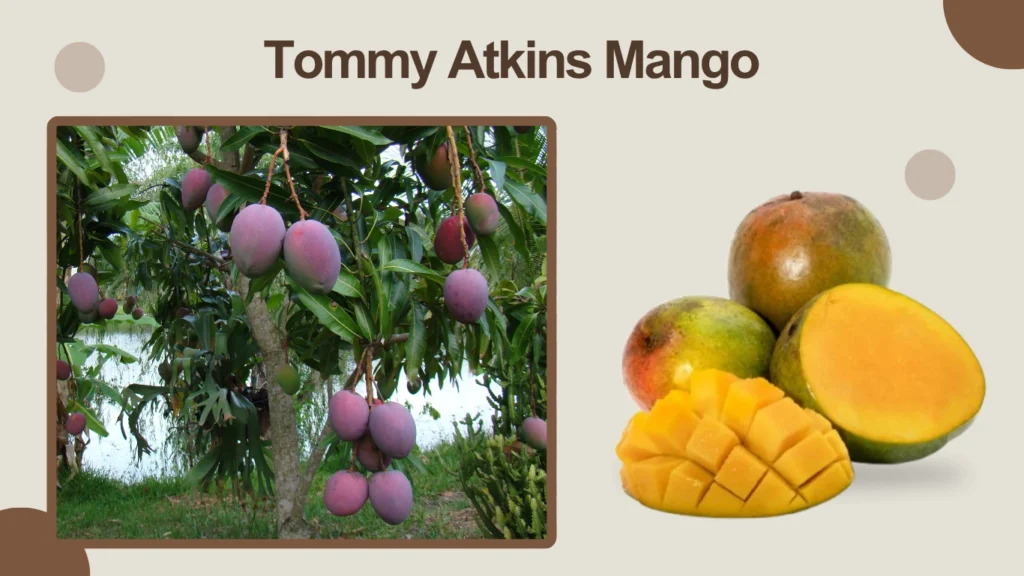
Tommy Atkins is one of the most widely cultivated commercial mango varieties, especially in the United States and Latin America. It’s appreciated for its long shelf life, firm flesh, and beautiful red-green skin, though it has more fiber compared to some other varieties.
Identification
- Color: Red with green and yellow undertones
- Shape: Oval to oblong
- Skin: Thick and firm
- Seed: Medium-sized
- Taste: Mildly sweet with moderate fiber
Growth and Seasonality
Tommy Atkins mangoes thrive in warm tropical and subtropical climates. They are typically harvested from May to July.
Uses and Benefits
Used in salads, smoothies, and for slicing due to its firmness. Rich in dietary fiber, vitamin C, and beta-carotene, it supports digestive and immune health.
7. Kent Mango

Kent mangoes are known for their juicy, tender flesh and minimal fiber. Originally developed in Florida, they are now grown widely in Mexico, Peru, and the U.S. They have a rich, sweet flavor and are ideal for fresh eating.
Identification
- Color: Dark green with a red blush when ripe
- Shape: Oval and plump
- Skin: Thick and smooth
- Seed: Small to medium
- Taste: Sweet, rich, and low in fiber
Growth and Seasonality
Kent mangoes grow in warm, sunny regions and are harvested from June to August in the U.S., and December to February in Latin America.
Uses and Benefits
Great for eating fresh, blending into smoothies, or using in salsas. They are a good source of vitamins A and C and help in boosting energy and hydration.
8. Palmer Mango

Palmer mangoes are a late-season variety known for their large size, elongated shape, and mild, sweet flavor. Developed in Florida, they are now widely grown in Brazil and parts of Africa as well.
Identification
- Color: Dark red to purple blush over green skin
- Shape: Long and oblong
- Skin: Smooth and medium-thick
- Seed: Small
- Taste: Mildly sweet, low fiber, and juicy
Growth and Seasonality
Palmer mangoes are harvested later than most varieties, typically from July to September, making them ideal for extending mango availability.
Uses and Benefits
Ideal for fresh consumption, juices, and desserts. They are high in vitamin C and provide potassium and antioxidants that support hydration and heart health.
9. Keitt Mango

Keitt mango is a late-season, green-skinned mango variety loved for its juicy, sweet flesh and very low fiber content. It’s popular in both the United States and tropical countries, and remains green even when fully ripe.
Identification
- Color: Dark green, may have a pink blush
- Shape: Oval to round
- Skin: Smooth and thick
- Seed: Medium-sized
- Taste: Very sweet, tangy, and almost fiberless
Growth and Seasonality
Keitt mangoes grow in warm regions and are harvested from August to October, often extending the mango season into the fall.
Uses and Benefits
Perfect for slicing, blending, or adding to salads. They are rich in vitamin A, vitamin E, and antioxidants, promoting skin, eye, and immune health.
10. Francis Mango

Francis mango, also known as Haitian mango, is a sweet, tropical variety widely grown in Haiti and other Caribbean nations. It is distinguished by its curved shape, vibrant yellow color, and rich, fruity flavor.
Identification
- Color: Bright yellow with green patches
- Shape: Oblong with a curved, kidney-like form
- Skin: Thick and slightly wrinkled
- Seed: Medium-sized
- Taste: Sweet, rich, with a strong tropical aroma
Growth and Seasonality
Francis mangoes are grown primarily in the Caribbean and are harvested from May to July.
Uses and Benefits
Enjoyed fresh, in smoothies, or in tropical desserts. They are rich in vitamin C, folate, and fiber, aiding in immune health and digestion.
11. Chaunsa Mango

Chaunsa mango is a premium variety from Pakistan and India, prized for its soft, juicy flesh and intensely sweet flavor. It’s considered one of the best-tasting mangoes in the world and is often exported due to its high demand.
Identification
- Color: Golden-yellow when ripe
- Shape: Oval with rounded edges
- Skin: Thin and smooth
- Seed: Small and flat
- Taste: Exceptionally sweet, juicy, and fiberless
Growth and Seasonality
Chaunsa mangoes are cultivated in Punjab and Sindh regions and are harvested from late June to August.
Uses and Benefits
Often consumed fresh or made into mango pulp and drinks. High in vitamin A, antioxidants, and natural sugars, it promotes skin health and energy levels.
12. Badami Mango

Badami mango, often referred to as the “Alphonso of Karnataka,” is a popular South Indian variety known for its sweet flavor and smooth texture. It closely resembles Alphonso in taste but is more affordable and widely accessible.
Identification
- Color: Golden yellow with slight red blush
- Shape: Oval and medium-sized
- Skin: Thin and delicate
- Seed: Medium-sized
- Taste: Sweet, buttery, and mildly tangy
Growth and Seasonality
Badami mangoes are grown mainly in Karnataka and are harvested from April to June.
Uses and Benefits
Perfect for fresh eating, milkshakes, and desserts. They are rich in vitamin A, beta-carotene, and antioxidants, promoting good vision and skin health.
13. Neelum Mango

Neelum mango is a late-season variety loved for its fragrance, small size, and sweet flavor. It is commonly grown in southern parts of India and is well known for its long shelf life and transport durability.
Identification
- Color: Golden yellow when ripe
- Shape: Small, oval, and slightly curved
- Skin: Thin and smooth
- Seed: Small
- Taste: Sweet, aromatic, and fiberless
Growth and Seasonality
Neelum mangoes grow mainly in Andhra Pradesh, Tamil Nadu, and Karnataka, and are harvested from June to August.
Uses and Benefits
Often used for fresh eating and in mango-based desserts. They are high in vitamin C and dietary fiber, supporting immunity and digestive health.
14. Amrapali Mango

Amrapali is a hybrid mango variety developed by crossing Dasheri and Neelum mangoes. It is known for its small size, deep orange flesh, and strong sweetness. Despite having a shorter shelf life, it is popular in home gardens due to its high productivity.
Identification
- Color: Deep green turning yellowish when ripe
- Shape: Small and oval
- Skin: Thin and smooth
- Seed: Small and fibrous
- Taste: Intensely sweet and aromatic
Growth and Seasonality
Amrapali mangoes are grown mainly in northern and eastern India and are harvested from June to July.
Uses and Benefits
Popular for home consumption, juices, and desserts. They are rich in beta-carotene, vitamin C, and antioxidants, supporting skin glow and immune health.
15. Banganapalli Mango

Banganapalli, also known as Benishan, is a famous mango variety from Andhra Pradesh. It’s a large-sized fruit with a smooth, fiberless texture and sweet, pleasant flavor, making it a top choice for export.
Identification
- Color: Bright yellow
- Shape: Long, oblong, and slightly flattened
- Skin: Smooth and thin
- Seed: Medium to large
- Taste: Sweet, fiberless, and mild
Growth and Seasonality
Grown primarily in Andhra Pradesh and Tamil Nadu, Banganapalli mangoes are harvested from April to June.
Uses and Benefits
Ideal for slicing and direct consumption. They provide a good amount of vitamin A and C, aiding in vision, skin health, and immunity.
16. Totapuri Mango

Totapuri mango, also known as Ginimoothi or Bangalora, is a distinct mango variety widely grown in South India. It is easily recognized by its beak-like pointed tip and is commonly used in processed mango products.
Identification
- Color: Green to yellow when ripe
- Shape: Long, oblong with a pointed beak-like tip
- Skin: Thick and leathery
- Seed: Medium-sized
- Taste: Mildly sweet and slightly tangy
Growth and Seasonality
Totapuri mangoes are grown in Karnataka, Tamil Nadu, and Andhra Pradesh, and are harvested from May to July.
Uses and Benefits
Commonly used in pickles, pulp, and juices. It’s a great source of vitamin C and digestive enzymes, promoting gut health and boosting immunity.
17. Mallika Mango

Mallika is a hybrid mango variety developed by crossing Neelum and Dasheri. Known for its excellent flavor and long shelf life, Mallika mangoes are favored for both home gardening and commercial use.
Identification
- Color: Yellow to deep orange when ripe
- Shape: Medium-sized, oblong
- Skin: Thin and smooth
- Seed: Small and fibrous
- Taste: Very sweet with a hint of citrus
Growth and Seasonality
Mallika mangoes are grown in various parts of India and are harvested from June to July.
Uses and Benefits
Popular for eating fresh and making desserts or juices. High in vitamin A, antioxidants, and fiber, they support eye health and digestion.
18. Sindhri Mango

Sindhri mango is a famous variety from Pakistan, particularly from the Sindh region. It’s known for its large size, vibrant yellow color, and exceptionally sweet, fiberless pulp. Often called the “Queen of Mangoes” in Pakistan.
Identification
- Color: Bright yellow when ripe
- Shape: Large, oval to oblong
- Skin: Smooth and thin
- Seed: Medium to large
- Taste: Very sweet, juicy, and fiberless
Growth and Seasonality
Sindhri mangoes are mainly grown in Sindh and are harvested early in the season, from May to early June.
Uses and Benefits
Enjoyed fresh or used in juices and desserts. Rich in vitamins A and C, they promote glowing skin, immunity, and overall energy.
19. Raspuri Mango

Raspuri mango is a popular variety from Karnataka, India. It’s cherished for its juicy pulp, strong aroma, and rich flavor, often considered one of the best mangoes for making fresh juice.
Identification
- Color: Reddish-yellow when ripe
- Shape: Oval and medium-sized
- Skin: Thin and delicate
- Seed: Medium-sized
- Taste: Sweet, tangy, and very juicy
Growth and Seasonality
Raspuri mangoes are cultivated in southern India and are harvested from May to early June.
Uses and Benefits
Perfect for juicing, milkshakes, and eating fresh. They are high in vitamin C and antioxidants, helping boost the immune system and improve digestion.
20. Pairi Mango
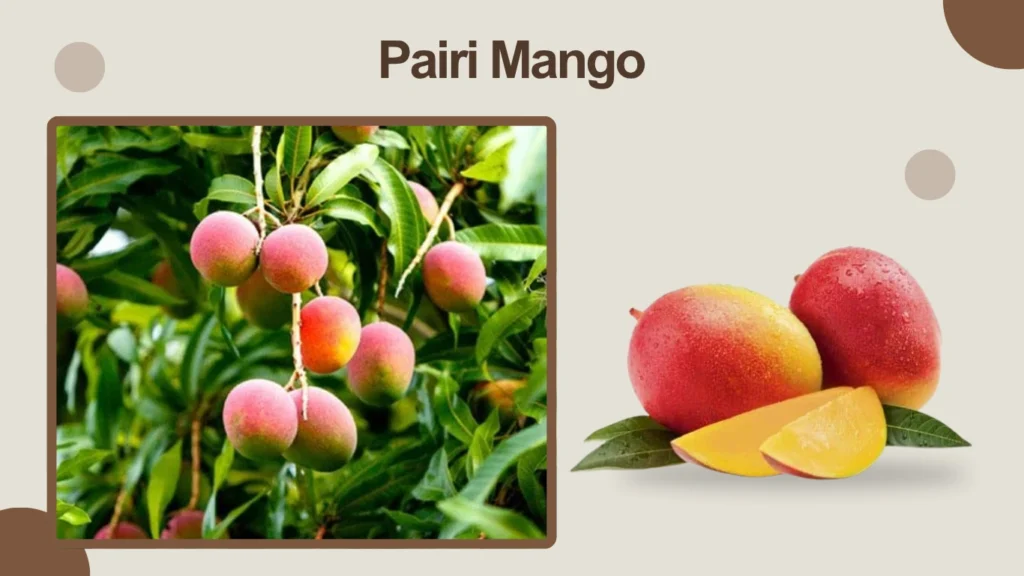
Pairi mango is a traditional Indian variety known for its early ripening and distinct sweet-tart flavor. It has a strong aroma and is often used to make aamras (mango pulp dessert) in western India.
Identification
- Color: Yellow with red or orange blush
- Shape: Oval and slightly curved
- Skin: Medium-thick and smooth
- Seed: Medium-sized
- Taste: Sweet with noticeable tanginess and strong aroma
Growth and Seasonality
Pairi mangoes are grown mainly in Maharashtra and Gujarat and are harvested early, typically in May.
Uses and Benefits
Commonly used in desserts, aamras, and smoothies. Rich in vitamin C and natural sugars, they support immunity and act as a quick energy source.
21. Fazli Mango

Fazli mango is a large-sized mango variety from eastern India and Bangladesh. It’s known for its massive size, firm flesh, and slightly tangy-sweet flavor. It is often used in both ripe and raw forms.
Identification
- Color: Pale green to light yellow when ripe
- Shape: Very large, oblong
- Skin: Smooth and thick
- Seed: Small relative to fruit size
- Taste: Mildly sweet, with a tangy edge and low fiber
Growth and Seasonality
Fazli mangoes are mainly grown in West Bengal and Rajshahi (Bangladesh), harvested in July and August.
Uses and Benefits
Used for fresh eating, pickles, and chutneys. Rich in fiber, vitamin A, and digestive enzymes, they support gut health and hydration.
22. Bombay Green Mango

Bombay Green, also known as Malda in some regions, is an early-season mango variety grown primarily in North India. It is valued for its strong aroma, juicy pulp, and sweet-tart taste.
Identification
- Color: Green, even when ripe
- Shape: Long and oval
- Skin: Thin and smooth
- Seed: Medium-sized
- Taste: Sweet with a tangy undertone and strong aroma
Growth and Seasonality
This variety is cultivated mainly in Uttar Pradesh and Punjab and is harvested from early May to June.
Uses and Benefits
Eaten fresh or used in traditional Indian drinks and chutneys. Rich in vitamin C and antioxidants, it helps boost immunity and promotes digestion.
23. Zill Mango
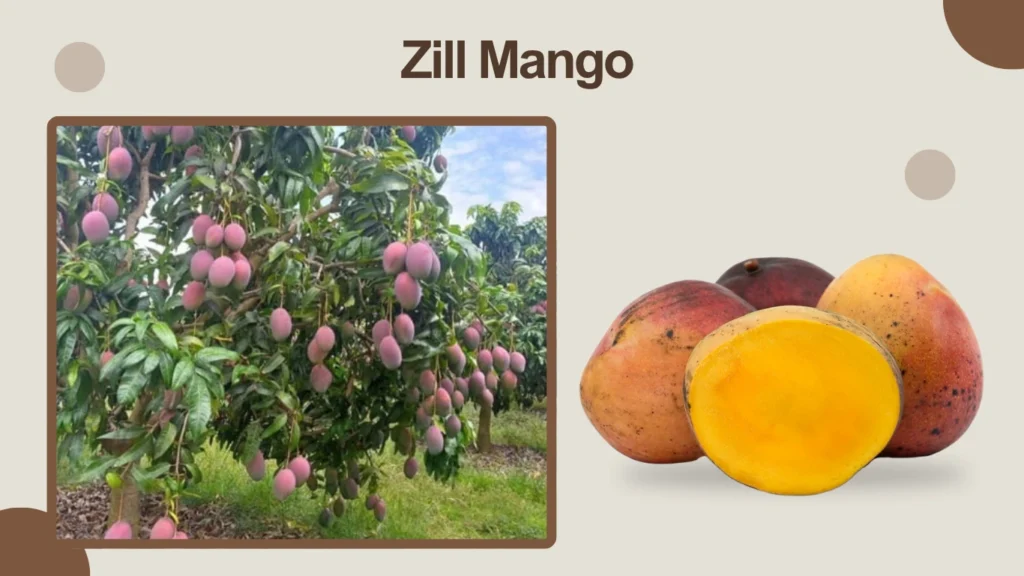
Zill mango is a hybrid mango developed in Florida, known for its sweet flavor, attractive color, and disease resistance. It’s a fiberless variety and has become increasingly popular in international markets.
Identification
- Color: Bright yellow to orange with red blush
- Shape: Oval and symmetrical
- Skin: Smooth and firm
- Seed: Small
- Taste: Very sweet, fiberless, and mildly aromatic
Growth and Seasonality
Zill mangoes thrive in tropical and subtropical climates and are typically harvested from June to July.
Uses and Benefits
Ideal for fresh consumption and smoothies. They are high in vitamin A, beta-carotene, and hydration-friendly nutrients, supporting eye and skin health.
24. Mulgoba Mango

Mulgoba, often called the “Alphonso of the South,” is a premium mango variety from Tamil Nadu. It is known for its rich sweetness, buttery texture, and unique flavor, making it a favorite among mango connoisseurs.
Identification
- Color: Bright yellow with occasional red blush
- Shape: Round to slightly oblong
- Skin: Thick and smooth
- Seed: Medium-sized
- Taste: Intensely sweet, buttery, and aromatic
Growth and Seasonality
Mulgoba mangoes are primarily grown in Tamil Nadu and Karnataka and are harvested from June to July.
Uses and Benefits
Mostly eaten fresh or used in traditional Indian sweets. High in vitamins A and C, they support immunity, eye health, and skin glow.
25. Imam Pasand Mango

Imam Pasand, also known as Himayat or Hamam, is a regal mango variety from South India. It is large, flavorful, and nearly fiberless, with a rich, tropical aroma and creamy pulp.
Identification
- Color: Pale green to yellow when ripe
- Shape: Large, flat, and oval
- Skin: Thin and delicate
- Seed: Small relative to its size
- Taste: Exceptionally sweet, juicy, and aromatic
Growth and Seasonality
Grown mainly in Andhra Pradesh, Tamil Nadu, and Telangana, Imam Pasand mangoes are harvested from May to June.
Uses and Benefits
Highly prized for fresh eating due to its superior taste. It contains high levels of vitamin A, E, and antioxidants, promoting vision, immunity, and skin health.