

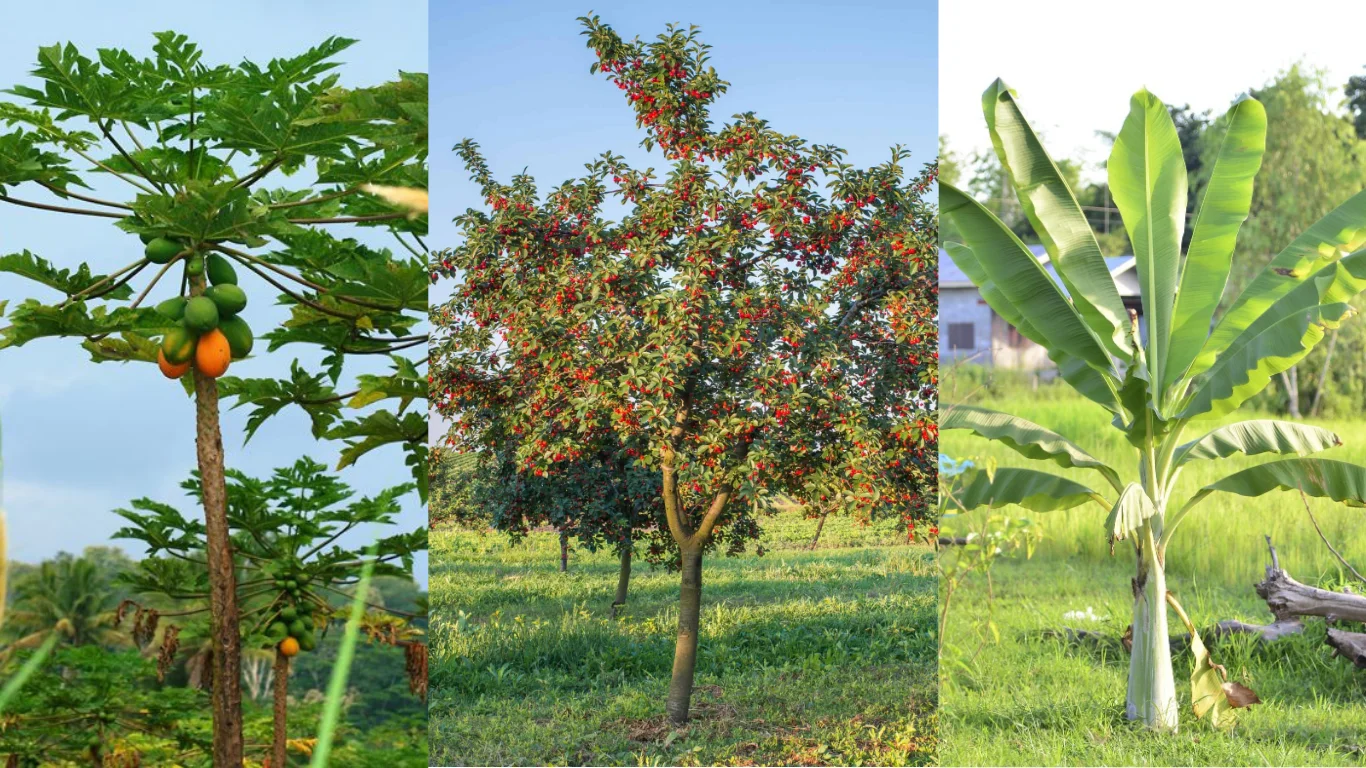
Growing your own fruit trees is a rewarding way to enjoy fresh, flavorful harvests right from your backyard. Whether you have a small garden or a spacious orchard, there’s a wide variety of fruit trees to suit every climate and taste.
In this guide, we’ll explore 35 different types of fruit trees, including how to grow them and when to expect their delicious fruits each season.
1. Apple Tree

The apple tree is one of the most widely cultivated fruit trees in the world. Known for its crisp, sweet, or tangy fruits, it belongs to the Rosaceae family. Apple trees are admired not only for their fruits but also for their beautiful spring blossoms. They grow best in temperate climates and come in many varieties such as Fuji, Gala, and Granny Smith.
How to Grow
To grow an apple tree, choose a sunny location with well-drained soil. Plant young grafted saplings during early spring or late fall. Ensure the tree has proper spacing, usually about 15 to 18 feet apart for standard varieties. Regular pruning, mulching, and watering are essential for healthy growth. Fertilize annually for better fruit production.
Fruit Season
Apple trees typically bloom in spring and bear fruit from late summer through fall, depending on the variety. Harvesting time ranges from August to October.
2. Mango Tree
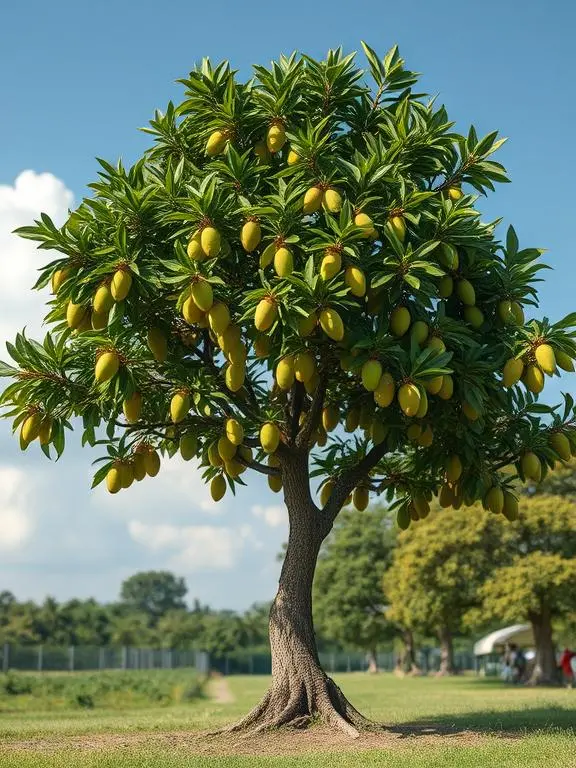
The mango tree is a tropical fruit tree prized for its juicy, aromatic fruits. Native to South Asia, it’s now grown widely in tropical and subtropical regions. Mangoes are known as the “king of fruits” due to their rich flavor, high vitamin content, and cultural importance in many countries.
How to Grow
Plant mango trees in a sunny, open area with well-drained soil. They thrive in warm climates and don’t tolerate frost. Use grafted saplings for quicker fruiting and better-quality mangoes. Water regularly in the first two years, and reduce watering as the tree matures. Prune lightly to maintain shape and airflow.
Fruit Season
Mangoes usually flower in winter to early spring and produce fruit from late spring through summer. The peak season is typically from April to July.
3. Orange Tree

The orange tree is a popular citrus tree known for its sweet, tangy fruits rich in vitamin C. Belonging to the Rutaceae family, this evergreen tree is grown in warm climates and adds both aesthetic and nutritional value to any garden or orchard.
How to Grow
Choose a sunny spot with well-drained, sandy or loamy soil. Plant orange trees in spring or fall. They require moderate watering and should be protected from frost. Feed the tree with citrus-specific fertilizer several times a year. Prune dead or crossing branches annually to promote healthy growth and air circulation.
Fruit Season
Most orange trees begin bearing fruit in late fall through winter, depending on the variety. Navel oranges are often harvested from November to January, while Valencia oranges peak from March to June.
4. Banana Tree

The banana tree is a fast-growing, herbaceous plant that resembles a tree and produces clusters of sweet, soft fruits. It’s a staple in many tropical and subtropical regions. The plant is known for its broad leaves and rapid fruiting cycle, making it a favorite for home gardens.
How to Grow
Bananas need a hot, humid climate and thrive in full sun. Plant them in rich, well-drained soil with good organic content. Space them about 6 to 10 feet apart. Provide consistent moisture and mulch around the base to retain soil moisture. Regular feeding with potassium-rich fertilizer helps boost fruit production.
Fruit Season
Banana trees can bear fruit year-round in warm climates, with most varieties producing bananas 9–12 months after planting. Harvest once the fruit turns plump and light green.
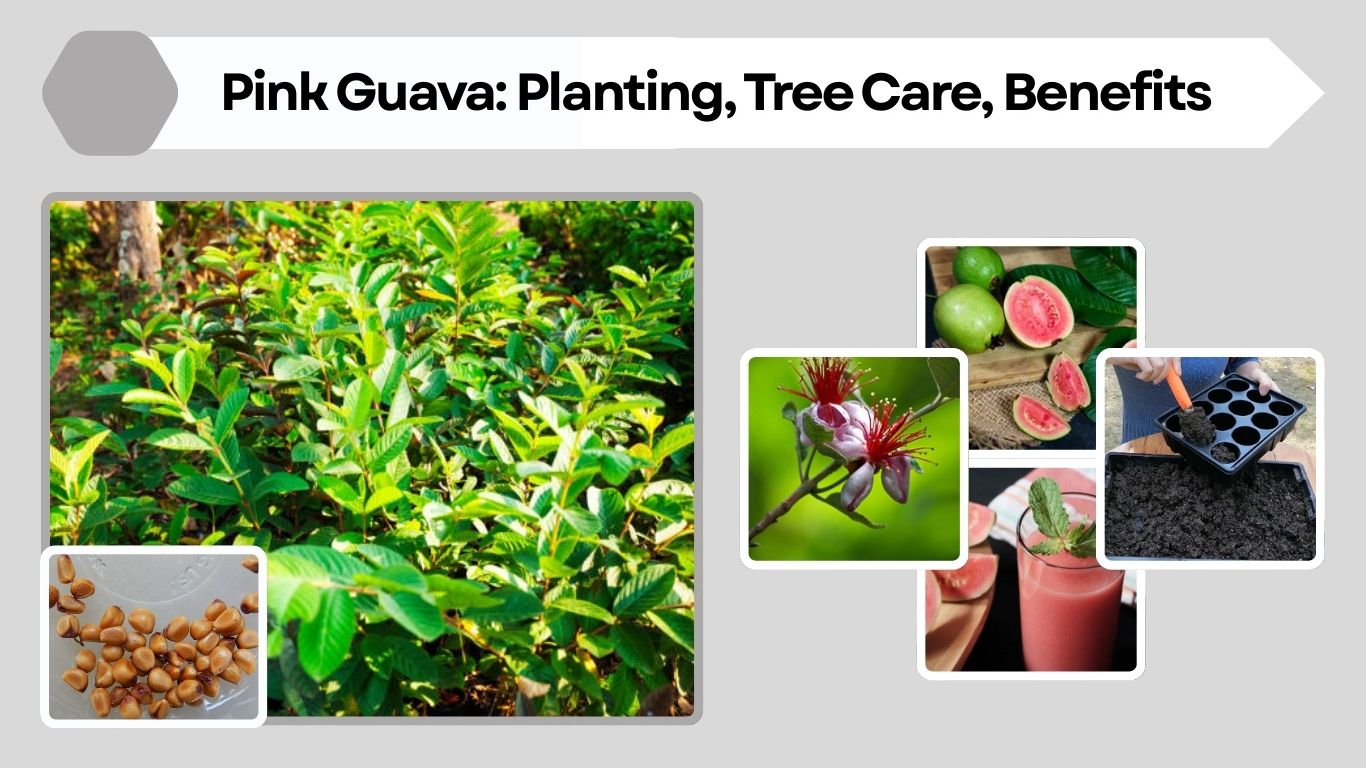
5. Guava Tree
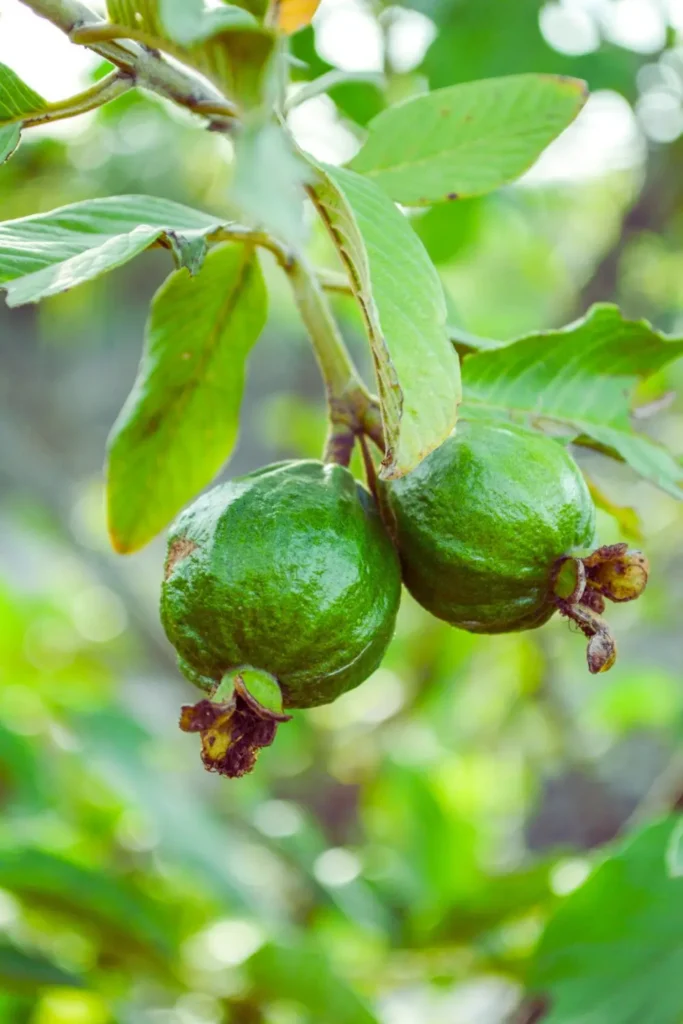
The guava tree is a tropical fruit tree valued for its sweet, fragrant fruits that are packed with vitamin C and dietary fiber. This small, hardy tree can adapt to various climates and is easy to maintain, making it ideal for backyard gardens and small orchards.
How to Grow
Guava trees grow well in full sun and well-drained soil. Plant them during the rainy season or spring. Water regularly during dry periods but avoid waterlogging. Light pruning encourages better branching and fruiting. Guavas are usually propagated through seeds or cuttings, though grafted plants produce better results.
Fruit Season
Guava trees typically flower in spring or early summer and bear fruit from late summer to early winter. In tropical areas, they may fruit twice a year—usually around August and again in November.
6. Papaya Tree

The papaya tree is a fast-growing tropical plant known for its large, sweet, and orange-fleshed fruit. It’s a soft-wooded tree with a single trunk and no branches, making it ideal for small gardens. Papayas are rich in vitamin C, digestive enzymes, and antioxidants.
How to Grow
Papaya trees thrive in full sun and well-drained, fertile soil. They are usually grown from seeds and can start bearing fruit within 6 to 12 months. Space plants 6 to 10 feet apart. Avoid overwatering and protect young trees from strong winds and frost. Regular feeding with balanced fertilizer promotes healthy growth.
Fruit Season
Papayas can produce fruit all year round in tropical climates, with peak seasons typically in late summer and early fall.
7. Lemon Tree

The lemon tree is a popular citrus tree that produces sour, tangy fruits commonly used in cooking, drinks, and home remedies. It’s evergreen, small to medium in size, and has fragrant white flowers. Lemons are high in vitamin C and add freshness to any dish.
How to Grow
Plant lemon trees in sunny spots with well-drained soil. They can be grown in pots or directly in the ground. Water deeply but allow the soil to dry slightly between watering. Use citrus fertilizer regularly, and protect the tree from frost. Prune to remove weak or dead branches.
Fruit Season
Lemon trees may flower and fruit multiple times a year in warm climates, but the main harvest season is usually from late winter to early summer.
8. Litchi Tree

The litchi (or lychee) tree is a slow-growing, evergreen tropical tree that produces small, juicy fruits with a rough pink-red skin and sweet, translucent flesh. It’s highly prized for its refreshing taste and is native to China and Southeast Asia.
How to Grow
Litchi trees grow best in warm, humid climates with rich, well-drained soil. They need full sunlight and plenty of space to grow, as they can become large over time. Plant grafted saplings during the rainy season, water regularly during dry spells, and mulch to conserve moisture.
Fruit Season
Litchi trees bloom in spring and bear fruit in early summer. The harvest season typically falls between May and July, depending on the climate.
9. Jackfruit Tree

The jackfruit tree is a large tropical tree known for producing the world’s largest tree-borne fruit. Its fruits can weigh up to 80 pounds and are packed with sweet, fibrous, and nutritious pulp. The tree is evergreen and offers shade along with food.
How to Grow
Jackfruit trees prefer deep, well-drained, sandy loam soil and full sunlight. They grow best in tropical regions and should be planted in areas protected from strong winds. Water young trees regularly and mulch around the base. Fertilize with organic compost and prune lightly for shape.
Fruit Season
Jackfruit trees usually produce fruit from late spring to early fall, with the peak harvest occurring between June and August.
10. Coconut Tree

The coconut tree is a tall, slender palm tree that produces coconuts—versatile fruits used for water, milk, oil, and meat. It thrives in coastal tropical areas and is often seen swaying in the breeze on sandy beaches.
How to Grow
Coconut trees require sandy, well-drained soil and plenty of sunlight. Plant sprouted nuts or nursery-raised seedlings in open spaces. Water regularly during the initial growth stage, and add organic matter or compost for healthy root development. They grow best near coastlines with high humidity.
Fruit Season
Coconut trees can produce fruit throughout the year, but the peak harvesting times are typically during the hot and rainy seasons, depending on the region.
11. Cherry Tree

The cherry tree is a beautiful deciduous tree that produces small, round, and juicy fruits loved for their sweet or tart flavor. Apart from delicious fruit, cherry trees are admired for their stunning spring blossoms, making them both ornamental and functional.
How to Grow
Cherry trees grow best in well-drained soil and full sun. Choose a location with good air circulation and plant grafted saplings during the dormant season, preferably in early spring or late fall. Keep the soil moist but not soggy, and prune annually to maintain shape and productivity.
Fruit Season
Cherries typically bloom in early spring, with fruits ripening in late spring to early summer. Harvest usually occurs between May and July, depending on the variety and location.
12. Plum Tree

The plum tree is a small to medium-sized deciduous tree that produces sweet, juicy fruits in various colors such as red, purple, and yellow. Plums are not only delicious but also packed with vitamins and antioxidants, making them a healthy treat.
How to Grow
Plum trees prefer full sunlight and fertile, well-drained soil. Plant them in early spring, allowing space for airflow between trees. Water regularly during dry periods, mulch around the base, and prune to improve fruiting and structure. Some varieties need cross-pollination, so planting two types may be required.
Fruit Season
Plum trees usually bear fruit from late spring to mid-summer. Depending on the type, harvesting occurs between May and August.
13. Peach Tree
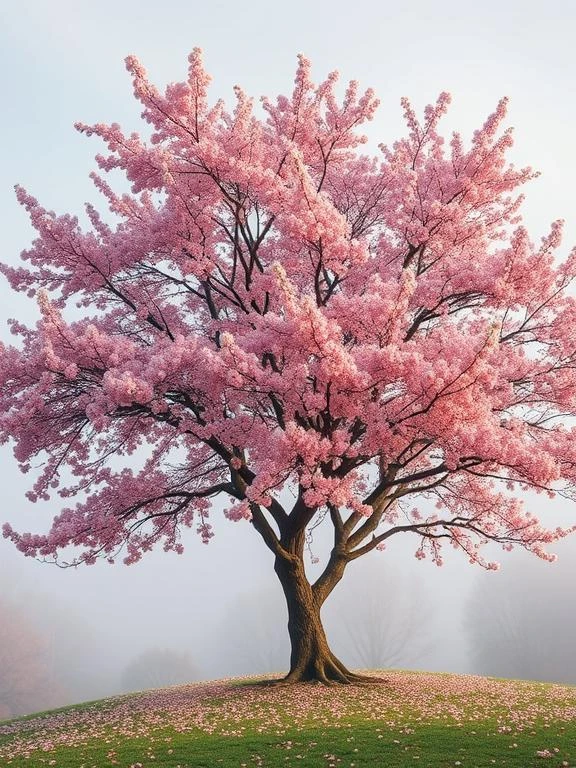
The peach tree is a deciduous tree known for its soft, fuzzy fruits with juicy, sweet flesh. It’s widely grown in warm climates and is cherished for its spring blossoms and delicious harvest. Peaches are rich in vitamins A and C.
How to Grow
Plant peach trees in a sunny location with well-drained sandy soil. Choose a frost-resistant variety suited to your region. Water regularly, especially during dry spells, and prune annually in late winter to maintain shape and boost fruit production. Fertilize in early spring for the best results.
Fruit Season
Peach trees flower in early spring and produce fruit in mid to late summer. Harvest typically takes place between June and August.
14. Pear Tree
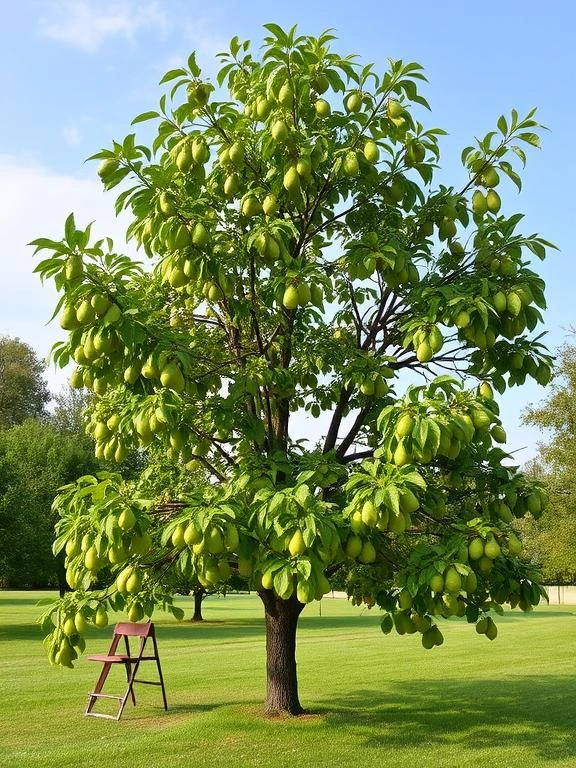
The pear tree is a hardy fruit tree known for its bell-shaped fruits with smooth or slightly gritty texture. Pears are sweet, juicy, and often used fresh, canned, or in desserts. The tree offers attractive spring flowers and a generous harvest in the right conditions.
How to Grow
Pear trees prefer full sun and moist, well-drained soil. Plant bare-root or container-grown trees in spring or fall. Some pear varieties need cross-pollination, so consider planting two compatible types. Regular watering, mulching, and light pruning help maintain healthy growth and fruit yield.
Fruit Season
Pear trees typically flower in spring and bear fruit from late summer through early fall. Harvesting occurs between August and October, depending on the variety.
15. Pomegranate Tree
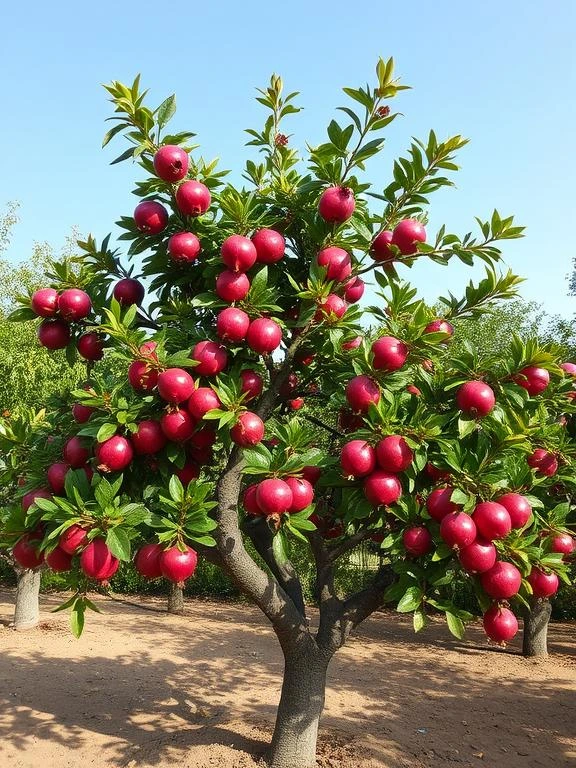
The pomegranate tree is a small, drought-tolerant deciduous or semi-evergreen tree that produces round fruits filled with juicy, ruby-red arils. Pomegranates are rich in antioxidants and have both culinary and medicinal value.
How to Grow
Pomegranate trees grow well in warm, dry climates with full sun. They adapt to many soil types but prefer loamy, well-drained soil. Plant saplings in spring, water regularly until established, and reduce watering later. Prune lightly to shape the tree and encourage airflow.
Fruit Season
Pomegranate trees bloom in late spring to early summer and produce fruit from late summer through fall. Harvest usually occurs between September and November.
16. Fig Tree

The fig tree is a deciduous fruit tree known for its unique, sweet, and chewy fruits. Figs have been cultivated for thousands of years and are valued for their flavor, nutrition, and adaptability to warm climates. The tree also features broad, attractive leaves.
How to Grow
Fig trees prefer full sun and well-drained soil. Plant them in spring or early fall. They can be grown in the ground or in containers. Water moderately and mulch around the base to conserve moisture. Prune lightly in winter to shape the tree and promote fruiting.
Fruit Season
Most fig trees produce fruit in late summer, though some varieties may have two harvests—one in early summer and another in late summer or early fall.
17. Apricot Tree

The apricot tree is a small deciduous tree that produces round, golden-orange fruits with velvety skin and sweet, tangy flesh. Apricots are rich in vitamin A and are commonly eaten fresh, dried, or used in jams and desserts.
How to Grow
Apricot trees thrive in full sun and well-drained, slightly alkaline soil. Plant in early spring in a sheltered location to avoid frost damage. Water regularly, especially in dry periods, and prune after fruiting to encourage airflow and growth. Choose self-pollinating varieties for small gardens.
Fruit Season
Apricot trees flower in early spring and usually produce fruit from late spring to early summer. Harvest typically falls between May and July.
18. Mulberry Tree

The mulberry tree is a fast-growing deciduous tree that produces small, sweet, berry-like fruits. These fruits come in red, black, or white varieties and are loved by birds and people alike. Mulberries are rich in vitamins and antioxidants.
How to Grow
Mulberries grow well in full sun and well-drained soil. Plant them in spring or fall with ample space since they can grow large. Water regularly until established. Prune to maintain shape and improve fruit yield. These trees are low-maintenance and adapt to various climates.
Fruit Season
Mulberries usually ripen in late spring to early summer. Some trees may continue fruiting for several weeks, from May to July depending on the climate and variety.
19. Olive Tree

The olive tree is a long-living, evergreen tree cultivated for its small fruits that are used to make olive oil or eaten cured. Native to the Mediterranean, olive trees symbolize peace and prosperity and are drought-tolerant and resilient.
How to Grow
Olive trees need full sun and well-drained, sandy or rocky soil. Plant them in spring and water young trees regularly until they establish. Mature trees need minimal watering. Prune annually to remove deadwood and improve air circulation. They are ideal for dry, warm climates.
Fruit Season
Olives typically flower in late spring, and fruits are ready for harvest from late summer through early winter, usually between September and November.
20. Almond Tree

The almond tree is a deciduous tree known for its beautiful pink-white blossoms and nutritious nuts, which are technically seeds of the fruit. It thrives in warm, dry climates and is highly valued for both commercial and home garden purposes.
How to Grow
Almond trees need full sunlight and deep, well-drained soil. Plant them in early spring and water consistently during the growing season. Fertilize annually and prune to shape and improve air circulation. Most varieties require a second tree for cross-pollination.
Fruit Season
Almond trees bloom in late winter to early spring, and the nuts are typically harvested in late summer to early fall, around August to October.
21. Walnut Tree

The walnut tree is a large, deciduous tree known for producing nutrient-rich nuts enclosed in hard shells. Apart from providing edible nuts, walnut trees also offer valuable hardwood. They grow best in temperate climates with ample space.
How to Grow
Walnut trees need deep, fertile, and well-drained soil with full sun exposure. Plant saplings in early spring or fall with plenty of space between trees, as they grow large. Water young trees regularly and apply mulch to retain soil moisture. Prune in winter to maintain structure and health.
Fruit Season
Walnut trees produce nuts that mature in late summer to early fall. The harvesting season typically falls between September and November, depending on the region.
22. Avocado Tree

The avocado tree is a tropical to subtropical evergreen tree that produces creamy, nutrient-rich fruits known for their healthy fats. Avocados are widely used in salads, dips, and toast, and the tree adds lush greenery to any landscape.
How to Grow
Avocado trees thrive in full sun and well-drained, loose soil. Plant grafted trees for reliable fruit production. Water regularly during the growing season and mulch to preserve soil moisture. Protect young trees from wind and frost. Some varieties need another tree nearby for pollination.
Fruit Season
Depending on the variety, avocado trees can bear fruit at different times, but most produce from late spring through fall, with peak harvest from August to October.
23. Sapodilla Tree (Chikoo)
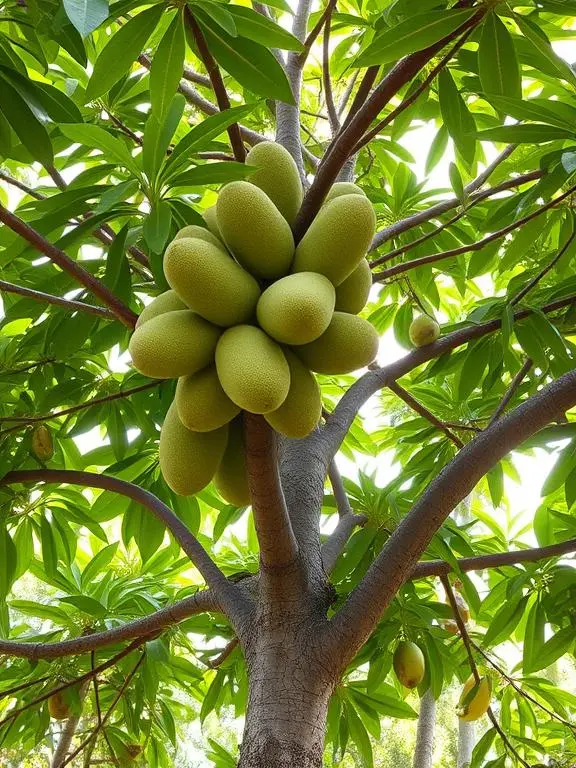
The sapodilla tree, commonly known as chikoo, is a tropical evergreen tree that bears sweet, brown-skinned fruits with a grainy, caramel-like flavor. It is hardy, low-maintenance, and commonly grown in home gardens in warm regions.
How to Grow
Plant sapodilla trees in full sun and well-drained sandy loam soil. They tolerate heat and drought well. Use grafted plants for quicker fruiting. Water regularly during the first few years, and apply organic compost or manure annually. Prune occasionally to maintain size and airflow.
Fruit Season
Sapodilla trees can bear fruit several times a year in tropical areas, but the main harvest usually occurs between February and June.
24. Starfruit Tree (Carambola)

The starfruit tree, or carambola, produces small to medium-sized yellow fruits shaped like stars when cut crosswise. The fruits are crisp, juicy, and slightly tart to sweet, and the tree adds beauty to any tropical or subtropical garden.
How to Grow
Starfruit trees grow best in full sun and moist, well-drained soil. Plant them in a warm, frost-free location and water regularly. Mulch to keep soil moist and use balanced fertilizer during the growing season. Prune lightly to remove dead or crossing branches.
Fruit Season
Starfruit trees can produce two crops per year, with the main fruiting season typically from September to February, depending on the climate.
25. Dragon Fruit Tree (Pitaya)
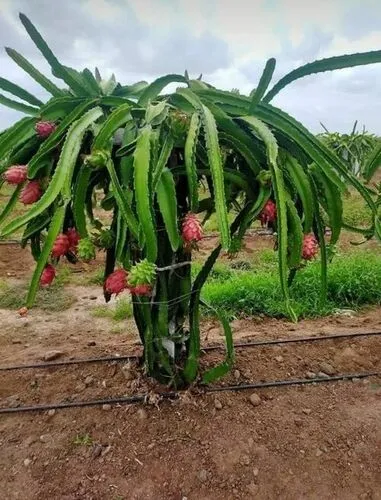
The dragon fruit tree, actually a climbing cactus, produces exotic fruits with bright pink or yellow skin and white or red flesh speckled with tiny black seeds. It’s highly ornamental and popular for its unique look and refreshing taste.
How to Grow
Grow dragon fruit in full sun with well-drained, sandy or loamy soil. Since it climbs, provide a sturdy trellis or post for support. Water moderately, allowing the soil to dry out between waterings. Apply fertilizer during the growing season and prune regularly to control growth.
Fruit Season
Dragon fruit blooms at night in summer and bears fruit in late summer to early fall, usually from July through October.
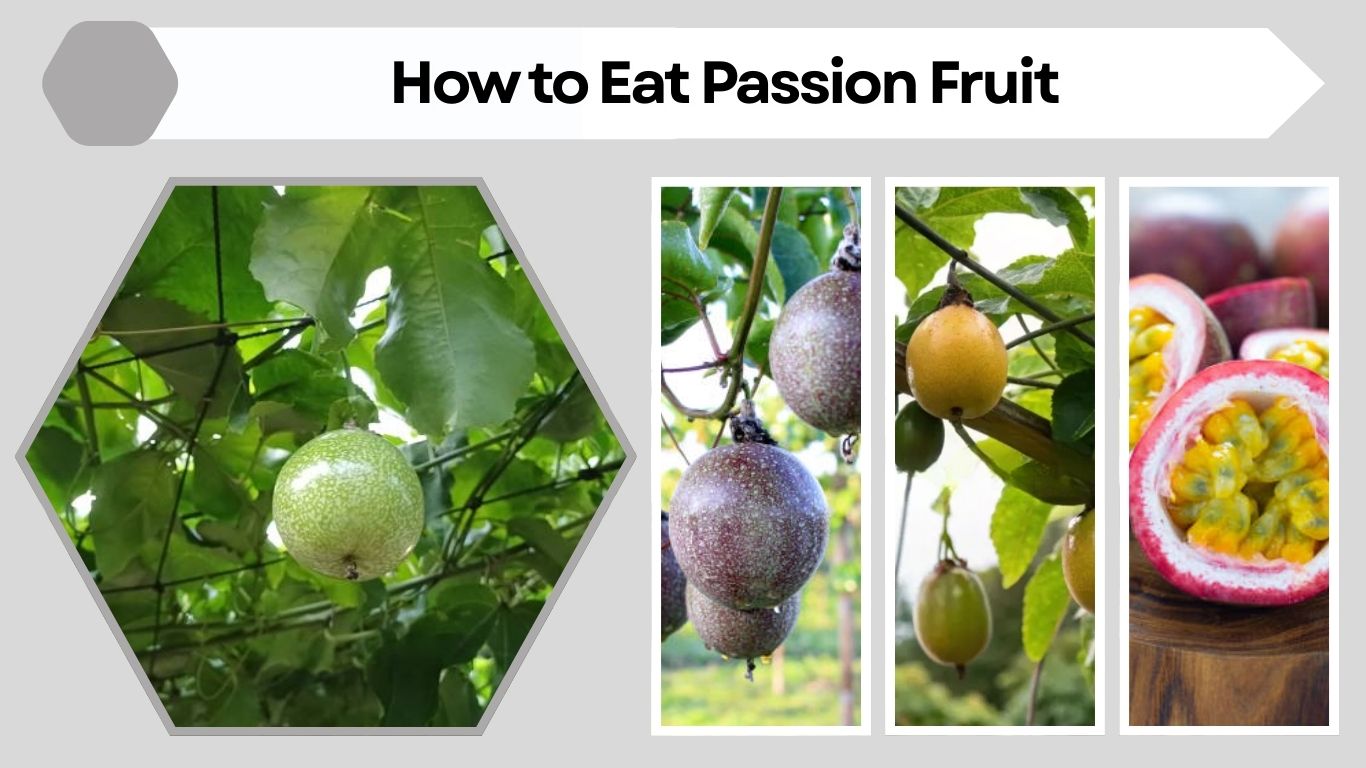
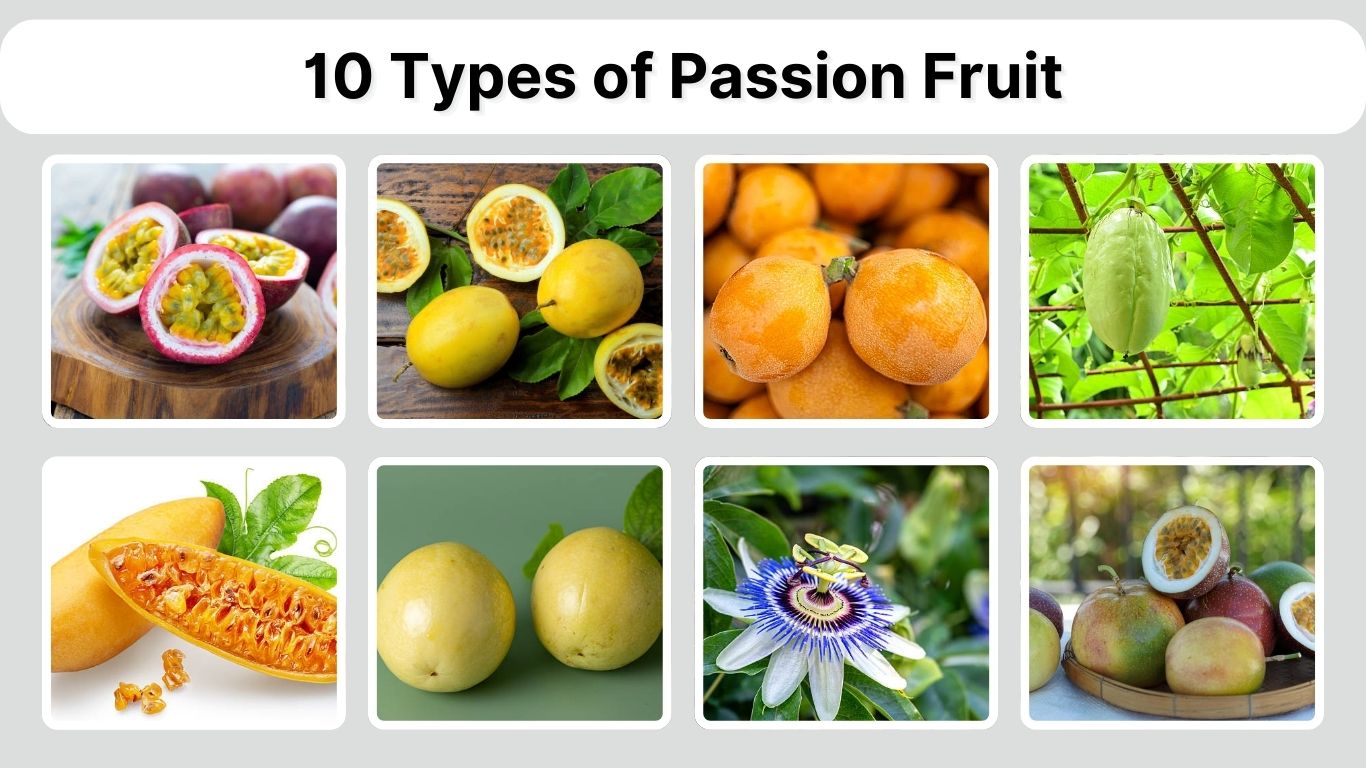
26. Passion Fruit Tree

The passion fruit tree is actually a fast-growing vine that produces round or oval fruits with a tough outer rind and aromatic, juicy pulp inside. Known for its sweet-tart flavor and health benefits, it’s often used in juices, desserts, and sauces.
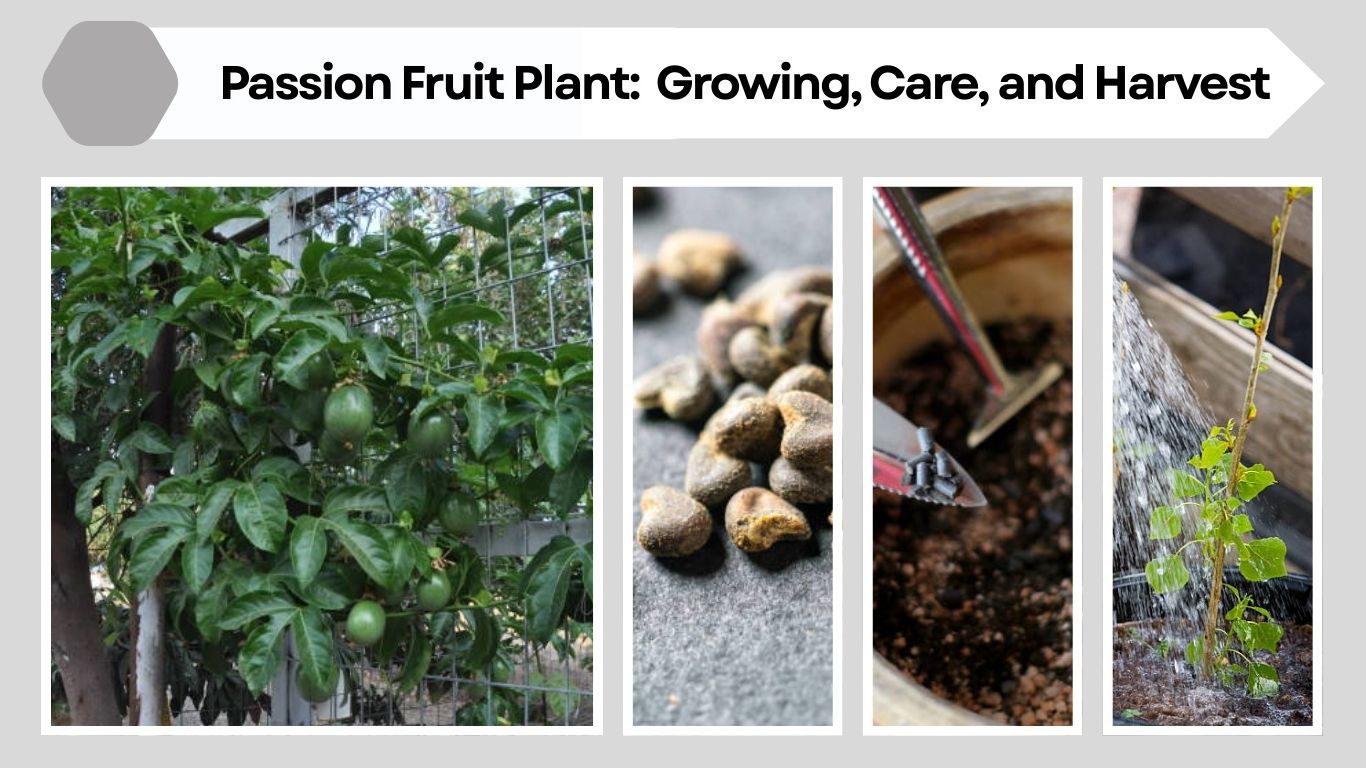
How to Grow
Passion fruit vines grow best in full sun and fertile, well-drained soil. They need strong support like a trellis or fence to climb. Plant during spring and water regularly, especially during dry spells. Use organic compost and prune to control shape and encourage flowering.
Fruit Season
Passion fruit vines usually flower in spring and bear fruit from summer through fall. Harvesting is common between August and November, depending on the variety and climate.
27. Gooseberry Tree (Indian Gooseberry / Amla)

The gooseberry tree, particularly Indian gooseberry or amla, is a small to medium-sized deciduous tree known for its sour, green fruits that are high in vitamin C and antioxidants. The tree is widely used in Ayurvedic medicine and natural health remedies.
How to Grow
Gooseberry trees prefer full sunlight and slightly acidic, well-drained soil. Plant in early spring or late monsoon. Water regularly during dry periods but avoid overwatering. Prune lightly after harvest and apply compost or manure annually for healthy growth.
Fruit Season
Gooseberries typically ripen in the cool season. The main harvesting season is from October to February, depending on regional climate.
28. Jujube Tree (Ber)

The jujube tree, also known as ber, is a hardy deciduous fruit tree that produces small, round or oval fruits with sweet, crisp flesh. It’s drought-tolerant and can thrive in arid climates, making it ideal for dry regions.
How to Grow
Jujube trees grow well in full sun and sandy or loamy soil. Plant them during the dormant season, preferably in winter or early spring. Water young trees regularly, then reduce frequency once established. Minimal pruning is needed, mostly to maintain shape and airflow.
Fruit Season
Jujube trees typically flower in late spring and bear fruit in late summer to early winter. Harvest time usually falls between September and December.
29. Persimmon Tree

The persimmon tree is a medium-sized deciduous tree known for its orange, smooth-skinned fruits with sweet, honey-like flavor when fully ripe. Persimmons are highly ornamental in fall with their bright-colored fruits hanging on bare branches.
How to Grow
Plant persimmon trees in full sun and well-drained soil with good fertility. Plant bare-root trees in late winter or early spring. Water regularly during the first few years. Prune in winter to remove dead or crossed branches and improve structure.
Fruit Season
Persimmon trees produce fruit in fall, typically between September and November, depending on the variety and location.
30. Nectarine Tree
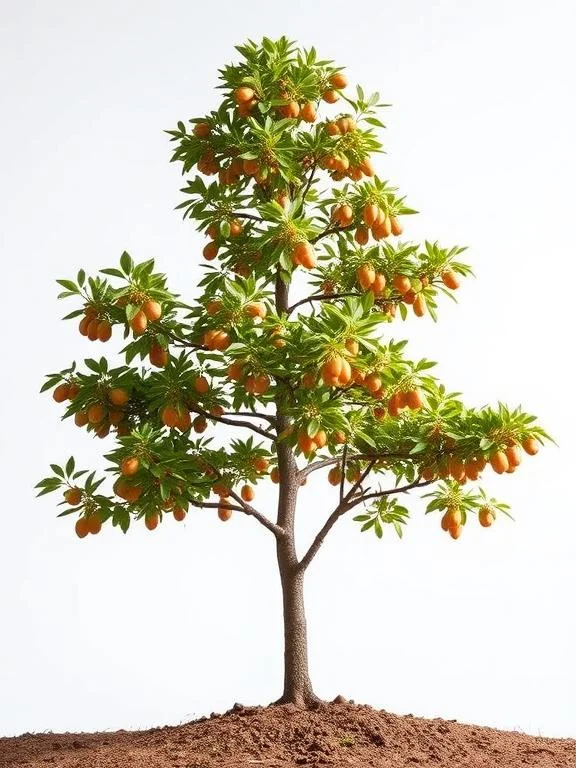
The nectarine tree is a close cousin of the peach tree, bearing smooth-skinned fruits with sweet, juicy flesh. It is a deciduous tree that produces fragrant pink blossoms in spring and delicious summer fruits.
How to Grow
Nectarine trees grow best in full sun and well-drained, fertile soil. Plant in early spring and water regularly, especially during fruit development. Prune in late winter to encourage air circulation and remove dead branches. Fertilize annually with balanced nutrients.
Fruit Season
Nectarines are usually harvested from late spring to mid-summer. The peak fruit season falls between June and August, depending on the climate and variety.
31. Kiwi Tree (Kiwi Vine)

The kiwi plant is a vigorous, climbing vine rather than a traditional tree, known for producing fuzzy brown fruits with bright green, tangy-sweet flesh. Kiwis are rich in vitamin C and fiber and are often grown in cooler climates with proper support.
How to Grow
Kiwi vines need full sun, fertile, well-drained soil, and strong trellises for support. Plant male and female plants for pollination (usually one male for every 6–8 females). Water regularly, especially during flowering and fruiting. Prune annually to maintain shape and productivity.
Fruit Season
Kiwi fruits typically ripen in late fall, and harvest takes place between October and November, depending on the growing zone and variety.
32. Custard Apple Tree (Sugar Apple)

The custard apple tree, also known as sugar apple or sweetsop, is a small tropical fruit tree that produces round or heart-shaped fruits with soft, sweet, creamy flesh. It’s widely grown in warm climates and loved for its unique flavor.
How to Grow
Custard apple trees prefer full sun and sandy, well-drained soil. Plant in spring or early summer and water regularly during dry periods. They benefit from mulching and occasional feeding with organic compost. Prune lightly to control height and shape.
Fruit Season
Custard apples typically bear fruit from late summer to early winter. In most regions, the fruit is harvested between August and December.
33. Tamarind Tree

The tamarind tree is a tall, long-living tropical tree that produces curved pods filled with sticky, tangy pulp. Tamarind is widely used in cooking for its sweet-sour flavor and in traditional medicine. The tree also provides dense shade.
How to Grow
Tamarind trees grow best in full sun and deep, well-drained soil. They are drought-tolerant once established. Plant seedlings or grafted saplings during the warm season. Water regularly during the first few years and apply organic manure annually. Minimal pruning is needed.
Fruit Season
Tamarind pods mature in late winter to early summer, with harvest time generally falling between February and May.
34. Grapefruit Tree

The grapefruit tree is a large citrus tree that produces round, juicy fruits with a slightly bitter and tangy taste. Grapefruits are rich in vitamin C and are often eaten fresh or used in juices. The tree is evergreen and has glossy leaves.
How to Grow
Plant grapefruit trees in full sun and well-drained sandy or loamy soil. Water deeply during dry periods, and use citrus fertilizer regularly during the growing season. Protect from frost and prune lightly to improve sunlight exposure and airflow.
Fruit Season
Grapefruit trees typically bear fruit from winter through early spring. Harvest usually occurs between November and April, depending on the variety.
35. Loquat Tree

The loquat tree is a small to medium-sized evergreen tree that produces clusters of yellow-orange, pear-shaped fruits with a sweet-tart flavor. The tree is also appreciated for its glossy leaves and fragrant white blossoms.
How to Grow
Loquats prefer full sun and well-drained soil. Plant in early spring and water consistently during the growing season. They require little maintenance once established. Mulch around the base and prune lightly to remove deadwood and shape the tree.
Fruit Season
Loquat trees typically flower in fall and produce fruit in late winter to early spring. The harvesting season runs from March to May in most regions.