

Tarantulas are among the most fascinating spiders, known for their large size, hairy bodies, and intimidating presence. While many people associate them with exotic pets or jungle environments, encounters inside homes are not uncommon in certain regions. For homeowners, discovering a tarantula in the living room or garage can be a startling experience. This article explores why tarantulas may appear indoors, how to deal with them safely, ways to prevent entry, and how they differ from other spiders often found in houses.
Wild Tarantulas in the House
It may surprise some people, but tarantulas occasionally wander into homes, particularly in regions where they are native. In the Southwestern United States, especially Arizona, Texas, and California, sightings are not rare during tarantula migration seasons. In Australia, the so-called “house tarantula” is well known for making its way indoors, while in the Philippines and South America, tarantulas are sometimes found near villages and residential areas.
A tarantula inside the house is usually not an infestation but a lone wanderer. These spiders prefer outdoor habitats such as burrows, forests, and deserts. When they enter a home, it is often accidental or driven by environmental conditions.
Reasons Tarantulas Enter Homes
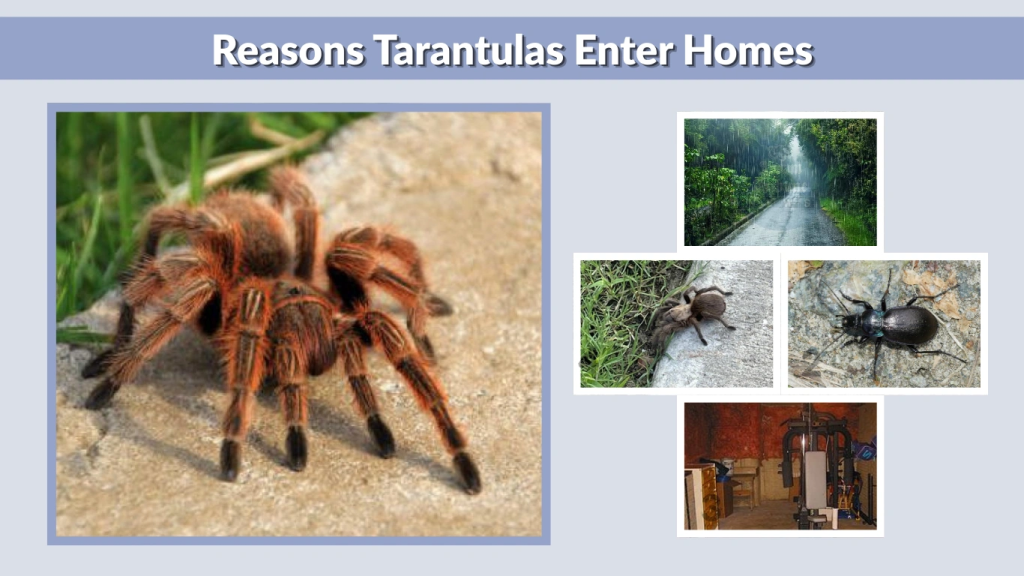
There are several reasons a tarantula might be found in your house:
- Mating season: Male tarantulas often wander during breeding season, sometimes entering homes by mistake.
- Weather changes: Heavy rain or extreme heat can drive tarantulas indoors in search of shelter.
- Hunting behavior: At night, tarantulas may follow insects into houses through small openings.
- Convenient hiding spots: Basements, attics, garages, and cluttered areas can mimic the dark, cool environments tarantulas like.
Homeowners often report suddenly “finding a tarantula in my house,” which usually indicates a single curious spider rather than a larger problem.
What To Do If You Find One
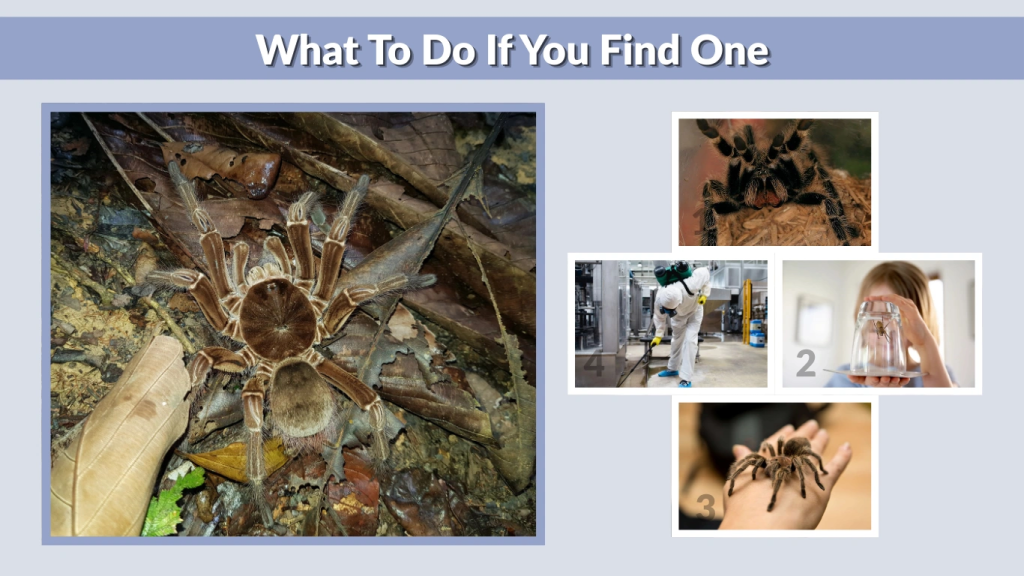
Encountering a tarantula indoors can be frightening, but it is important to remember that these spiders are not aggressive toward humans. Here are steps to handle the situation safely:
- Stay calm – Tarantulas do not actively attack people.
- Capture safely – Use a glass jar or container to trap the spider, then slide cardboard underneath and gently release it outside.
- Avoid handling directly – Tarantulas can flick irritating hairs or bite if provoked.
- Call professionals if needed – If you’re uncomfortable, pest control services can assist.
Most tarantulas prefer being outside, so relocation is the simplest solution.
Preventing Tarantulas from Entering
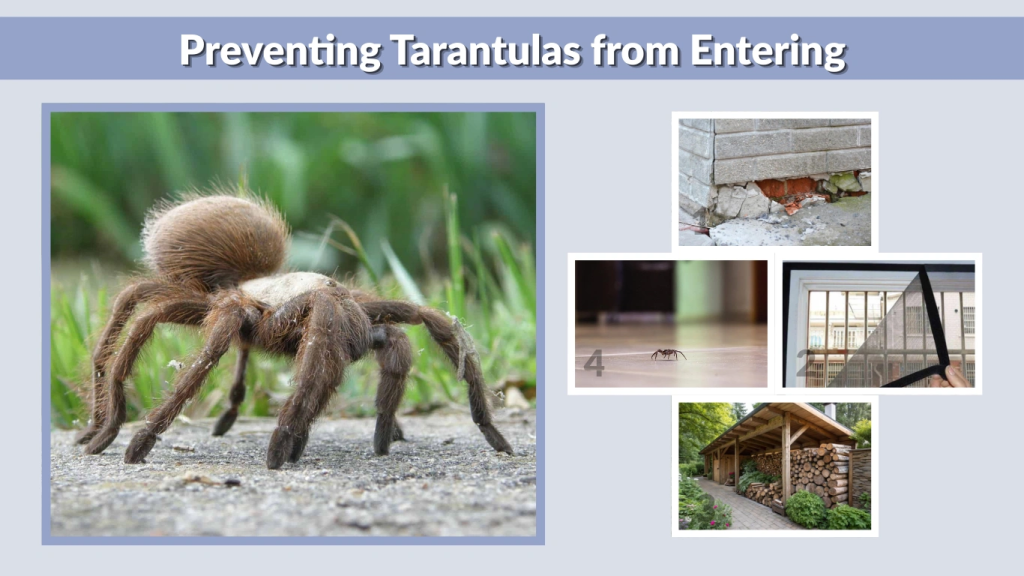
If you live in an area where tarantulas are common, prevention is key. Effective strategies include:
- Seal entry points: Close cracks around doors, windows, and foundations.
- Install screens: Keep window and door screens intact to block entry.
- Reduce outdoor clutter: Firewood piles, debris, and yard clutter provide hiding places.
- Control insects: Since tarantulas follow prey, reducing bugs indoors also reduces spider visitors.
- Outdoor lighting: Minimize lights that attract insects, which in turn attract tarantulas.
Following these steps greatly lowers the chance of finding one indoors.
Are House Tarantulas Dangerous?

A common fear is whether tarantulas inside the home pose a threat. In reality, tarantulas are generally harmless to humans. Their venom is not considered medically significant, often compared to a bee sting in severity. The main discomfort comes from their urticating hairs, which can cause itching or irritation if touched.
In regions like Australia or Arizona, local tarantulas may look intimidating but are rarely life-threatening. While bites should be cleaned and monitored, serious reactions are very uncommon. The fear is often greater than the actual risk.
Do Tarantulas Really Live in Houses?
Unlike house spiders, tarantulas do not typically live inside human homes. They prefer burrows in the ground or natural outdoor shelters. If you see a tarantula inside, it is usually a temporary visitor.
However, myths persist about tarantulas nesting in attics, walls, or basements. While they may hide in dark spaces for short periods, they do not colonize homes the way insects or smaller spiders might. Understanding this helps separate fact from fiction and reduces unnecessary fear.
Tarantulas vs. Other House Creatures

Another frequent question is how tarantulas interact with other creatures found indoors:
- House spiders: Tarantulas are much larger and may prey on smaller spiders if given the chance.
- Scorpions: In regions where both are found, encounters are possible. Tarantulas can sometimes kill scorpions, but the reverse can also happen.
- Cockroaches and flies: These insects may draw tarantulas inside since they provide food.
- House centipedes: Both are predators, and while conflicts are rare, a centipede may challenge a smaller tarantula.
Rather than being pests themselves, tarantulas often help control populations of insects and small invertebrates.
Pet Tarantula Housing
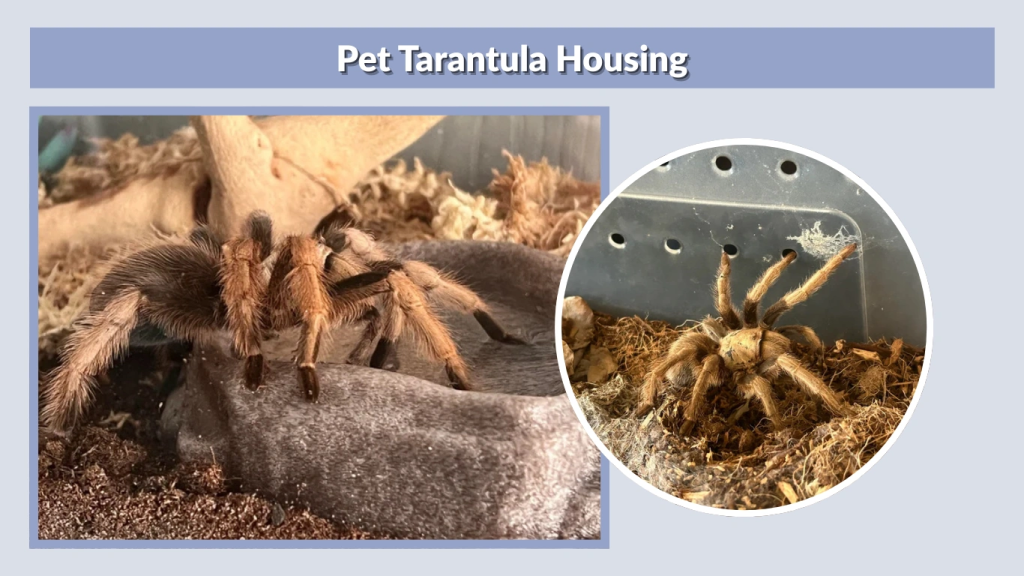
Not all tarantulas in homes are accidental visitors—many are kept as pets. Housing requirements vary depending on the species, but in general, tarantulas need enclosures that replicate their natural environment.
- Terrestrial species: Like the Arizona blonde tarantula, need tanks with deep substrate for burrowing.
- Arboreal species: Such as pink toe tarantulas, require tall enclosures with branches for climbing.
- Humidity and temperature: Each species has specific climate needs that must be maintained with misting and heating.
- Secure lids: Prevent escapes, since tarantulas can climb and push against loose covers.
Improper housing can stress tarantulas, shorten their lifespan, or increase the risk of escape into the house.
Can Tarantulas Be Housed Together?
A common question among hobbyists is whether multiple tarantulas can share an enclosure. The general answer is no. Tarantulas are solitary predators and housing them together often leads to cannibalism. Even juveniles or species that appear tolerant usually cannot cohabitate safely long-term.
Special cases:
- Pink toe tarantulas: Sometimes kept communally as slings (babies), but separation is usually required as they grow.
- Juveniles: Might share small enclosures temporarily, but risk increases with age.
- Mixed species: Housing different tarantula species together is not recommended at all.
For keepers, the safest practice is always one tarantula per enclosure.
Feeding Tarantulas in Captivity
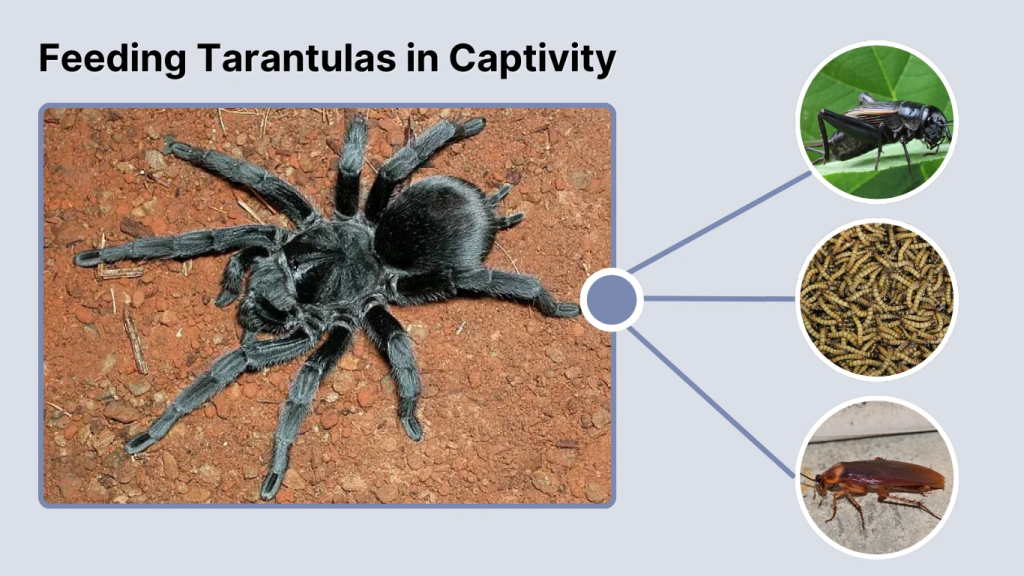
Owners sometimes wonder if pet tarantulas can live off “house bugs” like flies, cockroaches, or spiders. While tarantulas will eat these, feeding wild-caught insects carries risks of parasites and pesticides.
Best practices include:
- Feeder insects: Crickets, roaches, mealworms, and dubia roaches are commonly bred for feeding.
- Occasional variety: Some species accept houseflies, moths, or even small pinkie mice, though these should not be regular meals.
- Frequency: Adults eat less often, sometimes only once every couple of weeks, while juveniles need more frequent feeding.
A healthy feeding routine keeps the tarantula strong without the risks associated with household insects.
Dreams and Symbolism
Beyond real-life encounters, tarantulas in the house often appear in dreams. Dream interpretations vary, but common themes include:
- Fear and anxiety: Dreaming of a tarantula in your house may symbolize hidden fears or a feeling of being trapped.
- Transformation: Spiders can also symbolize creativity, patience, and transformation in some cultures.
- Cultural beliefs: In certain traditions, tarantulas appearing in dreams are linked to protection or warnings.
While dream symbolism is subjective, the recurring theme of tarantulas in domestic spaces reflects the deep psychological impact these spiders have on humans.
Cultural References
Tarantulas have also found their way into music and media. The band Tito & Tarantula released the song Back to the House, tying the creature to rock culture. Other references include Flipping Vegas: Tarantula House, where a property gained attention due to a tarantula infestation.
Books such as Garret Fort’s Tarantula from Crestwood House and horror movies featuring giant spiders add to the cultural mystique. Even novelty items like tarantula house slippers or 3D STL tarantula house models show how the spider has entered pop culture beyond biology.
Unusual Mentions
Some unusual connections between tarantulas and houses include:
- House tarantula spiders: A term sometimes used for large spiders mistaken for tarantulas.
- Tarantula house music: Electronic tracks and remixes inspired by the spider’s name.
- Tarantula house building: Designs or art inspired by spider burrows.
- Cross-species references: Ideas like housing tarantulas with tortoises or other animals, which are unsafe.
These odd mentions demonstrate how the image of a tarantula has spread far beyond its natural biology.
Conclusion
Tarantulas in the house can mean very different things: a wild spider wandering in, a pet in need of secure housing, or even a symbolic presence in dreams and culture. While the sight of one can be unsettling, most tarantulas are harmless to humans and even beneficial in controlling insect populations.