
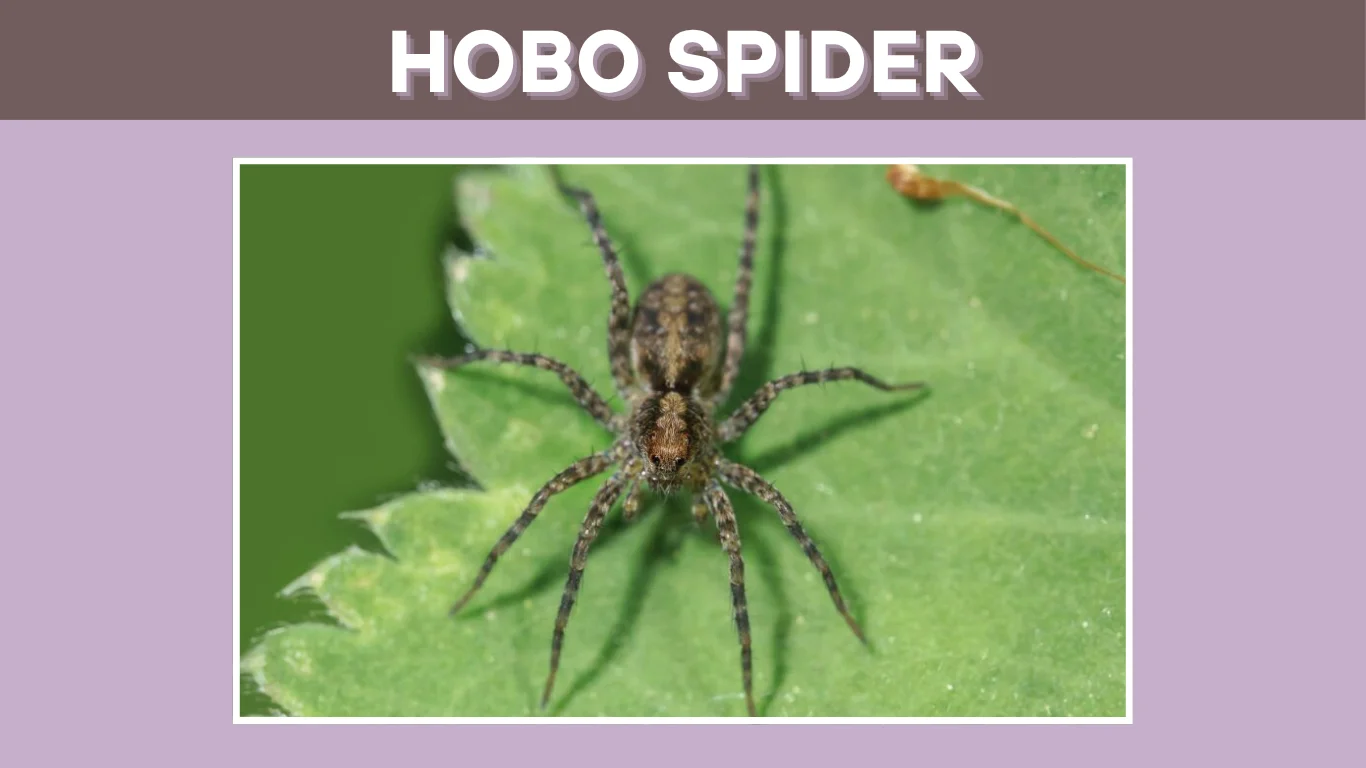
The hobo spider (Eratigena agrestis) is a fast-moving funnel web spider that often sparks curiosity—and sometimes fear—when spotted in homes across North America and Europe. Despite myths surrounding its bite, this spider is generally harmless to humans. But how long does it actually live? In this article, we’ll explore the average lifespan of the hobo spider, the differences between male and female lifespans, and the factors that influence their survival.
The Hobo Spider
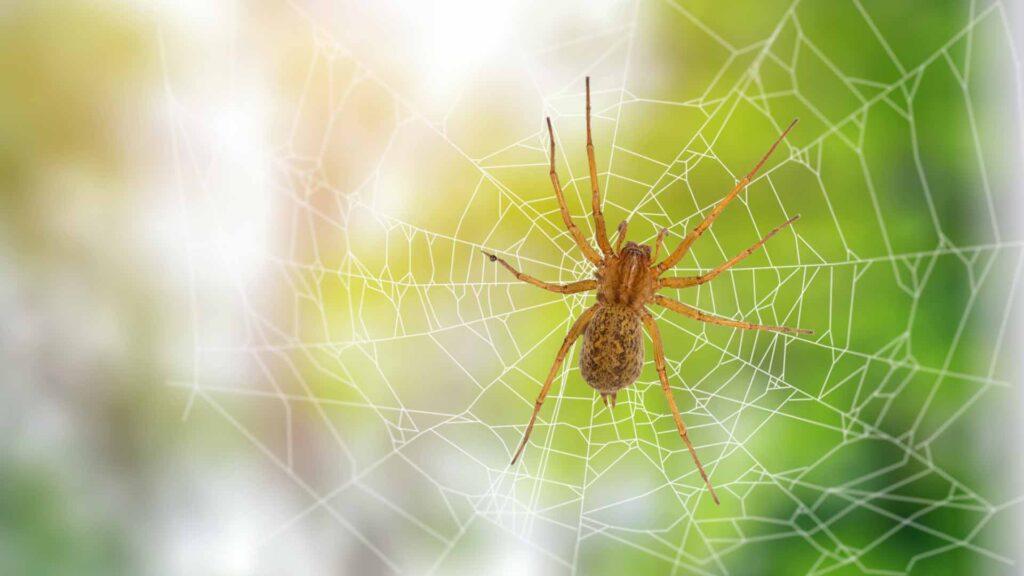
Hobo spiders are part of the Agelenidae family, known for building funnel-shaped webs and lurking at the narrow end to ambush prey. Native to Europe, the hobo spider was introduced to the northwestern United States in the 1930s and has since spread throughout the Pacific Northwest and parts of Canada.
They are often confused with other brown spiders, such as wolf spiders or even the dangerous brown recluse, but hobo spiders are not considered medically significant. Their name comes from their tendency to “wander” indoors during late summer and fall, usually in search of mates, not trouble.
Average Lifespan of Hobo Spiders

The average lifespan of a hobo spider is about 1 to 2 years, depending on environmental conditions, food availability, and whether it lives indoors or outdoors.
- Females usually live longer, up to 2 years, because they spend most of their lives in their webs, avoiding risks.
- Males typically live less than a year, dying shortly after reaching maturity and mating.
In the wild, hobo spiders may live slightly shorter lives due to predators, harsh weather, or lack of food. In controlled or indoor environments, where conditions are more stable, they can reach the higher end of their lifespan range.
Life Cycle of a Hobo Spider
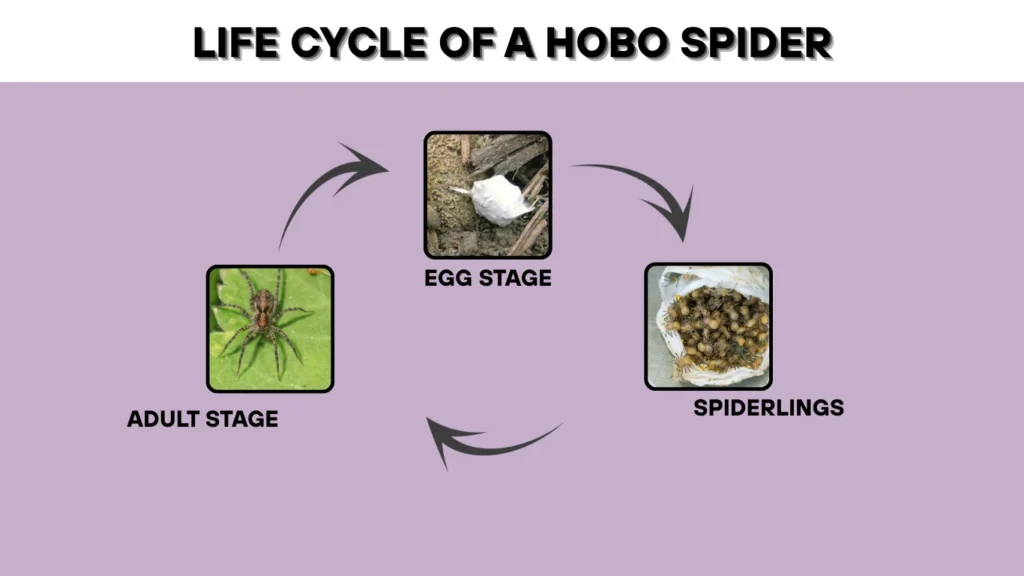
Hobo spiders go through several distinct life stages during their relatively short lifespan:
1. Egg Stage
- Females lay egg sacs in late summer or early fall.
- Each sac contains 50–100 eggs.
- Eggs hatch in 2–4 weeks depending on temperature.
2. Spiderlings (Juvenile Stage)
- After hatching, spiderlings disperse and begin hunting small insects.
- They undergo several molts over the course of several months.
3. Adult Stage
- Most spiderlings reach maturity by the following summer.
- Males leave their webs to find mates and typically die after mating.
- Females build stable funnel webs and remain there until death, laying one or more egg sacs in their lifetime.
Seasonal Behavior and Lifespan Impact
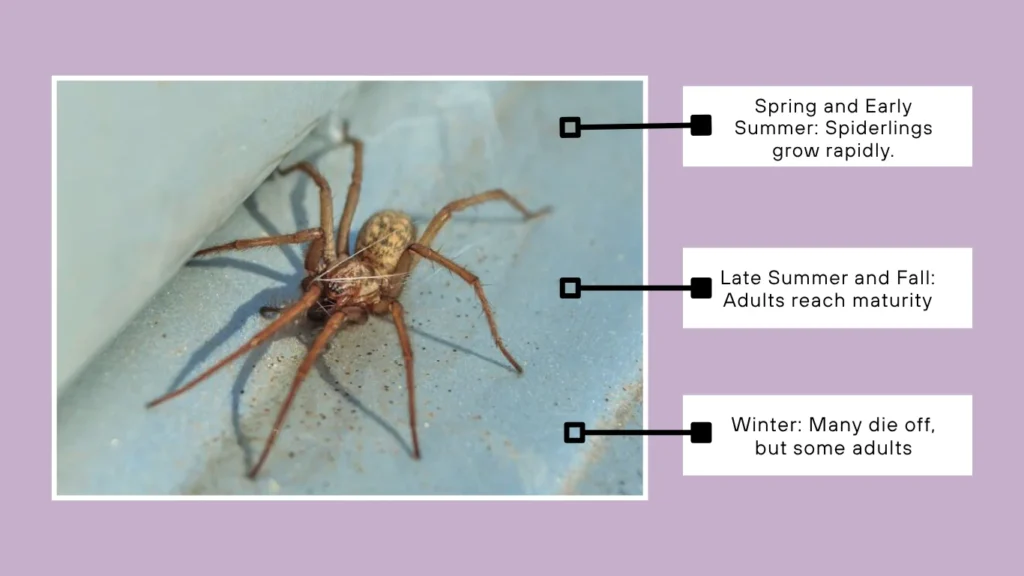
Hobo spiders have strong seasonal patterns that influence their lifespan:
- Spring and Early Summer: Spiderlings grow rapidly.
- Late Summer and Fall: Adults reach maturity. Mating occurs during this period, especially indoors where conditions are stable.
- Winter: Many die off, but some adults and overwintering juveniles may survive in protected environments.
In warm indoor spaces, some spiders may survive through multiple seasons, extending their lifespan slightly.
Male vs Female Lifespan Comparison
Like many spiders, the hobo spider shows sexual dimorphism in lifespan:
| Gender | Average Lifespan | Notes |
| Female | 1.5–2 years | Stationary, builds and stays in webs |
| Male | 6–12 months | Dies shortly after mating |
Males mature quickly, stop feeding once they leave their web, and exhaust themselves in search of a mate. This short but intense phase greatly reduces their lifespan.
Factors That Influence Hobo Spider Lifespan
Several factors can shorten or extend the hobo spider’s life:
1. Temperature and Climate
- Spiders in cooler climates grow more slowly and may live longer.
- Extreme cold without shelter can be fatal.
2. Predators
- Birds, lizards, other spiders, and even parasitic wasps prey on hobo spiders, especially outdoors.
3. Food Supply
- A consistent insect supply supports healthy growth and longevity.
- Starvation can drastically shorten life.
4. Human Interaction
- Indoors, they are often killed or removed.
- Regular cleaning or pesticide use shortens lifespan.
How Hobo Spiders Compare to Other Spiders
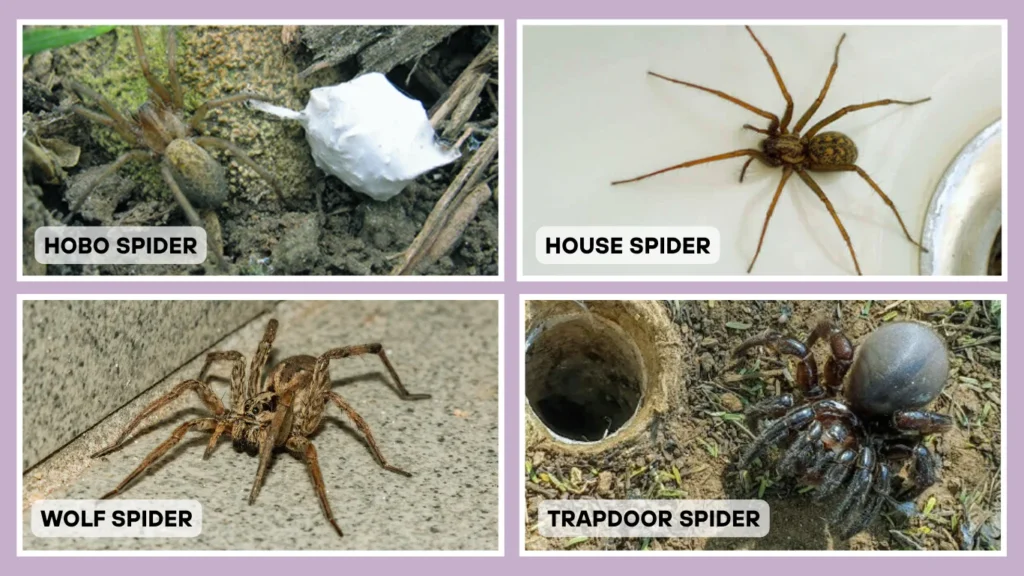
To understand where the hobo spider fits in, here’s a comparison with the lifespans of other common spiders:
| Spider Species | Female Lifespan | Male Lifespan |
| Hobo Spider | 1.5–2 years | 6–12 months |
| House Spider | 1–2 years | <1 year |
| Wolf Spider | 1–2 years | <1 year |
| Trapdoor Spider | 20–30 years | 5–7 years |
| Tarantula | 15–25 years | 3–6 years |
Hobo spiders have a relatively short lifespan compared to large, burrow-dwelling species but live longer than some smaller house spiders.
Are Hobo Spiders Dangerous?
Despite past rumors, hobo spiders are not considered dangerous. The CDC and other health organizations have removed them from their list of medically significant spiders. Their venom is not known to cause serious harm in humans, and documented bites are rare.
Still, as with any spider, allergic reactions can vary. It’s always best to avoid handling them directly.
FAQs
How long do hobo spiders live indoors?
If left undisturbed and with access to food, hobo spiders can live up to 2 years indoors, especially females.
Do hobo spiders die after mating?
Males usually do. They often stop eating after maturing and die shortly after finding a mate.
Do hobo spiders hibernate?
Not exactly. They become less active in cold conditions but don’t hibernate in the traditional sense. Juveniles may overwinter in hidden places.
Can hobo spiders be kept as pets?
While possible, they are not common pets. They’re shy, fast-moving, and require very specific funnel-style housing setups.
What kills hobo spiders naturally?
Predators such as wasps, birds, and larger spiders are natural enemies. Cold temperatures and starvation also impact their survival.
Final Thoughts
The hobo spider may not have the long lifespan of tarantulas or trapdoor spiders, but its life is full of movement, web building, and survival. Living 1 to 2 years on average, these spiders are efficient hunters and important members of the ecosystem. Understanding their life cycle helps clear up myths and fears—and gives us more respect for their role in nature.