

When you see a messy, irregular web tucked into a window corner or under a porch, chances are you’ve found the work of a tangle web spider. Also known as cobweb spiders, these small but crafty arachnids are more common than people realize. But have you ever wondered how long they live? In this article, we’ll explore the average lifespan of tangle web spiders, what affects their longevity, and how they compare to other spider species.
What Are Tangle Web Spiders?

Tangle web spiders belong to the family Theridiidae, which includes over 2,200 species worldwide. The group is best known for its messy, sticky, three-dimensional webs. These spiders don’t spin the iconic circular webs that garden spiders build—instead, they create tangled silk traps that catch insects as they pass by.
Average Lifespan of Tangle Web Spiders

The average lifespan of a tangle web spider ranges from 1 to 2 years, depending on the species and environment. Some species may live up to 3 years under ideal conditions, especially in captivity where threats are minimal.
Here’s a basic breakdown:
- Females: Typically live 1.5 to 2 years. They are more sedentary and stay near their webs.
- Males: Often live less than 1 year. Once mature, they wander in search of females and usually die soon after mating.
If conditions are poor—such as cold temperatures, lack of food, or constant threats—their lifespan may be shortened to just a few months.
Key Life Stages of Tangle Web Spiders

Understanding their lifespan also means understanding the life stages:
- Egg Stage
- Eggs are laid in silk sacs hidden in the web.
- A female can lay hundreds of eggs in her lifetime.
- Incubation time: 1–3 weeks depending on species and temperature.
- Eggs are laid in silk sacs hidden in the web.
- Spiderlings (Juveniles)
- After hatching, spiderlings often stay close to the web for a short period.
- They go through several molts as they grow, becoming independent hunters.
- This stage may last several months.
- After hatching, spiderlings often stay close to the web for a short period.
- Adult Stage
- Reached after 5–10 molts depending on the species.
- Females typically stay in one location, while males roam once mature.
- Adult lifespan is 6 months to 2 years, varying by gender and environmental safety.
- Reached after 5–10 molts depending on the species.
Factors That Affect Lifespan
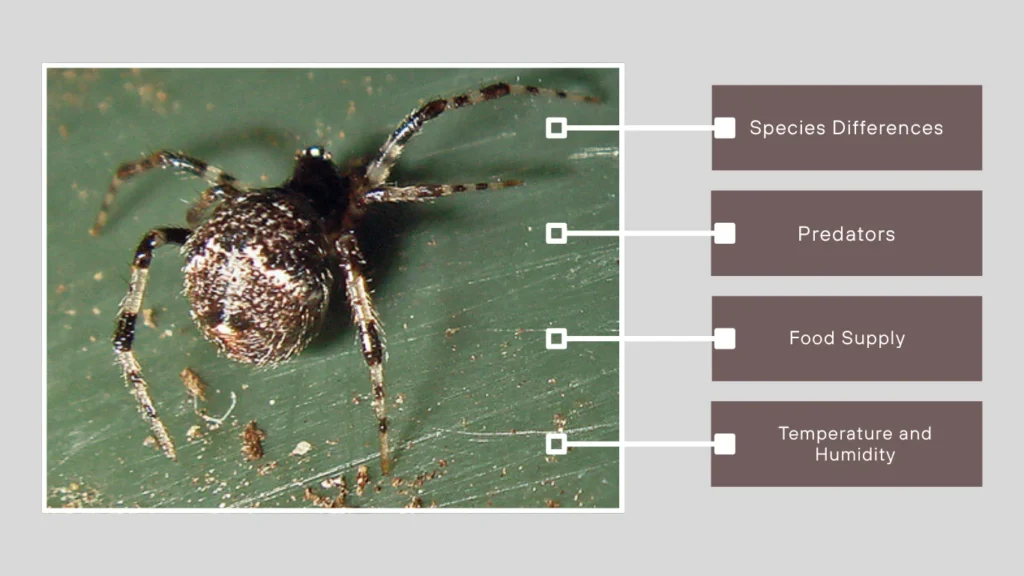
Several factors can impact how long a tangle web spider lives:
- Species Differences: Black widows, for example, can live up to 3 years in captivity. Smaller species like the common house cobweb spider (Parasteatoda tepidariorum) average around 1–1.5 years.
- Predators: Birds, wasps, and even other spiders may reduce their chances of reaching old age.
- Food Supply: A web placed in a good hunting spot helps the spider live longer and grow faster.
- Temperature and Humidity: Cold or dry environments can kill young spiderlings or slow development.
- Human Interaction: In homes, they’re often killed or removed, cutting lifespans short.
Tangle Web Spider vs Other Spider Lifespans
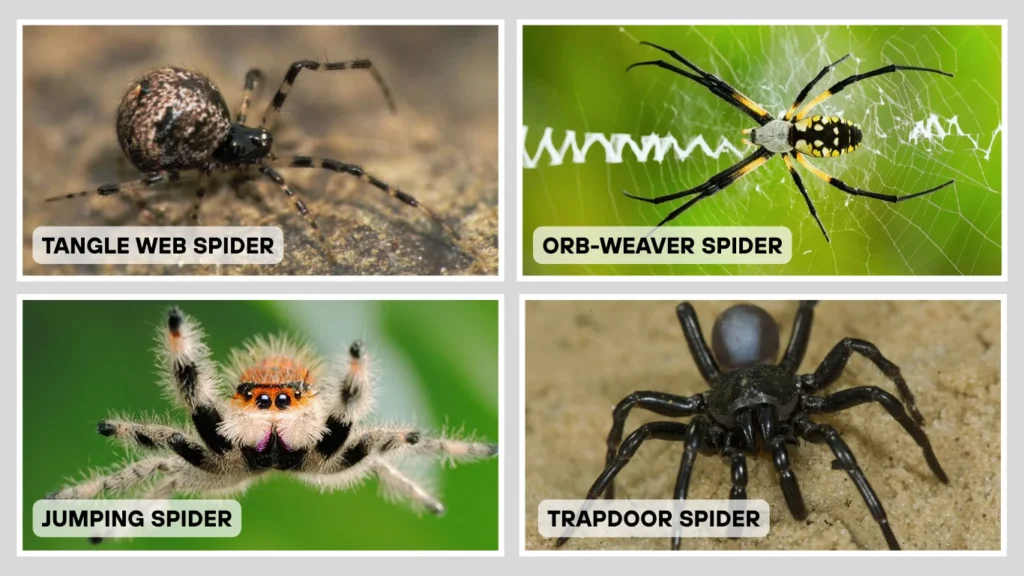
To put things in perspective, here’s how the lifespan of tangle web spiders compares to other well-known spiders:
| Spider Species | Female Lifespan | Male Lifespan |
| Tangle Web Spider | 1–2 years | <1 year |
| Orb-Weaver Spider | 1 year | <1 year |
| Jumping Spider | 1–2 years | <1 year |
| Trapdoor Spider | 20–30 years | 5–7 years |
| Tarantula | 15–25 years | 3–6 years |
Tangle web spiders live longer than many common garden spiders but are nowhere near the lifespan of trapdoor or tarantula species.
Do Tangle Web Spiders Live Longer in Captivity?
Yes, like many spiders, tangle web spiders tend to live longer in captivity. In a controlled environment where they have consistent access to food, water, and no predators, some species can survive for up to 3 years.
However, keeping them in captivity is not common unless you are a researcher or a spider enthusiast. They require minimal care but still need proper space, humidity, and food to thrive.
FAQs
Do female tangle web spiders eat the males after mating?
In some species like black widows, this behavior is observed, but it’s not universal. Most common cobweb spiders do not show this behavior regularly.
Are tangle web spiders dangerous to humans?
Most species are harmless. Only a few, like the black widow, have venom that can cause issues in humans. The average house cobweb spider does not pose a threat.
Can tangle web spiders survive winter?
Some do, especially if they live indoors. Others may die off as temperatures drop, with eggs overwintering and hatching in spring.
What’s the most common species of tangle web spider in homes?
Parasteatoda tepidariorum (Common House Spider) is one of the most widespread and often seen in homes worldwide.
Final Thoughts
Tangle web spiders may not live as long as some of their larger cousins, but their short lives are full of survival strategy and resourcefulness. With a lifespan of 1–2 years on average, they are efficient hunters and builders that contribute to natural pest control in your home and garden.