
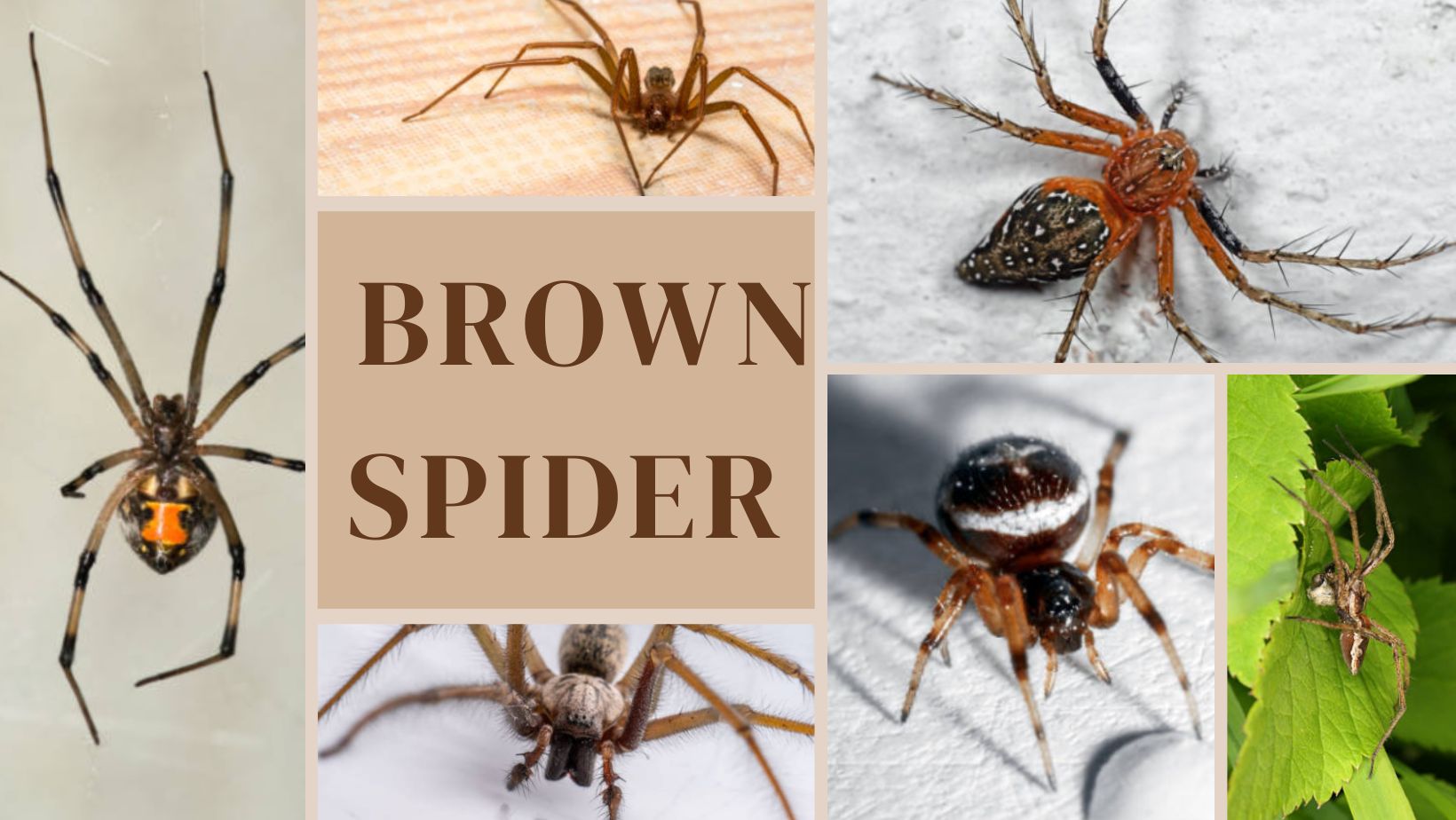
Brown spiders are among the most frequently spotted spiders in homes and gardens, but not all are alike. While some are harmless, others like the brown recluse can pose health risks. This guide will help you identify brown spiders based on body shape, color, markings, and behavior. Whether you’re dealing with a common house spider or a more concerning type, learning how to recognize key features can make all the difference in staying safe and informed.
Common Brown Spider
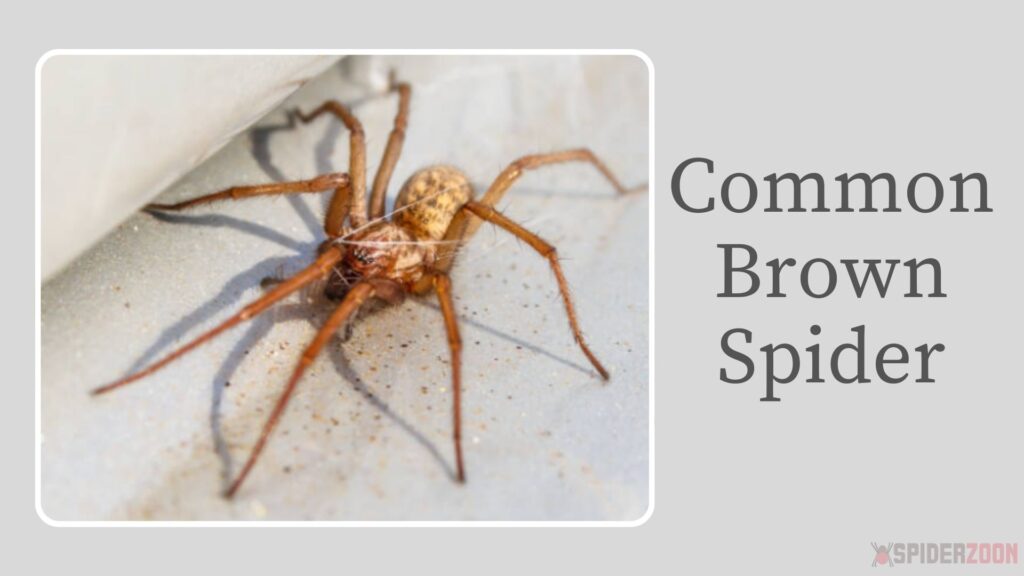
The American house spider is one of the most frequently seen brown spiders inside homes. It belongs to the cobweb spider family and is known for spinning messy, tangled webs in corners, behind furniture, and along ceilings. Despite its spooky appearance, it’s completely harmless to humans.
This spider is small and brown, often mistaken for more dangerous types. Its body is round, and its legs are thin and long. It may have faint markings or patterns on its abdomen, but nothing as distinct as the brown recluse’s violin shape.
You’ll usually find the American house spider in dark, undisturbed places like attics, closets, or storage rooms. They build their webs and wait quietly for insects to get caught. These spiders don’t actively hunt, preferring to trap prey with their sticky webs.
They are shy by nature and rarely bite. Even if they do, the bite is mild and not harmful. Most homeowners leave them alone because they help control indoor pests like flies, mosquitoes, and moths.
10 Types of Brown Spiders
Brown spiders are commonly found in homes, gardens, and wooded areas. While some are harmless, others can pose health risks. Understanding the type of brown spider you’re dealing with helps ensure safety and accurate identification. Below are ten types of brown spiders with key details about their appearance, habitat, and behavior.
1. Brown Recluse Spider
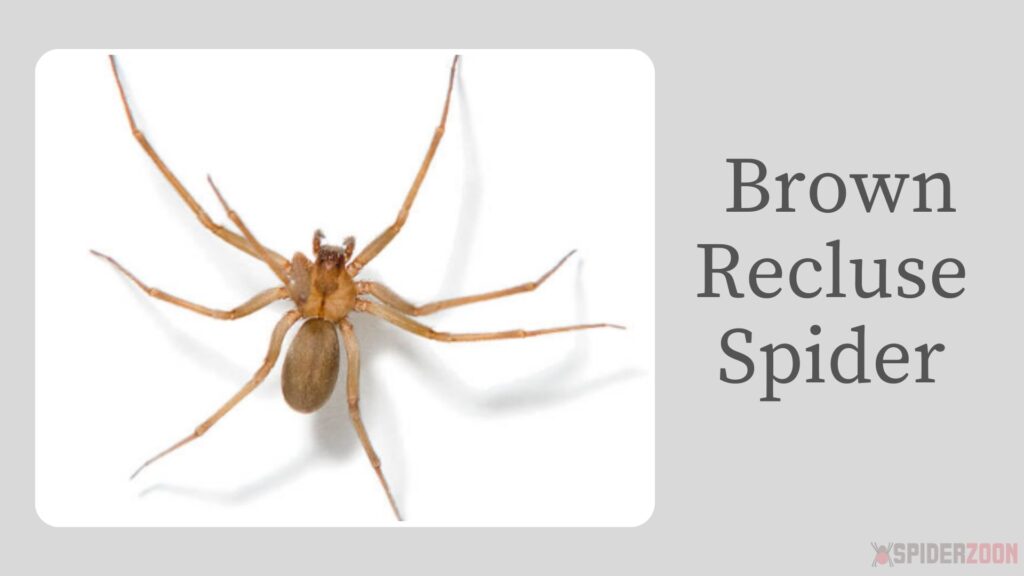
The brown recluse spider is one of the most recognized and feared brown spiders in the United States. It’s often mistaken for other brown house spiders due to its size and color but has distinct features that set it apart.
Identification:
- Has a violin-shaped mark on its back
- Six eyes arranged in pairs (most spiders have eight)
- Legs are uniform in color and without bands
- Body length typically ranges from 1/4 to 1/2 inch
Habitat:
Brown recluse spiders prefer dark, quiet, undisturbed areas. Indoors, they are often found in closets, attics, basements, behind furniture, or inside shoes and boxes.
Color:
Light to medium brown with slightly darker violin marking on the cephalothorax.
Behaviors:
They are non-aggressive and bite only when threatened. Brown recluses are nocturnal hunters and typically avoid human interaction. Brown Recluse Spider Bite
2. Brown Widow Spider
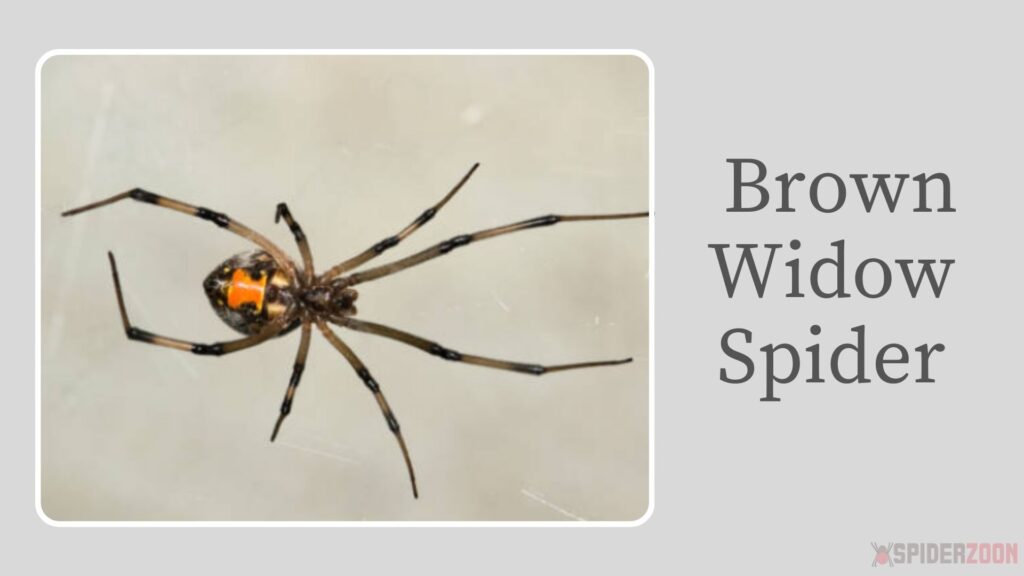
The brown widow spider is a close relative of the black widow but is generally considered less dangerous. It’s easy to recognize by its unique color and markings.
Identification:
- Spiky (tiger-striped) legs
- Orange or yellow hourglass marking on the underside of the abdomen
- Egg sacs are round with spiky projections
- Body is smaller than a black widow
Habitat:
Often found in sheltered outdoor areas like garden pots, patio furniture, and fences. They prefer warm climates and are especially common in the southern United States.
Color:
Light brown to tan with darker legs and an orangish hourglass mark on the underside.
Behaviors:
Brown widows are shy and tend to retreat rather than bite. They create irregular, messy webs in hidden areas and are not aggressive unless provoked. Brown Widow Spider Bite
3. Brown Garden Spider
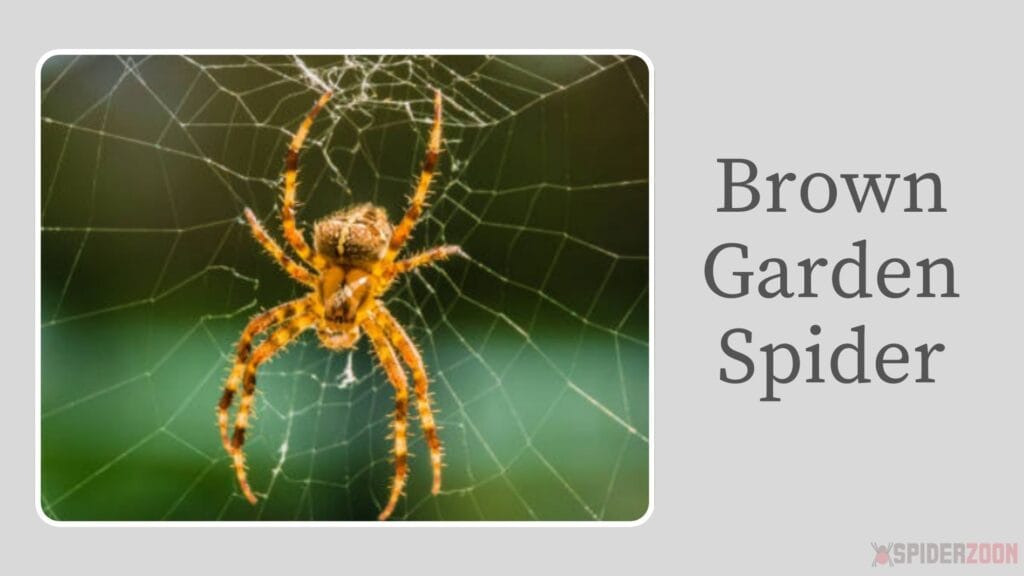
Brown garden spiders are orb-weavers known for their large circular webs. They are beneficial predators that help control pest insects in outdoor spaces.
Identification:
- Bulky, round abdomen
- White or yellow markings on the back
- Long, banded legs
- Often sits head-down in the center of a web
Habitat:
Found in gardens, fields, shrubs, and between fences or outdoor structures. They build large webs and are active mostly during late summer and early fall.
Color:
Brown with white, yellow, or grayish markings depending on maturity and sex.
Behaviors:
Not aggressive. These spiders are passive and will usually retreat if disturbed. They are helpful in reducing mosquito and fly populations.
4. Southern House Spider
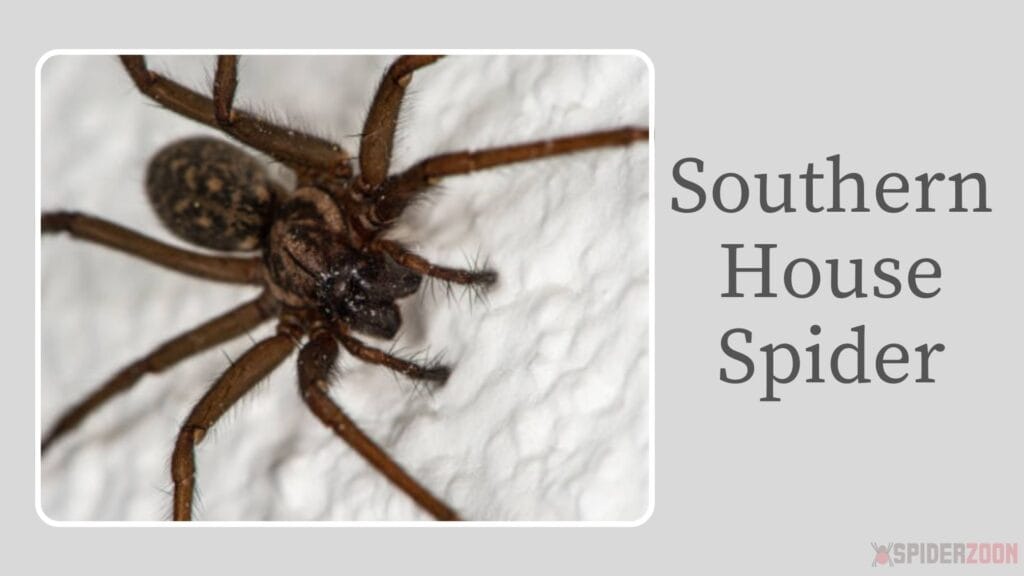
Often mistaken for the brown recluse, the southern house spider is a common indoor resident in the southeastern United States. Males are especially seen wandering indoors.
Identification:
- Males resemble the brown recluse but lack the violin marking
- Long legs and narrow body in males; females are larger and darker
- Eight eyes clustered tightly together
- Can grow up to 2 inches with leg span
Habitat:
Prefers cracks, wall voids, behind window shutters, and attics. Builds messy, sheet-like webs and often found in undisturbed parts of the home.
Color:
Males are light to medium brown, while females are dark brown to nearly black.
Behaviors:
Non-aggressive and rarely bites. Males are more mobile and commonly seen during mating season. They can live quietly indoors without being noticed for long periods.
5. Wolf Spider
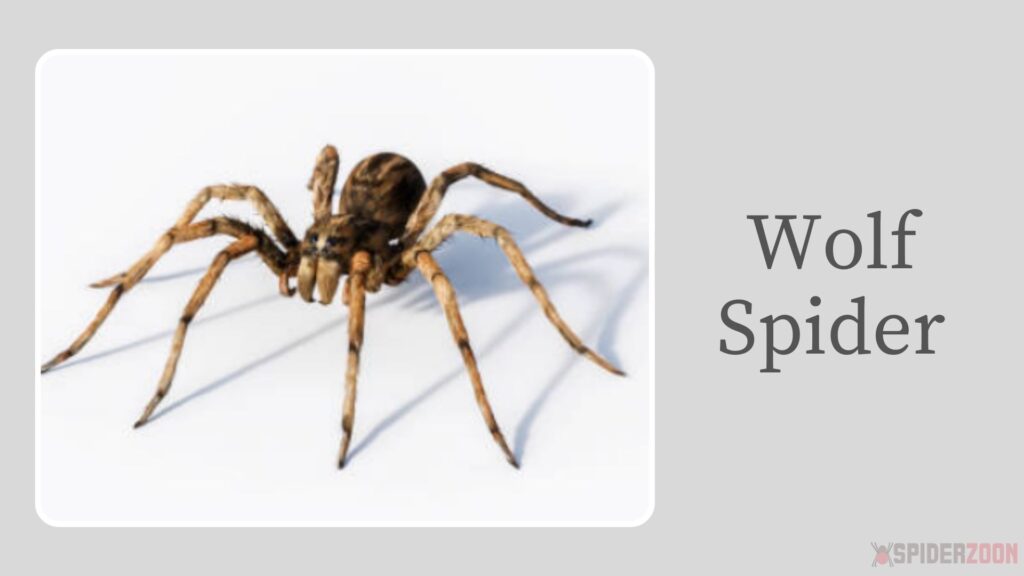
Wolf spiders are large, fast-moving hunters found both indoors and outdoors. They don’t use webs to catch prey and are known for their excellent eyesight.
Identification:
- Stout body with long, strong legs
- Two large forward-facing eyes among eight total
- Hairy body with a camouflaged brown pattern
- Body size ranges from 1/2 to 1.5 inches
Habitat:
Often found in leaf litter, grassy areas, basements, garages, and under furniture. They roam actively in search of prey.
Color:
Dark brown with lighter brown or grayish stripes and mottled patterns for camouflage.
Behaviors:
Solitary and not aggressive. Will bite only if handled or threatened. Female carries egg sac and sometimes young on her back, making her look larger and more intimidating.
6. Nursery Web Spider
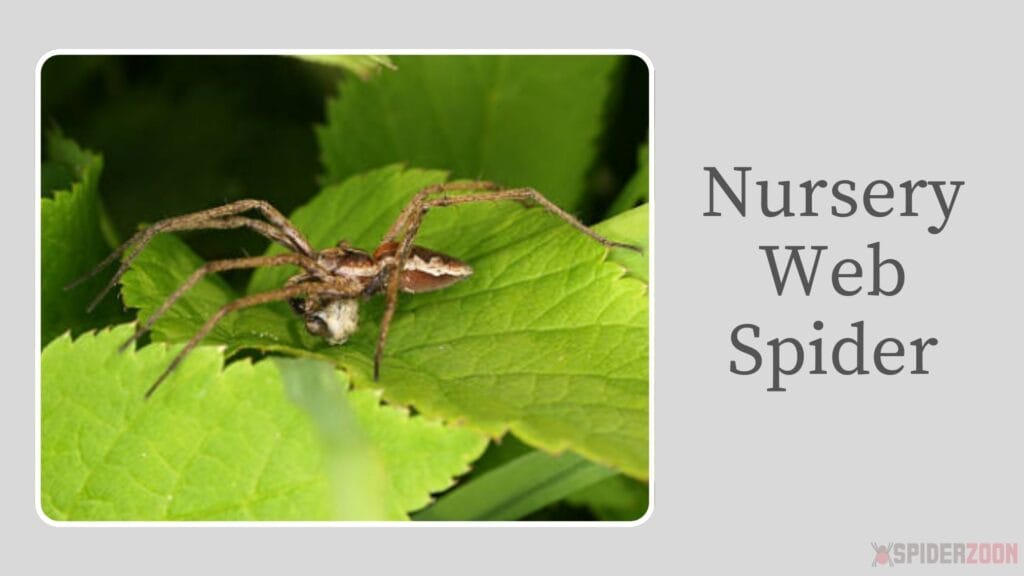
Often confused with wolf spiders, nursery web spiders also carry their egg sac but differ in behavior and web-building habits.
Identification:
- Long legs and slim body
- Eye pattern similar to wolf spiders but body is more slender
- Females carry egg sac with their jaws
- Builds a “nursery” web for hatchlings
Habitat:
Lives near water, in tall grass, shrubs, and sometimes garden areas. Rarely found indoors.
Color:
Brown to gray-brown with darker markings along the back and legs.
Behaviors:
Passive and beneficial. The female guards her egg sac in a protective web after the spiderlings hatch. Avoids humans and flees if disturbed.
7. Funnel-Web Grass Spider
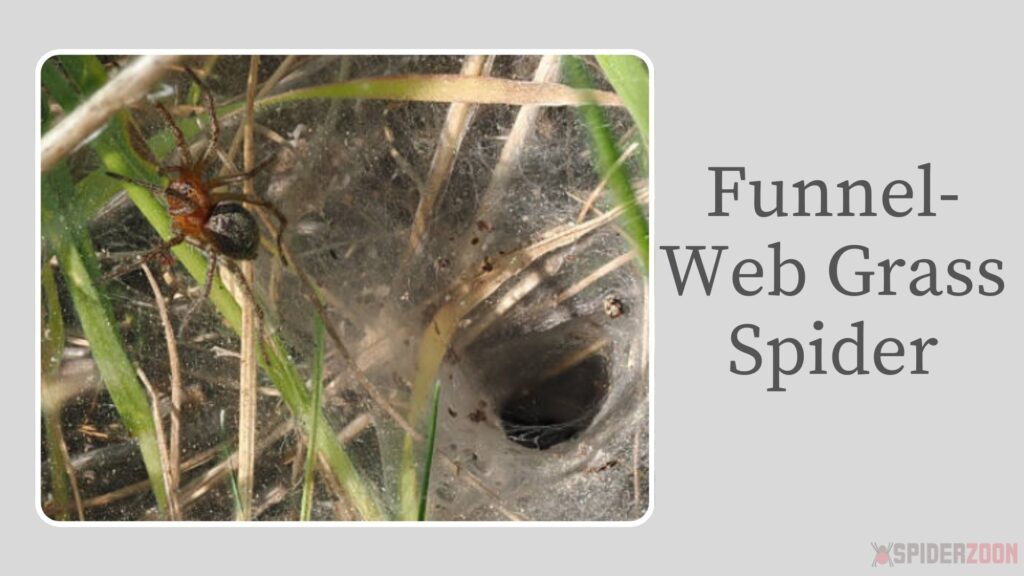
Funnel-web grass spiders are fast-moving spiders known for their sheet-like webs with a funnel-shaped retreat. Though they look threatening, they are harmless to humans.
Identification:
- Elongated body with a distinct spinneret (web-spinning organ) visible at the rear
- Patterned cephalothorax with two dark stripes
- Legs are long and slender with light banding
- Size ranges from 1/2 to 3/4 inch in body length
Habitat:
They build horizontal, sheet-like webs in grass, between rocks, woodpiles, or around the base of shrubs. Occasionally enter homes through gaps or vents.
Color:
Light to dark brown with gray or tan patterns on the back and legs.
Behaviors:
Not aggressive. When disturbed, they quickly retreat into the funnel part of their web. They rarely bite and are considered harmless.
8. Orb Weaver (Brown Variant)
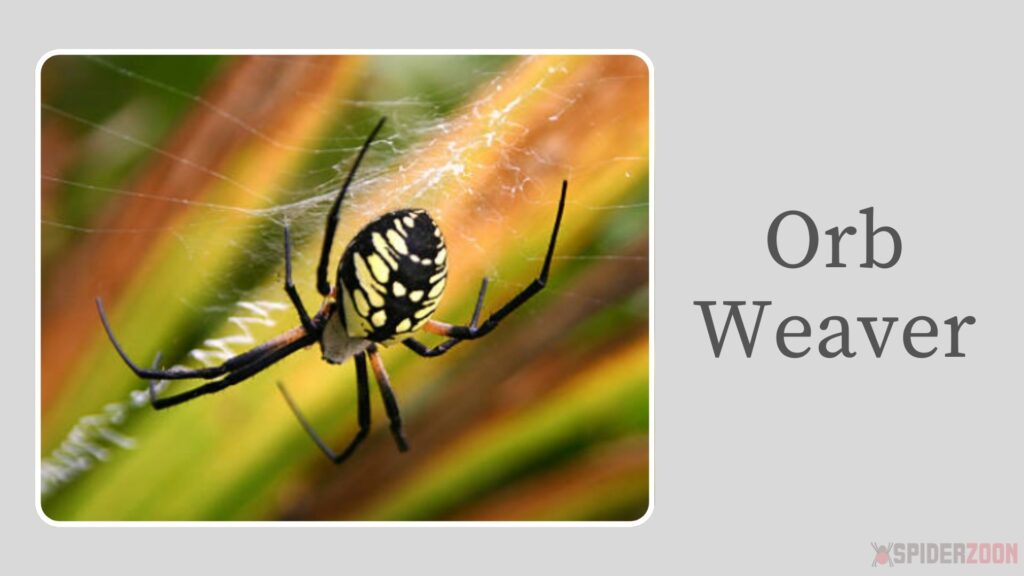
Brown orb weavers are a large group of spiders known for their symmetrical, wheel-shaped webs. Many have brown-toned bodies and are beneficial outdoor spiders.
Identification:
- Large, bulbous abdomen
- Long, spiny legs
- Builds classic round orb webs
- Often seen suspended in the center of its web
Habitat:
Common in gardens, yards, forests, and near outdoor lights. Their webs are often found between tree branches, walls, or fences.
Color:
Brown, tan, or gray with possible mottled or striped markings.
Behaviors:
Docile and beneficial. Active at night and rests in the web center during the evening. Hides nearby during the day. Only bites if provoked, and even then rarely.
9. Mouse Spider (Eastern USA)
The mouse spider is a ground-dwelling spider known for its velvety appearance and rapid movements. Despite its name, it is not related to the Australian mouse spider.
Identification:
- Thick body with dense, short hairs giving a velvety brown look
- Short, powerful legs
- Small eyes arranged in two rows
- Body length ranges from 1/2 to 1 inch
Habitat:
Found under logs, rocks, leaf litter, or inside ground burrows. They are nocturnal and may occasionally wander into basements or crawl spaces.
Color:
Dark brown to reddish-brown with a soft, velvety texture.
Behaviors:
Usually shy and retreats when disturbed. They are hunters, not web builders, and tend to move quickly when threatened. Not considered dangerous to humans.
10. Parson Spider
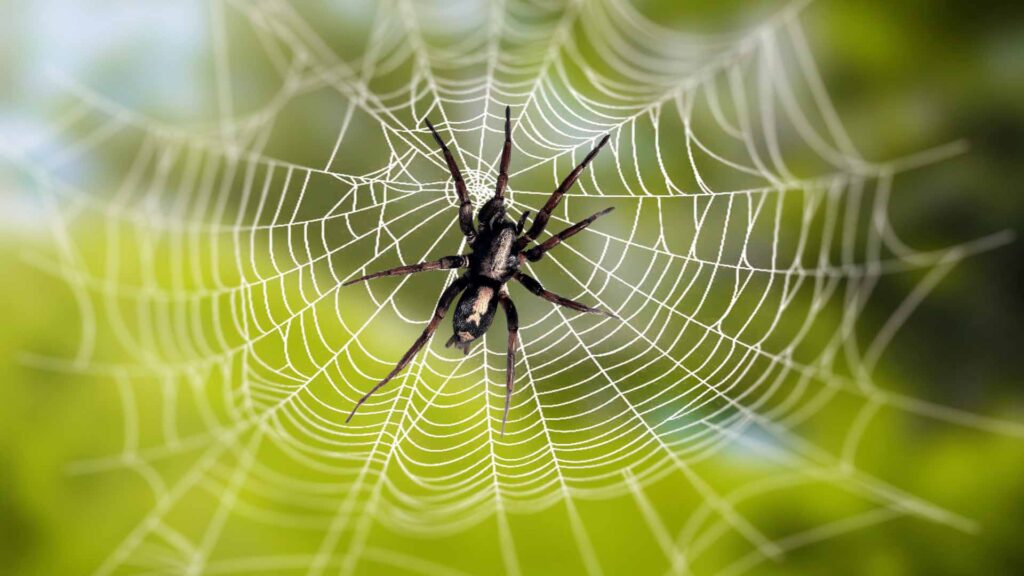
The parson spider gets its name from a white marking on its back that resembles a cravat worn by 18th-century clergy. It is fast and often seen scurrying across floors.
Identification:
- Flat body with long, hairy legs
- White or gray central mark on dark brown to black body
- Fast runner
- Around 1/2 inch in body length
Habitat:
Commonly found indoors in basements, behind furniture, or along baseboards. Outdoors, they hide under bark, stones, and leaf piles.
Color:
Dark brown or grayish-black with a light-colored stripe or pattern on the abdomen.
Behaviors:
Nocturnal hunter. It may bite if trapped against the skin but the bite is not serious. Moves quickly and is often mistaken for more dangerous spiders due to its speed and color.
Color and Pattern-Based Brown Spiders
Many brown spiders feature distinct markings that help with their identification. These patterns—like stripes, spots, or subtle color changes—can indicate species or act as camouflage. Below are common brown spiders described by their coloration and pattern traits.
Light Brown Spider – Southern House Spider (Male)
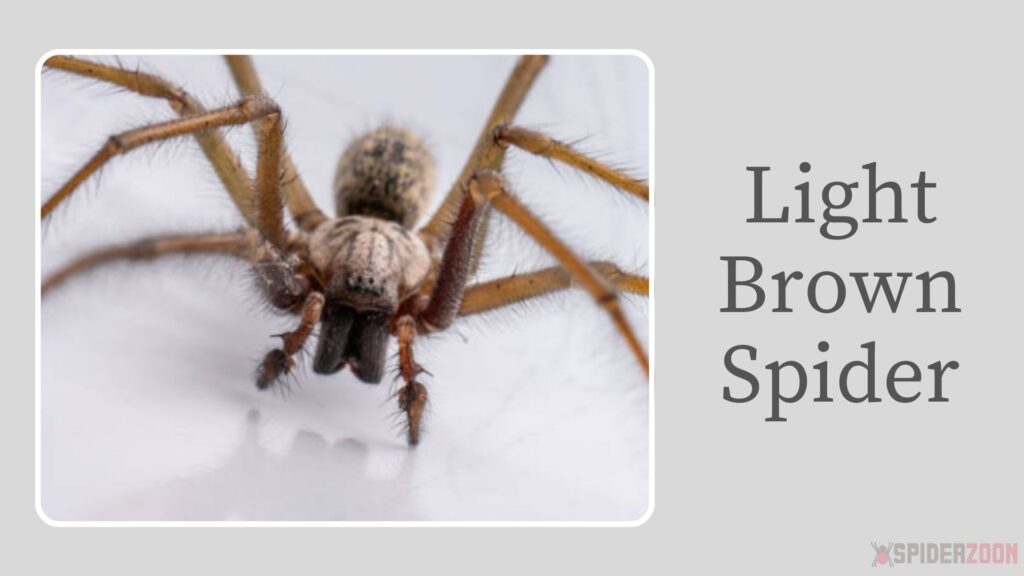
The male southern house spider is often confused with the brown recluse due to its light brown coloring and long legs. Unlike the recluse, it lacks a violin marking and has eight eyes closely grouped together.
This spider’s pale brown body helps it blend into walls and ceilings, making it hard to notice. Males are slimmer and more active than females, especially during the mating season.
Though they may appear alarming indoors, light brown southern house spiders are harmless and avoid human contact whenever possible.
Brown Spider with Black Stripe – Funnel-Web Grass Spider
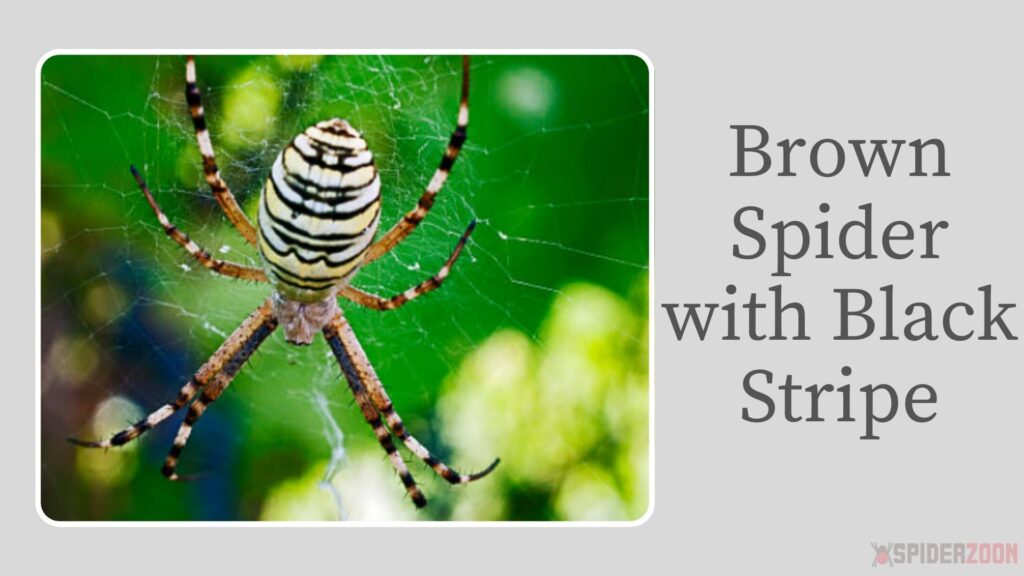
The funnel-web grass spider often has two distinct black stripes running lengthwise down its cephalothorax. These stripes help distinguish it from other similar brown spiders.
Its black-striped pattern enhances its camouflage in grassy areas and mulch. The stripe detail is especially visible when viewed from above while the spider rests near its web’s funnel.
This spider builds flat sheet-like webs and waits for prey near the funnel entrance. It is fast-moving and non-aggressive toward humans.
Brown Spider with White Spots – Orb Weaver (Spotted Variant)
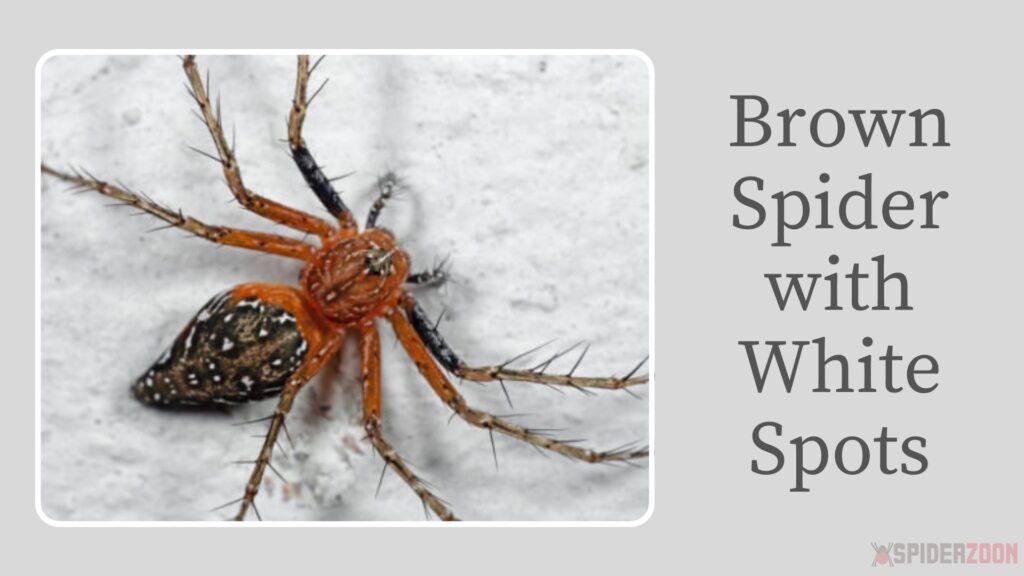
Certain orb weaver spiders, particularly in their juvenile stages, show white or cream-colored spots on their brown bodies. These markings often sit on the top of the abdomen.
The white spots can vary in size and pattern depending on age and gender. When web-building in gardens or shrubs, their colors may appear more vibrant under sunlight or artificial light.
They are harmless and beneficial, commonly seen hanging upside down in large, wheel-shaped webs.
Brown Spider with White Stripe Back – Parson Spider
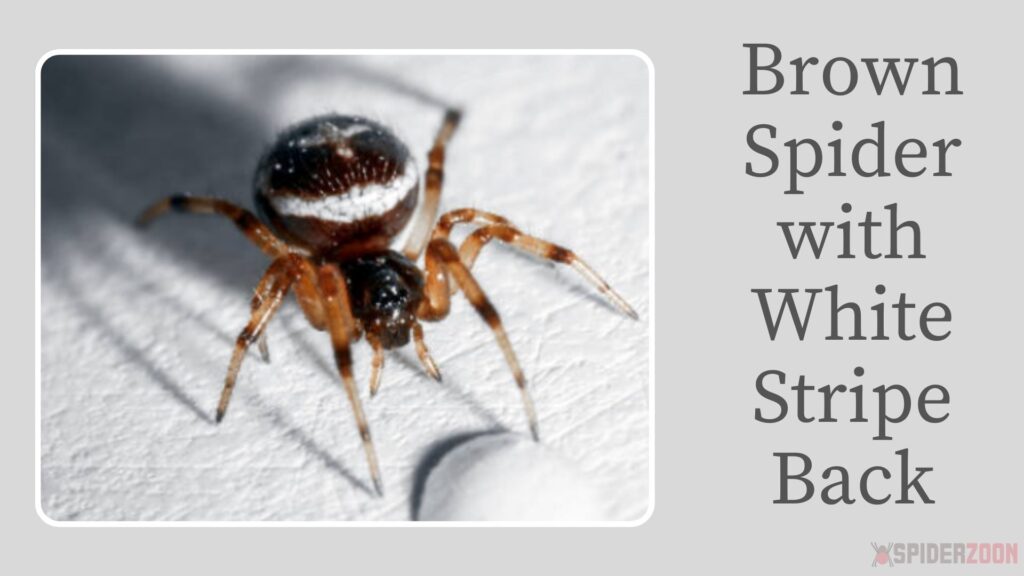
The parson spider has a signature light or white stripe running down the center of its dark brown back. This stripe inspired its name, as it resembles a cravat worn by clergy.
The contrast between the brown body and light stripe makes it easier to identify indoors, especially at night when it scurries across walls or floors.
Though fast and active, the parson spider is not dangerous. It may bite if pressed against skin but causes only mild irritation.
Brown and Yellow Spider – Brown Garden Orb Weaver
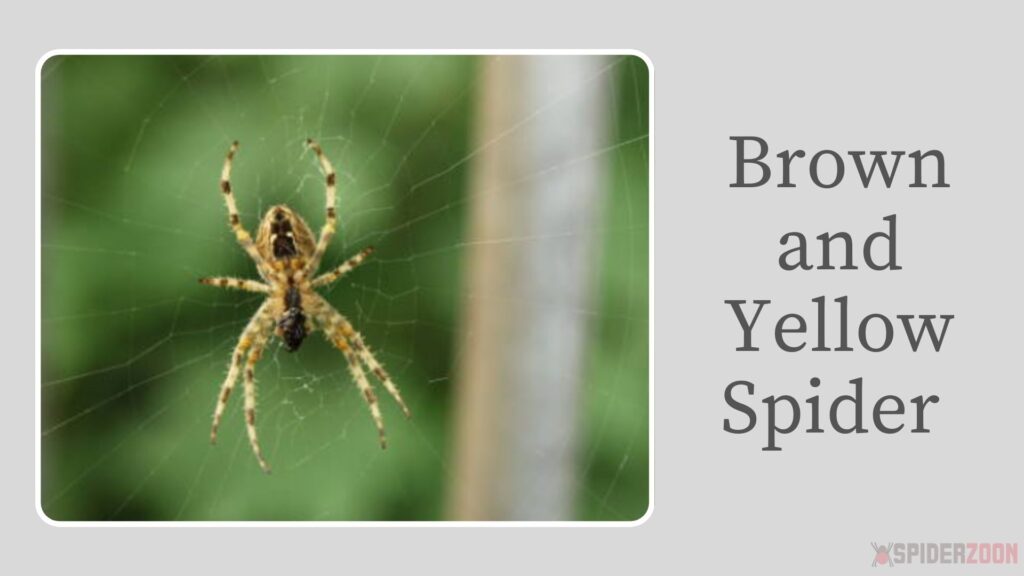
The brown garden orb weaver often features yellow markings or bands across its brown abdomen and legs. These colors help it camouflage among flowers and plants.
Yellow hues may appear near the joints or in patterns on its back, especially in mature females. These patterns help it blend into both greenery and dried vegetation.
It spins large, circular webs and is typically active during evening hours, resting in the center of the web.
Brown Spider with Striped Legs – Wolf Spider
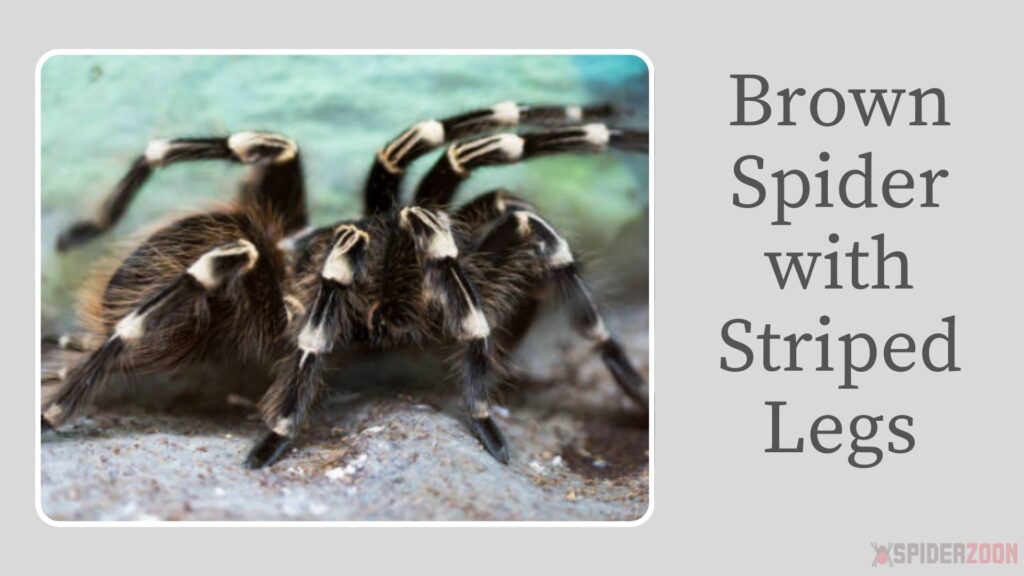
The wolf spider is known for its striped legs—brown limbs marked with lighter tan or grayish bands. These leg stripes are often the most noticeable feature at a glance.
The body may also show subtle stripes, but the leg patterns are clearer and useful for ID. These help the spider blend in with forest floors, grass, and rocky ground.
Wolf spiders are active hunters and do not spin webs. Despite their size and speed, they are not aggressive toward people.
Brown Spider with Black Spots – Nursery Web Spider
The nursery web spider sometimes displays small black or dark brown spots along the abdomen or leg joints. These markings vary between individuals and can be subtle.
The spots are most visible when the spider is resting or while the female is carrying her egg sac. These visual features help identify it when compared to similar long-legged brown spiders.
It prefers moist environments near water or plants and builds protective nursery webs when spiderlings are about to hatch.
Brown Spider with Stripes – Wolf Spider
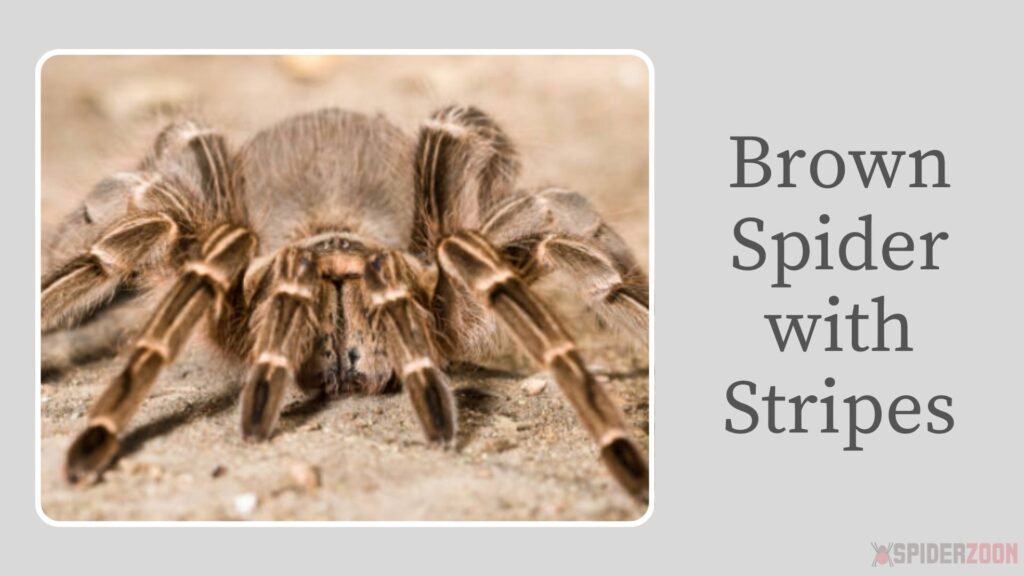
Wolf spiders are again a good match here due to the striped patterns running down their backs and legs. These bold, linear stripes give the spider a rugged and camouflaged appearance.
Stripes help the wolf spider disappear into its natural surroundings, such as leaf litter or sandy soil. The pattern also makes it one of the more visually recognizable brown spiders.
Even though they look intimidating, wolf spiders are solitary and not aggressive unless cornered or threatened.
Brown Spider with White Spot on Back – Brown Widow Spider
The brown widow spider can sometimes show a pale or white spot on the top of its abdomen in addition to the hourglass mark underneath. This spot varies in clarity between individuals.
The white or cream spot may sit centrally on the upper body and helps differentiate it from other widow species that have shinier, darker coloring.
These spiders are often found in secluded outdoor spots and are not aggressive. They retreat when disturbed and rarely bite.
Brown Spider Stripe on Back – Funnel-Web Grass Spider
The funnel-web grass spider has a characteristic dark stripe running lengthwise down its back, often accompanied by a second stripe or pattern on the cephalothorax.
This brown spider’s back stripes are consistent features used for quick ID. These markings are helpful when seen resting on its funnel-shaped web.
It’s fast but not harmful, often fleeing into the funnel when approached.
Region-Specific Brown Spiders in the U.S.
Brown spiders are common across the United States, but the types and frequency vary by region. Some states have a higher presence of venomous species like the brown recluse, while others are home to harmless orb weavers or wolf spiders. Below are region-specific insights based on common sightings.
Brown Spiders in Texas
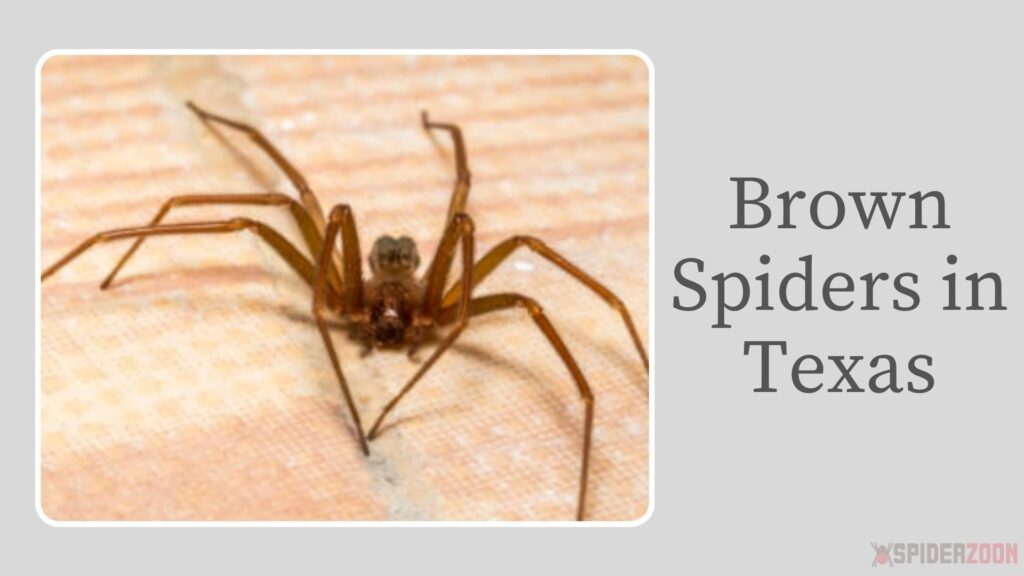
Texas is home to a wide variety of brown spiders, including the brown recluse, wolf spider, and southern house spider. The climate and diverse environments offer perfect hiding spots for both indoor and outdoor species.
Brown recluses are especially concerning in central and north Texas. They prefer quiet, undisturbed areas in homes. However, not every brown spider in Texas is dangerous.
Larger species like wolf spiders often enter garages or basements. Most brown spiders in Texas are harmless and play a role in controlling insects.
Brown Spider Florida
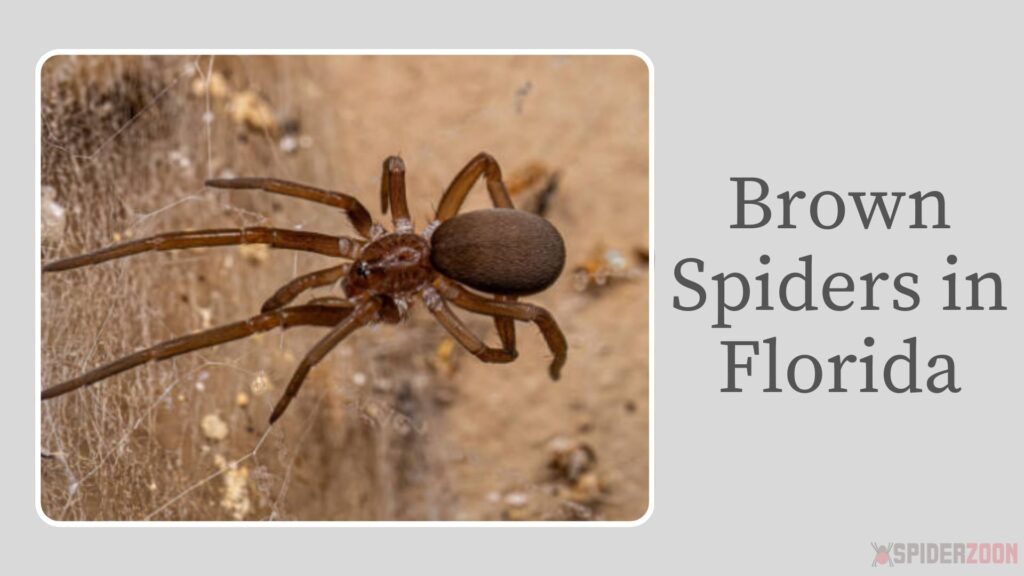
In Florida, the brown widow spider is particularly common due to the warm, humid climate. It is less aggressive than its black widow cousin and is often found around outdoor furniture and sheds.
Florida also has many orb weavers, funnel-web grass spiders, and huntsman spiders that may appear brown or tan. These spiders live in gardens, around homes, and near water sources.
While brown spiders in Florida may look intimidating, most are harmless and rarely come indoors unless disturbed.
Brown Spider California
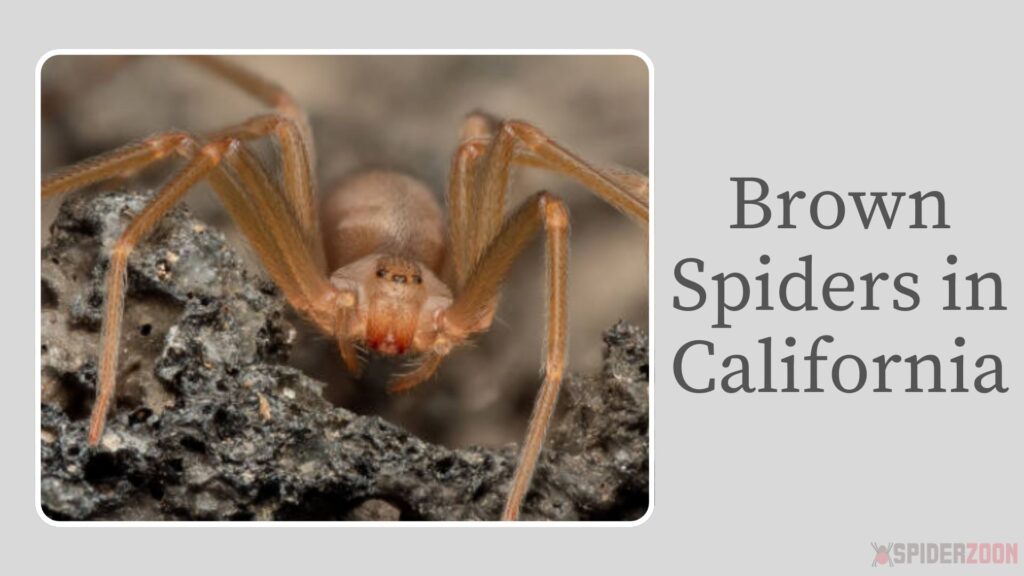
California hosts a wide range of brown spiders, including the brown recluse (rare in the wild), orb weavers, and cellar spiders. However, most brown recluse sightings are isolated and often confused with lookalikes.
Southern California in particular is known for brown widow spiders, which are well-adapted to urban environments. They hide in mailboxes, fences, and patio corners.
Other common spiders include jumping spiders and wolf spiders, which also come in brown varieties and are frequently seen in residential areas.
Brown Spider Arizona
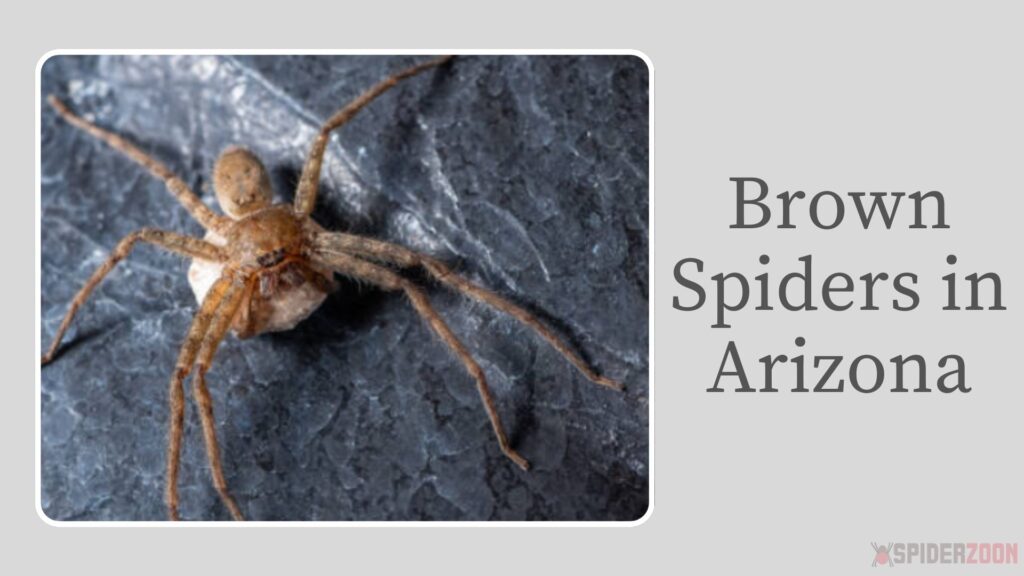
Arizona is one of the states where brown recluse spiders are found, especially in the southern parts of the state. They live in dark, dry places like attics, closets, and behind furniture.
Aside from recluse spiders, Arizona also has ground-dwelling wolf spiders and funnel-web spiders that appear brown. These often stay outdoors or near entry points.
Due to Arizona’s desert climate, many brown spiders have adapted to dry, sandy conditions and are more active during cooler evenings.
Brown Spider Colorado
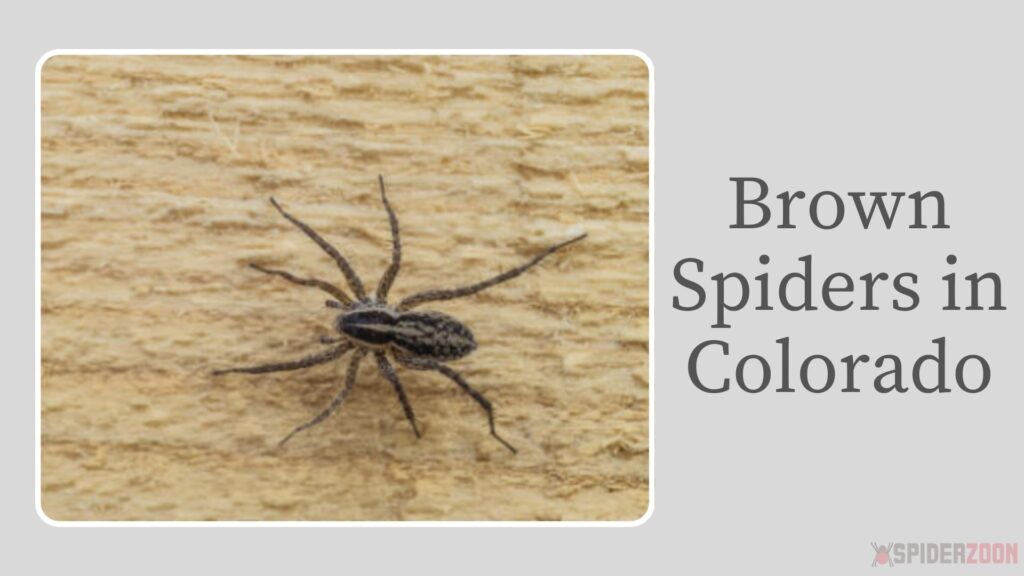
In Colorado, most brown spiders encountered are harmless species like orb weavers and funnel-web grass spiders. These are common in backyards, parks, and garden areas.
The brown recluse spider is not native to Colorado but may occasionally be transported in goods or boxes. Most suspected sightings turn out to be false alarms.
Residents typically find wolf spiders near basements and garages, especially in rural or mountainous areas of the state.
Brown Spiders in Georgia
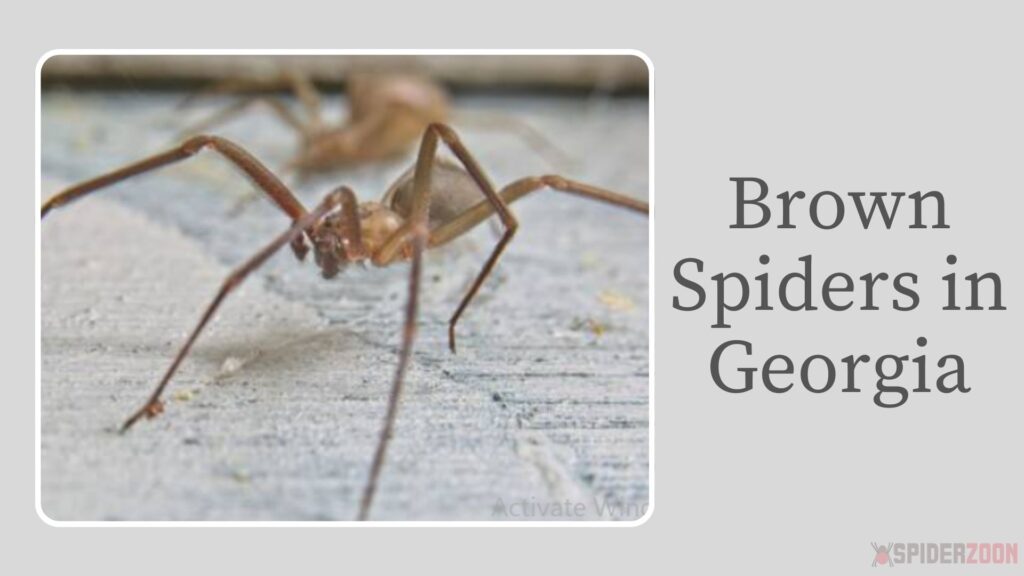
Georgia has both brown recluse and southern house spiders, especially in older buildings and warm, sheltered areas. Males are often seen wandering indoors during the summer.
Other brown spiders in Georgia include orb weavers, parson spiders, and nursery web spiders, many of which stay outside in garden areas and wooded regions.
Brown spiders are part of the natural environment in Georgia and generally don’t pose a threat unless disturbed.
Brown Spiders in Michigan
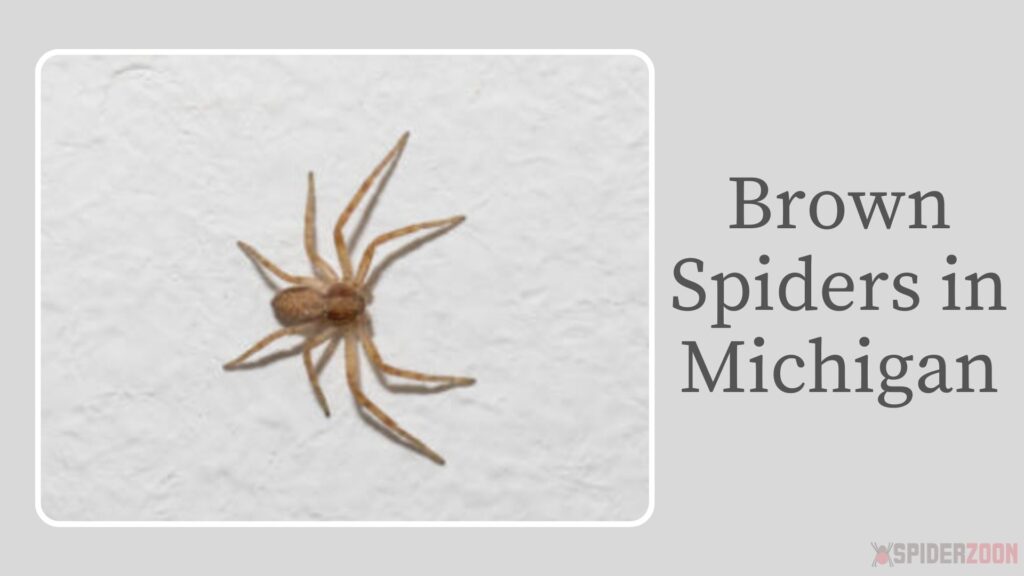
In Michigan, the parson spider and funnel-web grass spider are two commonly seen brown spiders. They are found indoors and around foundation cracks, decks, and window frames.
The brown recluse spider is not native to Michigan, but isolated cases may happen due to transport. Most brown spiders here are non-venomous and beneficial.
Homeowners may notice these spiders during seasonal changes, especially in fall when they seek shelter from the cold.
Brown Spider Ohio
Ohio residents often encounter wolf spiders and orb weavers that come in various brown shades. These spiders thrive in both urban and rural environments.
Though brown recluse spiders are rarely native to Ohio, they may appear in isolated incidents. Most reported sightings turn out to be harmless species.
The southern house spider may also be found in heated indoor spaces, especially older homes with cracks or crawl spaces.
Brown Spider North Carolina
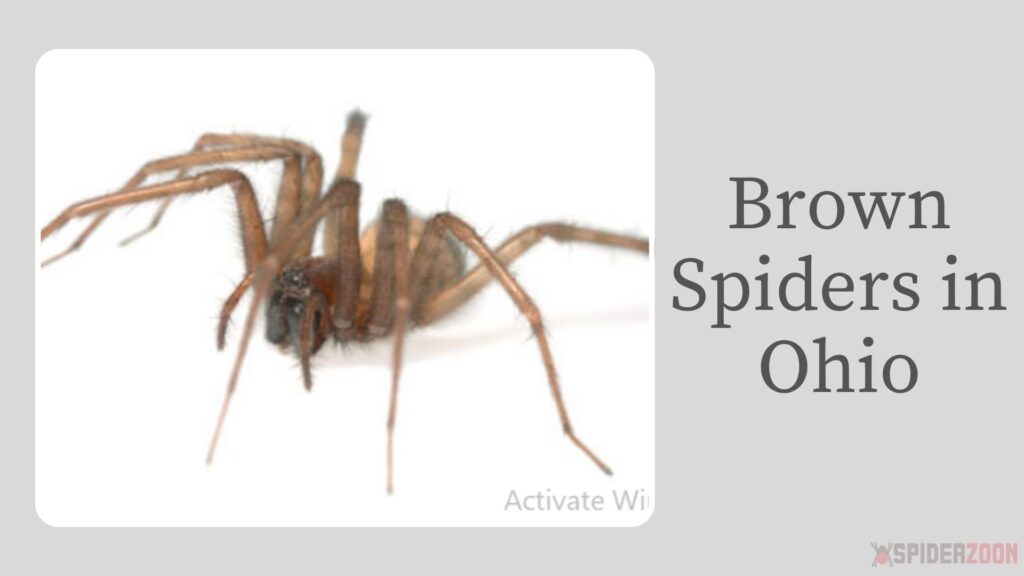
North Carolina has a humid climate that supports a wide range of spider species. Southern house spiders, wolf spiders, and brown orb weavers are frequently seen.
Brown recluse spiders may be present in western parts of the state, though confirmed populations are limited. They typically hide in sheds, under debris, or inside wall voids.
Most brown spiders in North Carolina are non-aggressive and play a helpful role in natural pest control.
Brown Spider South Carolina
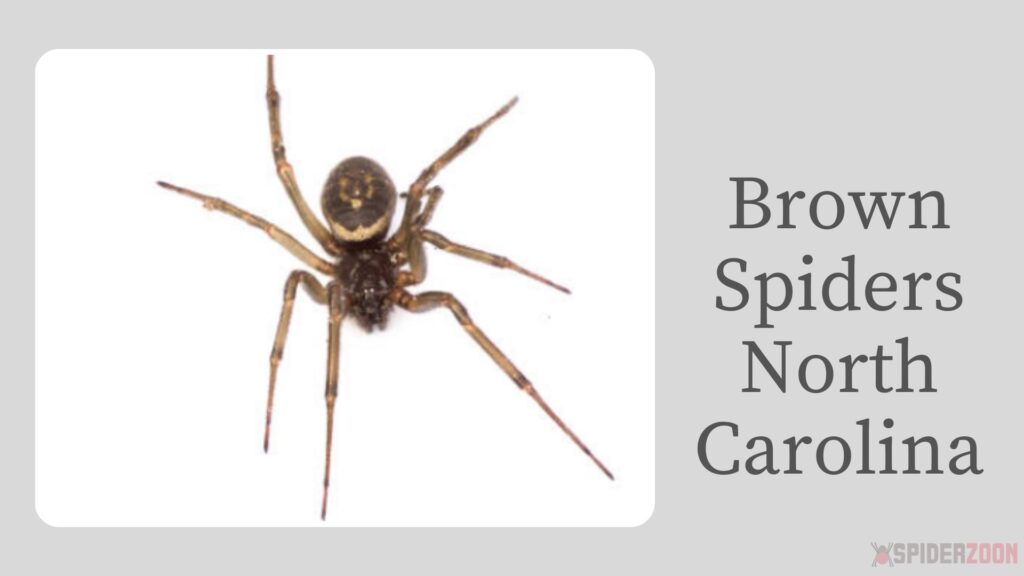
In South Carolina, brown spiders like orb weavers, nursery web spiders, and brown widow spiders are commonly seen around gardens, eaves, and porches.
The southern house spider is widespread indoors, especially in older wooden homes. They prefer dark, undisturbed areas like attics or closets.
While brown recluse spiders can be found here, they are not as widespread as other brown spider species and usually avoid human activity.
Brown Spider Identification
Identifying brown spiders can be tricky, as many species share similar size and color. However, careful observation of specific features can help. Look at the shape, markings, and eye arrangement to narrow down the type. Here’s what to check:
- Color tone: light brown, reddish-brown, or dark brown
- Body size: ranges from 1/4 inch to over 1 inch
- Markings: violin shape, stripes, or spots on the back
- Legs: banded, solid-colored, long or short
- Eye pattern: six eyes (recluse) vs. eight (most others)
- Web type: orb, funnel, or none (hunters like wolf spiders)
Summary
Brown spiders are commonly found across the United States, both indoors and outdoors. While many are harmless and even beneficial, some—like the brown recluse or brown widow—require caution. This guide covered ten types of brown spiders, helping you identify them based on appearance, behavior, and habitat. We also explored regional differences, color patterns, and key traits like stripes, spots, or leg markings. With proper identification, you can better understand which brown spiders to avoid and which ones are safe to leave alone.