




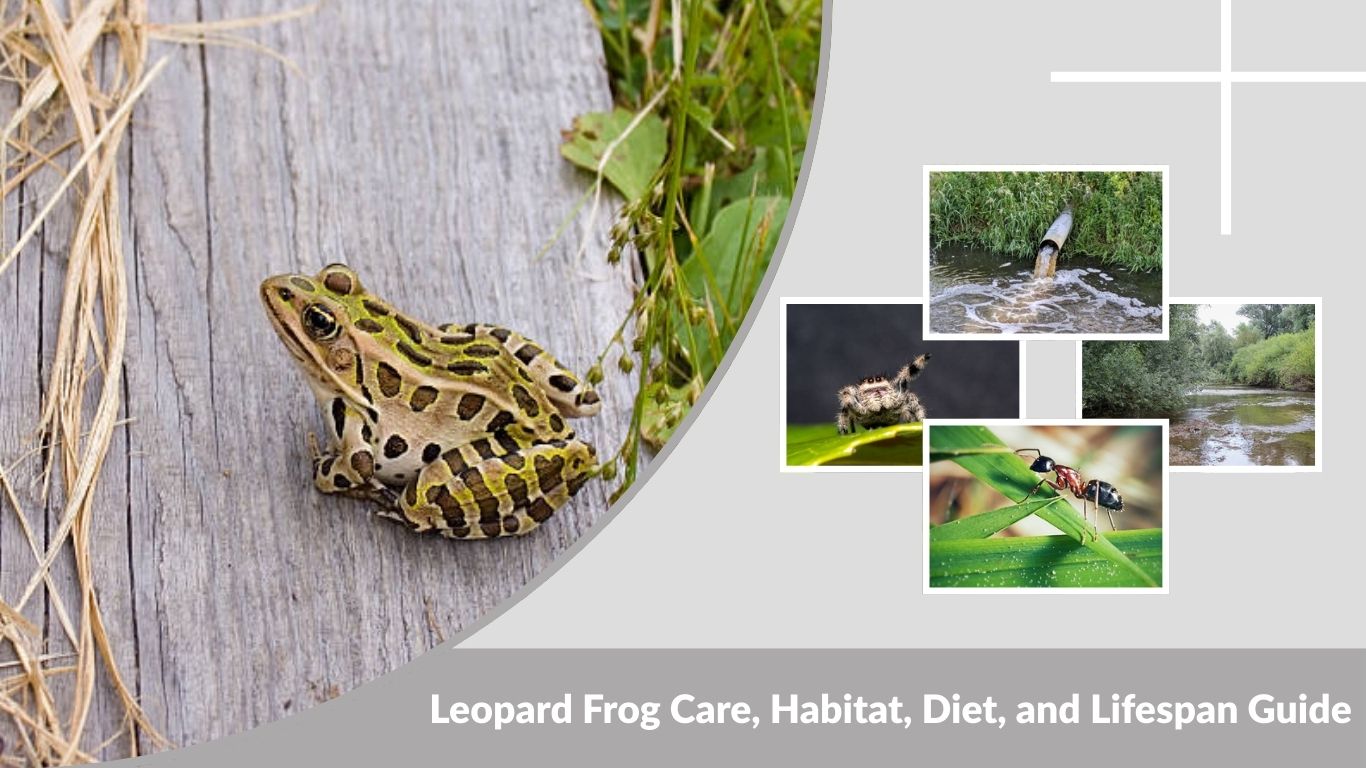
The leopard frog is a well-known North American amphibian recognized for its green or brown body covered in dark, leopard-like spots. Found near ponds, marshes, and grassy wetlands, these frogs are strong swimmers and impressive jumpers. Many people search for answers to questions like: what is a leopard frog, where do leopard frogs live, and are they good pets? In this guide, we’ll explore leopard frog habitat, size, diet, lifespan, and essential care information in detail.
What Is a Leopard Frog?
So, what is a leopard frog exactly?
The term “leopard frog” refers to several frog species in the genus Lithobates (formerly classified under Rana). These frogs are named for the dark, rounded spots that cover their backs and resemble a leopard’s pattern. Their base color ranges from bright green to olive or brown, helping them blend into grasses and aquatic vegetation.
The most commonly recognized species is the Northern Leopard Frog (Lithobates pipiens), though there are several closely related species across North America. Leopard frogs are semi-aquatic, meaning they spend time both in water and on land. They are especially known for their long, powerful hind legs, which allow them to leap impressive distances when escaping predators.
Leopard frog facts often highlight their importance in ecosystems. They serve as both predator and prey, feeding on insects while supporting birds, snakes, and larger mammals in the food chain.
Leopard Frog Scientific Name and Species Types
The leopard frog scientific name depends on the species. The most recognized types include:
- Northern Leopard Frog (Lithobates pipiens)
- Southern Leopard Frog (Lithobates sphenocephalus)
- Plains Leopard Frog (Lithobates blairi)
Although they look similar, their geographic ranges differ. Northern leopard frogs are commonly found in Canada and the northern United States. Southern leopard frogs inhabit the southeastern U.S., while plains leopard frogs are typically found in central regions.
Correct identification matters when discussing habitat preferences, conservation status, and local regulations.
Leopard Frog Habitat – Where Do Leopard Frogs Live?
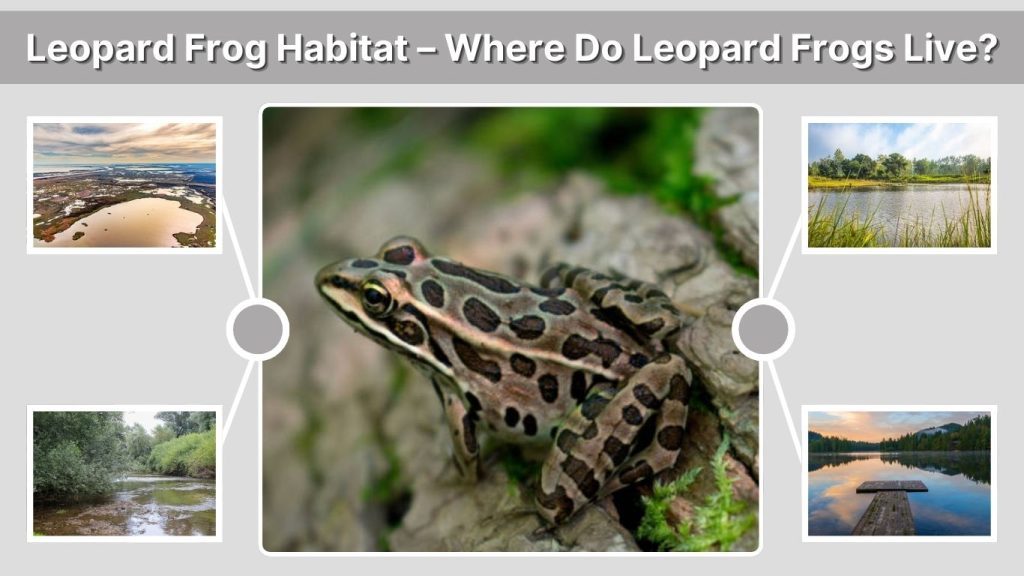
If you’re wondering where do leopard frogs live, they are widely distributed across North America. Their natural leopard frog habitat includes freshwater environments such as ponds, lakes, marshes, slow-moving streams, and wet meadows.
Leopard frogs prefer areas with:
- Shallow water for breeding
- Abundant vegetation for cover
- Nearby grassy land for hunting
Unlike fully aquatic frogs, leopard frogs often travel considerable distances from water during warmer months. They may be seen in fields or lawns, especially after rain.
In colder climates, northern leopard frogs hibernate during winter. They typically overwinter underwater, buried in mud or resting in oxygen-rich water bodies. This adaptation allows them to survive freezing temperatures that many amphibians cannot tolerate.
Because they rely on clean freshwater systems, leopard frogs are often considered indicators of environmental health. Declines in local populations can signal pollution or habitat disruption.
Leopard Frog Size – How Big Do Leopard Frogs Get?
Another common question is: how big do leopard frogs get?
Leopard frog size varies by species and sex. Most adults measure between 2 and 5 inches in length. Northern leopard frogs are usually on the larger end of that range, while some southern species may be slightly smaller.
Females are typically larger than males. During breeding season, males can often be identified by their vocal sacs, which inflate when calling. Their calls are low, snore-like sounds used to attract females.
Leopard frogs grow rapidly during their first year of life. After hatching as tadpoles, they undergo metamorphosis within a few months, developing legs and absorbing their tails before transitioning to life on land and in water.
Despite their moderate size, leopard frogs are extremely agile. Their long hind legs allow them to jump several feet in a single leap, helping them escape predators quickly.
Leopard Frog Lifespan
The leopard frog lifespan depends on environmental conditions and threats. In the wild, most leopard frogs live between 3 and 6 years. Predation, habitat loss, disease, and pollution can significantly reduce survival rates.
In protected or captive environments, leopard frogs may live up to 8–10 years with proper care. Consistent access to clean water, appropriate food sources, and minimal stress all contribute to longevity.
Young frogs face the highest mortality rates. Eggs and tadpoles are especially vulnerable to fish, insects, birds, and other predators. Only a small percentage survive to adulthood in natural conditions.
What Do Leopard Frogs Eat?
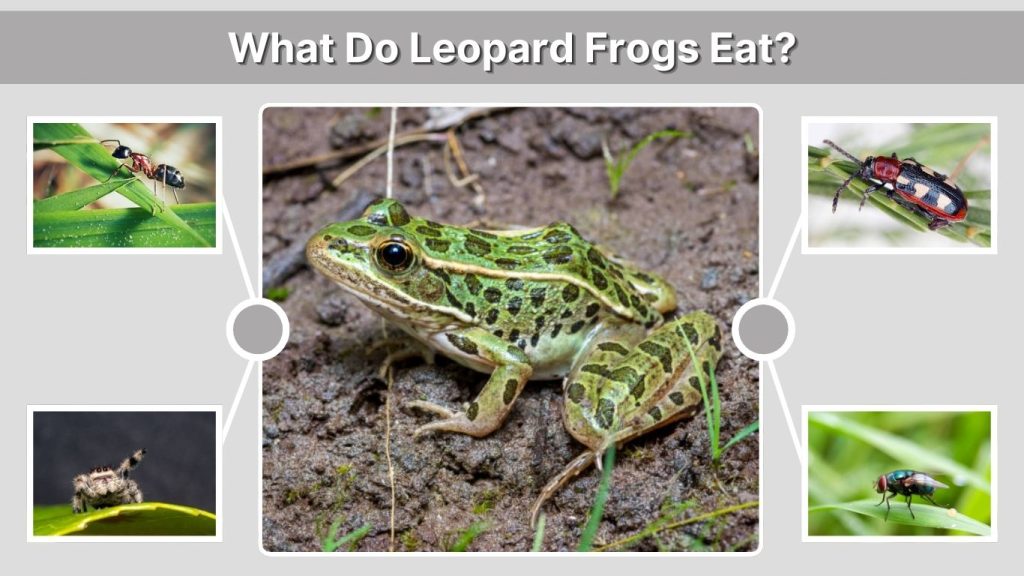
If you’re asking what do leopard frogs eat, they are carnivorous and opportunistic feeders.
Adult leopard frog diet mainly consists of insects and other small invertebrates. They commonly consume beetles, flies, ants, spiders, grasshoppers, and worms. Larger individuals may occasionally eat small amphibians or even tiny fish.
Leopard frogs are “sit-and-wait” predators. They remain still and use their strong vision to detect movement. When prey comes within range, they lunge forward and capture it with their sticky tongue.
Tadpoles have a very different diet. In the early stages of life, they primarily feed on algae and plant material. As they grow and approach metamorphosis, some species may begin consuming small aquatic organisms.
Because of their diet, leopard frogs play a major role in controlling insect populations in wetland environments.
Leopard Frog Life Cycle
Like all amphibians, leopard frogs undergo a fascinating transformation during their lives. Breeding usually takes place in early spring when temperatures begin to rise. Males gather in shallow water and call to attract females, producing low, snore-like sounds.
After mating, females lay clusters of eggs attached to submerged vegetation. A single female can lay thousands of eggs at once. Within one to three weeks, depending on water temperature, the eggs hatch into tadpoles.
The tadpole stage lasts roughly two to three months. During this time, the young frogs develop hind legs first, followed by front legs. Their tails gradually shrink as lungs develop, allowing them to breathe air. Once metamorphosis is complete, they leave the water as small froglets and begin hunting insects on land.
This complex life cycle makes leopard frogs highly dependent on both aquatic and terrestrial environments for survival.
Are Leopard Frogs Good Pets?
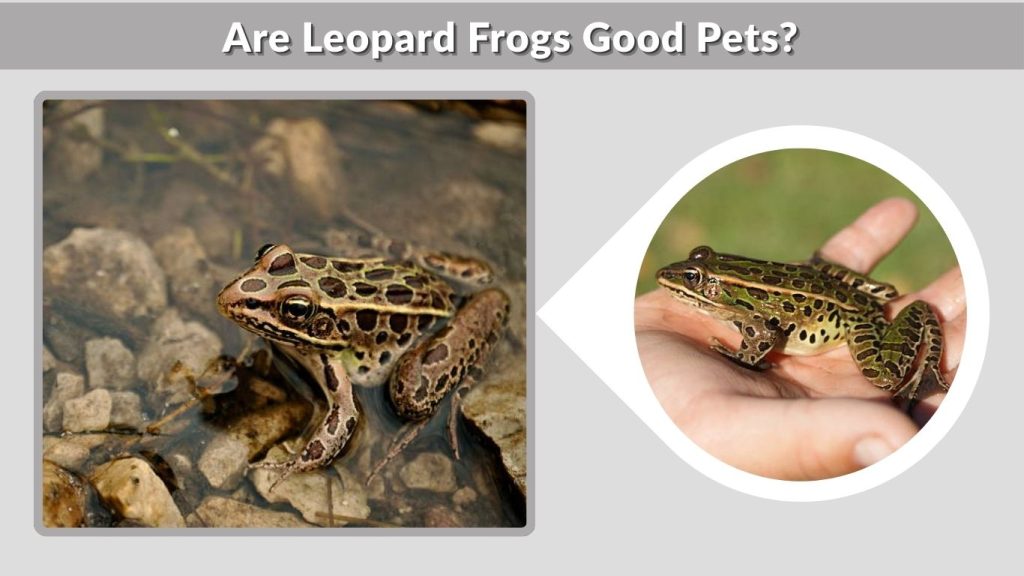
Many people wonder whether a leopard frog pet is a good choice. The answer depends on expectations and local regulations.
Leopard frogs are not interactive pets like dogs or cats. They are best suited for observation rather than frequent handling. Because they are active and strong jumpers, they require secure enclosures. In some areas, it may be illegal to collect wild leopard frogs without a permit, so checking wildlife laws is essential.
For experienced amphibian keepers, leopard frogs can be manageable pets. However, beginners may find fully aquatic or captive-bred species easier to care for. Wild-caught frogs can experience stress in captivity, and improper care may shorten their lifespan.
If someone is considering keeping one, sourcing captive-bred individuals is always the more ethical and sustainable choice.
Leopard Frog Care Guide
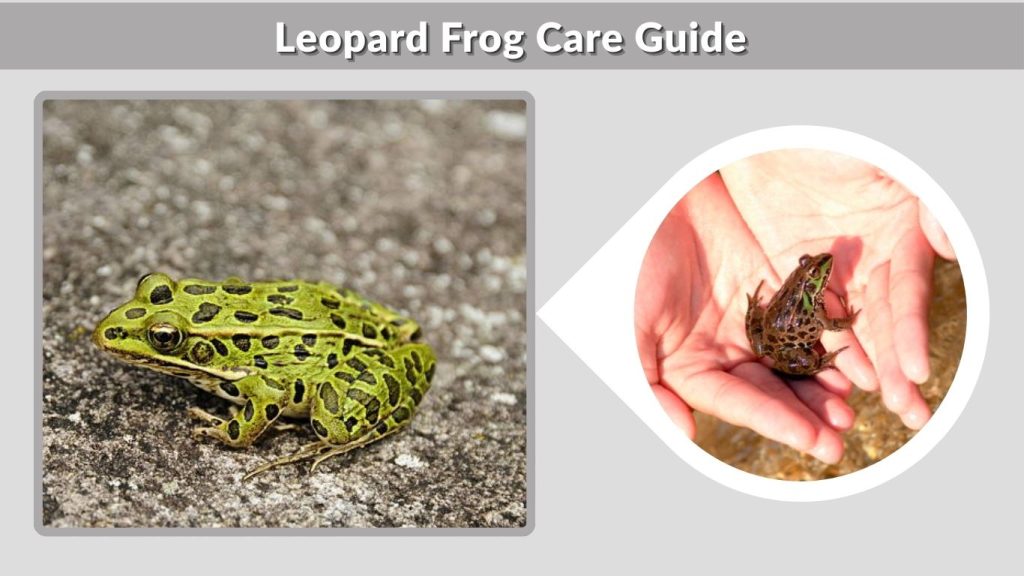
Proper leopard frog care focuses on replicating their semi-aquatic natural environment. Because they divide their time between land and water, their enclosure must accommodate both.
Leopard Frog Enclosure Setup
A leopard frog enclosure should be spacious enough to allow movement and jumping. A 20-gallon tank is typically recommended for one adult frog. The setup should include both a shallow water section and a dry land area.
The water area must be dechlorinated and filtered or changed frequently to prevent bacterial buildup. The land section can be lined with moist soil or coconut fiber substrate. Adding live or artificial plants provides cover and reduces stress.
Because leopard frogs are strong jumpers, a secure lid is necessary to prevent escape.
Temperature and Humidity Needs
Leopard frogs thrive in moderate temperatures. Ideal daytime temperatures range between 65 and 75°F (18–24°C). They do not require intense heat lamps, and extreme warmth can cause stress.
Humidity should remain moderately high but not excessively damp. Regular misting helps maintain appropriate moisture levels. Good ventilation is also important to prevent mold growth inside the enclosure.
Lighting can follow a natural day-night cycle of approximately 12 hours of light and 12 hours of darkness. While they do not require strong UVB lighting like reptiles, low-level UVB may support overall health in captivity.
Feeding Schedule in Captivity
In captivity, leopard frogs eat live insects such as crickets, mealworms, and small roaches. Food should be appropriately sized and offered two to three times per week for adults. Juveniles may need more frequent feeding.
Dusting insects with calcium supplements once or twice weekly supports bone health. Overfeeding should be avoided, as obesity can reduce lifespan and mobility.
Fresh water must always be available, and uneaten insects should be removed promptly to prevent stress or injury.
Are Leopard Frogs Poisonous?
A common question is: are leopard frogs poisonous?
Leopard frogs are not poisonous in a dangerous way. Like most amphibians, they produce mild skin secretions that help protect them from bacteria and predators. However, these secretions are not harmful to humans under normal circumstances.
It is still important to wash hands before and after handling any frog. Amphibians have sensitive skin that can absorb chemicals from human hands, and humans can potentially contract bacteria such as Salmonella from improper handling.
Overall, leopard frogs are not considered toxic or dangerous to people.
Interesting Leopard Frog Facts
Leopard frog facts reveal just how remarkable these amphibians are:
- They can leap several times their body length in a single jump.
- Some northern populations can survive cold winters underwater.
- Their spotted pattern helps them camouflage in grasses.
- They play a vital role in controlling insect populations.
- Their calls are often compared to a soft snore.
These traits make them one of the most recognizable frog species in North America.
Conservation Status and Threats
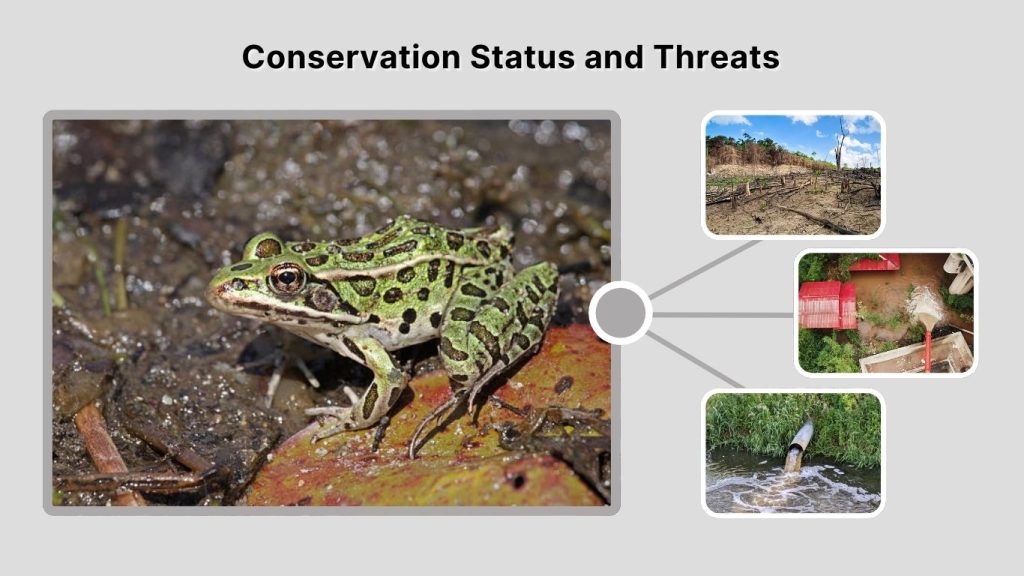
Although leopard frogs remain widespread, some regional populations have declined. Habitat destruction, wetland drainage, water pollution, and climate change all impact survival rates. Disease, particularly chytrid fungus infections, has also affected amphibian populations worldwide.
Because they are sensitive to environmental changes, leopard frogs serve as important bioindicators. A healthy frog population often reflects a healthy ecosystem.
Conservation efforts focus on protecting wetlands, reducing pollution, and monitoring disease spread.
Final Thoughts
The leopard frog is a fascinating amphibian known for its spotted appearance, strong jumping ability, and adaptability to diverse environments. Found throughout much of North America, these frogs thrive in clean wetlands and grassy areas.
Understanding leopard frog habitat, diet, lifespan, and care requirements is essential whether you’re observing them in the wild or considering captive care. With proper environmental protection and responsible practices, leopard frogs will continue to play an important ecological role for generations to come.