
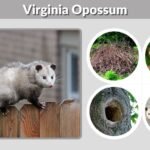

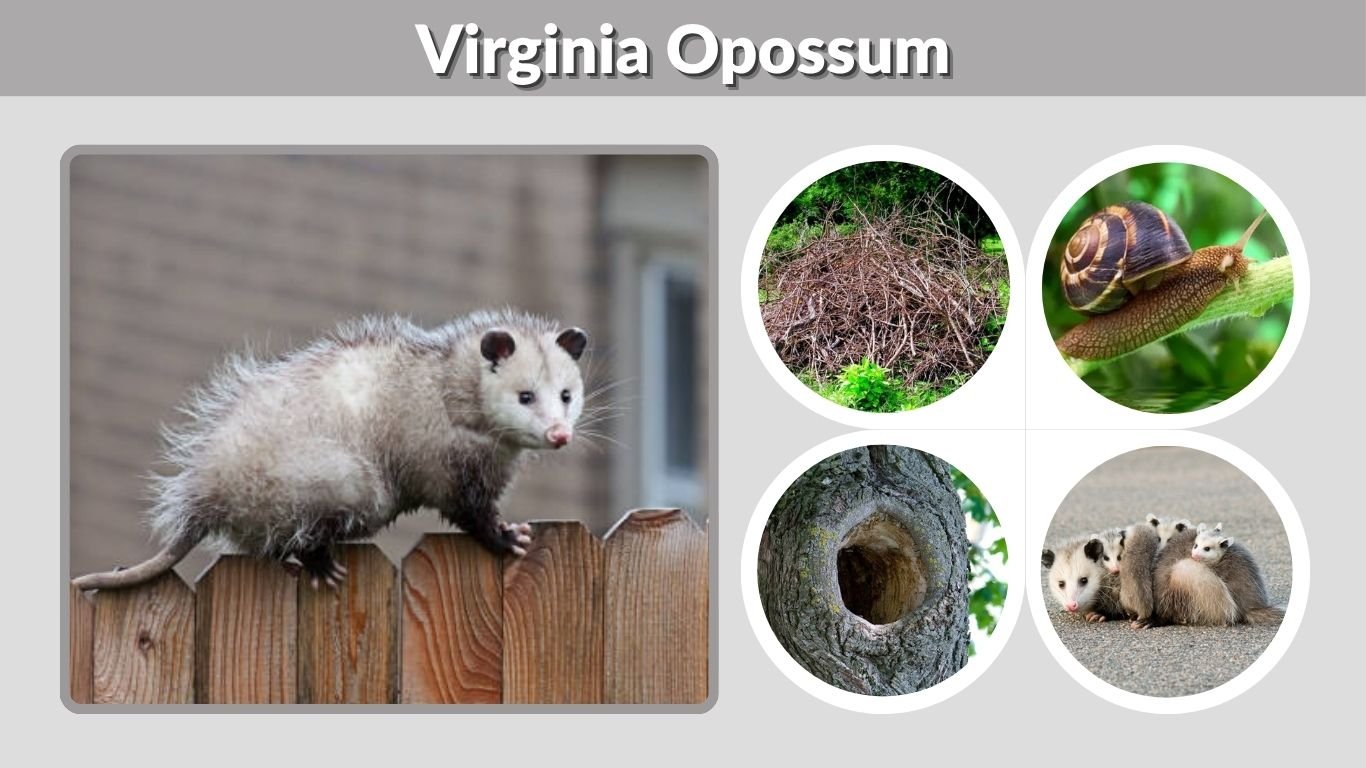
The Virginia opossum is a cat-sized, nocturnal marsupial recognized by its pale face, pink nose, dark rounded ears, and long, nearly hairless tail. Although its name refers to Virginia, this adaptable animal lives across a vast area of North and Central America.
Virginia opossums are commonly seen crossing roads, searching through yards, or sheltering beneath buildings. Their defensive displays can look frightening, but they generally prefer escaping or “playing dead” rather than confronting people.
Virginia Opossum Scientific Name and Classification
The scientific name of the Virginia opossum is Didelphis virginiana. It belongs to the family Didelphidae and the order Didelphimorphia.
The Virginia opossum is the only marsupial found north of Mexico. Like kangaroos and wallabies, female opossums have a pouch in which their newborn young continue developing. Despite their somewhat rat-like appearance, opossums are not rodents.
| Classification | Details |
| Common name | Virginia opossum |
| Scientific name | Didelphis virginiana |
| Class | Mammalia |
| Order | Didelphimorphia |
| Family | Didelphidae |
| Diet | Omnivore |
| Activity | Nocturnal |
| Conservation status | Least Concern |
What Does a Virginia Opossum Look Like?
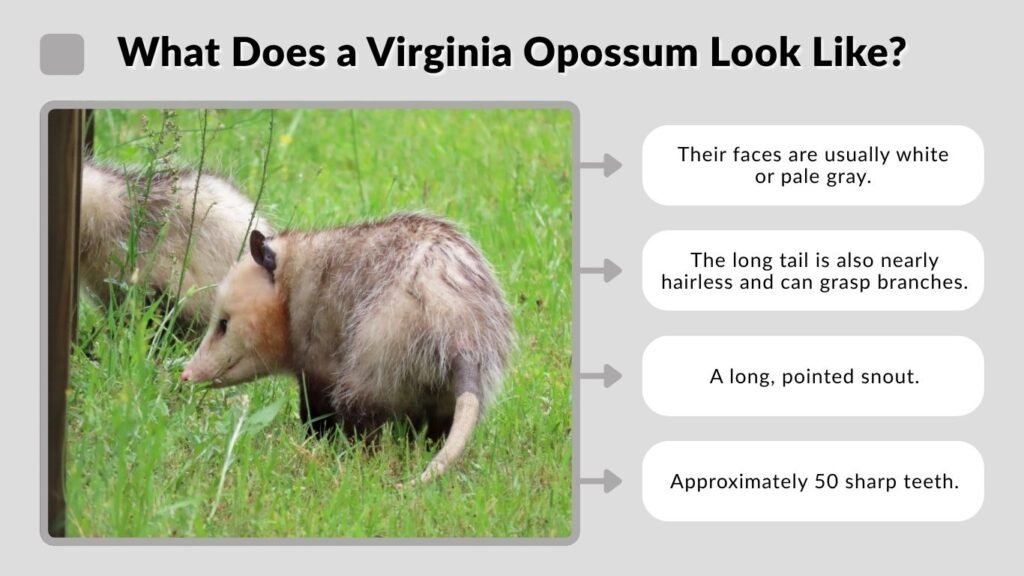
Virginia opossums have thick bodies, short legs, pointed faces, and coarse fur. Most have grayish coats with long, pale-tipped guard hairs, although coloration can range from reddish brown to almost black.
Their faces are usually white or pale gray, while their large ears are mostly hairless. The long tail is also nearly hairless and can grasp branches or help stabilize the animal while climbing.
Identification Features
A Virginia opossum can be recognized by:
- A long, pointed snout
- A pale or white face
- A pink nose
- Dark, rounded ears
- Gray or gray-brown fur
- Five toes on each foot
- An opposable toe on each hind foot
- A long, prehensile tail
- Approximately 50 sharp teeth
The specialized hind feet and grasping tail make the animal an effective climber. However, adults are too heavy to spend long periods hanging upside down by their tails.
Virginia Opossum Size
An adult Virginia opossum is approximately the size of a domestic cat, although males are usually heavier than females.
Its head-and-body length generally ranges from 33 to 55 centimeters, or about 13 to 22 inches. The tail may add another 25 to 54 centimeters. Adults commonly weigh between 1.9 and 6 kilograms, or approximately 4 to 13 pounds.
| Measurement | Typical range |
| Body length | 13–22 inches |
| Tail length | 10–21 inches |
| Weight | 4–13 pounds |
| Male size | Usually larger |
| Female size | Usually smaller |
Body size varies according to sex, habitat, food availability, and geographic location. Opossums living in cities may become heavier because garbage, pet food, and other concentrated food sources are readily available.
Virginia Opossum Habitat
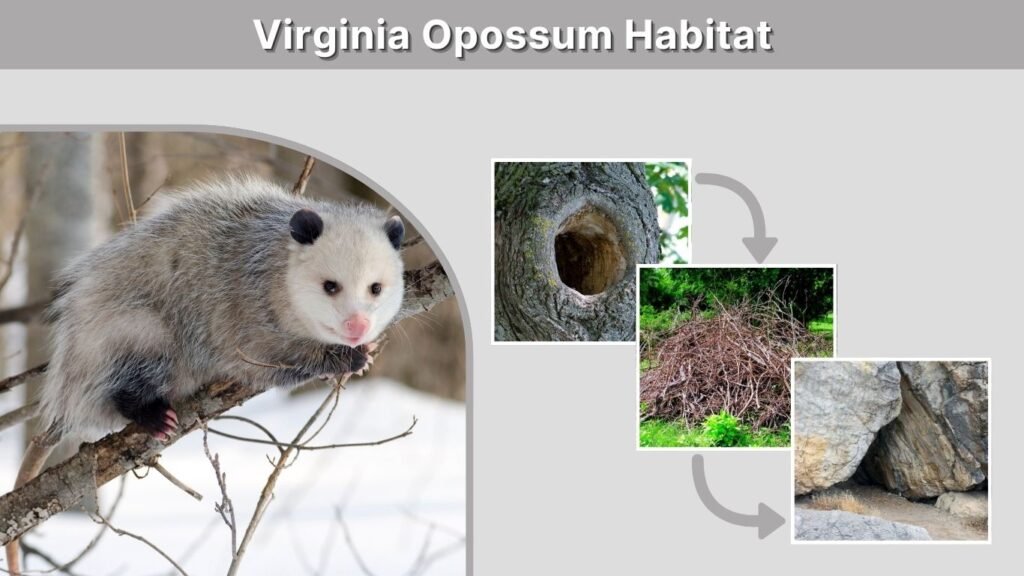
Virginia opossums can survive in many environments, but they generally prefer wooded or brushy areas near water. Streams, swamps, wetlands, rivers, and damp forests provide food, drinking water, and protective cover.
They also adapt extremely well to human-modified landscapes. They may live in suburban yards, city parks, agricultural areas, drainage systems, and around rural buildings.
Common Shelter Sites
During the day, a Virginia opossum may rest inside:
- Hollow trees
- Abandoned animal burrows
- Brush or wood piles
- Rock crevices
- Drainage pipes
- Barns and sheds
- Spaces beneath decks
- Crawl spaces under houses
Opossums rarely construct elaborate dens. Instead, they usually occupy an existing cavity or abandoned shelter. They may carry leaves and other nesting material with their mouth or curled tail.
Virginia Opossum Range
The Virginia opossum has an extensive range stretching from Costa Rica and Mexico through much of the United States and into southern Canada.
In the United States, it is naturally widespread east of the Rocky Mountains. It was introduced to parts of the West Coast, where established populations now occur in California, Oregon, Washington, and British Columbia.
Its northern range has expanded over time, although harsh winters, deep snow, and frostbite can limit survival. The animal does not hibernate, but it may remain sheltered and reduce its activity during extremely cold weather.
What Do Virginia Opossums Eat?
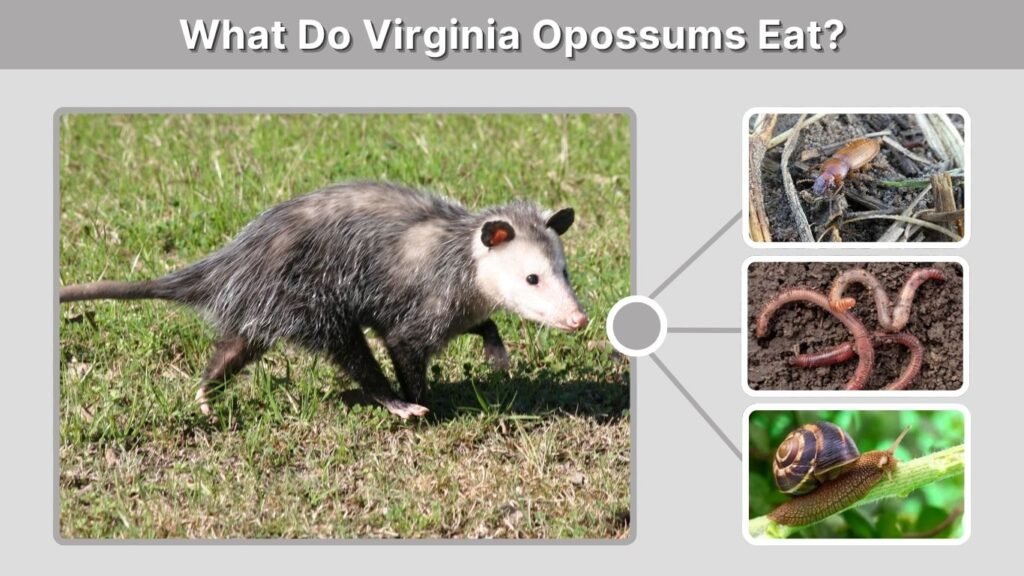
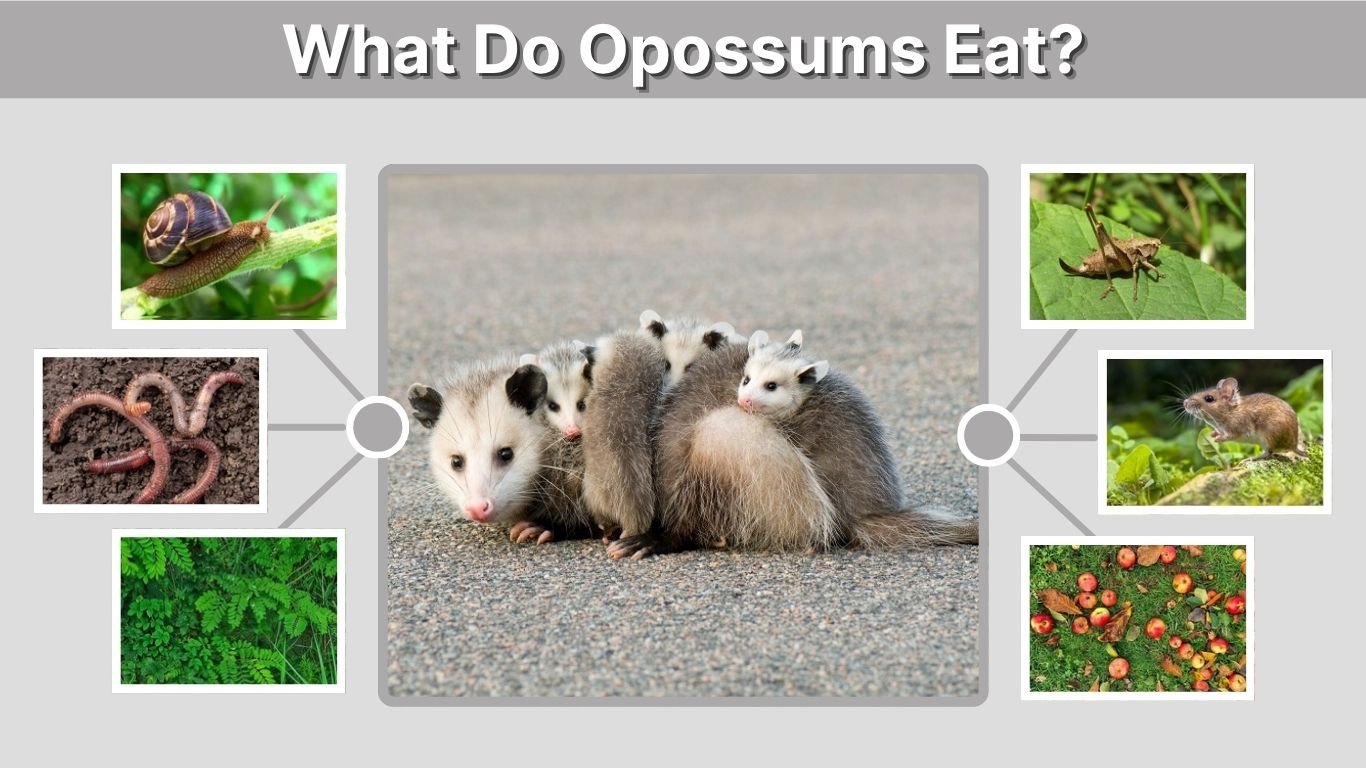
Virginia opossums are opportunistic omnivores and scavengers. Their diet changes with the season and according to what is locally available.
Common Foods
A Virginia opossum may eat:
- Beetles and other insects
- Earthworms
- Snails and slugs
- Small rodents
- Frogs and reptiles
- Eggs and small birds
- Fruits and berries
- Seeds and grains
- Grasses and leaves
- Carrion
Around homes, they may also consume fallen fruit, unsecured garbage, compost, poultry feed, and pet food. Their ability to eat many different foods helps them survive in both wilderness and urban environments.
Homeowners should not intentionally feed wild opossums. Regular feeding can cause dependency, poor nutrition, conflicts with pets, and repeated visits to houses.
Virginia Opossum Lifespan
Virginia opossums have surprisingly short lives. In the wild, most live approximately 1.5 to 2 years. Individuals receiving professional human care may survive for three or four years.
Major causes of death include:
- Vehicle collisions
- Predation by dogs and wild animals
- Severe winter weather
- Disease and parasites
- Injuries from territorial encounters
- Loss of suitable shelter
Their short lifespan is balanced by rapid reproduction. Females can become sexually mature during their first year and may produce multiple litters depending on climate and location.
Reproduction and Baby Opossums
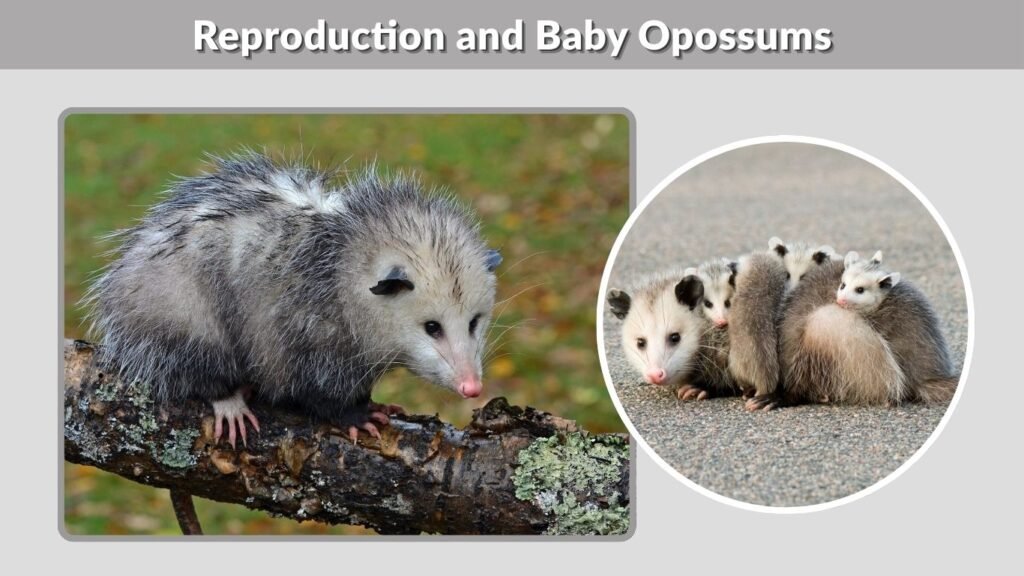
Virginia opossums have one of the shortest gestation periods among mammals, lasting only about 12 to 13 days. A female may give birth to between four and 25 tiny young, although she cannot successfully nurse all of a very large litter.
The newborns crawl into the mother’s pouch immediately after birth and attach themselves to a nipple. They remain in the pouch for approximately two months before eventually riding on their mother’s back.
Young opossums are weaned at around three to four months and soon become independent. Females commonly produce two litters annually, while those in warmer regions may have three.
Virginia Opossum Behavior
Virginia opossums are solitary and primarily active between dusk and dawn. They travel along the ground while searching for food but can also climb trees and swim when necessary.
When threatened, an opossum may open its mouth, display its teeth, hiss, growl, or release a strong-smelling substance. These behaviors are intended to frighten a predator rather than begin an attack.
Why Do Opossums Play Dead?
“Playing possum” is an involuntary defensive response rather than a deliberate performance. A frightened animal may collapse, become stiff, drool, open its mouth, and appear dead.
This state can last from several minutes to several hours. Young opossums display the behavior more frequently, while adults may hiss, flee, climb, or defend themselves when cornered.
Are Virginia Opossums Dangerous?
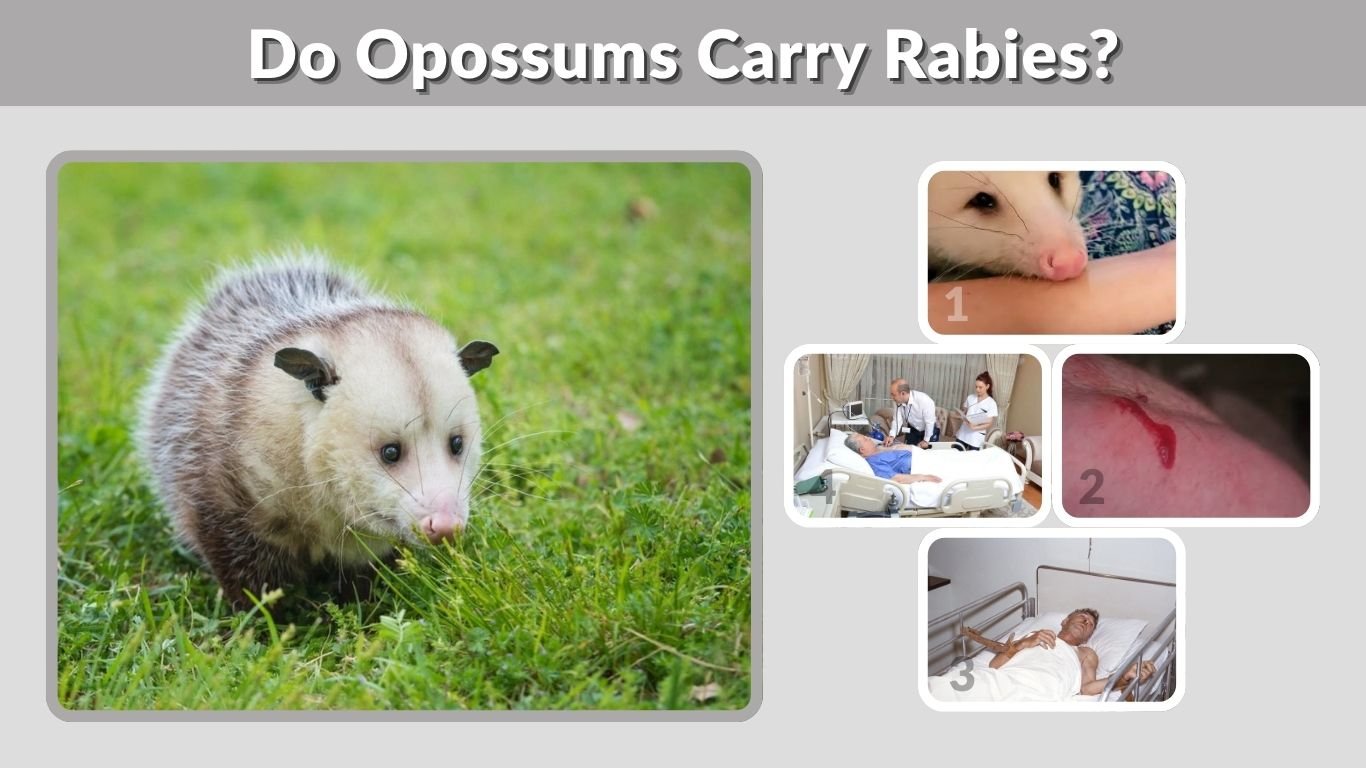
Virginia opossums are not generally dangerous to people. They usually avoid humans and attempt to escape when approached.
However, any frightened or injured wild animal can bite or scratch when handled. Keep children and pets away, particularly when an opossum is trapped, protecting young, or unable to escape.
An opossum that appears motionless should also be left alone. It may be playing dead and can recover suddenly. Contact a licensed wildlife rehabilitator when an animal is injured, trapped inside a building, or genuinely orphaned.
Do Virginia Opossums Make Good Pets?
Virginia opossums do not make good pets for most people. They are wild, nocturnal animals with specialized nutritional, environmental, and veterinary needs. Improper captive diets can lead to obesity and serious nutritional problems.
Keeping one may also be restricted or require a wildlife permit, depending on local laws. A healthy wild opossum should not be captured or raised as a household pet. Injured or orphaned animals should be transferred to a licensed wildlife rehabilitator.
Common Opossum vs Virginia Opossum
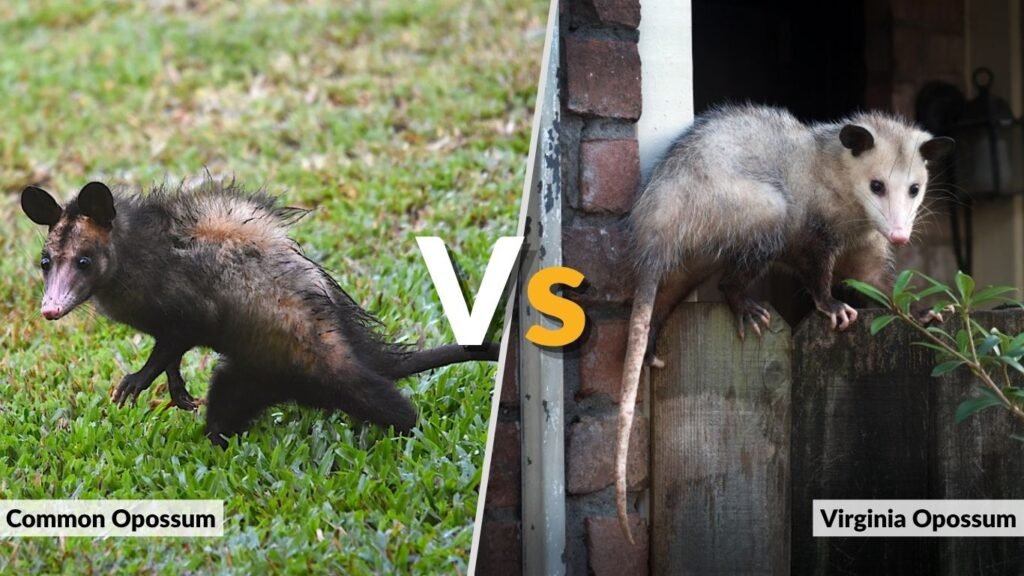
The Virginia opossum and common opossum are related but separate species.
| Feature | Virginia opossum | Common opossum |
| Scientific name | Didelphis virginiana | Didelphis marsupialis |
| Main range | North and Central America | Central and South America |
| Cold tolerance | Greater | Lower |
| Facial color | Commonly pale or white | Often darker |
| Habitat | Forests, wetlands and urban areas | Mainly tropical and subtropical habitats |
Their ranges overlap in parts of Mexico and Central America, where visual identification can be more difficult. Location, facial markings, ear coloration, and other anatomical features may be needed to distinguish them accurately.
Are Virginia Opossums Endangered?
Virginia opossums are not endangered. They are classified as Least Concern because they remain widespread, reproduce efficiently, and adapt successfully to disturbed and urban habitats.
Road collisions are a major source of mortality. Protecting natural corridors, securing garbage, driving carefully at night, and preventing loose dogs from chasing wildlife can reduce avoidable deaths.
FAQs
Is a Virginia opossum the same as a possum?
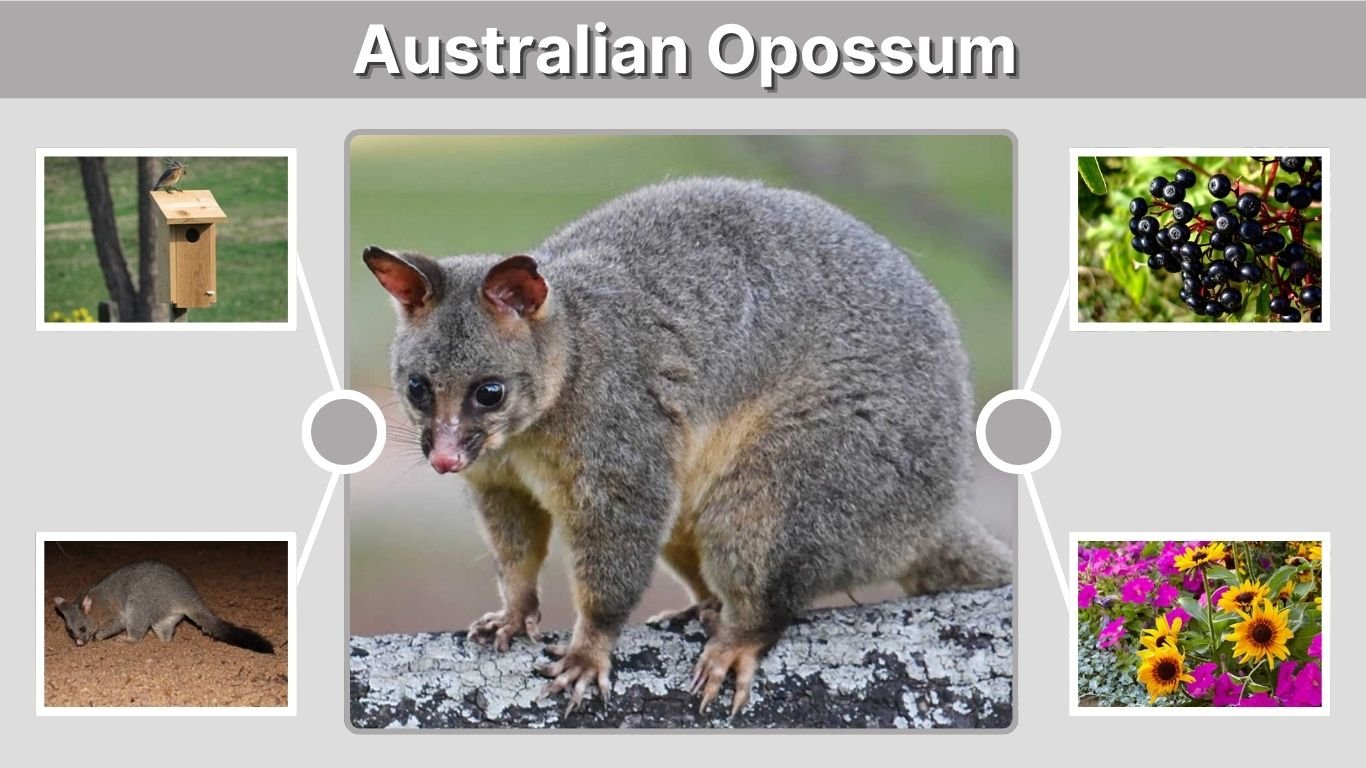
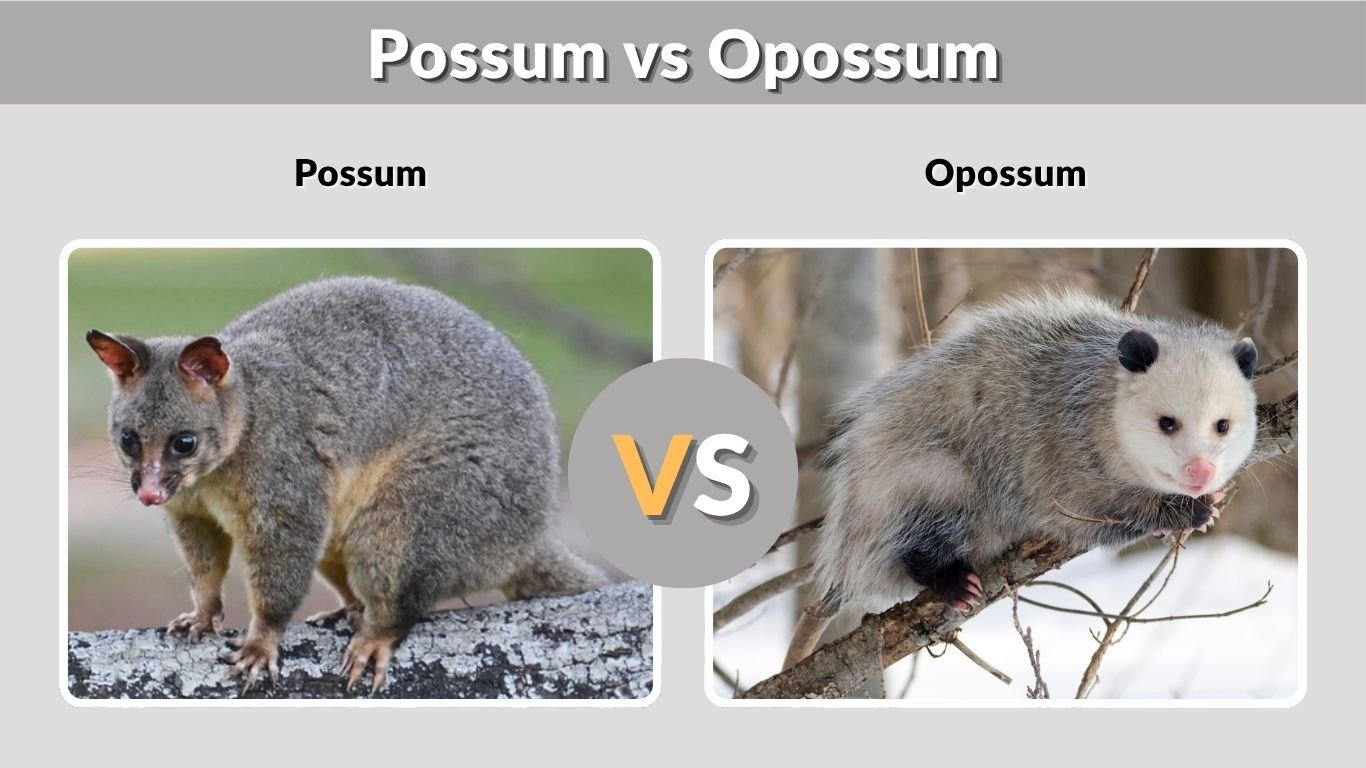
In North America, people commonly shorten “opossum” to “possum,” so both names may refer to Didelphis virginiana. However, the name possum is also applied to different marsupials native to Australia, New Guinea, and nearby islands.
How long do Virginia opossums live?
Virginia opossums generally live only 1.5 to 2 years in the wild. Those receiving professional care may survive for three to four years. Road accidents, predators, extreme weather, and their naturally rapid life cycle contribute to their short lifespan.
Do Virginia opossums attack people?
They rarely attack people without provocation. A cornered animal may hiss, show its teeth, or growl to appear threatening. It can bite when captured or handled, so people should provide an escape route and avoid direct contact.
Where do Virginia opossums sleep?
They sleep in sheltered locations such as hollow trees, abandoned burrows, brush piles, sheds, drainage pipes, crawl spaces, and areas beneath decks. They may change shelters frequently instead of remaining permanently in one den.
What should you do when an opossum visits your yard?
Leave it alone and allow it to move away. Bring pet food indoors, secure garbage, close access beneath buildings, and supervise pets at night. Contact a wildlife professional when the animal is injured or trapped.