




The pygmy marmoset is one of the most fascinating animals in the world and is widely known as the smallest monkey on Earth. Native to the Amazon rainforest, this tiny primate is admired for its adorable appearance, social behavior, and incredible agility. Despite its small size, the pygmy marmoset plays an important role in its ecosystem. In this article, we will explore everything about the pygmy marmoset, including its habitat, diet, lifespan, baby development, and some amazing facts about this unique species.
What Is a Pygmy Marmoset?
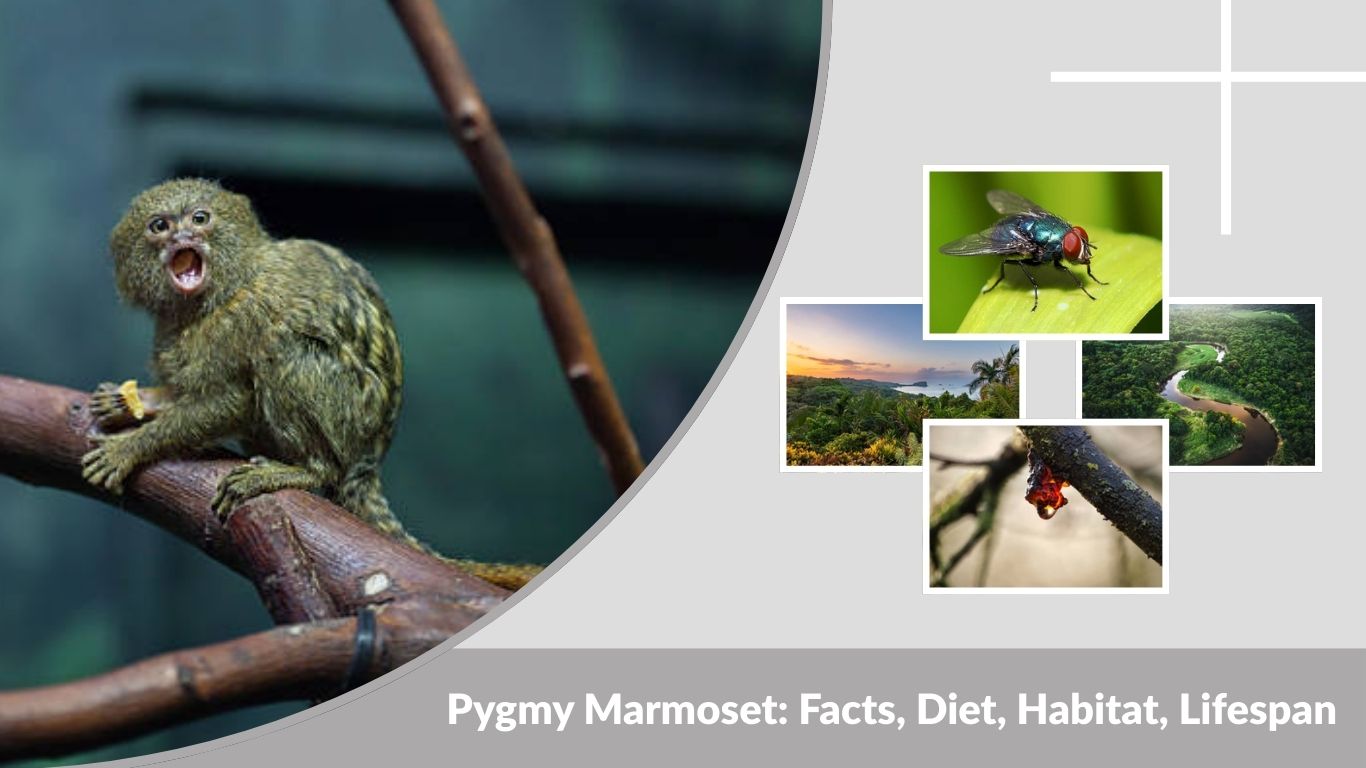
The pygmy marmoset is a very small species of monkey that belongs to the family Callitrichidae. It is famous for its tiny body and long tail, which helps it maintain balance while moving through trees. Because of its extremely small size, many people also refer to it as the “finger monkey.”
Scientific Classification
The scientific name of the pygmy marmoset is Cebuella pygmaea. It is closely related to other small New World monkeys such as tamarins and other marmoset species. These monkeys live primarily in the forests of South America and have adapted well to life in trees.
Physical Characteristics
Pygmy marmosets are incredibly small compared to other monkeys. An adult pygmy marmoset typically measures around 12 to 16 centimeters (4.7 to 6.3 inches) in body length, while its tail can reach 17 to 23 centimeters. They usually weigh between 100 and 140 grams, which is about the weight of a small apple.
Their fur is usually brownish-gold with darker patterns, which helps them blend into tree bark and branches. They also have sharp claws instead of flat nails, allowing them to grip tree trunks easily.
Pygmy Marmoset Habitat
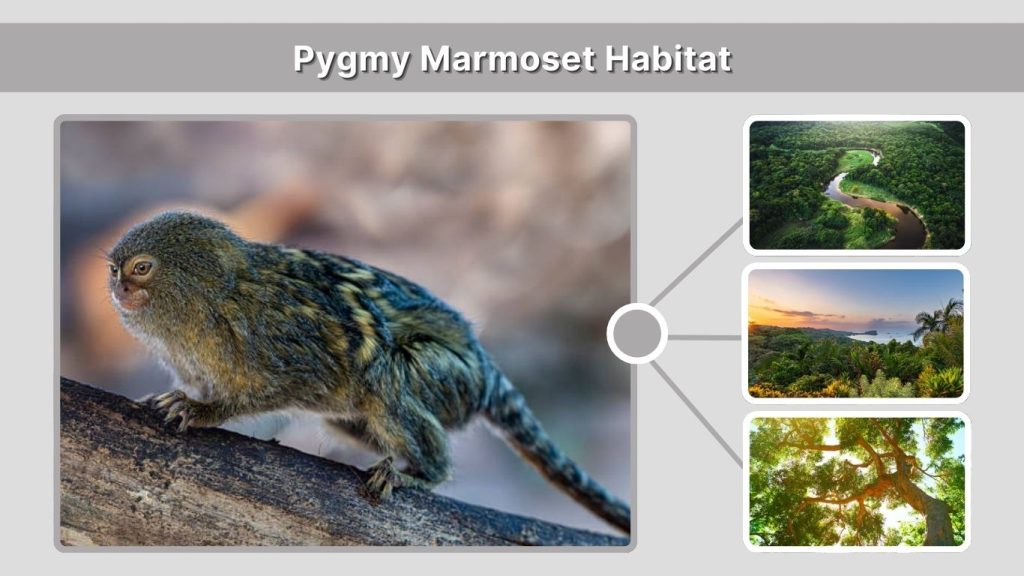
The pygmy marmoset is mainly found in the Amazon rainforest, one of the most biodiverse regions on Earth. These monkeys prefer dense forests where they can easily move between trees and find plenty of food.
Natural Geographic Range
Pygmy marmosets live in several South American countries, including:
- Brazil
- Peru
- Ecuador
- Colombia
- Bolivia
These regions provide the warm climate and rich forest environment necessary for their survival.
Preferred Environment
These tiny monkeys prefer tropical rainforests, especially areas near rivers and flooded forests. The trees in these environments provide both shelter and food sources.
They spend most of their lives high in the tree canopy, rarely coming down to the ground. Living in trees helps protect them from many predators.
Adaptations to Habitat
Pygmy marmosets have developed several adaptations that help them survive in their environment. Their strong claws allow them to cling to tree bark, and their long tails help them balance while jumping from branch to branch.
One of their most interesting adaptations is their ability to gnaw holes in tree bark to reach the sap inside. This sap is one of their primary food sources.
Pygmy Marmoset Diet
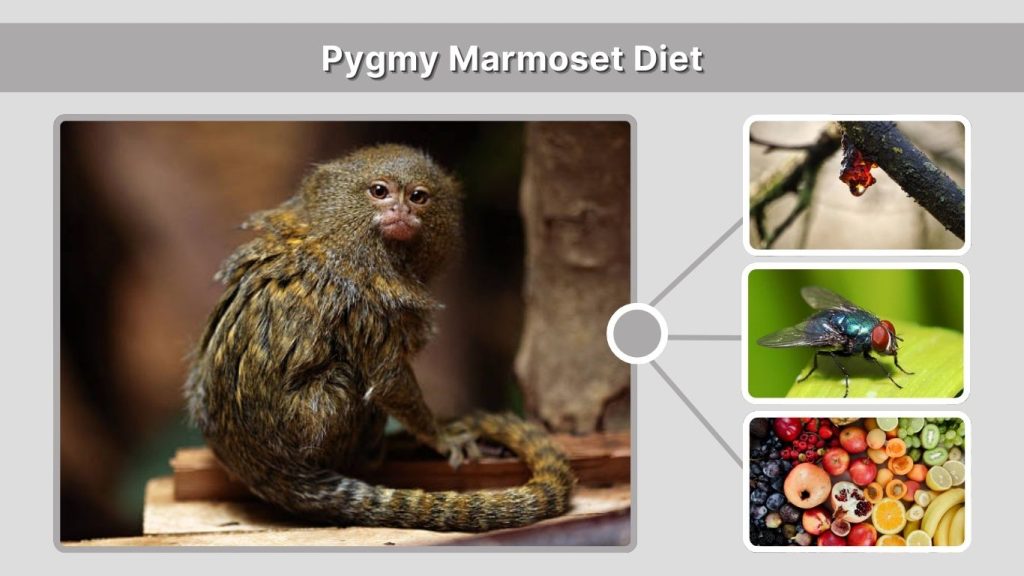
The pygmy marmoset has a unique diet compared to many other monkey species. While they do eat insects and fruit, their main food source is actually tree sap and gum.
Main Food Sources
The pygmy marmoset diet usually includes:
- Tree sap and gum
- Small insects
- Fruits
- Nectar
Tree sap is particularly important because it provides energy and nutrients that help sustain these tiny primates.
Feeding Behavior
To obtain sap, pygmy marmosets use their sharp teeth to gouge small holes in tree bark. Once the sap begins to flow, they return to the same spot repeatedly to feed.
They are also skilled insect hunters. They search leaves and branches for small insects like ants, beetles, and spiders, which provide extra protein.
Pygmy Marmoset Baby
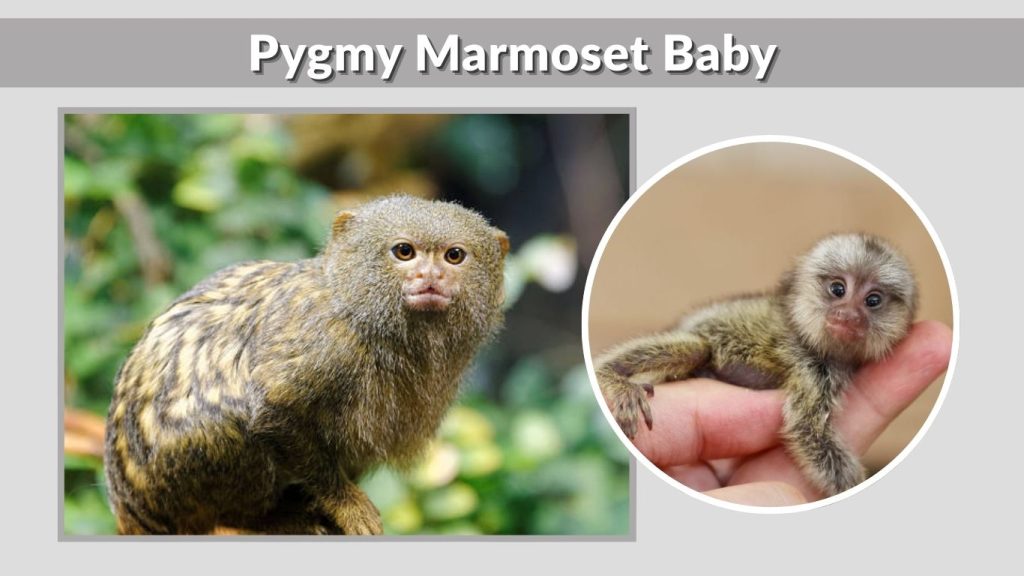
Baby pygmy marmosets are incredibly tiny and adorable, making them one of the most recognizable young primates in the animal kingdom.
Birth and Early Development
The gestation period of a pygmy marmoset is usually about 4.5 months. Most births result in twins, although sometimes a single baby or triplets may be born.
At birth, each baby weighs only about 15 grams, making them extremely delicate.
Parental Care
One interesting feature of pygmy marmoset families is the role of the father. In many cases, the male carries the babies on his back for most of the day. The mother mainly takes the babies back only when it is time to feed them.
Other members of the group may also help care for the young, which increases the babies’ chances of survival.
Growth Stages
Young pygmy marmosets grow quickly. Within a few weeks, they begin learning how to climb and explore their environment. As they grow older, they start practicing hunting insects and feeding on tree sap.
By the time they are several months old, they are already capable of moving through trees with impressive speed and agility.
Pygmy Marmoset Lifespan
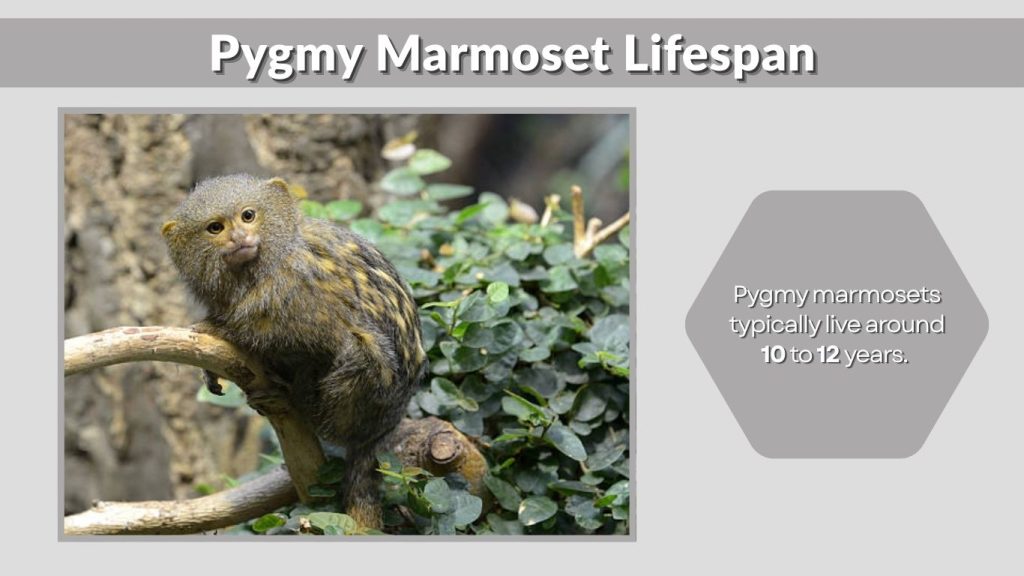
The lifespan of a pygmy marmoset can vary depending on whether it lives in the wild or in captivity. Like many small animals, their life expectancy is influenced by predators, food availability, and environmental conditions.
Lifespan in the Wild
In the wild, pygmy marmosets typically live around 10 to 12 years. Their small size makes them vulnerable to predators such as snakes, birds of prey, and wild cats. In addition, habitat loss and environmental changes can also reduce their chances of surviving to old age.
Despite these challenges, pygmy marmosets have developed strong survival strategies, including living in groups and staying high in the forest canopy where they are less likely to encounter predators.
Lifespan in Captivity
In captivity, pygmy marmosets may live between 15 and 20 years when they receive proper care, balanced nutrition, and veterinary support. Zoos and wildlife centers often provide a controlled environment that protects them from predators and disease.
However, keeping pygmy marmosets in captivity requires specialized care, as they have very specific dietary and environmental needs.
Factors Affecting Lifespan
Several factors can influence the lifespan of pygmy marmosets:
- Availability of food and nutrition
- Presence of predators
- Habitat destruction or deforestation
- Disease and health conditions
- Human activities such as illegal pet trade
Protecting their natural habitat is one of the most important ways to ensure the survival of this species.
Interesting Pygmy Marmoset Facts
The pygmy marmoset is not only tiny but also full of fascinating traits that make it unique among primates.
Smallest Monkey in the World
The pygmy marmoset holds the title of the smallest monkey on Earth. Its tiny body and lightweight structure make it much smaller than most other primates.
Unique Communication Sounds
These monkeys communicate with each other using high-pitched squeaks, whistles, and chirping sounds. Some of these sounds are so high that humans can barely hear them.
Exceptional Jumping Ability
Despite their small size, pygmy marmosets are excellent jumpers. They can leap over 5 meters (16 feet) between branches while searching for food or escaping predators.
Highly Social Animals
Pygmy marmosets usually live in small social groups consisting of several family members. Cooperation within the group helps them protect their territory and care for young babies.
Nickname “Finger Monkey”
Because of their extremely small size, pygmy marmosets are often called “finger monkeys.” Some people believe they are small enough to sit on a human finger, although they are still wild animals and should not be treated like toys.
Behavior and Social Structure
Pygmy marmosets are highly social primates that depend on cooperation within their groups. Their behavior and communication skills help them survive in the complex environment of the rainforest.
Group Living
Most pygmy marmoset groups contain 2 to 9 individuals. These groups often include parents, their offspring, and sometimes other relatives. Living together allows them to share responsibilities such as caring for babies and defending their territory.
Territorial Behavior
These monkeys are territorial and use scent markings and vocal calls to warn other groups to stay away. If another group enters their territory, pygmy marmosets may respond with loud calls or displays of aggression.
Communication Methods
Communication is extremely important for pygmy marmosets. They use a variety of signals, including:
- Vocal calls
- Body movements
- Facial expressions
- Scent markings
These signals help them stay connected with group members while moving through dense forest trees.
Predators and Threats
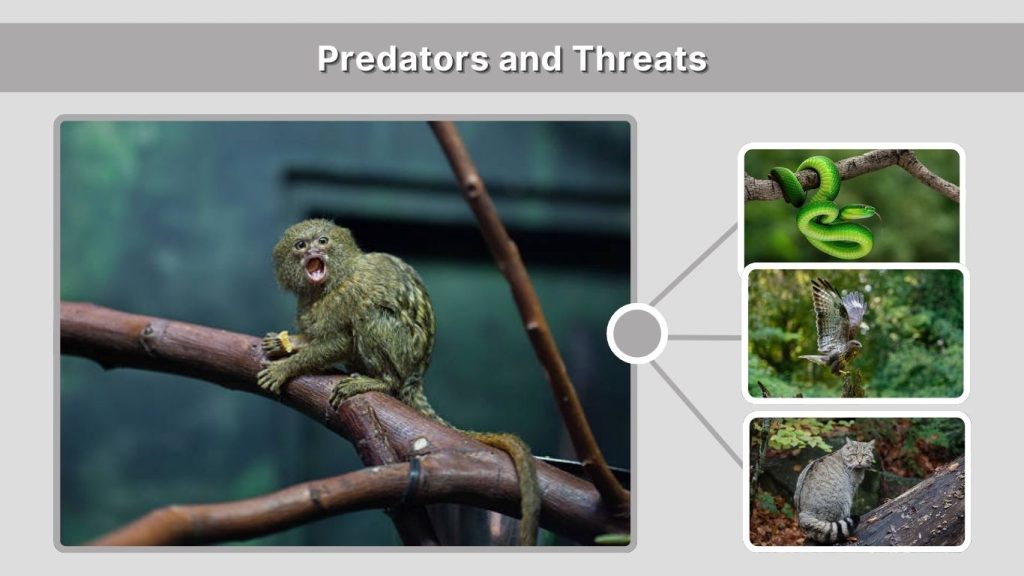
Although pygmy marmosets are agile climbers, they still face several natural and human-related threats.
Natural Predators
Because of their small size, pygmy marmosets are hunted by several animals, including:
- Snakes
- Birds of prey such as hawks and eagles
- Wild cats
To avoid predators, they rely on camouflage, speed, and group cooperation.
Human-Related Threats
Human activities are one of the biggest dangers to pygmy marmosets. Major threats include:
- Deforestation caused by agriculture and logging
- Illegal wildlife trade
- Habitat destruction from human expansion
Loss of rainforest habitat directly affects their ability to find food and shelter.
Conservation Status
The pygmy marmoset is currently classified as Least Concern by the International Union for Conservation of Nature (IUCN). However, this does not mean they are completely safe.
Conservation Efforts
Conservation groups and wildlife organizations are working to protect pygmy marmosets through:
- Rainforest conservation programs
- Wildlife protection laws
- Education about illegal wildlife trade
Importance of Rainforest Protection
Protecting the Amazon rainforest is essential for the survival of pygmy marmosets and many other species. Healthy forests provide the food, shelter, and biodiversity needed for these tiny primates to thrive.
Can Pygmy Marmosets Be Pets?
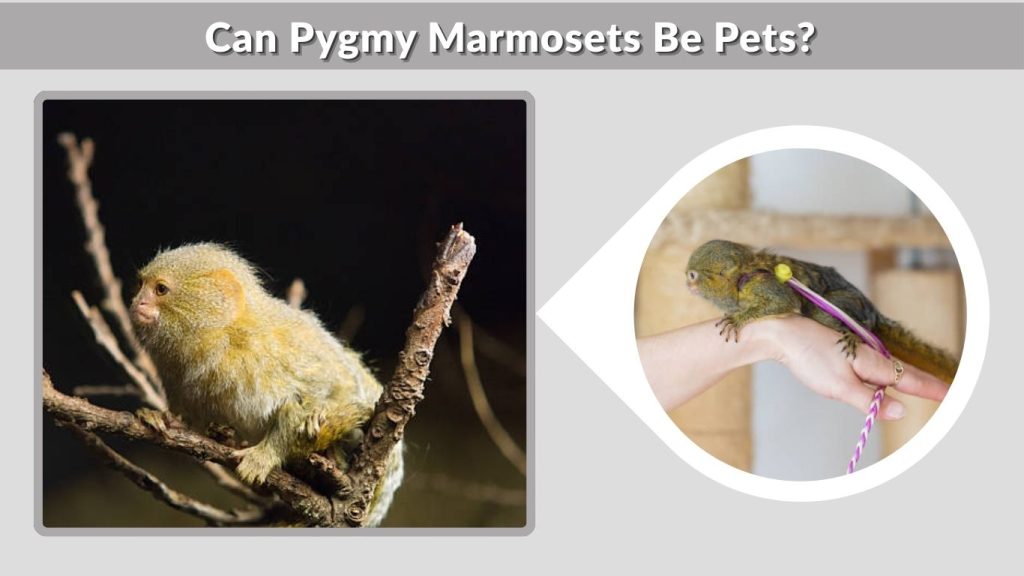
Many people are curious about keeping pygmy marmosets as pets because of their small and cute appearance. However, this idea raises serious ethical and practical concerns.
Legal Issues
In many countries, keeping pygmy marmosets as pets is illegal or strictly regulated. These laws exist to protect wildlife and prevent the illegal animal trade.
Care Challenges
Pygmy marmosets require specialized diets, large climbing spaces, and constant social interaction. Without these conditions, they can suffer from stress, illness, and behavioral problems.
Ethical Considerations
Wild animals belong in their natural habitats. Removing pygmy marmosets from the wild can harm both the animals and the ecosystems they are part of.
FAQs
How big is a pygmy marmoset?
An adult pygmy marmoset is usually 12–16 cm long, with a tail measuring about 17–23 cm.
Are pygmy marmosets dangerous?
Pygmy marmosets are not naturally aggressive toward humans, but they are still wild animals and can bite if they feel threatened.
What do pygmy marmosets eat?
Their diet mainly consists of tree sap, insects, fruits, and nectar.
How long do pygmy marmosets live?
They usually live 10–12 years in the wild and can reach 15–20 years in captivity.
Why are they called finger monkeys?
They are sometimes called finger monkeys because of their extremely small size, although this nickname is informal.
Conclusion
The pygmy marmoset is one of the most remarkable primates on Earth. As the smallest monkey in the world, it has evolved unique adaptations that allow it to thrive in the Amazon rainforest. From its specialized diet of tree sap to its cooperative family groups and adorable babies, this tiny primate continues to fascinate scientists and wildlife lovers alike. Protecting rainforest habitats and preventing illegal wildlife trade are essential steps in ensuring that pygmy marmosets continue to survive in the wild for generations to come.