

Carpenter ants are one of the most common and misunderstood pests found in homes and wooden structures. Known for their ability to tunnel through wood, they don’t eat it like termites but can still cause significant damage over time. This guide answers 55 frequently asked questions about carpenter ants—covering their appearance, nesting, bites, and proven control methods.
1: What are carpenter ants?

Carpenter ants are large ants that get their name from their habit of hollowing out wood to build nests. Unlike termites, they don’t eat the wood but remove it to create smooth tunnels. They are common in forests and urban areas and can become serious structural pests when nesting indoors.
2: Why are they called carpenter ants?
They’re called “carpenter” ants because of their nesting behavior—chewing through wood to create elaborate, smooth galleries for colonies. Their wood-working ability resembles that of a carpenter shaping timber. This behavior is unique among ant species and often leads to confusion with wood-eating termites.
3: How did carpenter ants get their name?
Carpenter ants were named due to their habit of tunneling through wood, similar to how carpenters carve and shape timber. Their nests inside dead or damp wood, walls, and trees often resemble a craftsman’s neat handiwork, giving them their descriptive name.
4: What do carpenter ants look like?

Carpenter ants are usually black, red, or a combination of both. They range from 6 to 12 mm in length, with a narrow waist, bent antennae, and powerful mandibles. Winged reproductive ants can appear in spring and are often mistaken for termites due to their size and swarming behavior.
5: How big are carpenter ants?
Carpenter ants are among the largest ants in North America. Worker ants typically range from 6 to 13 mm (¼ to ½ inch) in length, while queen ants can grow up to 20 mm (¾ inch). Their size and strong jaws make them easy to spot compared to other household ants.
6: Can carpenter ants be small?
Yes, within a colony, carpenter ant workers vary in size. Smaller “minor workers” may measure only 5–7 mm, while larger “major workers” and soldiers can be much bigger. This size variation allows the colony to perform different tasks efficiently, from foraging to defending the nest.
7: Are carpenter ants big?
Yes, carpenter ants are considered large ants. They are significantly bigger than common house ants. Their size, strong mandibles, and dark coloration make them easily identifiable, especially when they appear in kitchens, basements, or during swarming events in spring or early summer.
8: Are carpenter ants termites?
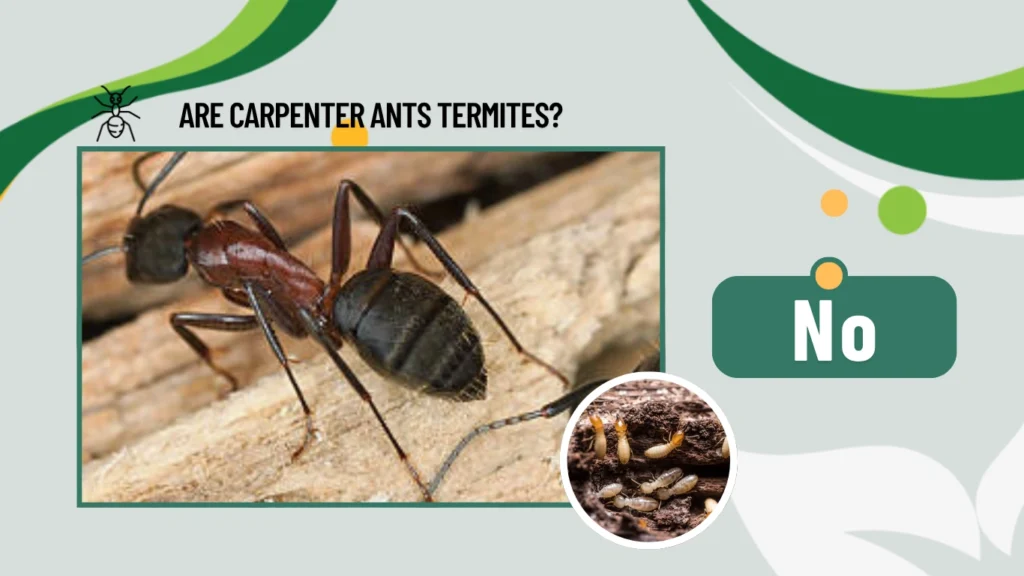
No, carpenter ants and termites are entirely different insects. While both damage wood, carpenter ants do not eat it—they tunnel through it to nest. Termites consume wood as food. Also, termites have straight antennae and thick waists, whereas carpenter ants have elbowed antennae and narrow waists.
9: Are carpenter ants the same as termites?
They are not the same. Carpenter ants excavate wood to nest, while termites digest cellulose in wood and consume it. Their physical appearance also differs: termites have uniform bodies and wings, while carpenter ants have segmented bodies with visibly different wing lengths in reproductive forms.
10: Is carpenter ants termites?
No, carpenter ants are not termites. Although both infest wood, their behavior and biology differ. Termites cause damage by eating wood from the inside out, while carpenter ants remove wood to expand their nesting area. Proper identification is important for effective pest control.
11: How to identify carpenter ants?
Carpenter ants can be identified by their large size, elbowed antennae, heart-shaped head, and smooth, rounded thorax. They are usually black, red, or a mix of both. Winged versions (swarmers) appear during mating season. Look for their trails, sawdust-like debris (frass), and rustling noises inside walls for signs of infestation.
12: What do carpenter ants do?

Carpenter ants tunnel through wood to create nests for their colonies. They do not eat the wood—they remove it, leaving behind clean, smooth galleries. Outdoors, they nest in logs or tree stumps. Indoors, they target damp or damaged wood in walls, ceilings, and furniture, potentially weakening the structure over time.
13: Are carpenter ants nocturnal?
Yes, carpenter ants are primarily nocturnal. They forage for food at night, often traveling long distances from the nest. Their nighttime activity makes them harder to spot during the day, but you may hear faint rustling inside walls or find a trail of ants near food sources after dark.
14: Are carpenter ants active at night?
Yes, most carpenter ants are active at night. They leave their nests in search of food such as sweets, grease, or proteins. You’re more likely to see them indoors during the late evening or early morning hours. Nighttime inspections are often more effective for locating activity trails.
15: When are carpenter ants most active?
Carpenter ants are most active during warm weather, typically from spring through early fall. Their peak activity often occurs at night when temperatures are mild. Indoors, they may remain active year-round if nesting inside heated spaces like wall voids, attics, or basements.
16: When do carpenter ants swarm?
Carpenter ants usually swarm in spring or early summer, often after rainfall and during warm, humid weather. Winged males and queens leave the nest to mate and establish new colonies. If you see swarming ants indoors, it’s a strong sign of an established indoor nest.
17: When do carpenter ants fly?

Carpenter ants fly during their mating season, which occurs in spring or early summer. Only winged reproductive ants (males and future queens) fly, and their swarms are often mistaken for termite swarms. After mating, males die, and females shed their wings and search for nesting sites.
18: Can carpenter ants have wings?
Yes, reproductive carpenter ants—the males and queens—have wings. These winged ants (alates) fly during mating season and are often seen swarming around windows or lights. Worker carpenter ants, which are the most commonly seen, do not have wings and remain grounded throughout their lives.
19: Do carpenter ants have wings?
Only certain members of the colony have wings. Winged males and queens develop when a colony matures and is ready to reproduce. They swarm outside the nest to mate. Winged carpenter ants are a clear sign of a developed nest and may signal an infestation nearby.
20: Do carpenter ants have two sets of wings?
Yes, winged carpenter ants have two pairs of wings. The front pair is larger than the rear pair—this is a key difference from termites, which have wings of equal length. You can also distinguish them by their elbowed antennae and narrow, constricted waist.
21: What do carpenter ants eat?

Carpenter ants eat a variety of food, especially sugary substances (like honeydew from aphids), protein-rich items (like dead insects), and human food scraps such as meat, sweets, and pet food. They don’t eat wood—they only chew through it to build nests. Indoors, they’re often attracted to sugary kitchen spills.
22: What carpenter ants eat?
Carpenter ants primarily eat insect proteins, plant juices, and sugars. Outdoors, they feed on honeydew produced by aphids and other insects. Indoors, they’re drawn to sugar, grease, and proteins left in pantries or on counters. Their foraging trails often lead to sweet or meaty food sources.
23: Do carpenter ants eat wood?
No, carpenter ants do not eat wood. Unlike termites, they chew through wood to construct nests and galleries but discard the wood as debris (frass). Their tunneling weakens structures, but they do not digest the wood—they rely on protein and sugar sources for nutrition.
24: Does carpenter ants eat wood?
No, they don’t. Carpenter ants remove wood to build their tunnels but do not consume it. Instead, they leave behind sawdust-like shavings near nest entrances. Their diet consists of live or dead insects, sugary liquids, and proteins—not cellulose like termites.
25: Do carpenter ants eat termites?

Yes, they can eat termites. Carpenter ants are opportunistic predators and will attack and eat termites if they encounter them. However, they don’t actively seek termites as a primary food source. Still, their ability to kill termites can offer some natural control in overlapping habitats.
26: Does carpenter ants eat termites?
Yes, they may prey on termites if they share the same habitat. Carpenter ants have strong mandibles and predatory behavior, allowing them to overpower soft-bodied termites. However, this is not their main food preference—they rely more on other insects, sugars, and protein sources.
27: Do carpenter ants like sugar?
Yes, carpenter ants are highly attracted to sugary substances. Outdoors, they feed on honeydew from aphids, and indoors they seek out sweet spills, sugary drinks, and fruits. This is why they’re commonly found in kitchens or areas where food is stored or prepared.
28: Are carpenter ants attracted to sugar?
Absolutely. Sugar is one of their main food sources, especially for worker ants that forage to feed the colony. Sticky food residues, juice spills, and unsealed sweets can quickly attract carpenter ants indoors. Using sweet-based baits can also help in controlling them.
29: Can carpenter ants swim?

Carpenter ants cannot swim, but they can survive floating on water for short periods. They may fall into sinks or bathtubs and appear to be swimming while struggling to escape. However, waterlogged wood often attracts them due to its soft texture, which is easier to excavate.
30: Does carpenter ant have antenna?
Yes, carpenter ants have elbowed (bent) antennae, a key feature that distinguishes them from termites (which have straight antennae). These segmented antennae help them sense their environment, detect chemicals, and communicate with other colony members during foraging and nest-building activities.
31: Where do carpenter ants live?
Carpenter ants live in moist, decaying, or hollow wood, both outdoors and indoors. Outdoors, they nest in logs, stumps, and trees. Indoors, they prefer wall voids, door frames, roof eaves, and under insulation—especially if there’s water damage. They often enter homes in search of food or better nesting sites.
32: Where do carpenter ants nest?
They nest in wood structures, typically in areas with existing moisture damage. Common nesting sites include tree trunks, wooden decks, wall voids, attics, and crawl spaces. A colony may have multiple satellite nests connected to a primary nest, especially in larger infestations.
33: Where carpenter ants nest?

Carpenter ants nest in soft, damp wood that is easy to excavate. This includes window frames, door trim, under sinks, and near leaky roofs or plumbing. Outside, nests are often found in tree hollows or logs. They do not nest in dry, solid wood unless it’s already damaged.
34: Where carpenter ants are found?
Carpenter ants are found across North America and other temperate regions. They’re most common in wooded areas, but they frequently invade homes, especially where there’s moisture. You’ll often find them in kitchens, bathrooms, basements, and anywhere wood meets water—like behind siding or near plumbing.
35: Where do carpenter ants come from?
Carpenter ants typically come from outdoor nests, such as in trees or mulch piles, and move indoors in search of food or new nesting space. They can also originate from satellite nests already inside your home, especially if there’s moisture-damaged wood available for colonization.
36: Where do carpenter ants come from in the house?
Indoors, carpenter ants often come from leaky roofs, wet window sills, crawl spaces, or attics. They may also build satellite colonies near heat sources or moisture. Following their trails back to entry points or frass piles can help pinpoint their origin and nesting area.
37: How to find carpenter ant nest?
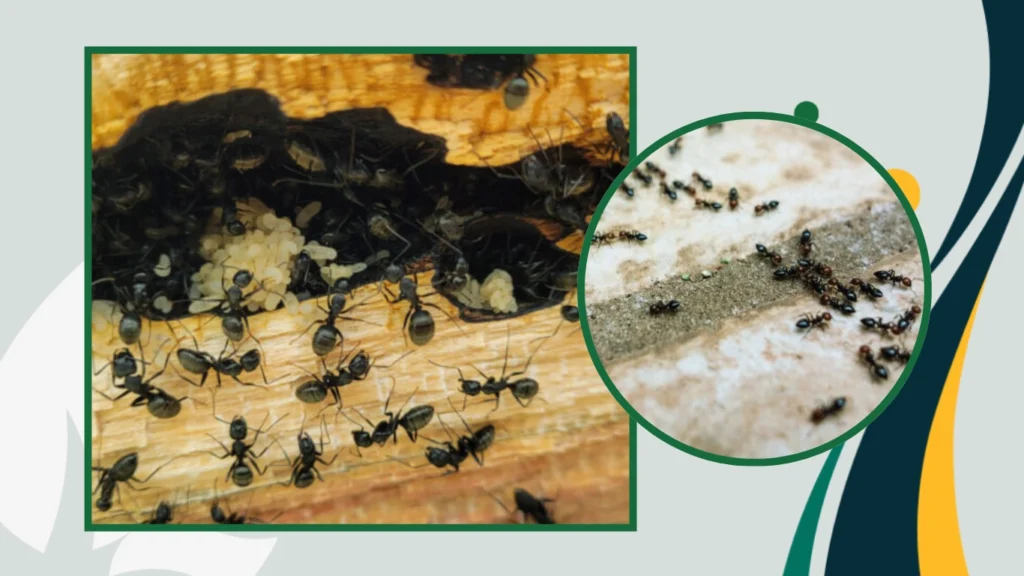
To find a carpenter ant nest, follow the ant trails during the evening. Look for sawdust-like debris (frass) near baseboards, creaking wood, or hollow-sounding walls. Rustling sounds inside walls or ceilings at night may also indicate an active nest. Moist, damaged wood is a likely target.
38: How to find where carpenter ants are?
Watch for ant trails at night, check for frass piles, and tap on wooden surfaces to listen for hollow areas. Focus on rooms with moisture—bathrooms, kitchens, and basements. A flashlight and patience can help locate nesting sites, especially along plumbing or near exterior walls.
39: How to find where carpenter ants are coming from?
You can trace their foraging paths from food sources back toward entry points. Look for tiny cracks near windows, doors, vents, or siding. Carpenter ants often follow electrical wires, plumbing, or wood beams, so inspect those paths. Thermal imaging or professional pest control may be needed for hidden nests.
40: Why do I have carpenter ants in my house?
Carpenter ants are drawn to moisture-damaged wood and accessible food. Leaks, poor ventilation, and rotting wood make your home attractive for nesting. If outdoor colonies are nearby, they may also explore your home for food and warmth, especially during spring and summer months.
41: Are carpenter ants dangerous?

Carpenter ants aren’t dangerous to humans in terms of health, but they can be structurally damaging. Their tunneling weakens wooden elements in homes over time. While they don’t spread disease or pose serious health threats, ignoring an infestation may lead to costly repairs and long-term damage.
42: Is carpenter ants dangerous?
Yes, carpenter ants are dangerous to wood structures, not people. Their ability to tunnel through wood can compromise the strength of walls, beams, or floors. If left untreated, a large colony can create extensive structural issues, especially in moisture-rich areas of your home.
43: Are carpenter ants harmful?
Carpenter ants are harmful to wooden buildings and furniture, but not usually to humans. Their nesting can cause wood to become hollow or unstable. While they rarely bite, the greater concern is the long-term physical damage to your home if their presence goes undetected.
44: Is carpenter ants harmful?
Yes, from a property damage perspective. Carpenter ants carve tunnels in wood for nesting. Over time, this compromises wooden beams, door frames, or furniture. However, they are not toxic, do not spread disease, and rarely bite unless provoked or threatened.
45: Can carpenter ants destroy a house?

Carpenter ants can contribute to serious structural damage if left untreated for years. They don’t eat wood but hollow it out, which can weaken support beams, studs, or ceilings. While they may not collapse a house on their own, they can cause thousands of dollars in damage over time.
46: Will carpenter ants destroy your house?
If ignored for a long period, yes. Carpenter ants build intricate tunnel networks in wood, which can weaken structural integrity. They won’t chew your house down overnight, but they can cause significant and expensive damage, especially if their nest remains hidden and active for months or years.
47: Do carpenter ants cause damage?
Yes, carpenter ants cause structural damage by hollowing out wood to build their nests. They prefer damp or softened wood but will expand into dry areas if needed. The visible damage may be minor, but internal support beams and panels may suffer silently for months before being discovered.
48: Is carpenter ant damage covered by insurance?
Typically, homeowners’ insurance does not cover damage caused by carpenter ants or other pests. These are considered preventable maintenance issues. Always check your policy and consult your provider, but it’s best to treat carpenter ants early to avoid costly, out-of-pocket repairs.
49: Are carpenter ants as bad as termites?

While termites eat wood and carpenter ants just excavate it, both can cause severe damage. Termites are often more destructive because they consume the structure. However, a large carpenter ant colony can also hollow out framing, especially in wet areas, leading to similar long-term damage.
50: Which is worse: carpenter ants or termites?
Termites are generally worse because they eat wood, consuming it from the inside out, often unnoticed for years. Carpenter ants tunnel through wood but don’t consume it. However, if left unchecked, carpenter ants can still cause major structural issues. Both pests require immediate attention and treatment.
51: Can carpenter ants bite?
Yes, carpenter ants can bite using their strong mandibles. While not aggressive, they will bite in self-defense if handled or disturbed. The bite may cause mild pain or a pinching sensation. Some species also spray formic acid into the wound, which can result in a slight burning or irritation.
52: Do carpenter ants bite?
Carpenter ants do bite, though it’s uncommon. Bites usually occur when the ant is provoked or trapped against the skin. The bite isn’t dangerous but may feel sharp and cause temporary redness. Most people experience little to no lasting reaction.
53: Does carpenter ants bite?
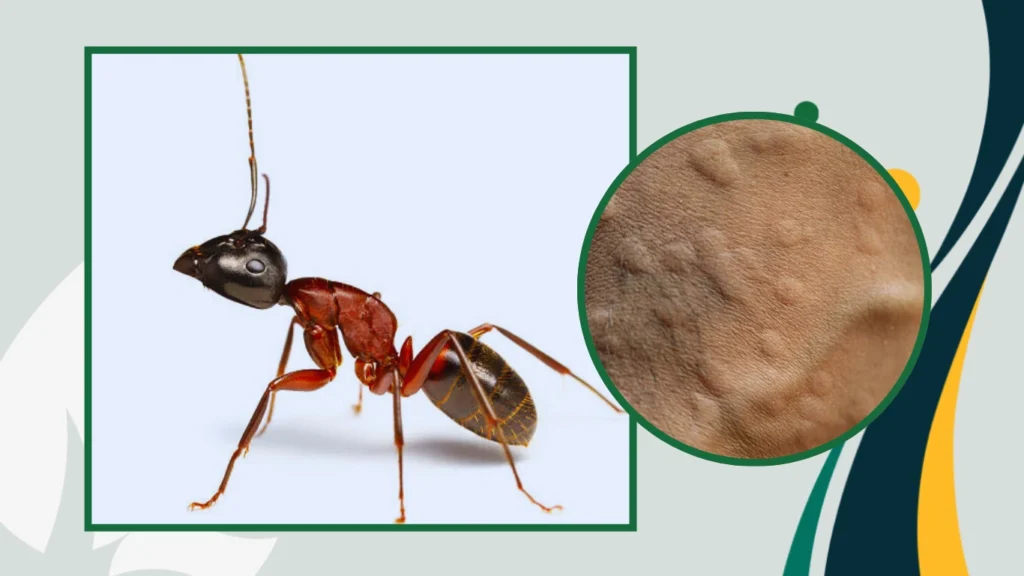
Yes, they do. Though grammatically incorrect, this question refers to the same behavior. Carpenter ants have powerful jaws and may bite if threatened. However, their bite is not venomous or harmful to humans and typically subsides on its own.
54: Can carpenter ants sting?
Carpenter ants do not sting in the traditional sense, as they lack a stinger. However, some species can spray formic acid into a bite wound, which may cause a burning or itching sensation. It’s a defensive mechanism but not medically serious for most individuals.
55: Do carpenter ants bite humans?
Yes, carpenter ants can bite humans when disturbed, but the bites are not dangerous. The bite may feel like a pinch and could result in slight swelling or redness. It’s more uncomfortable than harmful and does not transmit disease or venom.
