
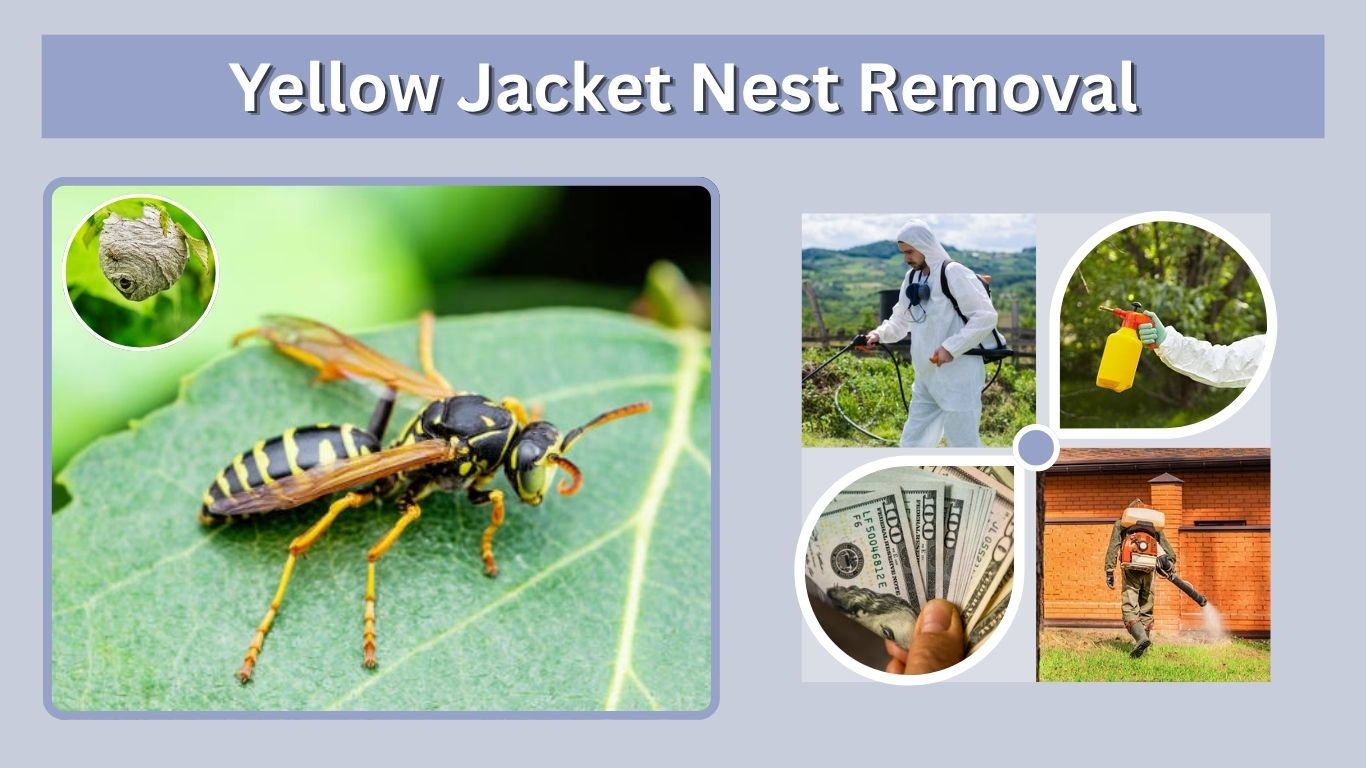
Yellow Jacket Nest Removal: Safe Methods, Cost & Tips
Yellow jacket nest removal requires caution because these social wasps aggressively defend their colony and can sting repeatedly when disturbed. Nests may be underground, inside … Read More
Yellow jacket nest removal requires caution because these social wasps aggressively defend their colony and can sting repeatedly when disturbed. Nests may be underground, inside … Read More
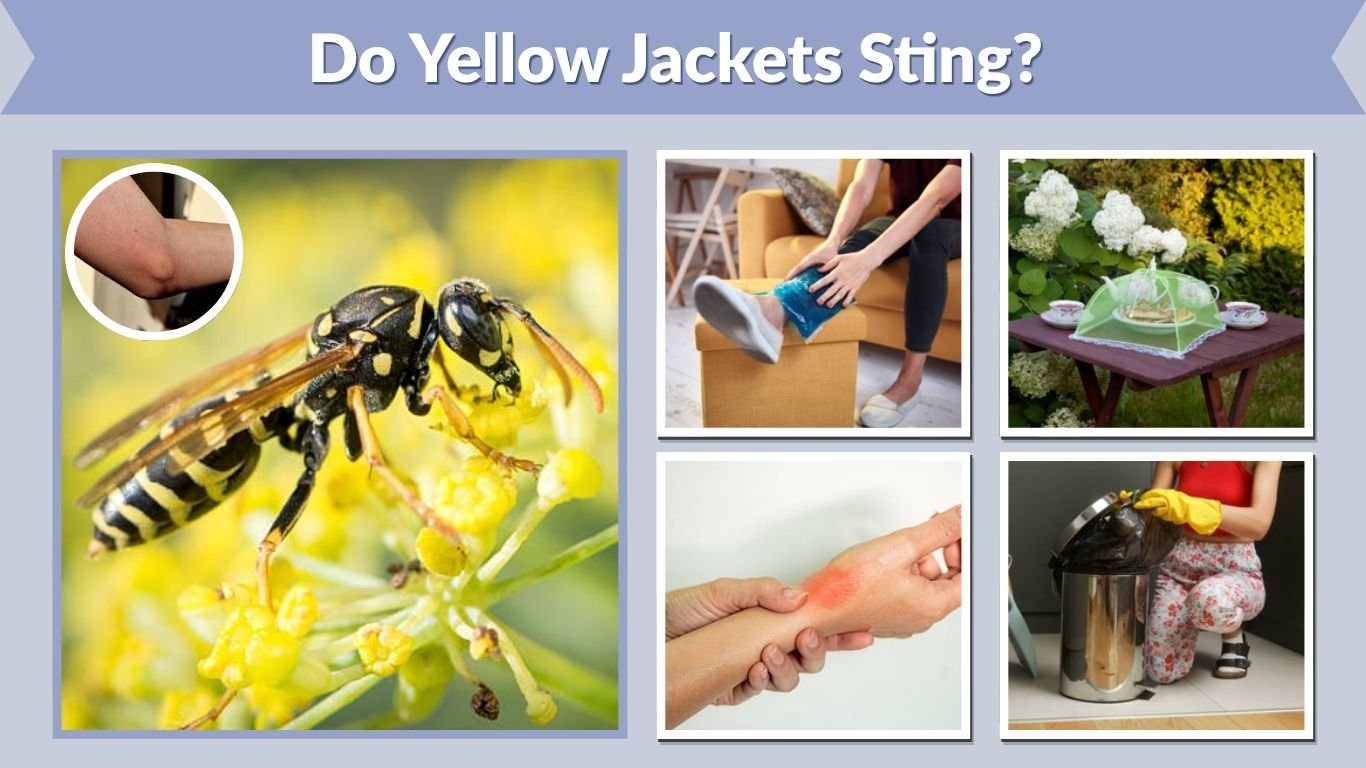
Yes, yellow jackets sting, and their stings can be surprisingly painful. Unlike honey bees, yellow jackets can sting more than once because their stingers usually … Read More
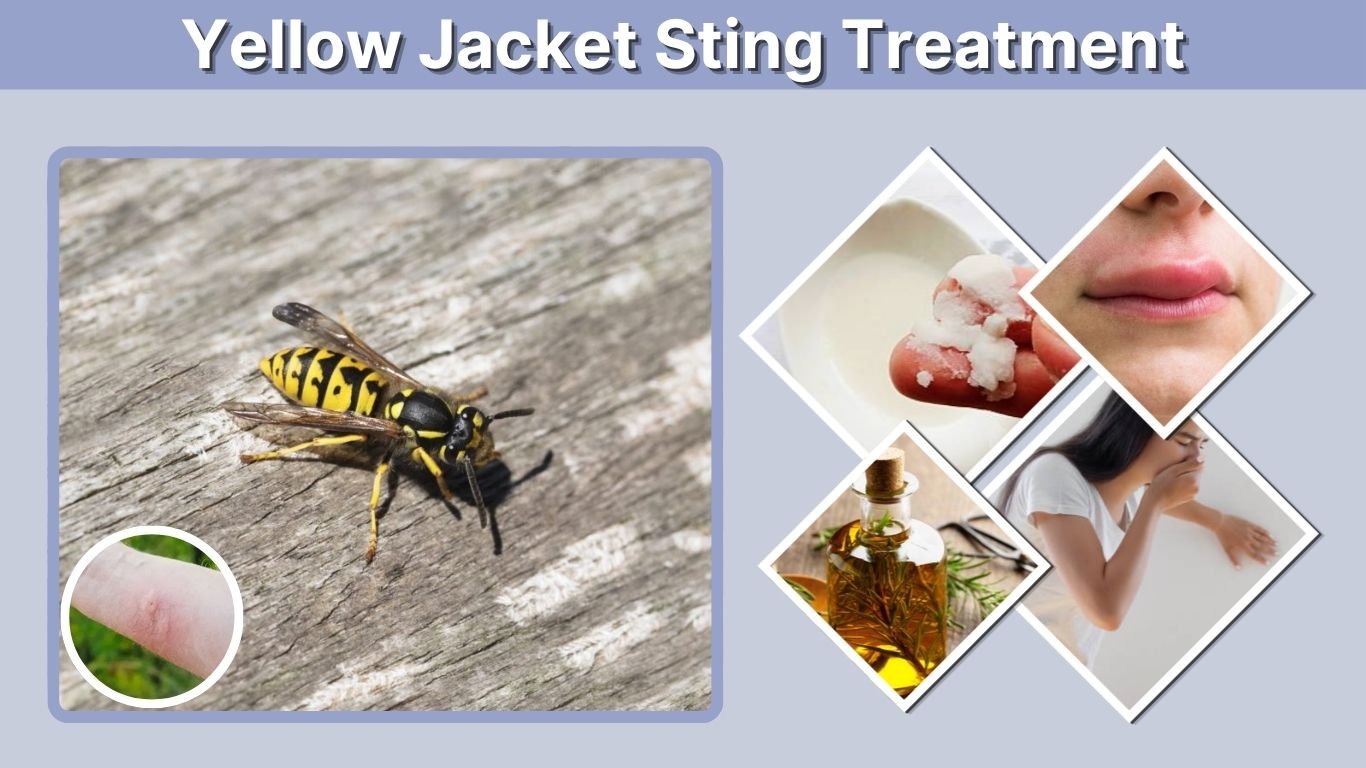
Yellow jacket sting treatment usually begins with washing the area, applying a cold compress, and using appropriate over-the-counter treatments for pain, itching, or swelling. Yellow … Read More
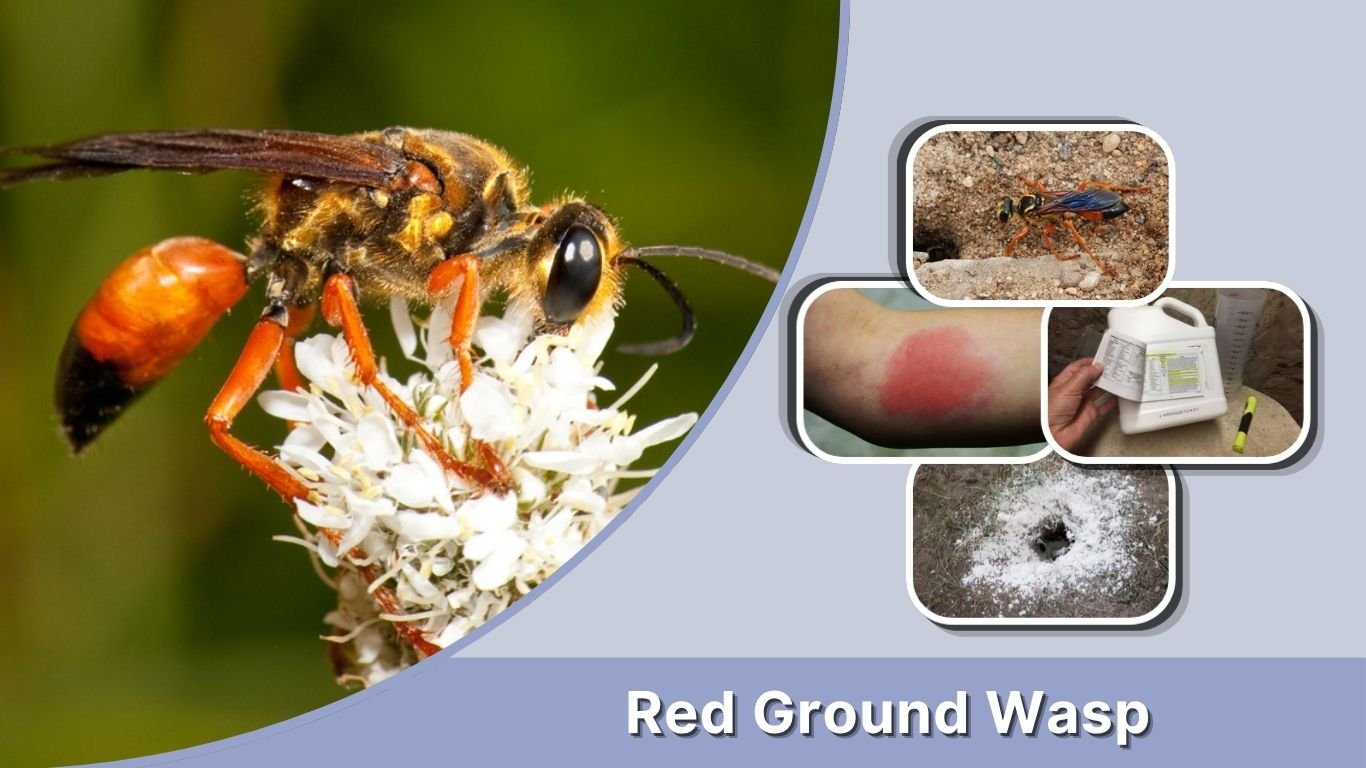
A red ground wasp is not one specific species. The name may describe a reddish-orange digger wasp, a red-and-black thread-waisted wasp, a cicada killer, or … Read More
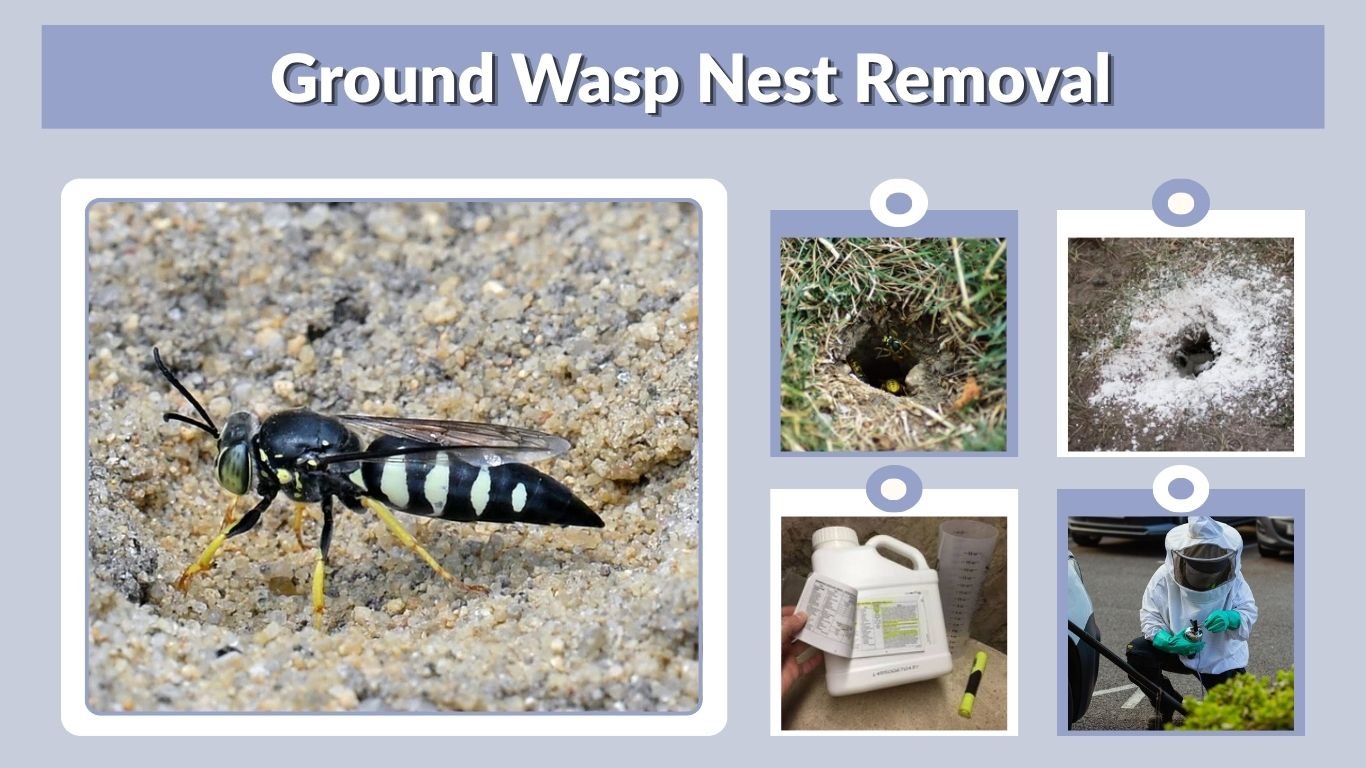
Ground wasp nest removal may be necessary when an underground colony is located beside a doorway, walkway, playground, garden, or frequently used lawn. The insects … Read More
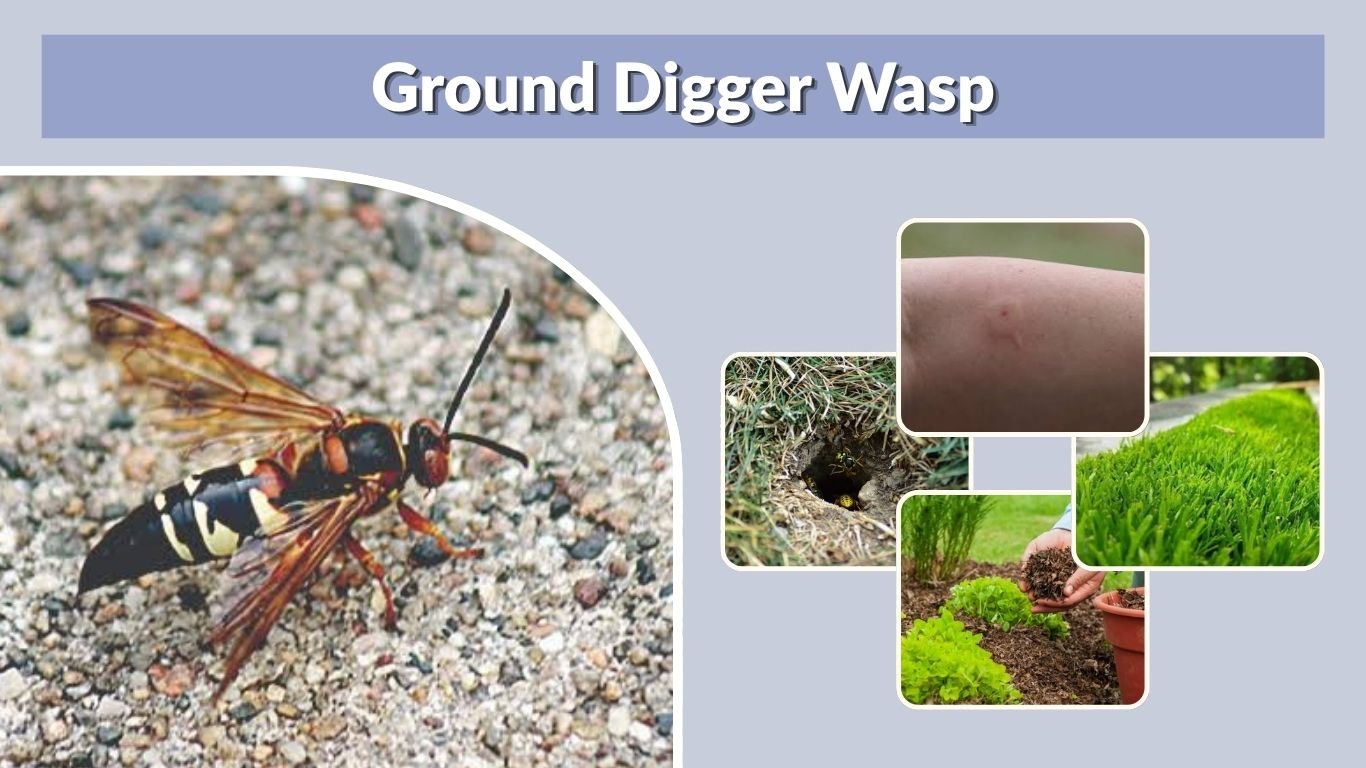
A ground digger wasp is usually a solitary wasp that excavates a burrow in dry soil and stocks it with insects for its developing young. … Read More
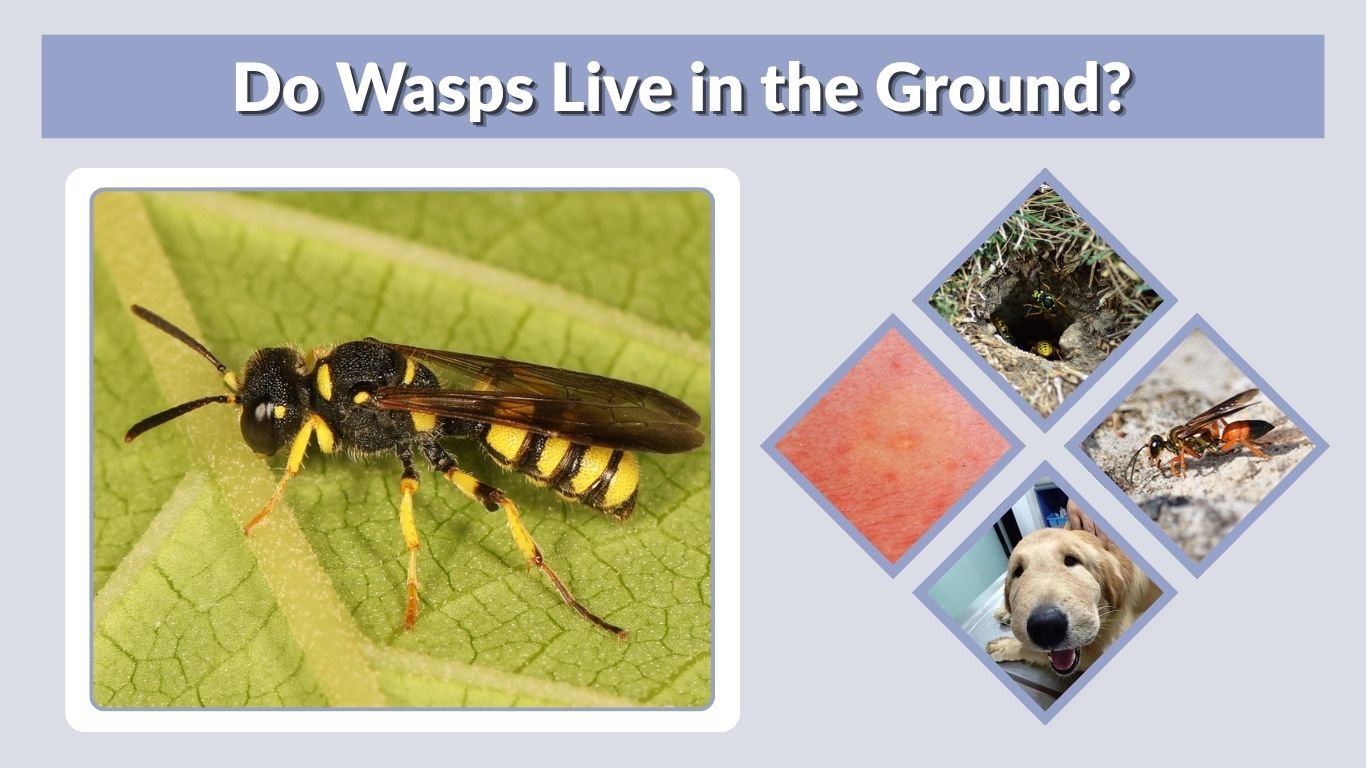
Yes, some wasps live in the ground, while others build nests in trees, wall cavities, roof spaces, or beneath eaves. Ground-nesting species include yellowjackets, cicada … Read More
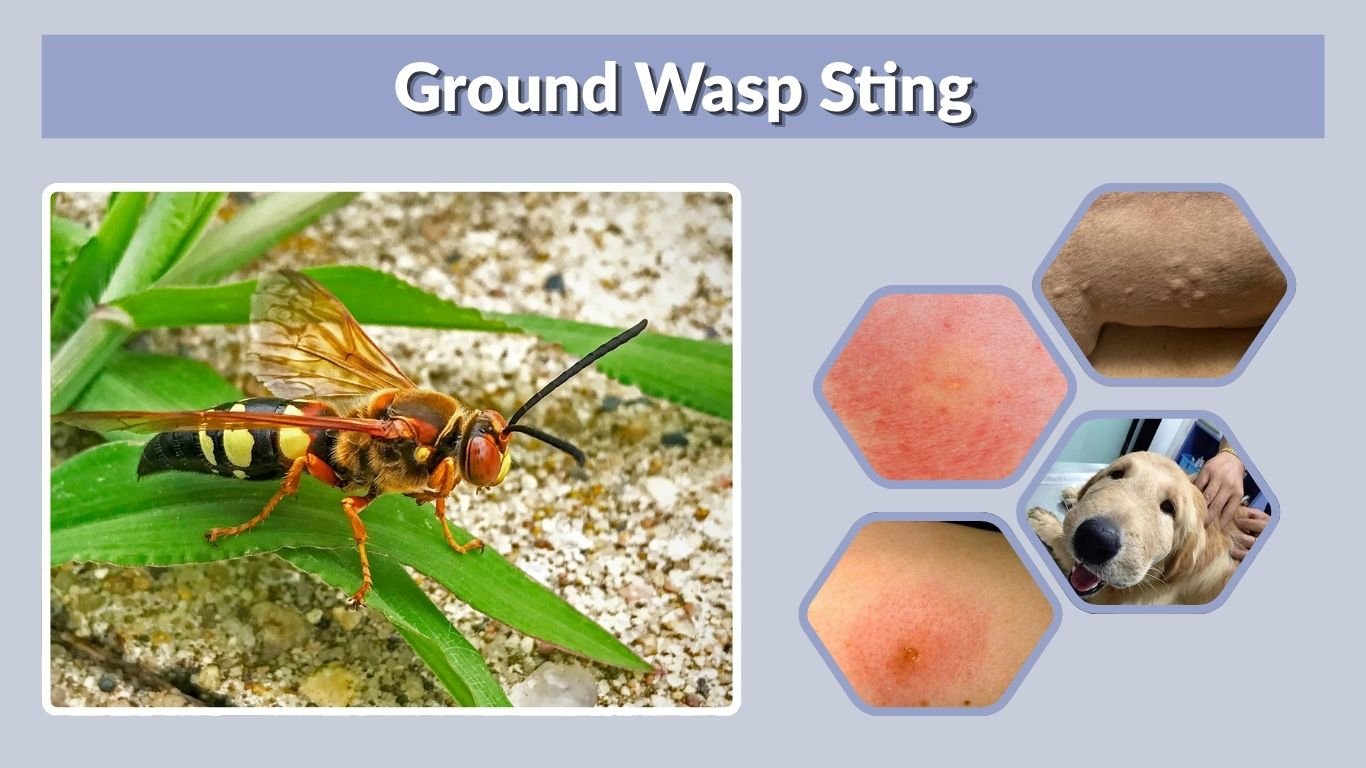
A ground wasp sting can cause sudden burning pain, redness, itching, and swelling. Most reactions are mild and improve with basic first aid, but ground-nesting … Read More
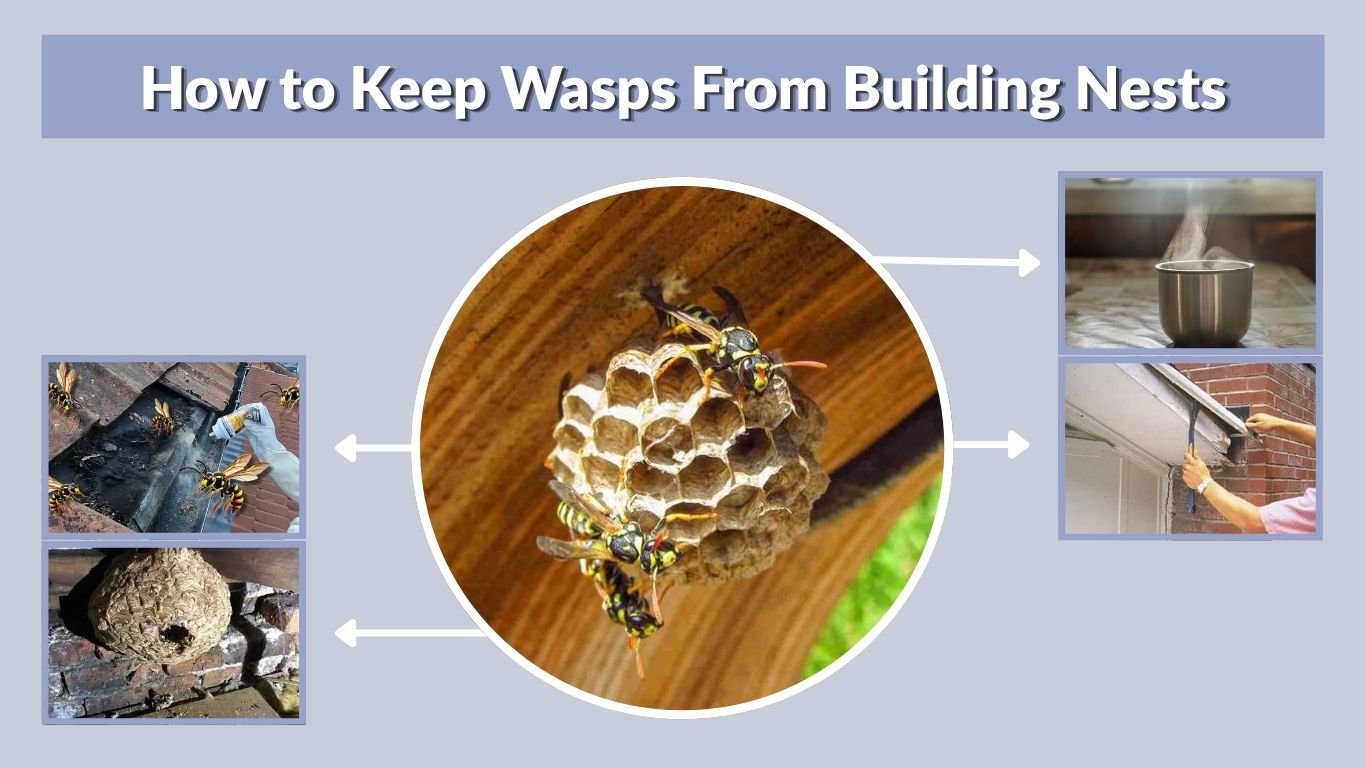
Wasps often build nests around homes because they find shelter, food, water, and convenient attachment points. Eaves, porch ceilings, sheds, wall gaps, birdhouses, decks, and … Read More
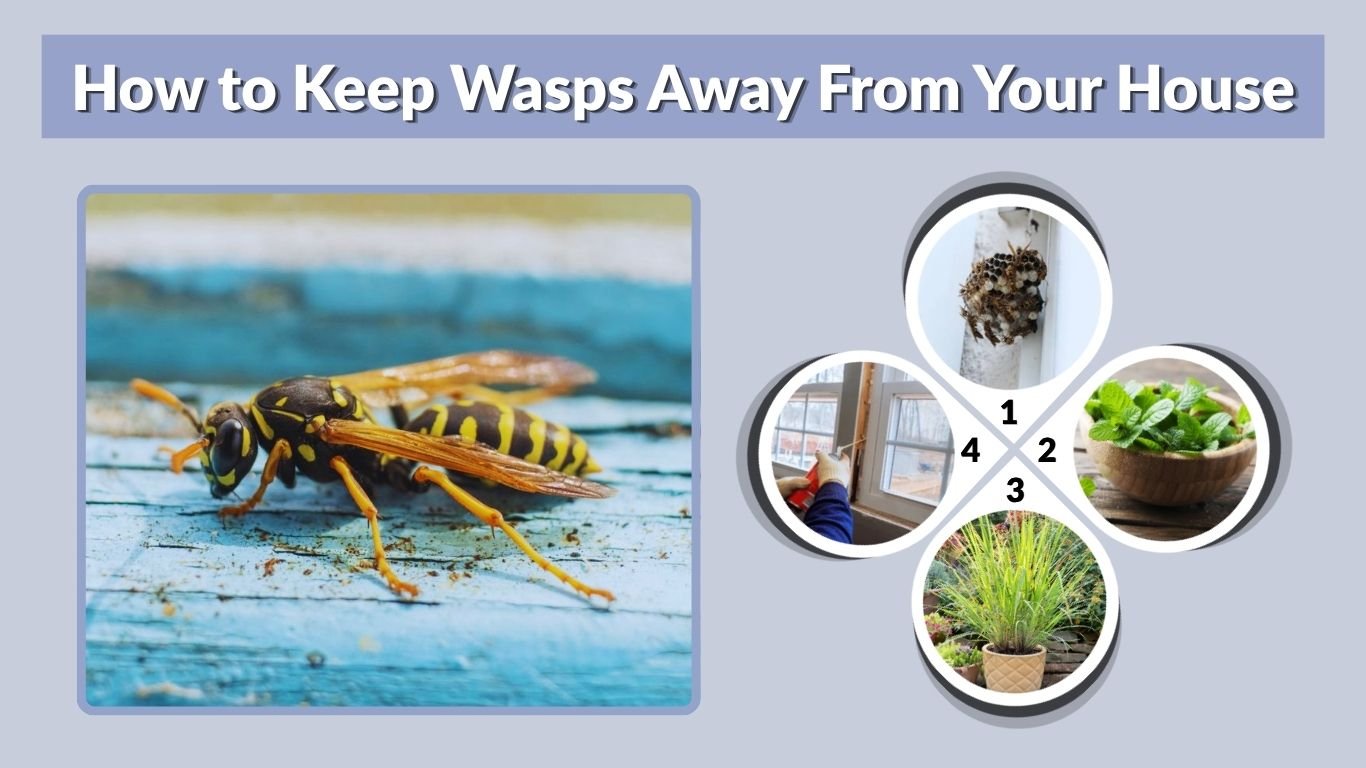
Learning how to keep wasps away from your house can reduce stings, prevent nests, and make outdoor spaces more comfortable. Wasps are attracted to food, … Read More