
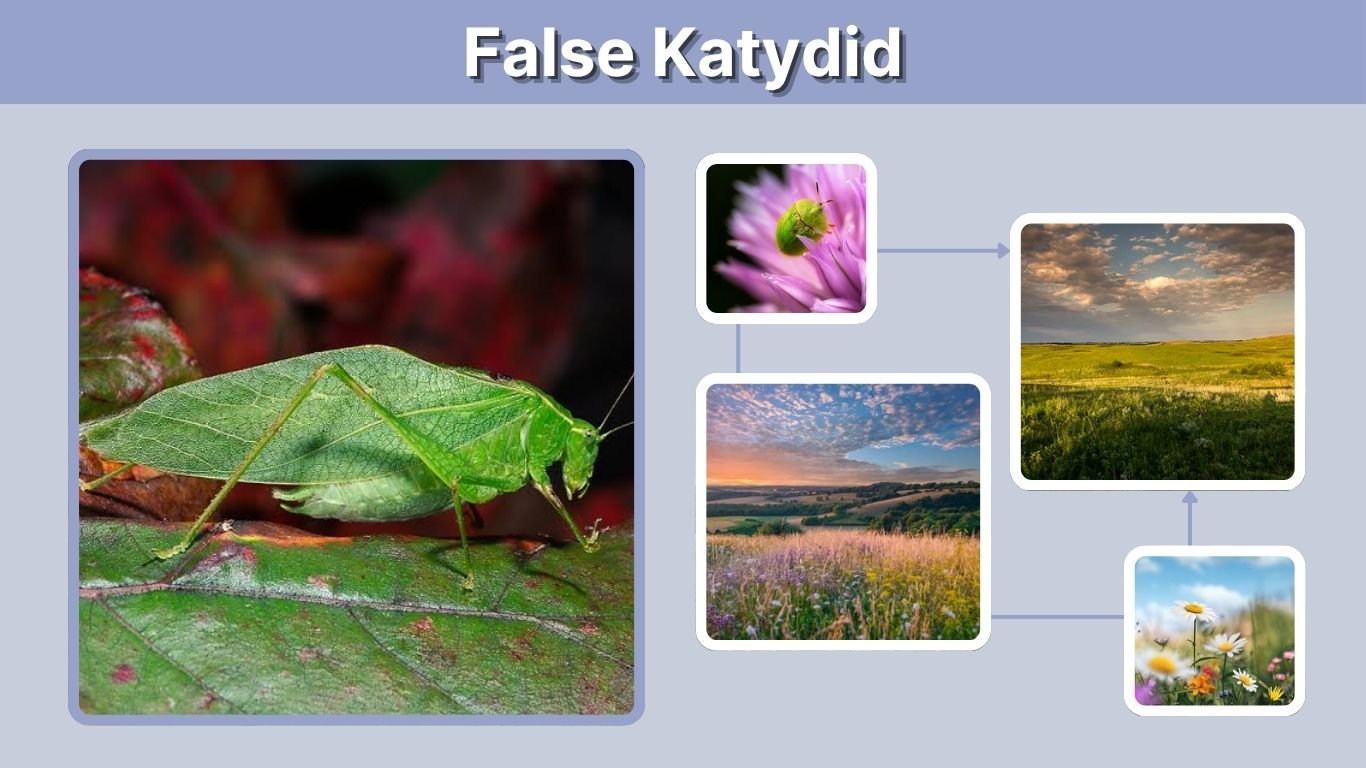
False Katydid: Identification, Sound, Habitat & Facts
The false katydid is a leaflike insect known for its green coloration, extremely long antennae, jumping legs, and nighttime calls. In North American entomology, the … Read More
The false katydid is a leaflike insect known for its green coloration, extremely long antennae, jumping legs, and nighttime calls. In North American entomology, the … Read More
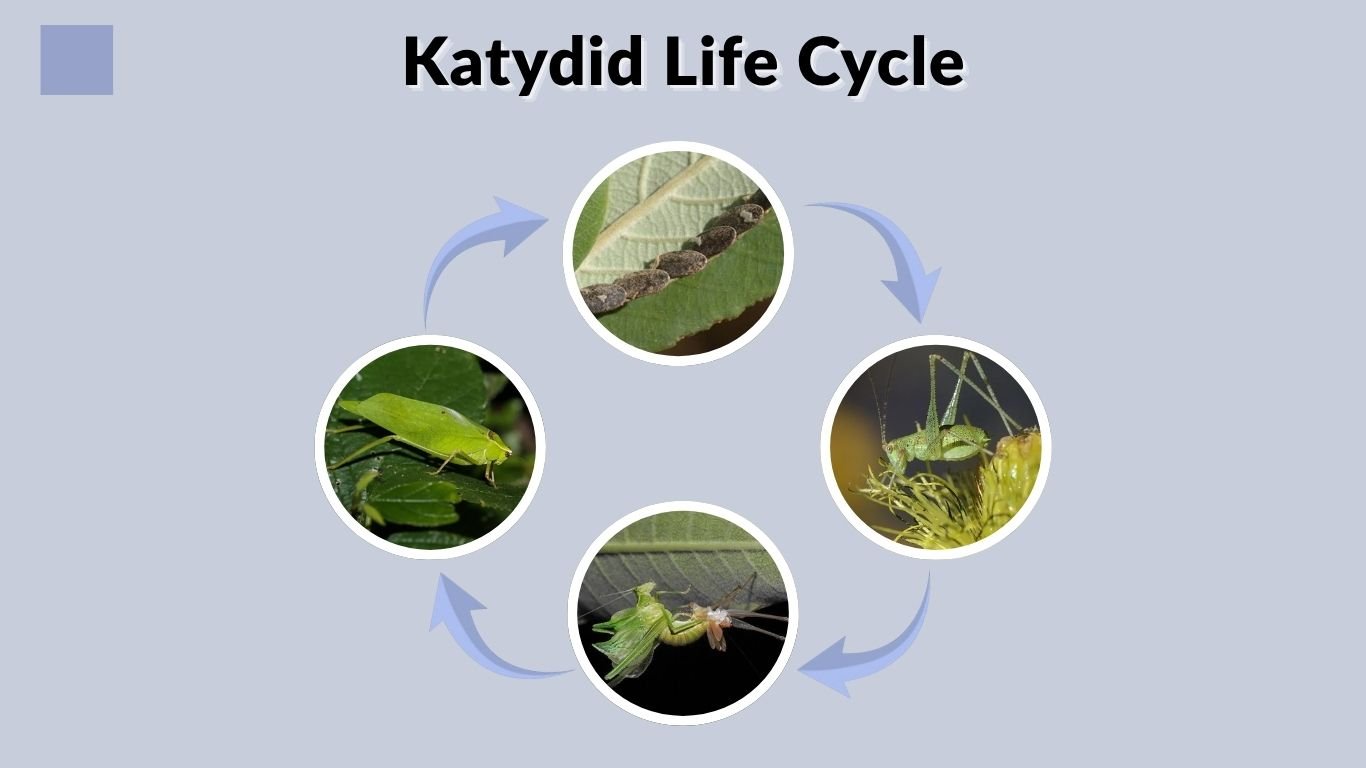
The katydid life cycle consists of three main stages: egg, nymph, and adult. Unlike butterflies or beetles, katydids do not pass through larval and pupal … Read More
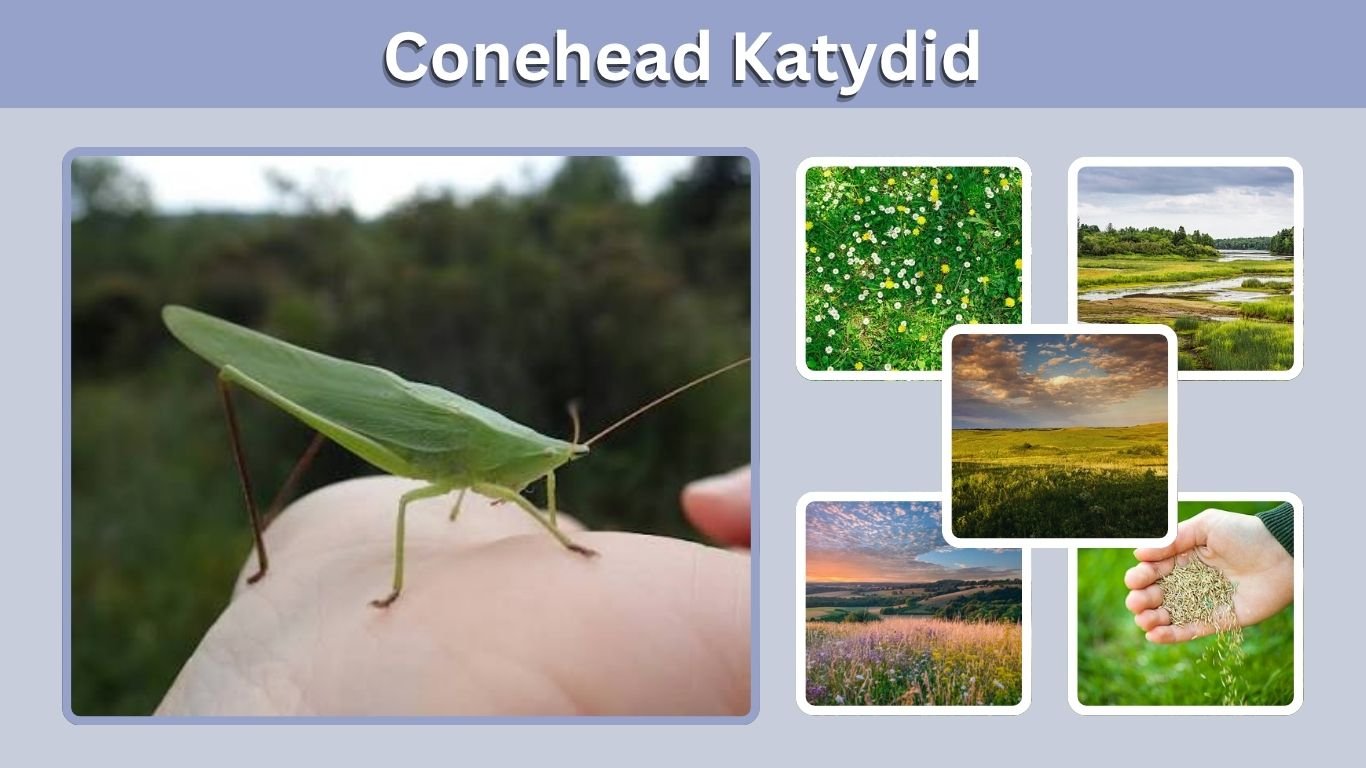
The conehead katydid is a distinctive long-horned insect named for the cone-shaped projection extending from its head. Most common coneheads belong to the genus Neoconocephalus … Read More
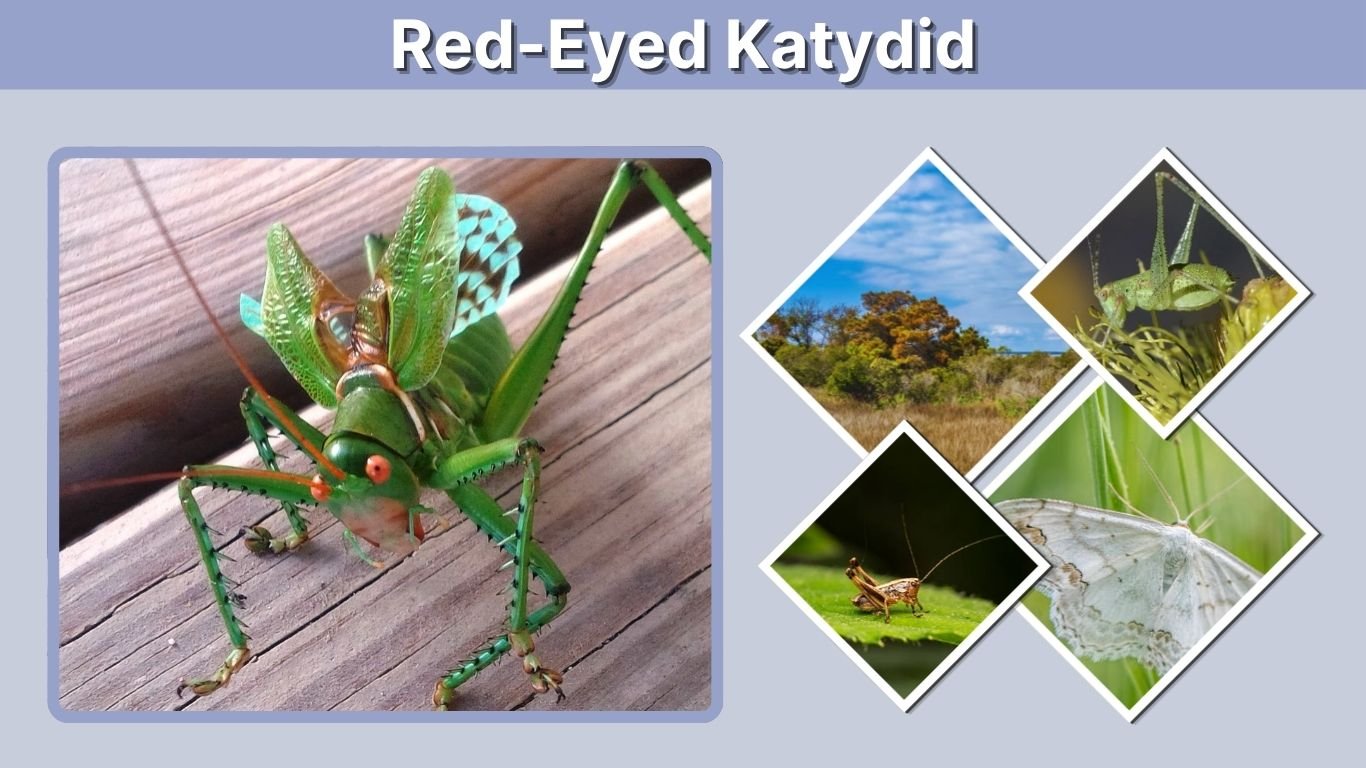
The red-eyed katydid is a striking long-horned insect recognized by its vivid eyes, powerful hind legs, long antennae, and often green or dark-colored body. The … Read More
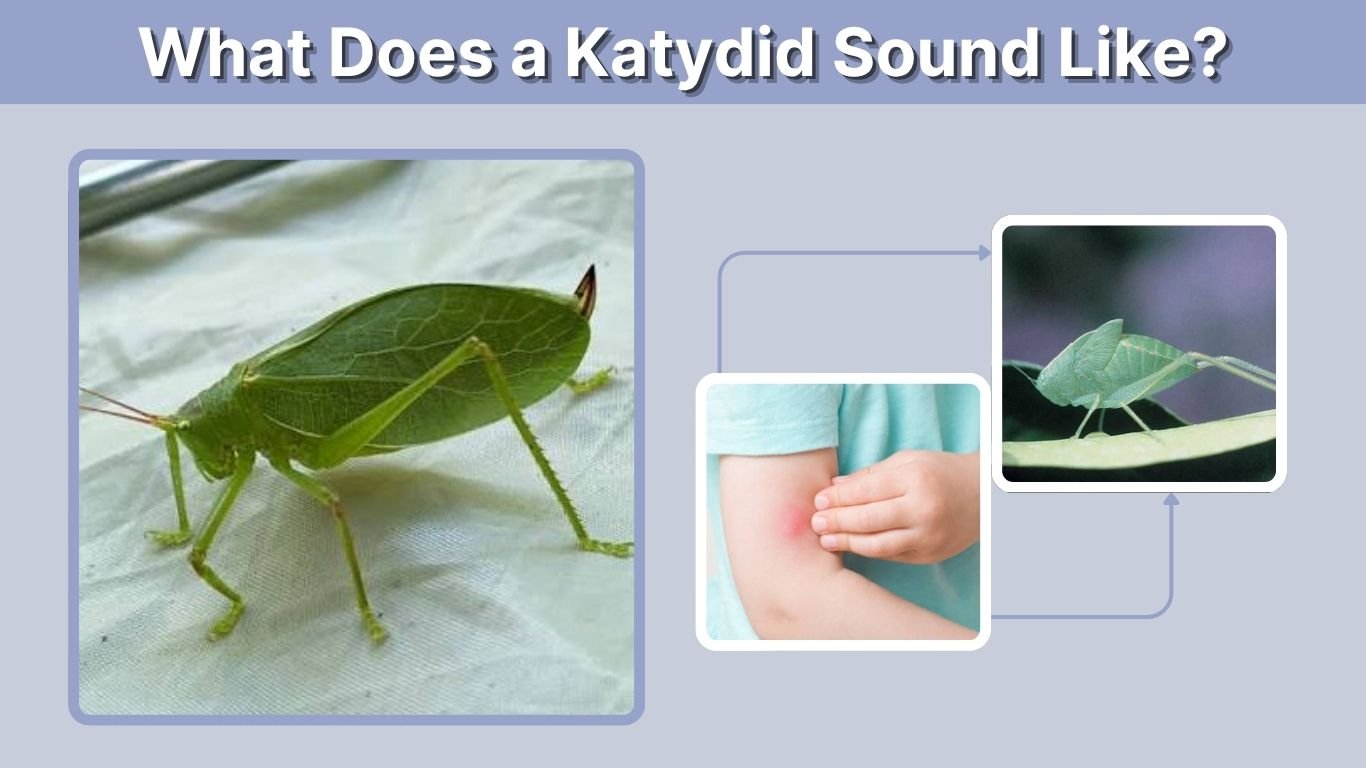
What does a katydid sound like? Depending on the species, a katydid may produce sharp clicks, raspy buzzes, rapid ticks, chirps, or repeated phrases that … Read More
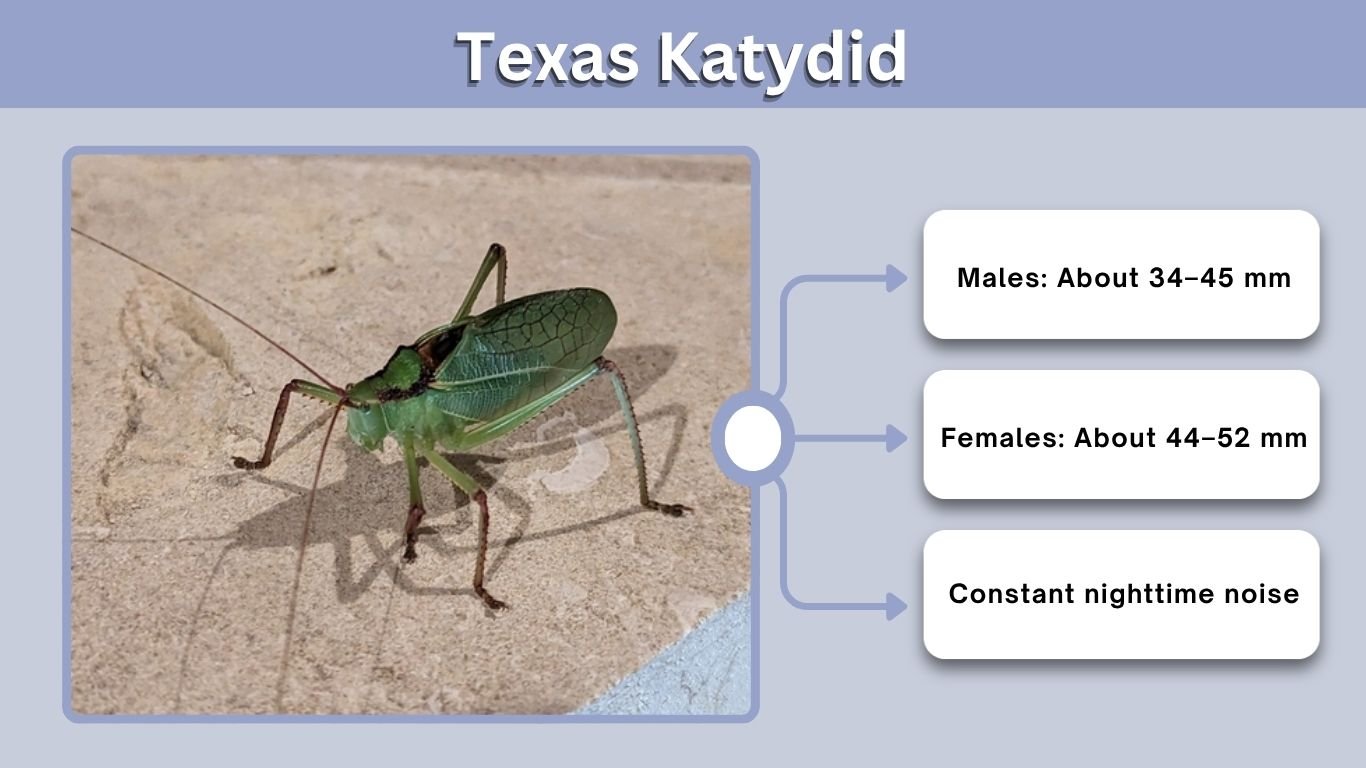
A Texas katydid can be anything from a delicate green leaf mimic to a large, red-eyed predatory insect. Texas supports numerous katydid species, including bush … Read More
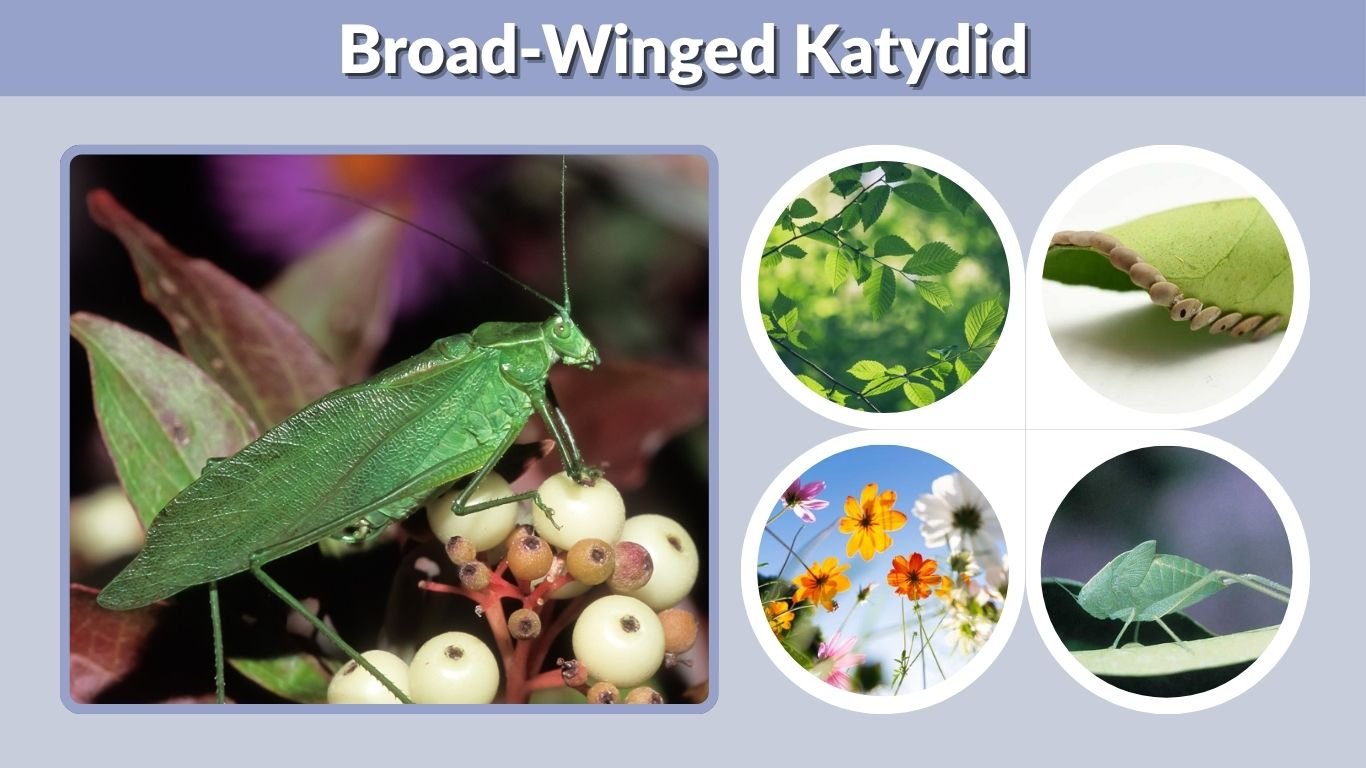
The broad-winged katydid (Microcentrum rhombifolium) is a large, bright-green insect whose wide wings closely resemble leaves. Also known as the greater angle-winged katydid in many … Read More
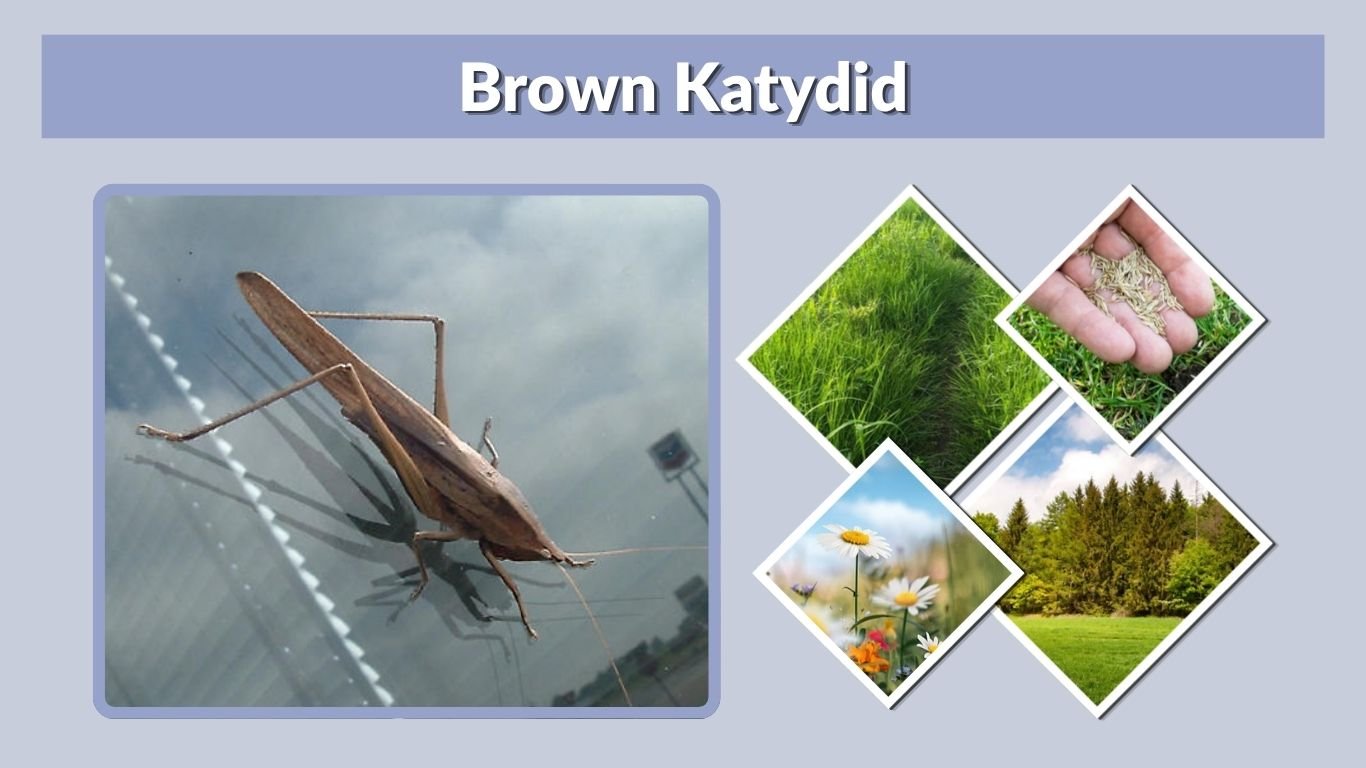
A brown katydid is usually not one particular species but a katydid displaying brown coloration. Many members of the katydid family, Tettigoniidae, occur in green, … Read More
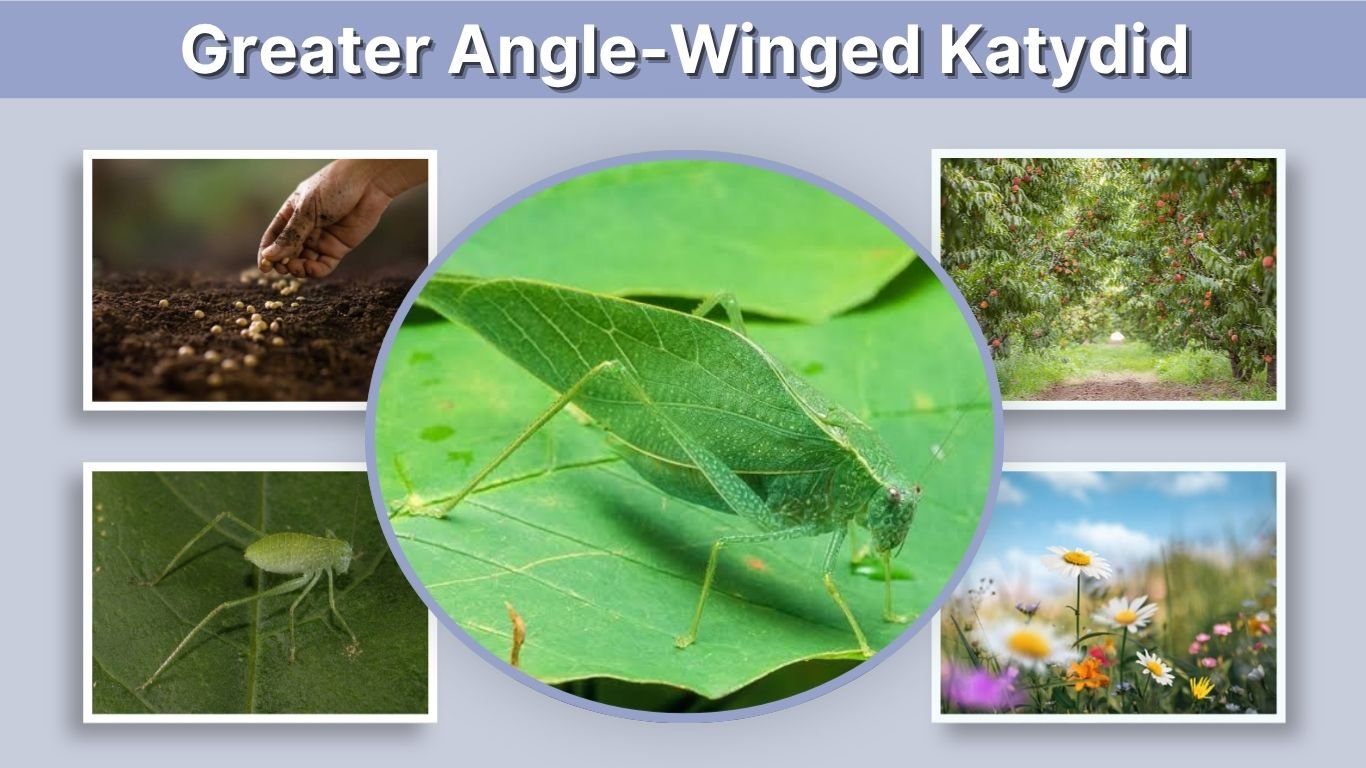
The greater angle-wing katydid is a large green insect famous for its remarkable leaf-like wings and nighttime calls. Scientifically known as Microcentrum rhombifolium, it lives … Read More
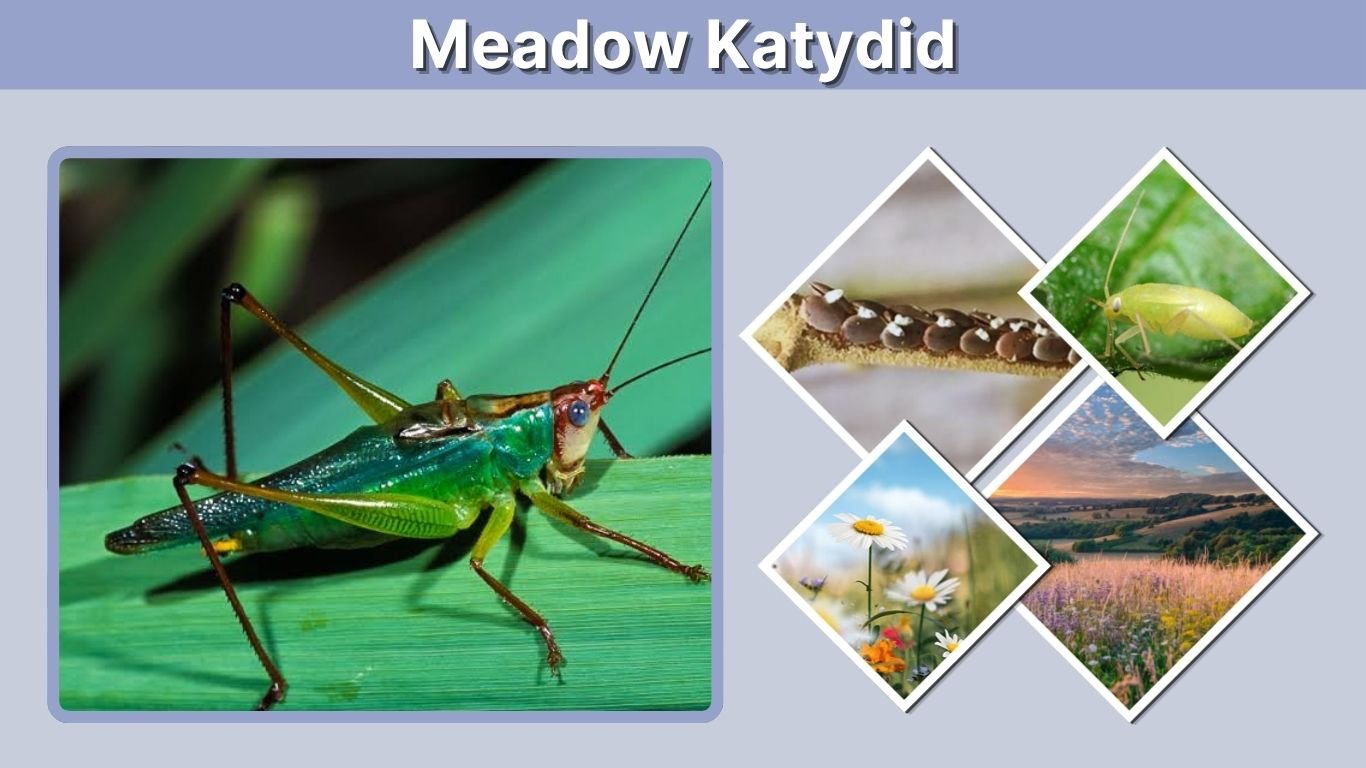
The meadow katydid is a slender, long-antennaed insect commonly found among grasses, sedges, shrubs, and other low vegetation. These katydids are best known for their … Read More