

Have you noticed tiny moving specks on your windowsill, houseplants, or soil and wondered if it’s just dust, or something alive? Many tiny bugs look like specks of dirt, making them easy to overlook until they start to move. This guide covers 7 common culprits, including springtails, mites, and gnat larvae, helping you identify them by their appearance, movement, and where they typically show up.
1. Springtails
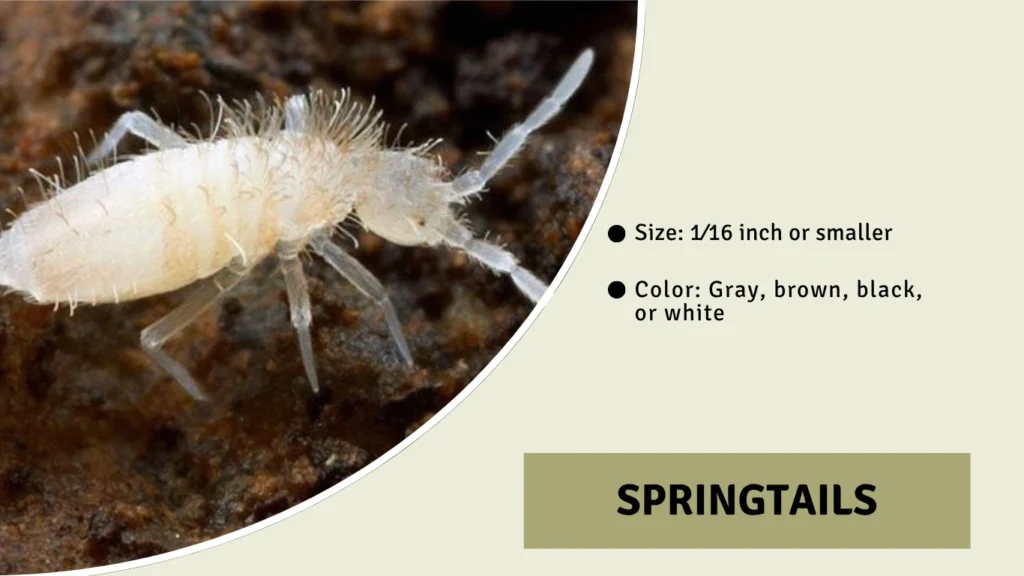
Springtails are extremely tiny bugs that often look like specks of dirt, especially when grouped in moist environments like soil, bathrooms, or basements. They don’t bite or damage structures but are often mistaken for mold or debris due to their small size and behavior.
Identification
- Size: 1⁄16 inch or smaller
- Color: Gray, brown, black, or white
- Soft-bodied with a rounded or elongated shape
- Jump when disturbed using a tail-like appendage (furcula)
- Often found in clusters on damp surfaces
Color and Camouflage
Springtails blend in with soil, mulch, or debris, appearing as tiny black or brown flecks that move suddenly when touched. Their movement is the best clue—they leap using a springing organ, unlike actual dirt specks. Under bright light or magnification, they may show a slightly shiny or grainy texture.
Where It’s Commonly Found
Found in moist, decaying areas such as potting soil, under mulch, near sinks, windowsills, or basement floors. Common indoors during rainy seasons or in overwatered houseplants. They thrive in high-humidity environments.
2. Spider Mite Nymphs

Spider Mite Nymphs are tiny bugs that resemble specks of dirt or dust on leaves and plant stems. Their immature stages are nearly invisible without magnification, yet they can infest indoor and outdoor plants quickly.
Identification
- Size: Less than 1⁄50 inch
- Color: Transparent, pale yellow, or reddish-brown
- Oval body with eight legs (in nymph stage)
- Move slowly and cluster on the underside of leaves
- Often leave fine webbing
Color and Camouflage
These nymphs appear as microscopic reddish or brown specks, often mistaken for dust or dirt. In large numbers, they may look like soil particles scattered across leaves, especially on light-colored plant surfaces.
Where It’s Commonly Found
Typically found on houseplants, vegetables, and ornamental shrubs—especially in dry, warm environments. They thrive on the underside of leaves and feed by piercing and sucking plant juices.
3. Thrips
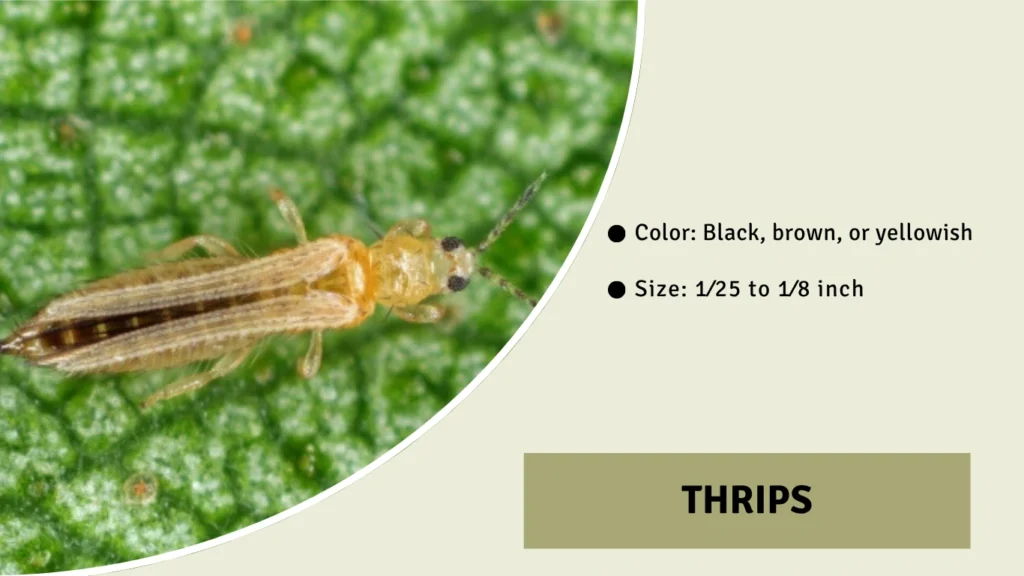
Thrips are slender, tiny black or brown insects that often go unnoticed due to their size. To the naked eye, they can look like specks of dirt, lint, or streaks on leaves, fruits, or even tabletops near windows.
Identification
- Size: 1⁄25 to 1⁄8 inch
- Color: Black, brown, or yellowish
- Slender, elongated body with fringed wings
- Quick, erratic movement
- Often found in clusters or trails
Color and Camouflage
Because of their small size and dark color, thrips resemble flecks of soil or dirt, especially on plant leaves or near window sills. They may smear when rubbed, which helps differentiate them from true dust or debris.
Where It’s Commonly Found
Common in greenhouses, gardens, and on indoor plants. Thrips hide in flower buds, under leaves, or within plant crevices and may enter homes through open windows or vents.
4. Booklice (Psocids)

Booklice, also known as psocids, are tiny bugs that resemble specks of dust or dirt, especially when found crawling on windowsills, old books, or damp cardboard. Despite their name, they don’t bite or harm humans.
Identification
- Size: 1⁄25 to 1⁄12 inch
- Color: Pale gray, white, or light brown
- Soft-bodied with large heads and short antennae
- May or may not have wings
- Move slowly in humid areas
Color and Camouflage
Booklice can appear as light or dusty specks on surfaces, especially on light-colored walls, window corners, or old paper. Their color blends well with dust, and they’re often overlooked until seen in motion.
Where It’s Commonly Found
Typically found in high-humidity indoor spaces like bathrooms, basements, bookcases, or under wallpaper. They feed on mold, mildew, and starchy materials such as book glue and cardboard.
5. Fungus Gnat Larvae
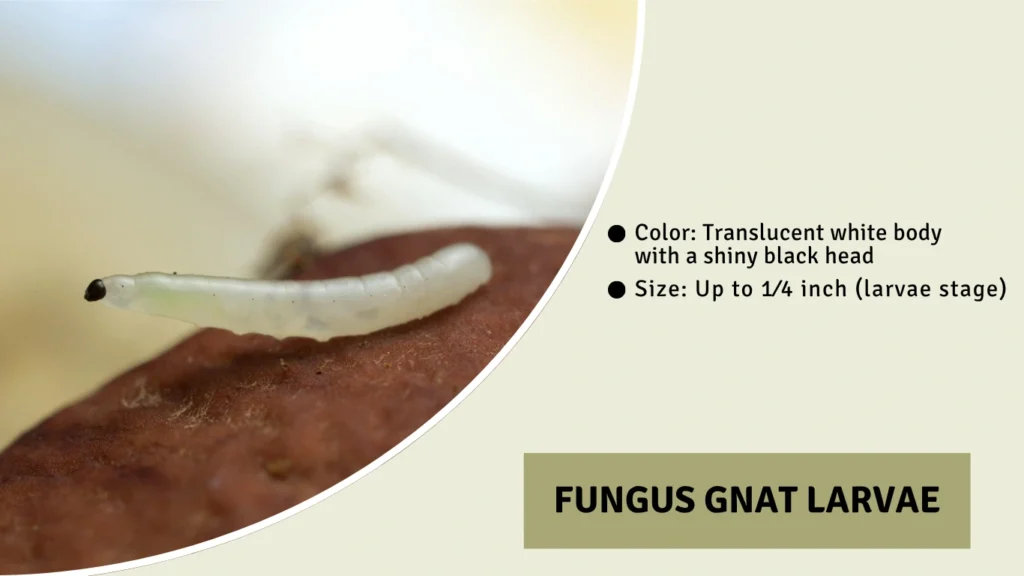
Fungus Gnat Larvae are tiny worm-like bugs that look like shiny dirt particles in potting soil. Though barely visible at first, they become noticeable when disturbed or when houseplants show signs of poor health.
Identification
- Size: Up to 1⁄4 inch (larvae stage)
- Color: Translucent white body with a shiny black head
- Legless, soft-bodied
- Found beneath the soil surface
- Wriggle or curl when disturbed
Color and Camouflage
They blend in with wet soil or decomposing plant matter, often mistaken for tiny pieces of soil or compost. The black head stands out slightly under close inspection, but their slimy texture and translucent body make them hard to spot.
Where It’s Commonly Found
Common in overwatered potted plants, especially in homes, offices, and greenhouses. They thrive in damp, organic-rich soil and feed on decaying plant material and roots.
6. Clover Mites
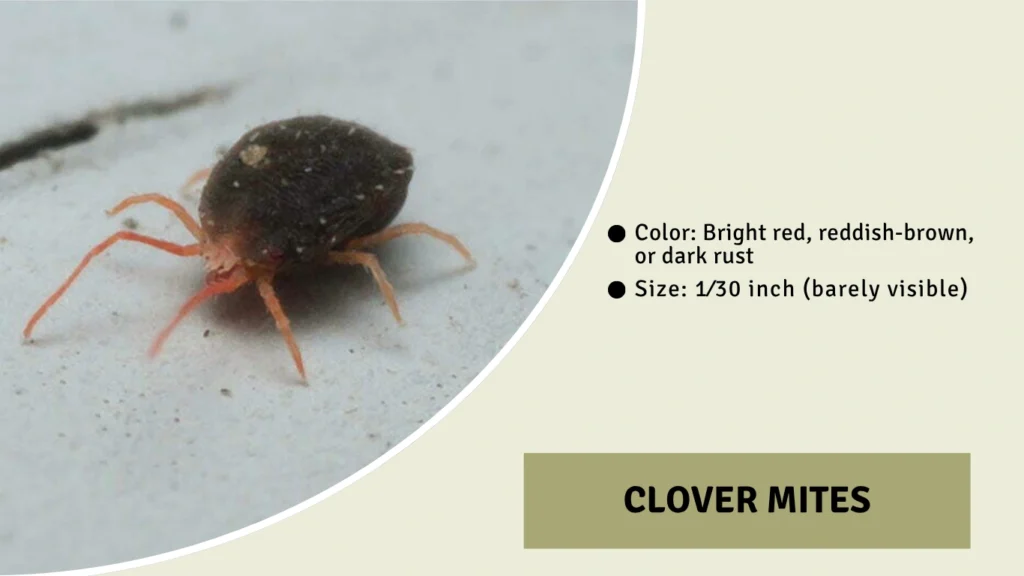
Clover Mites are tiny red to reddish-brown bugs that look like moving specks of dirt or dust, especially when seen crawling on windowsills or house walls. Though harmless, they often appear in large numbers during seasonal changes.
Identification
- Size: 1⁄30 inch (barely visible)
- Color: Bright red, reddish-brown, or dark rust
- Oval-shaped body with eight legs
- Front legs are noticeably longer and extend forward
- Often leave red stains when crushed
Color and Camouflage
Despite their reddish tone, when viewed from a distance or in shade, they often appear as brown or dark dirt specks. On lighter surfaces, they may resemble dust particles until they begin to move.
Where It’s Commonly Found
Frequently seen in spring and fall on sunny house walls, window frames, and sidewalks. Indoors, they gather on sills, floors, and corners near windows. Attracted to well-fertilized lawns and clover or ivy ground cover.
7. Aphid Nymphs
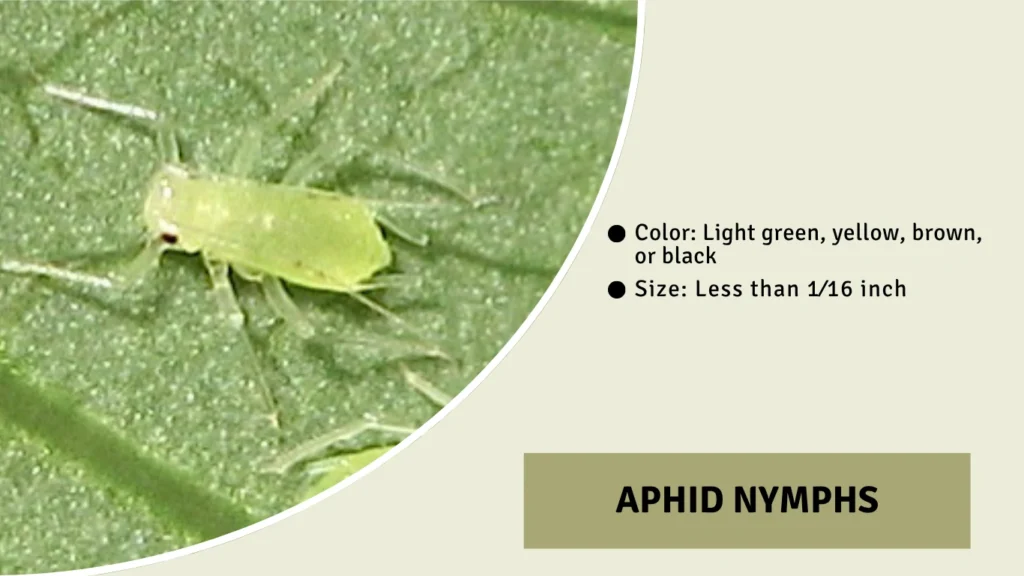
Aphid Nymphs are tiny pale or dark bugs that resemble specks of dirt, often clustered on new plant growth. They’re immature stages of aphids and are typically wingless and very small.
Identification
- Size: Less than 1⁄16 inch
- Color: Light green, yellow, brown, or black
- Pear-shaped body
- No wings (in nymph stage)
- Clustered in groups on stems or leaf undersides
Color and Camouflage
Due to their tiny size and varying earthy colors, aphid nymphs blend into the background like specks of soil or dust. Brown or black nymphs, in particular, may resemble dirt grains or dried plant debris.
Where It’s Commonly Found
Abundant on indoor plants, vegetable gardens, and flowering shrubs—especially on tender new shoots or undersides of leaves. They feed by sucking plant sap and can cause leaf curling or yellowing.
FAQs
1. Why do tiny bugs that look like dirt appear in my house?
These bugs are usually drawn to moisture, organic material, or indoor plants. Overwatered soil, high humidity, or decaying matter can attract pests like springtails, fungus gnat larvae, and booklice.
2. Are these tiny dirt-like bugs harmful to humans?
Most of them are harmless to humans. Bugs like springtails, clover mites, and aphid nymphs don’t bite or transmit diseases but may become a nuisance in large numbers.
3. How can I tell the difference between dirt and a bug?
Dirt doesn’t move—bugs do. Look closely: if the specks crawl, jump, or cluster in patterns, they’re likely insects. Using a magnifying glass or flashlight can help reveal legs or segmentation.
4. How do I get rid of these tiny bugs?
Identify the source—usually moisture or decaying plant matter. Reduce humidity, clean affected areas, and avoid overwatering plants. In some cases, insecticidal soap or sticky traps may be useful.
5. Can these bugs damage my houseplants?
Yes, some can. Fungus gnat larvae and aphid nymphs feed on roots and plant sap, weakening growth. Keeping soil dry between watering and inspecting plants regularly helps control them.
