

Wood cockroaches are a diverse group of insects in the genus Parcoblatta, commonly found across North America. Unlike pest cockroaches that infest homes, these species live outdoors in forests, thriving in leaf litter, rotting logs, and under tree bark. They play an essential ecological role by breaking down decaying plant matter and recycling nutrients back into the soil. This guide explores 12 different types of wood cockroaches, their habitats, characteristics, and life cycles in detail.
1. American Wood Cockroach (Parcoblatta americana)
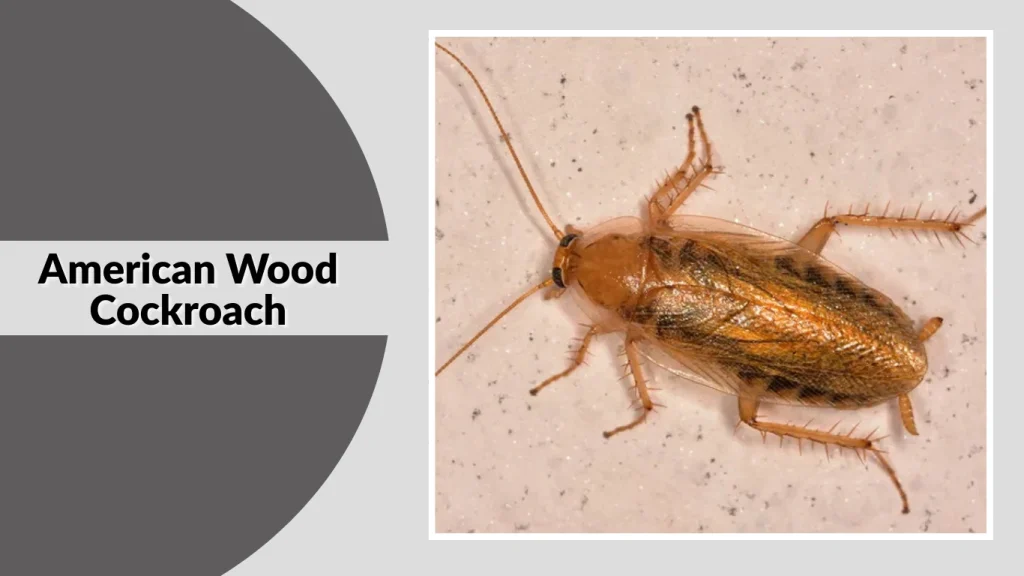
The American Wood Cockroach is a species native to North America and is often mistaken for its household relatives. However, unlike the common indoor cockroaches, this species lives primarily outdoors and contributes to breaking down natural debris. They are harmless to humans, but their presence inside homes can sometimes cause confusion.
Identification
- Medium-sized cockroach, usually 12–15 mm long, though some individuals may grow slightly larger
- Body is light brown to reddish-brown with a somewhat glossy appearance
- Pronotum (the shield-like structure behind the head) is lighter in the center with darker edges
- Wings are long and extend slightly past the abdomen in males, while in females, wings are shorter and do not cover the entire abdomen
- Males are strong fliers, often attracted to lights at night, while females are more ground-dwelling
Habitat
American Wood Cockroaches thrive in wooded and damp environments, especially areas rich in decaying organic matter. They are commonly found under loose tree bark, rotting logs, woodpiles, and leaf litter. Unlike many pest cockroaches, they rarely infest kitchens or pantries but may accidentally enter homes located near forests.
Diet
Their diet is mainly composed of decaying wood, fungi, and organic debris. They act as natural recyclers in the ecosystem, helping break down plant matter into nutrients that return to the soil. They do not feed on human food like other cockroach pests, which is why they are less of a household problem.
Lifecycle
The lifecycle of the American Wood Cockroach consists of egg, nymph, and adult stages. Females produce oothecae (egg cases) that are hidden in moist, protected environments. The eggs hatch into nymphs, which go through several molts before reaching adulthood. Development may take several months to over a year, depending on environmental conditions such as temperature and humidity. Adults are most active during warm months, especially in late spring and summer.
2. Pennsylvania Wood Cockroach (Parcoblatta pensylvanica)
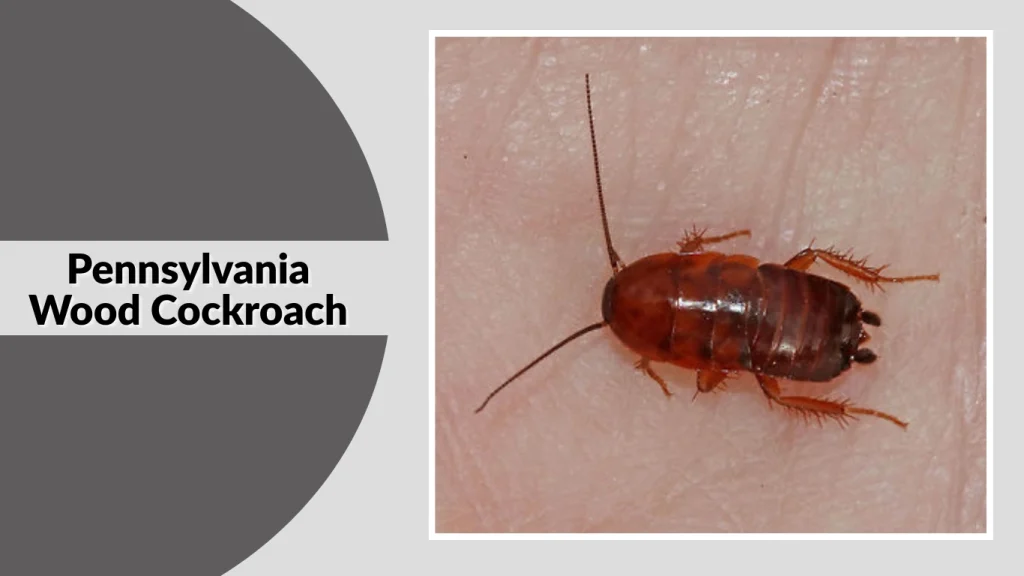
The Pennsylvania Wood Cockroach is one of the most widespread Parcoblatta species in North America. It is especially common in the eastern United States and is known for occasionally wandering into homes, particularly during the warmer months when males fly at night in search of females. Unlike pest species such as the German cockroach, this wood cockroach does not thrive indoors and does not reproduce inside houses.
Identification
- Adults range from 10–25 mm in length, with males being noticeably larger than females
- Color varies from dark brown to almost black, with lighter markings along the edges of the thorax and wings
- Males are fully winged and strong fliers, often attracted to lights during summer nights
- Females have shorter wings that cover only part of their abdomen and are unable to fly
- Nymphs are dark and smaller, with a more flattened body compared to adults
Habitat
This species is naturally found in wooded regions, especially under loose bark, in decaying logs, and among leaf litter. They are often associated with oak and hickory forests but can also be found in suburban neighborhoods with plenty of trees. Wood piles and mulch beds around homes are common hiding spots.
Diet
Pennsylvania Wood Cockroaches feed mainly on decaying plant material, fungi, and dead organic matter. They serve an ecological role by helping decompose forest debris. Unlike household cockroaches, they do not infest food storage areas or cause damage indoors.
Lifecycle
The lifecycle includes egg, nymph, and adult stages. Females produce oothecae (egg cases) that are attached to rough surfaces such as tree bark or hidden within leaf litter. Eggs hatch into nymphs that undergo multiple molts before becoming adults. Development can take a year or more, depending on environmental conditions. Adult males are most active during late spring and summer, which is when they are frequently seen flying toward lights.
3. Virginia Wood Cockroach (Parcoblatta virginica)

The Virginia Wood Cockroach is another common species of the Parcoblatta genus. It is frequently encountered in forested areas of the eastern United States. Although it may sometimes be seen indoors, it does not establish infestations inside homes and is considered a harmless outdoor cockroach species.
Identification
- Adults measure about 13–18 mm in length, making them medium-sized compared to other wood roaches
- Body color is usually dark brown to reddish-brown, with a slightly lighter margin around the pronotum
- Males are fully winged, and their wings extend beyond the tip of the abdomen, enabling them to fly actively at night
- Females have much shorter wings that do not cover the full abdomen, leaving them flightless
- Nymphs are wingless, smaller, and darker, with a flattened body shape adapted to hiding under bark and debris
Habitat
Virginia Wood Cockroaches prefer moist, wooded habitats with plenty of decaying organic matter. They are often found beneath loose tree bark, inside rotting logs, and in thick leaf litter. Around human dwellings, they may be found in wood piles, mulch, or sheds. Homes located near forests may occasionally see them wandering indoors, especially during mating season.
Diet
Their diet consists of decaying plant material, fungi, lichens, and other organic matter. This makes them valuable decomposers within their ecosystems. Unlike pest cockroaches, they do not feed on stored human food, garbage, or household materials.
Lifecycle
The lifecycle follows the standard cockroach pattern of egg, nymph, and adult. Females produce oothecae, which they attach to surfaces in hidden, moist environments. Nymphs hatch and molt several times before reaching maturity, a process that can take nearly a year depending on temperature and humidity. Adults are most active in the warmer months, especially when males take flight to seek out females.
4. Fulvous Wood Cockroach (Parcoblatta fulvescens)

The Fulvous Wood Cockroach is a lighter-colored member of the Parcoblatta genus. It is primarily distributed in the southeastern United States and is often noted for its pale appearance compared to other wood roaches. This species is strictly outdoor-dwelling and is considered ecologically important rather than a household pest.
Identification
- Adults are medium-sized, measuring around 12–16 mm in length
- Body color is light brown to yellowish-brown, giving it a “fulvous” (tawny) appearance
- The pronotum is paler with a slightly darker margin
- Males are fully winged, with wings extending past the abdomen and allowing them to fly actively
- Females are shorter-winged and flightless, with their wings only partially covering the abdomen
- Nymphs are pale brown, smaller, and more rounded in shape compared to adults
Habitat
This species thrives in moist forest floors, under bark, decaying wood, and within piles of leaf litter. It is often found in association with rotting logs, stumps, and shaded woodland areas. Around human habitation, they may occasionally be seen in stacked firewood or shaded gardens but rarely survive indoors.
Diet
Fulvous Wood Cockroaches consume a variety of decomposing organic matter, including decaying leaves, fungi, and wood. Their feeding behavior makes them efficient decomposers that return essential nutrients to forest ecosystems.
Lifecycle
Like other wood cockroaches, the Fulvous Wood Cockroach passes through three main stages: egg, nymph, and adult. Females produce oothecae (egg cases) that are concealed in hidden, damp areas such as beneath bark or in soil litter. Nymphs undergo multiple molts before reaching adulthood, with the full lifecycle often taking a year or more depending on climate conditions. Adults are most active in spring and summer, especially males during mating flights.
5. Broad Wood Cockroach (Parcoblatta lata)

The Broad Wood Cockroach is one of the larger and more distinctive species in the Parcoblatta genus. Known for its relatively wide body shape, this species inhabits wooded areas in the southeastern United States. It is an outdoor-dwelling insect that helps recycle organic matter but does not adapt to household living.
Identification
- Adults are relatively large, usually measuring 15–20 mm in length
- Body is broad and oval-shaped compared to other slender wood roaches
- Color ranges from medium brown to dark reddish-brown with a uniform appearance
- Males are long-winged, with wings extending past the abdomen, making them capable fliers
- Females are brachypterous (short-winged), with wings covering only part of the abdomen, leaving them flightless
- Nymphs are robust, with a flattened body and darker brown coloration that helps camouflage in bark and leaf litter
Habitat
Broad Wood Cockroaches thrive in warm, moist forest environments. They are often found beneath loose bark, inside rotting logs, and in piles of decaying vegetation. Around residential areas, they may be seen in firewood stacks, garden mulch, or shaded yards near forests. They occasionally enter homes by accident but do not breed indoors.
Diet
Their diet is composed mainly of decaying leaves, fungi, lichens, and decomposed wood fibers. They act as natural recyclers, returning nutrients to the soil and supporting forest ecosystems. They do not show the food-seeking behavior typical of pest cockroaches.
Lifecycle
The lifecycle consists of three stages: egg, nymph, and adult. Females lay oothecae in concealed locations such as rotting logs or under bark. Nymphs develop slowly, undergoing multiple molts before adulthood. The complete lifecycle may take 10–12 months depending on environmental conditions. Adult males are active fliers, especially in the warmer months, when they seek out females for mating.
6. Caudell’s Wood Cockroach (Parcoblatta caudelli)

Caudell’s Wood Cockroach is a lesser-known but distinct member of the Parcoblatta genus. It is mostly distributed in the southeastern and central regions of the United States. This species prefers forest environments and plays a beneficial ecological role by helping recycle nutrients through decomposition.
Identification
- Adults typically measure 12–17 mm in length, slightly smaller than the Broad Wood Cockroach
- Body color is medium to dark brown, with subtle reddish tones on the wings
- Males have long wings that extend beyond the abdomen and allow them to fly efficiently
- Females are short-winged and flightless, with their wings covering only part of the abdomen
- The pronotum often has a lighter central area with darker margins, providing a distinct contrast
- Nymphs are smaller, darker, and wingless, blending well with bark and soil
Habitat
This species favors wooded and moist environments, particularly areas with abundant decaying logs, bark, and heavy leaf litter. It is often seen under tree bark or in rotting stumps. Around human dwellings, it may occasionally be found in stacked firewood or shaded garden mulch but does not adapt to indoor living.
Diet
Caudell’s Wood Cockroaches feed on decaying organic matter such as fallen leaves, fungi, lichens, and rotting wood. This makes them natural decomposers in the ecosystem, breaking down plant materials that enrich the soil. They do not eat stored foods or damage household items.
Lifecycle
The lifecycle includes the egg, nymph, and adult stages. Females produce oothecae (egg cases) in hidden, moist environments like rotting logs or leaf piles. Nymphs hatch and progress through several molts before reaching adulthood, a process that may take 9–12 months. Adults are especially active in late spring and summer, when males take flight in search of females.
7. Divided Wood Cockroach (Parcoblatta divisa)

The Divided Wood Cockroach is another member of the Parcoblatta genus, found across parts of the southeastern United States. It is recognized for its slightly patterned appearance and is often seen in natural wooded areas. Like other wood cockroaches, it is an outdoor species that contributes to decomposition rather than acting as a pest.
Identification
- Adults measure around 12–16 mm in length, placing them in the medium size range among wood roaches
- Body coloration is dark brown with lighter patches or “divided” markings on the pronotum or wings, which gives the species its common name
- Males are fully winged, and their wings extend past the abdomen, enabling active flight, especially at night
- Females are shorter-winged and unable to fly, with a stockier body shape than males
- Nymphs are smaller, dark brown, and wingless, often well camouflaged against bark or soil
Habitat
Divided Wood Cockroaches are typically found in moist, wooded environments. They live under tree bark, within decaying logs, and in piles of leaf litter. They may occasionally be seen around homes, especially in stacked firewood or damp garden mulch, but they do not survive well indoors and do not reproduce inside houses.
Diet
Their diet is based primarily on decomposing organic matter, including rotting leaves, fungi, lichens, and decayed wood fibers. This feeding habit makes them important decomposers in forest ecosystems, helping return nutrients to the soil.
Lifecycle
The lifecycle consists of egg, nymph, and adult stages. Females lay oothecae in concealed, humid spots such as under bark or in leaf piles. After hatching, the nymphs molt several times before becoming adults, a process that can take nearly a year. Adult males are most active in late spring and summer when they fly at night in search of mates.
8. Boll’s Wood Cockroach (Parcoblatta bolliana)
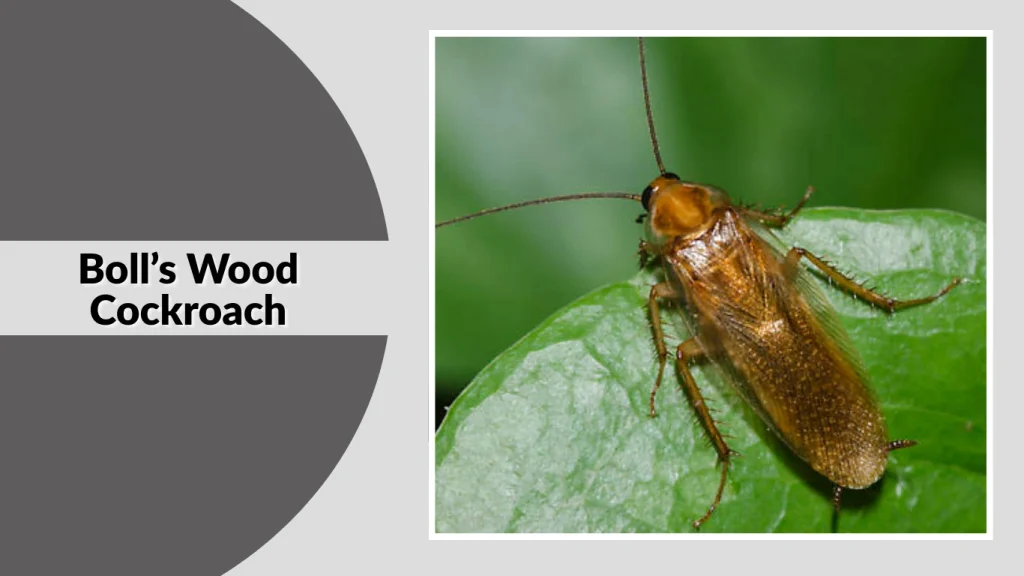
Boll’s Wood Cockroach is a native species of the southeastern United States. Although less commonly encountered than some other Parcoblatta species, it plays an important ecological role in recycling decaying plant matter. It is mainly associated with forested environments and does not adapt to living inside homes.
Identification
- Adults are medium in size, usually 12–16 mm long
- Coloration is generally dark brown, sometimes with lighter shading along the wing edges
- Males are fully winged, with wings extending past the abdomen, allowing them to fly actively, especially at night
- Females are shorter-winged, with wings covering only part of the abdomen, making them flightless
- Nymphs are smaller, darker, and wingless, blending into forest litter and bark crevices
Habitat
This species is typically found in wooded habitats with plenty of moisture and decaying organic matter. They are often seen under loose bark, inside rotting logs, and among leaf litter. Around homes, they may occasionally appear in stacked firewood or damp mulch but cannot establish populations indoors.
Diet
Boll’s Wood Cockroaches primarily feed on decomposing leaves, fungi, rotting wood, and organic detritus. They help break down natural waste materials, returning nutrients back to the soil. Unlike pest species, they do not feed on household food sources.
Lifecycle
Their lifecycle consists of egg, nymph, and adult stages. Females produce oothecae that are hidden in damp, sheltered spots such as beneath bark or in forest debris. Nymphs hatch and undergo multiple molts before reaching adulthood, a process that may take several months to a year. Adults are most active in warmer months, with males flying at night in search of mates.
9. Uhler’s Wood Cockroach (Parcoblatta uhleriana)

Uhler’s Wood Cockroach is a widespread species across the eastern United States. It is often encountered in forests and wooded suburban areas. While it may occasionally wander into homes, it does not establish infestations and is considered harmless to humans.
Identification
- Adults measure around 13–17 mm in length
- Body color is medium to dark brown, with a somewhat uniform shade across the thorax and wings
- Males are fully winged, and their wings extend slightly past the abdomen, making them capable of flight
- Females are short-winged and cannot fly; their wings only partially cover the abdomen
- Pronotum is broad and darker than the body, sometimes with faint paler margins
- Nymphs are wingless, smaller, and darker, helping them blend into bark crevices and soil litter
Habitat
This species prefers forest floors, decaying logs, and moist woodland areas. It is commonly found under bark, within piles of fallen leaves, and in rotting stumps. Around human homes, it may be found in stacked firewood, shaded gardens, and moist mulch. It does not thrive indoors.
Diet
Uhler’s Wood Cockroaches feed on decaying leaves, fungi, lichens, and other decomposing organic matter. They are part of the natural decomposition cycle and help recycle nutrients back into the soil. Unlike pest roaches, they do not invade food stores or cause property damage.
Lifecycle
The lifecycle includes egg, nymph, and adult stages. Females deposit oothecae in hidden, damp environments such as under bark or in leaf piles. The eggs hatch into nymphs that undergo several molts before adulthood, usually within a year. Adults are most active during late spring and summer, with males flying at night in search of mates.
10. Noth’s Wood Cockroach (Parcoblatta notha)

Noth’s Wood Cockroach is one of the less frequently mentioned species within the Parcoblatta genus. It inhabits forested regions in the eastern United States and, like its relatives, lives primarily outdoors. It is not considered a household pest but plays a key role in natural decomposition.
Identification
- Adults are medium-sized, ranging between 12–16 mm in length
- Body color is typically dark brown, sometimes with reddish tones, giving a slightly glossy appearance
- Males are long-winged, with wings extending beyond the abdomen, allowing strong nighttime flight
- Females are short-winged and unable to fly, with a stockier build
- The pronotum often shows lighter shading around its edges, contrasting with the darker central area
- Nymphs are smaller, wingless, and darker brown, camouflaging easily in leaf litter and wood crevices
Habitat
Noth’s Wood Cockroaches live in wooded and moist environments, especially in areas with abundant decaying logs, stumps, and heavy leaf litter. They are frequently found under bark and in rotting wood. Around human homes, they may be seen in stacked firewood, damp mulch, or shaded yards, but they do not reproduce indoors.
Diet
Their diet consists primarily of decaying leaves, wood fibers, lichens, and fungi. By consuming decomposed matter, they act as natural recyclers in the ecosystem, enriching soil nutrients. They do not consume household food or cause damage inside human dwellings.
Lifecycle
The life cycle follows the cockroach pattern of egg, nymph, and adult. Females lay oothecae in hidden, moist areas such as under bark or within decomposing wood. After hatching, nymphs undergo several molts before becoming adults, often requiring nearly a year depending on temperature and moisture. Adults are most commonly seen in late spring and summer when males fly in search of females.
11. Zebra Wood Cockroach (Parcoblatta zebra)
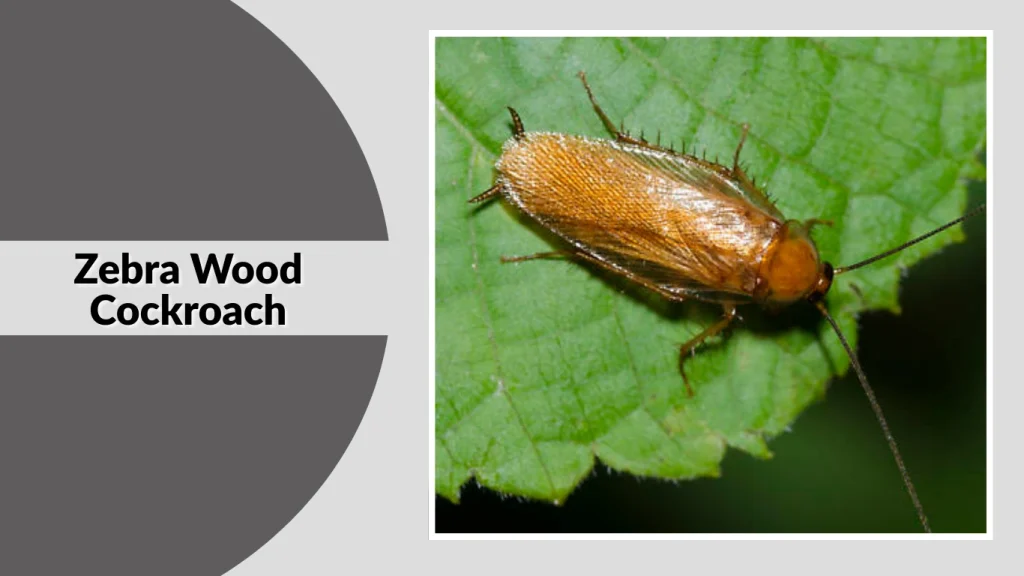
The Zebra Wood Cockroach is one of the more visually distinctive members of the Parcoblatta genus. Its unique banded markings give it the “zebra” name, making it easier to recognize compared to other more uniformly colored wood roaches. It inhabits forested areas and, like its relatives, is not a household pest.
Identification
- Adults are medium-sized, generally 12–16 mm in length
- Body is light brown to tan with darker brown or blackish stripes across the thorax and wings, resembling a zebra-like pattern
- Males are long-winged, with wings extending past the abdomen, enabling strong flight during warm evenings
- Females are shorter-winged and unable to fly, with wings covering only part of the abdomen
- Nymphs display similar striped patterns, though often more subtle, providing camouflage in bark and leaf litter
Habitat
This species is found in forest habitats, especially where there are decaying logs, bark piles, and damp leaf litter. It thrives in moist conditions and can be seen hiding under tree bark or inside rotting wood. Around homes, they may be discovered in stacked wood or shaded, damp gardens but rarely survive indoors.
Diet
Zebra Wood Cockroaches feed on decomposing plant material, fungi, and decayed wood fibers. They play an important ecological role in the breakdown of organic matter, contributing to nutrient cycling in forests.
Lifecycle
The lifecycle includes egg, nymph, and adult stages. Females lay oothecae in protected, damp locations such as beneath bark or inside rotting logs. Nymphs hatch and progress through multiple molts before adulthood, usually within 9–12 months. Adults are most active in spring and summer, when males are frequently seen flying toward lights during the night.
12. Forest Wood Cockroach (Parcoblatta sylvatica)

The Forest Wood Cockroach is a widely distributed species in the eastern United States. As its name suggests, it is strongly associated with forested environments. Unlike pest species, this cockroach does not invade homes permanently and is an important part of the woodland ecosystem.
Identification
- Adults are medium-sized, measuring about 12–17 mm in length
- Coloration ranges from reddish-brown to dark brown, often with lighter shading along the wing edges
- Males have long wings that extend past the abdomen and are capable of sustained flight, often flying at night during warm seasons
- Females are short-winged, with wings covering only part of the abdomen, making them flightless
- The pronotum is slightly lighter in the center, bordered by darker edges
- Nymphs are smaller, dark brown, and wingless, camouflaged against soil and decaying wood
Habitat
This species inhabits damp forests, particularly areas rich in leaf litter, rotting logs, and tree bark. It is commonly found beneath bark, inside decomposed stumps, and in thick ground litter. Around residential areas, they may appear in stacked firewood or shaded mulch piles but cannot establish themselves indoors.
Diet
Forest Wood Cockroaches consume decaying leaves, rotting wood, fungi, and other organic debris. Their role as decomposers helps maintain forest soil health by recycling nutrients. They do not feed on human food or household materials.
Lifecycle
The lifecycle progresses through egg, nymph, and adult stages. Females produce oothecae, which are concealed under bark, in rotting logs, or within moist soil litter. Nymphs hatch and undergo several molts before reaching adulthood, typically within a year depending on environmental conditions. Adult males are most active in spring and summer, especially when flying in search of mates.
