
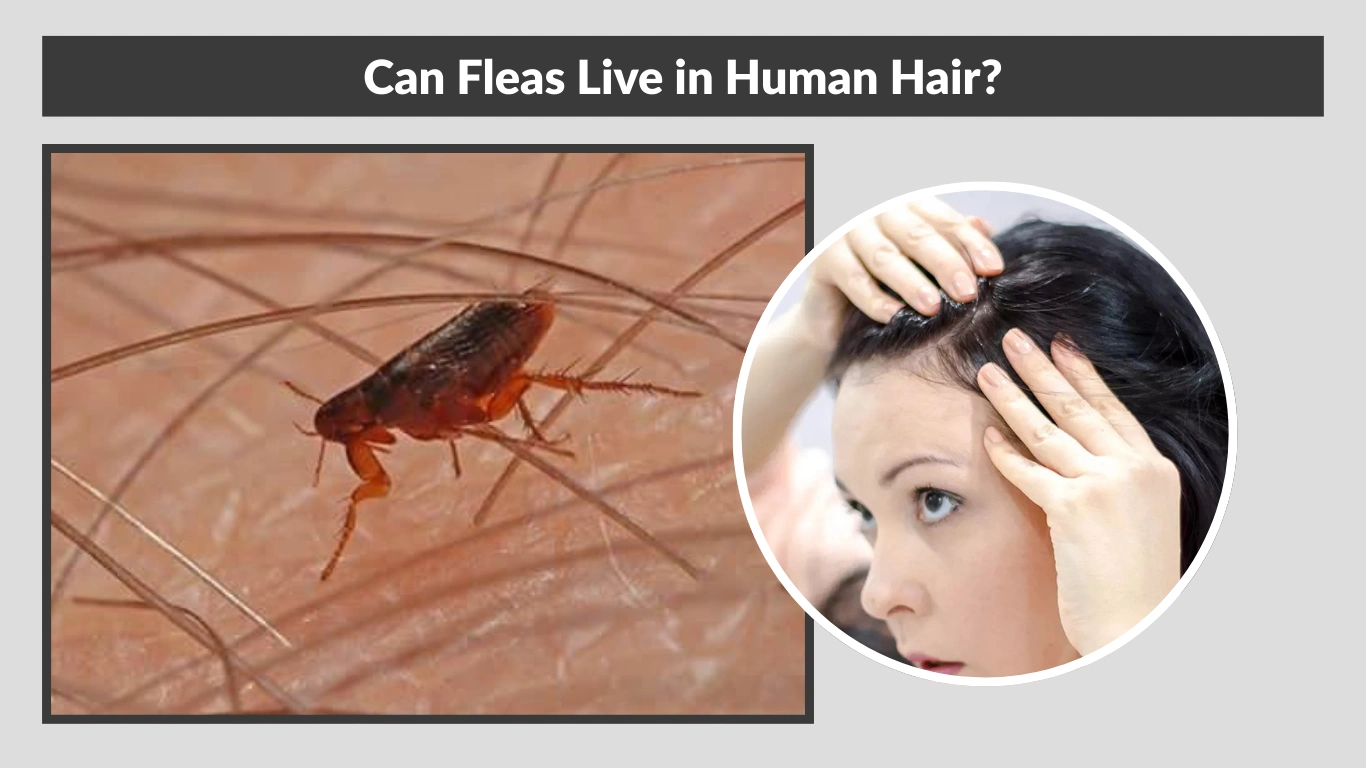
Fleas are tiny, jumping parasites most often associated with dogs, cats, and wild animals. Their bites cause itching, irritation, and sometimes allergic reactions. But if you’ve ever found yourself scratching your scalp after playing with a pet, you might wonder: can fleas actually live in human hair? While it is rare, fleas may bite the scalp, but they generally do not live or reproduce on humans. This article explores why fleas don’t thrive in human hair, how to recognize symptoms, treatment methods, and effective ways to prevent them.
What Are Fleas?
Fleas are small, wingless insects that feed exclusively on blood. With strong back legs, they are capable of jumping long distances, allowing them to move easily between hosts. More than 2,500 species of fleas exist worldwide, but the most common ones affecting households are the cat flea (Ctenocephalides felis) and dog flea (Ctenocephalides canis).
These parasites are well-adapted to animal hosts with dense fur, where they can hide, feed, and lay eggs. Humans, on the other hand, do not provide the same type of environment, which makes us less appealing as permanent hosts.
Can Fleas Live in Human Hair?

The short answer is no—fleas cannot truly live in human hair in the same way they live in animal fur. Human hair is finer and less dense, making it unsuitable for flea reproduction and survival. Fleas may bite the scalp if they land there, but they do not set up colonies on humans.
This difference is important to understand because people often confuse flea infestations with head lice. Unlike lice, which are specifically adapted to cling to human hair shafts and feed on scalp blood, fleas are opportunistic. They may jump on a human for a quick meal but will quickly leave to return to their preferred furry hosts.
Why Fleas May End Up in Human Hair

Even though fleas do not prefer human hosts, there are certain situations where they may bite the scalp or be found in hair:
- Close contact with pets: If your dog or cat has fleas and frequently sleeps on your bed or cuddles with you, fleas may hop onto you temporarily.
- Infested environments: Carpets, rugs, and upholstered furniture are common hiding spots for fleas. If you sit or lie in these areas, fleas may jump onto your body.
- Searching for food: Fleas are driven by the need to feed on blood. If their primary host isn’t nearby, they may bite humans until they find a better option.
These cases are usually temporary. Once fleas realize that human hair is not suitable for reproduction, they abandon it.
Flea Bites on Humans
Flea bites are most commonly found on the ankles, legs, and areas close to the ground, but in rare cases, they may bite the scalp. Flea bites appear as small, red bumps often grouped in clusters of three or four. The itching can be intense, and scratching may worsen the irritation.
Unlike lice bites, which are typically concentrated on the scalp, flea bites are scattered and may appear in other body regions at the same time. This pattern often helps in distinguishing between the two.
Identification of Fleas in Hair

It’s important to correctly identify whether fleas are in your hair or if you are dealing with lice, dandruff, or another scalp condition. Signs that may suggest flea presence include:
- Itchy red bumps that appear suddenly after pet contact.
- Tiny black specks (flea dirt), which are actually flea droppings.
- Fast-moving insects that jump rather than crawl, unlike lice.
If you spot jumping insects, they are more likely fleas than lice. However, because infestations in hair are rare, it’s often just accidental contact rather than true habitation.
Risks of Fleas in Human Hair

While fleas are mostly a nuisance, they can present certain risks if they come into contact with human hair and skin:
- Allergic reactions: Some people develop allergic dermatitis from flea saliva, leading to intense itching and swelling.
- Secondary infections: Scratching flea bites can break the skin, allowing bacteria to enter and cause infections.
- Disease transmission: Though rare, fleas can carry diseases such as murine typhus or even plague in some parts of the world.
These risks make it important to deal with flea encounters promptly.
How to Treat Fleas in Human Hair

If you suspect fleas have made their way into your hair, several steps can help eliminate them:
- Wash your hair thoroughly with regular or medicated shampoo. Shampoos containing tea tree oil or eucalyptus may help repel fleas.
- Use a fine-toothed comb to remove any fleas or debris. Flea combs made for pets can also be used gently on human hair.
- Clean your environment: Wash your bedding, clothes, and towels in hot water to kill fleas and eggs.
- Vacuum thoroughly: Carpets, furniture, and pet bedding should be cleaned to prevent reinfestation.
If itching or allergic reactions persist, a doctor may prescribe antihistamines, hydrocortisone creams, or stronger treatments.
Preventing Fleas in Human Hair
Prevention is always better than cure. Since fleas usually originate from pets or the environment, the best approach is to manage them at the source:
- Keep pets on regular flea prevention treatments such as topical solutions or flea collars.
- Vacuum and wash fabrics in your home frequently to eliminate flea eggs and larvae.
- Avoid sitting on rugs, carpets, or pet bedding in homes where fleas are present.
- Wear protective clothing if you need to handle animals suspected of having fleas.
These measures greatly reduce the chance of fleas ever reaching your scalp.
Difference Between Fleas, Lice, and Bed Bugs

People often confuse fleas with lice and bed bugs. Here’s a quick comparison:
| Insect | Preferred Host | Habitat | Behavior |
| Fleas | Animals (cats, dogs) | Fur, carpets, bedding | Jump, quick bites, may temporarily bite humans |
| Lice | Humans | Human scalp and hair shafts | Crawl, live and reproduce in hair |
| Bed Bugs | Humans | Mattresses, furniture, cracks | Crawl, feed at night, bites in rows |
This table highlights why fleas are unlikely to live in human hair, unlike lice, which are specialized parasites of humans.
When to See a Doctor
Most flea bites are harmless, but medical attention may be needed if:
- You experience severe allergic reactions like swelling, dizziness, or difficulty breathing.
- Bite marks develop into painful sores or infections.
- Itching persists for weeks despite treatment.
Doctors can provide stronger treatments and rule out other causes like lice or scabies.
FAQs
Do fleas lay eggs in human hair?
Fleas do not lay eggs in human hair. They need thick animal fur or soft surfaces like carpets and bedding where eggs can easily fall and develop. Human hair is too fine and sparse, so fleas may bite the scalp temporarily but will not reproduce or survive long-term on people.
Can fleas jump onto your scalp?
Yes, fleas can jump onto your scalp if you’re near an infested pet or environment. Their powerful legs allow them to leap long distances, making it possible to land on the head. However, they don’t stay for long because human hair doesn’t provide the warmth and density they need for hiding and breeding.
How long can fleas stay on a human?
Fleas may stay on a human for a short time to take a blood meal, but they generally leave within a few hours. Humans are not suitable hosts since fleas cannot reproduce on them. For survival, fleas quickly return to furry animals or the environment where they can complete their life cycle.
What’s the fastest way to get rid of fleas from hair?
The quickest way is to wash your hair with shampoo, preferably one with natural flea-repelling ingredients like tea tree or eucalyptus. Follow up with a fine-toothed comb to remove any fleas. It’s equally important to wash bedding, clothes, and vacuum the home to prevent reinfestation from the surrounding environment.
Are fleas dangerous to humans?
Fleas are usually just an annoyance, but they can cause itching, allergic reactions, or secondary infections from scratching. In rare cases, they may transmit diseases such as murine typhus. While fleas won’t live in your hair, their bites can still be irritating, so timely treatment and prevention are always recommended.
