

Springtails are tiny insects that often show up in homes, bathrooms, kitchens, and even potted plants. While they don’t bite or spread disease, they can appear in large numbers, creating discomfort and signaling excess moisture problems indoors. Outdoors, they thrive in damp soil, compost, and gardens. To control springtails effectively, you must focus on reducing the conditions that attract them in the first place.
Understanding Springtails
Springtails are microscopic, wingless insects about 1–2 mm long. They are named after their unique “springing” ability, which allows them to jump when disturbed. Despite resembling fleas in behavior, they are completely harmless to humans and pets.
These insects primarily feed on mold, fungi, algae, and decaying organic matter. This is why they are most commonly found in damp environments such as bathrooms, basements, kitchens, and moist garden soil. Springtails multiply quickly in humid conditions, making it important to address the root cause of their appearance.
Signs of a Springtail Infestation
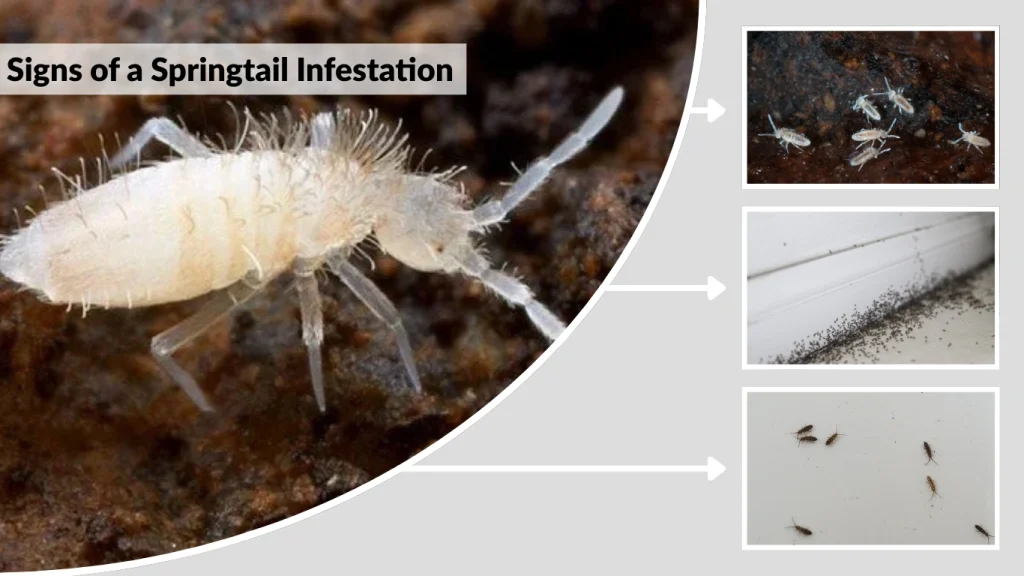
Visual Appearance
Springtails are usually gray, brown, white, or black, and they can be seen jumping when touched. Their small size makes them difficult to spot unless they gather in large groups.
Common Locations
Indoors, they are often seen in bathrooms, sinks, kitchens, and near windowsills. In gardens, they inhabit wet soil, leaf litter, and mulch.
What Attracts Them
Moisture is the biggest factor. Leaky pipes, condensation, overwatered plants, and damp carpets all provide perfect breeding grounds. If you spot springtails, it usually means there’s an underlying moisture or mold issue.
Why You Should Get Rid of Springtails
While springtails don’t pose health risks, they can be frustrating when they invade in large numbers. Their presence often indicates a moisture or mold problem that needs attention. In houseplants, they may damage seedlings or stressed plants by feeding on roots and organic matter. For homeowners, a sudden swarm in bathrooms, kitchens, or beds can be alarming, even if the insects themselves are harmless.
How to Get Rid of Springtails: 8 Effective Methods
1. Reduce Moisture (Most Important Step)

Springtails thrive in damp conditions. The first step to eliminating them is lowering humidity and fixing leaks. Repair dripping faucets, leaky pipes, and clogged gutters. Improve airflow by using fans or opening windows. In humid rooms like basements or bathrooms, a dehumidifier can drastically reduce springtail populations. Without moisture, they cannot survive.
2. Clean and Dry Surfaces
Regular cleaning helps remove the mold and fungi springtails feed on. Wipe down sinks, countertops, and bathroom tiles to remove damp residue. Dry shower walls and mats after use. Check window sills for condensation and keep them dry. Reducing damp surfaces makes your home less inviting to these pests.
3. Treat Springtails in Bathrooms
Bathrooms are one of the most common places for springtail infestations because of constant moisture. To control them:
- Seal cracks in tiles and around bathtubs.
- Clean drains where moisture and organic buildup occur.
- Use an exhaust fan after showers to lower humidity.
- Keep toilet and sink areas dry.
By reducing dampness, you not only stop springtails but also prevent mold growth.
4. Remove Springtails from Plants and Soil
Springtails often live in the soil of potted plants. Overwatering creates the perfect environment for them to breed. Allow soil to dry between watering, and avoid leaving saucers filled with excess water. For heavy infestations, consider repotting the plant with fresh soil. Natural remedies such as sprinkling cinnamon or diatomaceous earth on the soil surface can also help reduce their numbers.
5. Eliminate Springtails in the Kitchen

Kitchens provide food, warmth, and moisture, making them a hotspot for springtails. Keep sinks and counters dry, repair leaking pipes, and store food properly to avoid attracting mold. Clean behind refrigerators and under appliances where condensation often collects. Regular sanitation will discourage springtails from thriving in food-prep areas.
6. Remove Them from Beds and Carpets
Though rare, springtails may appear in bedrooms if the space is very humid. They can gather in carpets, bedding, or upholstered furniture. Use a vacuum to remove visible springtails and wash bedding regularly in hot water. Lower humidity with a dehumidifier, and ensure there’s no hidden water leak or damp wall nearby.
7. Outdoor Springtail Control
Springtails naturally live outdoors in soil, mulch, compost, and leaf litter. To reduce populations near your home:
- Clean gutters and remove debris.
- Avoid overwatering lawns and gardens.
- Spread mulch sparingly, keeping it away from foundations.
- Ensure good drainage around garden beds.
By lowering moisture outdoors, you prevent large populations from migrating indoors.
8. Chemical Control (Last Resort)
If natural and preventive methods fail, chemical insecticides may be used for severe infestations. Pyrethroid-based sprays can be effective, but they should only be applied after fixing moisture issues—otherwise, springtails will return. Safer alternatives include diatomaceous earth, boric acid, or essential oil sprays, which dehydrate or repel springtails without harming the environment.
Preventing Springtails from Returning

- Fix leaks promptly: Pipes, faucets, and roof leaks must be repaired.
- Control humidity: Use exhaust fans, dehumidifiers, and ventilation.
- Water plants carefully: Avoid overwatering and empty plant saucers.
- Keep spaces clean: Regularly remove mold, mildew, and organic debris.
- Seal entry points: Close cracks in walls, windows, and foundations to block entry.
Consistent prevention is the key to keeping your home springtail-free in the long term.
Springtails Indoors vs. Outdoors
Indoor Infestations
- Found in bathrooms, kitchens, basements, and near sinks.
- Best controlled through cleaning, drying, and reducing humidity.
- Chemical sprays rarely needed indoors.
Outdoor Infestations
- Live in gardens, mulch, compost piles, and damp soil.
- Managed by reducing overwatering and improving soil drainage.
- Populations outdoors are normal, but they should be kept in balance.
FAQs
Do springtails bite humans?
No, springtails do not bite or sting. They are completely harmless to humans and pets. Their presence is mostly a nuisance and a sign of excess moisture indoors.
Why do I have springtails in my bathroom?
Bathrooms provide constant moisture, making them ideal for springtails. They are often found in tile cracks, drains, or damp mats. Reducing humidity and cleaning regularly will help eliminate them.
Can springtails live in my bed?
Yes, but it’s rare. Springtails may appear in beds if the room is very humid or if there’s a nearby moisture source. Reducing humidity, washing bedding, and vacuuming carpets usually resolves the problem.
Are springtails harmful to plants?
Springtails usually feed on mold and organic matter in soil, which is harmless to mature plants. However, large populations may damage seedlings or stressed plants by nibbling on roots.
How long does it take to get rid of springtails?
Once moisture problems are fixed, springtail populations decline quickly, often within a week or two. However, if the dampness remains, they will continue to breed and return even after treatment.
