
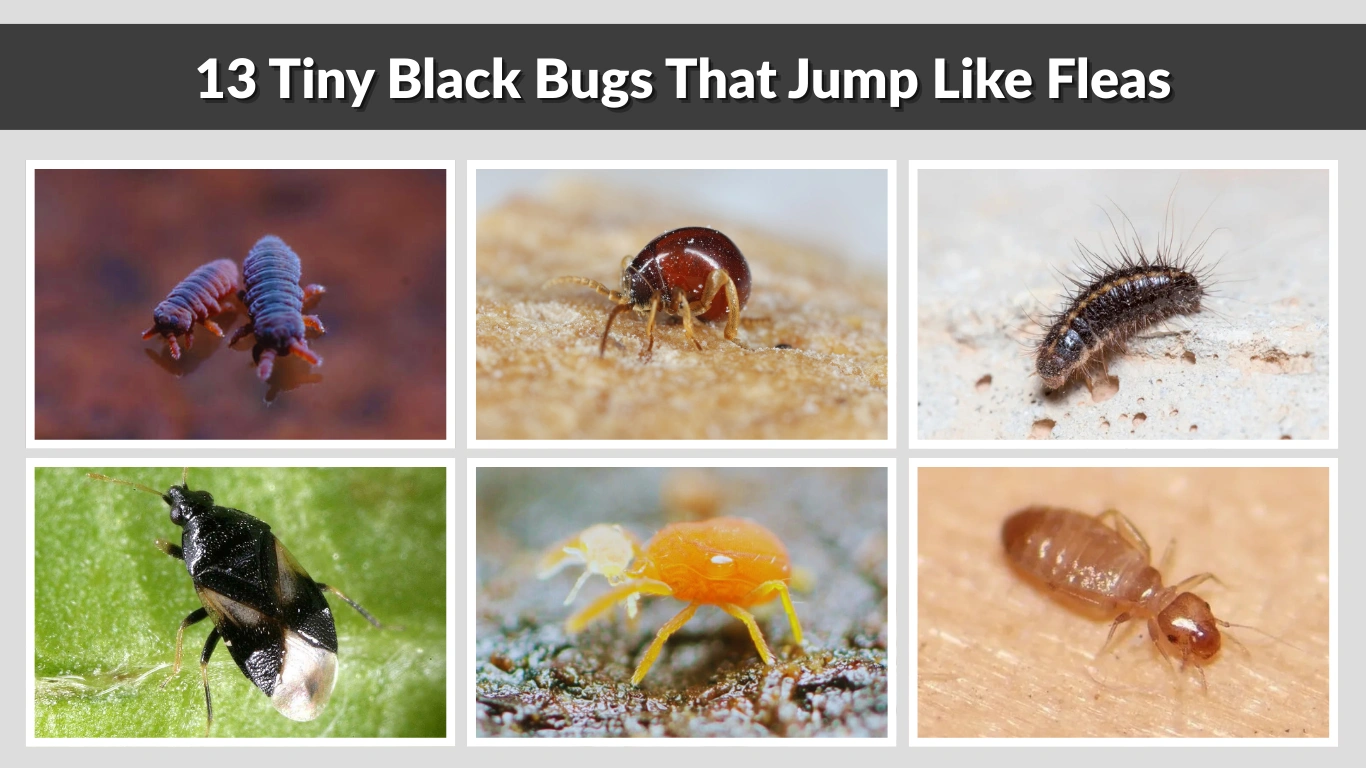
Tiny black bugs that jump like fleas are a common sight both indoors and outdoors, often causing confusion and concern. While they may look and move like fleas, most of these insects are harmless or only minor pests. From springtails in damp soil to flea beetles in gardens, each species has unique traits, habitats, and behaviors. Knowing their names and features helps identify whether they are simple nuisances or pests that require control.
1. Springtails
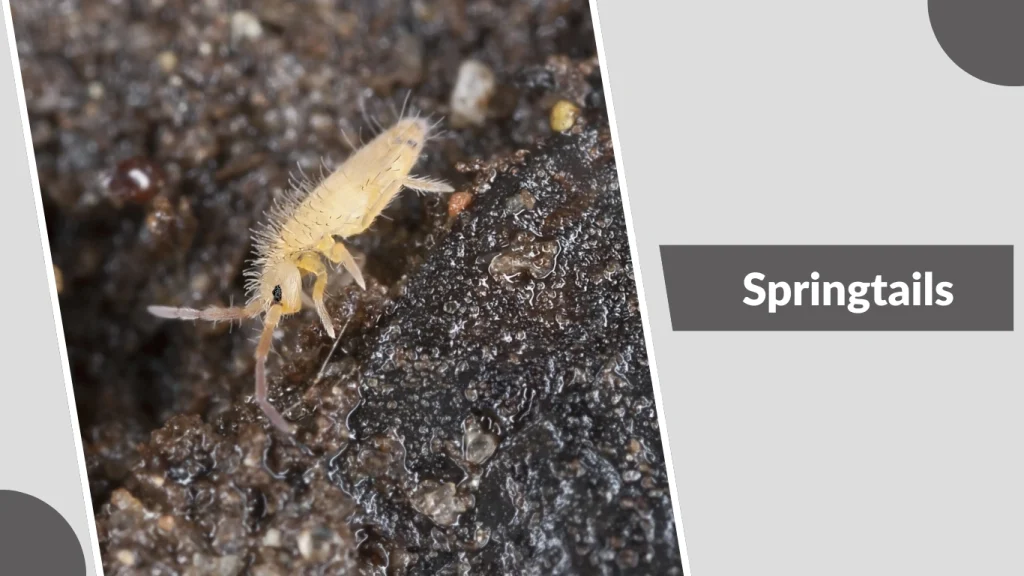
Springtails are among the most common tiny black bugs that jump like fleas. They are small soil-dwelling arthropods, usually less than 1/8 inch long, and are often found in damp areas such as bathrooms, kitchens, basements, or garden soil. Their jumping ability comes from a forked tail-like structure called the furcula, which propels them into the air when threatened.
Identification
- Size: 1–2 mm long (very tiny)
- Color: Black, dark gray, or sometimes white/light-colored depending on species
- Shape: Soft-bodied, elongated or globular
- Movement: Known for sudden jumping when disturbed
- Distinguishing Feature: Possess a furcula (springing organ) tucked under the abdomen
Habitat
Springtails thrive in moist environments. You’ll find them in soil, leaf litter, under mulch, in potted plants, bathrooms, kitchens, or any damp, moldy places indoors.
Diet
They mainly feed on fungi, mold, algae, decaying organic matter, and sometimes plant roots in large numbers.
Behavior
Springtails are harmless to humans and pets. They don’t bite, sting, or spread disease. However, they can appear in large numbers, especially during humid weather, making them a nuisance indoors.
2. Flea Beetles
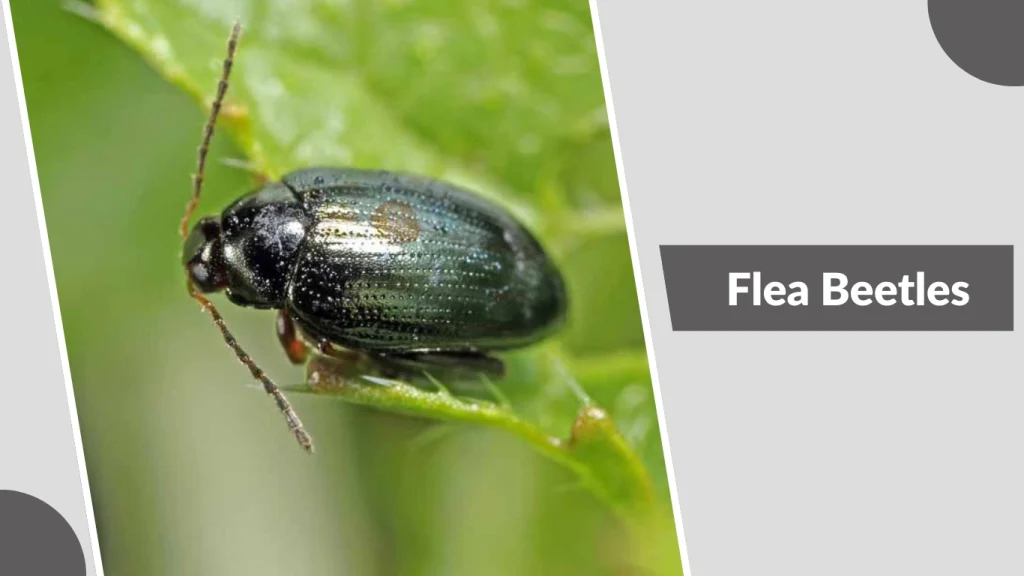
Flea beetles are tiny black bugs that resemble fleas because of their jumping ability. They are common garden pests, attacking a wide range of plants such as tomatoes, eggplants, cabbages, and potatoes. Their strong hind legs allow them to leap away quickly when disturbed.
Identification
- Size: 1.5–3 mm long
- Color: Shiny black, bronze, or sometimes striped depending on species
- Shape: Oval body with large hind legs
- Movement: Quick jumping similar to fleas
- Damage: Creates small round “shot holes” in plant leaves
Habitat
Flea beetles live in gardens, farms, and areas with plenty of vegetation. Adults overwinter in soil, leaf litter, or garden debris and reappear in spring to attack crops.
Diet
Adults feed on leaves of vegetables and ornamental plants, while larvae usually attack plant roots, causing further damage to seedlings.
Behavior
They are highly destructive pests for young plants. A heavy infestation can weaken crops and reduce yields.
3. Thrips
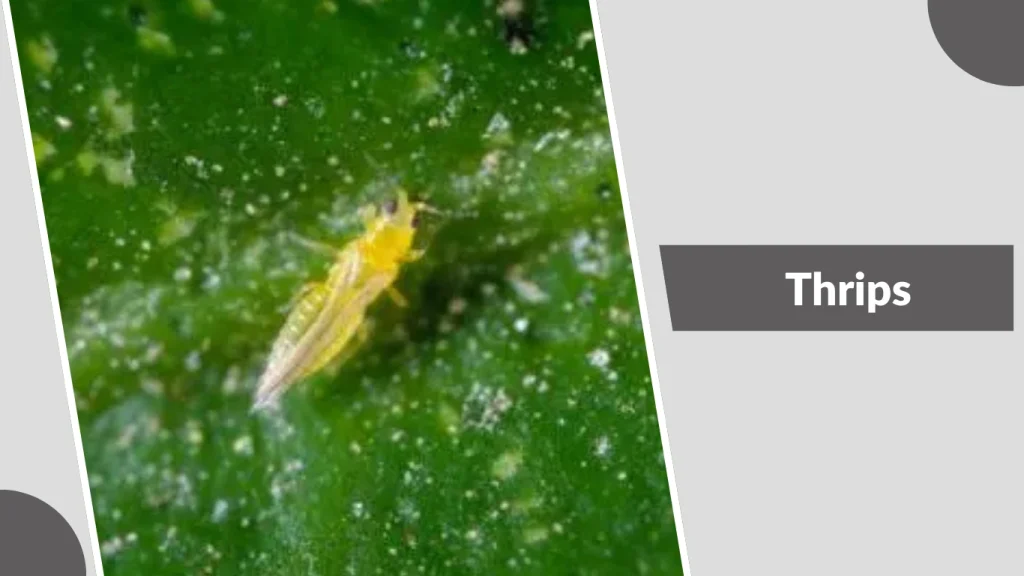
Thrips are another type of tiny black bugs that jump like fleas. These slender insects can fly, but they also leap when disturbed, making them easily mistaken for flea-like pests. They are common on flowers, fruits, and vegetable plants.
Identification
- Size: 1–2 mm long
- Color: Black, brown, or yellow depending on species
- Shape: Narrow, elongated bodies with fringed wings
- Movement: Crawl quickly and can jump or fly in short bursts
- Damage: Leave silver streaks or black specks on leaves and petals
Habitat
Thrips are found on flowers, leaves, buds, and sometimes indoors on houseplants. They prefer warm and dry conditions.
Diet
They feed on plant sap by piercing tissues and sucking out fluids, causing visible scarring on leaves and blossoms.
Behavior
Thrips are notorious plant pests and can spread plant viruses. Even small populations can cause serious cosmetic and health damage to crops and garden plants.
4. Fungus Gnats
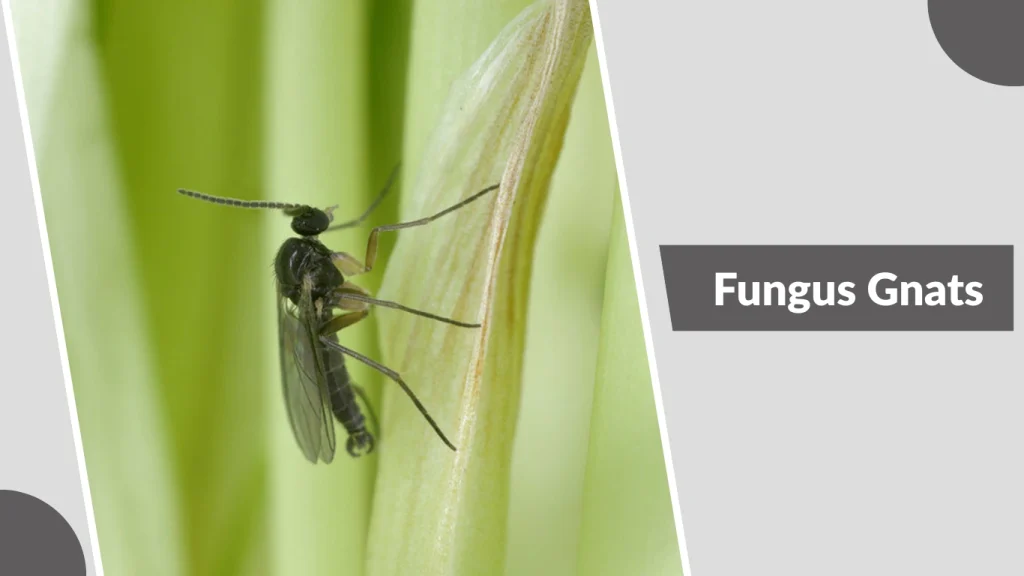
Fungus gnats are tiny black bugs that jump like fleas, especially in their larval stage. While adults resemble small mosquitoes, the larvae can wiggle and spring when disturbed, giving a flea-like appearance. They are most common in homes with houseplants.
Identification
- Size: Adults 2–4 mm long
- Color: Black or dark gray with long legs and antennae
- Shape: Slender bodies with delicate wings
- Movement: Adults fly in zigzag patterns, larvae can jump in soil
- Distinguishing Feature: Often seen flying near potted plants or moist soil
Habitat
They thrive in moist soil, overwatered houseplants, greenhouses, and damp indoor areas.
Diet
Larvae feed on fungi, decaying organic matter, and sometimes tender plant roots, which can damage seedlings and potted plants.
Behavior
Although harmless to humans, heavy infestations can kill young plants. Adults are mostly a nuisance, hovering around lights and plants.
5. Booklice
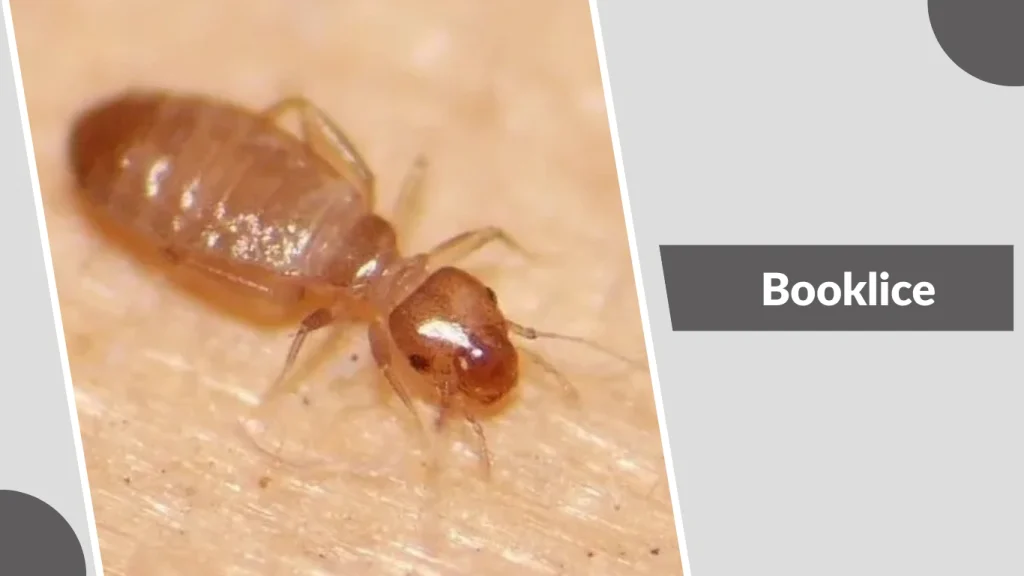
Booklice are tiny black or grayish bugs that sometimes jump like fleas. Despite their name, they are not true lice. They are harmless but commonly found indoors where moisture and mold are present.
Identification
- Size: 1–2 mm long
- Color: Pale gray, translucent, or dark depending on species
- Shape: Soft-bodied with long antennae
- Movement: Can crawl quickly and some species leap slightly like fleas
- Distinguishing Feature: Often mistaken for bed bug nymphs or fleas indoors
Habitat
Booklice live in damp environments like bathrooms, kitchens, basements, and stored food areas. They are also found in old books, cardboard, and wallpaper where mold grows.
Diet
They feed on mold, fungi, starch, and sometimes stored grains or pantry items.
Behavior
Booklice are nuisance pests but pose no health risks. Infestations usually indicate high humidity indoors.
6. False Chinch Bugs

False chinch bugs are tiny gray to black bugs that can jump like fleas when disturbed. They are sap-feeding insects often mistaken for fleas because of their quick, erratic movement. Large numbers can suddenly appear in fields or near homes.
Identification
- Size: 2–4 mm long
- Color: Gray to dark brown, sometimes black
- Shape: Slender body with long legs and antennae
- Movement: Rapid crawling and jumping when threatened
- Distinguishing Feature: Often found in swarms on plants or ground cover
Habitat
They prefer dry fields, gardens, and weedy areas. They may move indoors during hot, dry weather in search of moisture.
Diet
False chinch bugs feed on the sap of mustard family plants, weeds, and crops like canola.
Behavior
While harmless to humans, they can cause plant stress and occasionally invade homes in large numbers, becoming a temporary nuisance.
7. Barklice
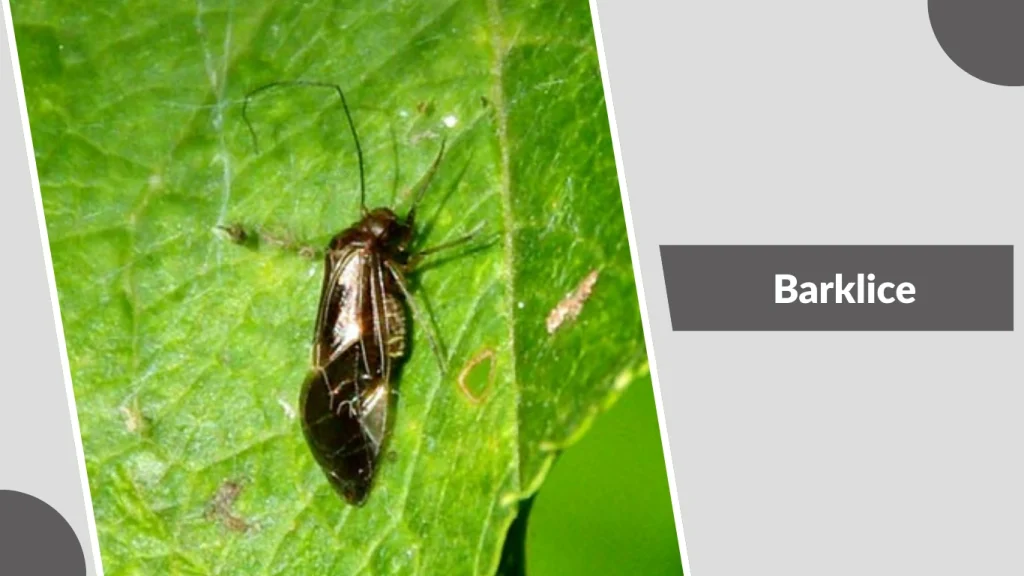
Barklice are small, soft-bodied insects that sometimes jump like fleas. They are closely related to booklice and are often called “tree cattle” because they appear in groups on tree bark.
Identification
- Size: 1–6 mm long depending on species
- Color: Black, brown, or gray
- Shape: Soft-bodied with long antennae, some species have wings
- Movement: Crawl quickly and may leap when disturbed
- Distinguishing Feature: Found in clusters on tree bark or wooden structures
Habitat
They live outdoors on tree bark, fences, stored lumber, and shaded walls. Indoors, they are occasionally found in damp places.
Diet
Barklice feed on fungi, lichens, algae, mold, and organic debris.
Behavior
They are completely harmless to humans and plants. In fact, they help clean surfaces by eating mold and fungi, making them beneficial insects.
8. Soil Mites
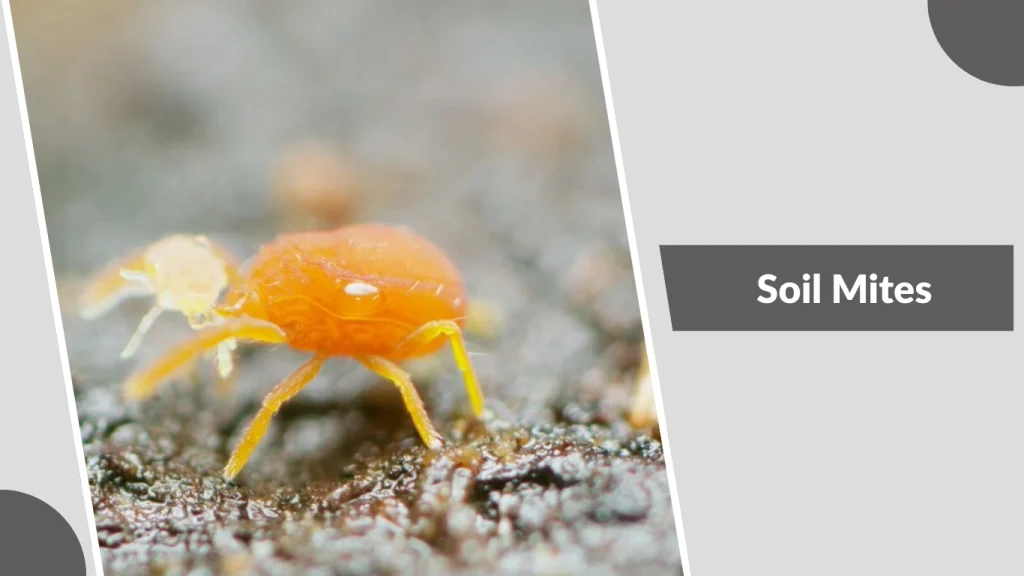
Soil mites are tiny black bugs that can sometimes jump like fleas when disturbed. They are part of the diverse mite family and are commonly found in gardens and potted plant soil. Their presence usually indicates healthy soil, though some species can become household nuisances.
Identification
- Size: 0.2–2 mm long
- Color: White, black, or dark brown
- Shape: Round to oval bodies with eight legs
- Movement: Crawl quickly and some can hop when agitated
- Distinguishing Feature: Seen as tiny moving specks in soil or around plants
Habitat
They live in moist soil, compost, leaf litter, and organic-rich areas both outdoors and indoors in plant pots.
Diet
Soil mites feed on fungi, algae, decaying organic matter, and sometimes small soil organisms.
Behavior
Most are harmless and beneficial for soil health, but heavy indoor infestations may cause concern for homeowners.
9. Minute Pirate Bugs

Minute pirate bugs are very small predatory insects that can jump like fleas. Despite their tiny size, they are highly beneficial in gardens because they prey on harmful pests like aphids and thrips.
Identification
- Size: 2–5 mm long
- Color: Black with white or silvery markings
- Shape: Oval, flat body with distinct triangular head
- Movement: Fast crawlers that can leap or fly in short bursts
- Distinguishing Feature: Small but aggressive predators
Habitat
They are found on flowers, crops, shrubs, and sometimes indoors when attracted by lights.
Diet
Minute pirate bugs feed on insect eggs, thrips, mites, aphids, and other soft-bodied pests.
Behavior
They are beneficial insects, but can occasionally bite humans, causing a mild, itchy irritation without serious harm.
10. Seed Bugs (Nymphs)

Seed bug nymphs are tiny dark-colored insects that can resemble fleas because of their hopping movements. While adults have wings, the nymphs are wingless and more active jumpers, often appearing in gardens or near stored seeds.
Identification
- Size: 2–4 mm long in the nymph stage
- Color: Dark brown to black
- Shape: Oval body with visible antennae
- Movement: Crawl quickly and can hop like fleas
- Distinguishing Feature: Often found around seeds or plants producing seeds
Habitat
They live in gardens, fields, and sometimes enter homes near stored seeds or grains.
Diet
Seed bug nymphs feed on plant juices and developing seeds.
Behavior
Although harmless to humans, large infestations can damage crops or become an annoyance indoors.
11. Carpet Beetle Larvae
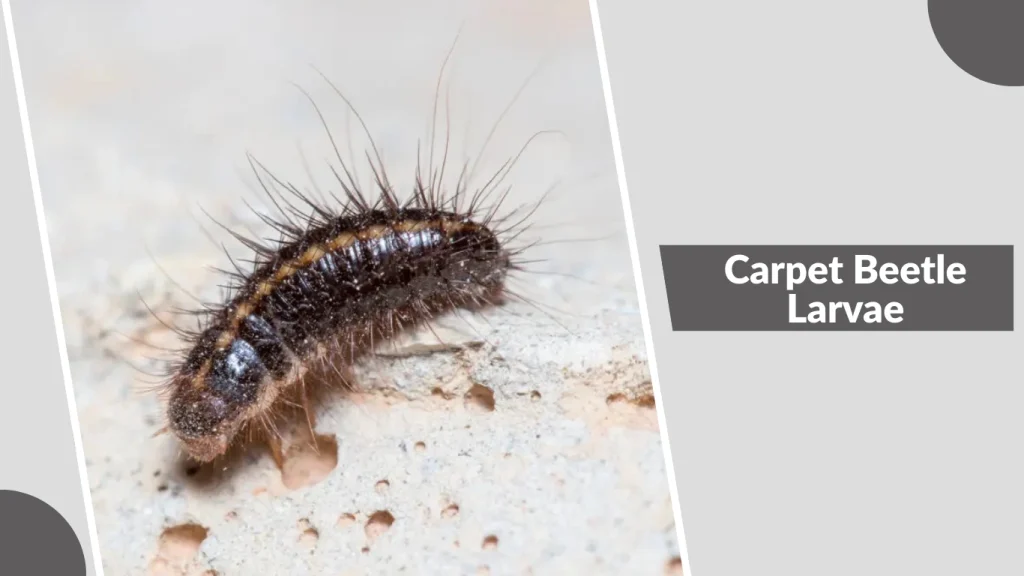
Carpet beetle larvae are tiny, hairy pests that can appear to jump when disturbed. They are common household insects, often found in carpets, clothing, and upholstered furniture.
Identification
- Size: 2–5 mm long
- Color: Dark brown or black with banded or hairy appearance
- Shape: Elongated and bristly bodies
- Movement: Crawl slowly, sometimes twitch or leap when brushed
- Distinguishing Feature: Shed skins and tiny holes in fabrics
Habitat
They live indoors in carpets, rugs, furniture, clothing, and stored fabrics.
Diet
Larvae feed on natural fibers like wool, silk, feathers, leather, and stored dry goods.
Behavior
They are destructive household pests, damaging fabrics and stored products, but they do not bite humans.
12. Spider Beetles
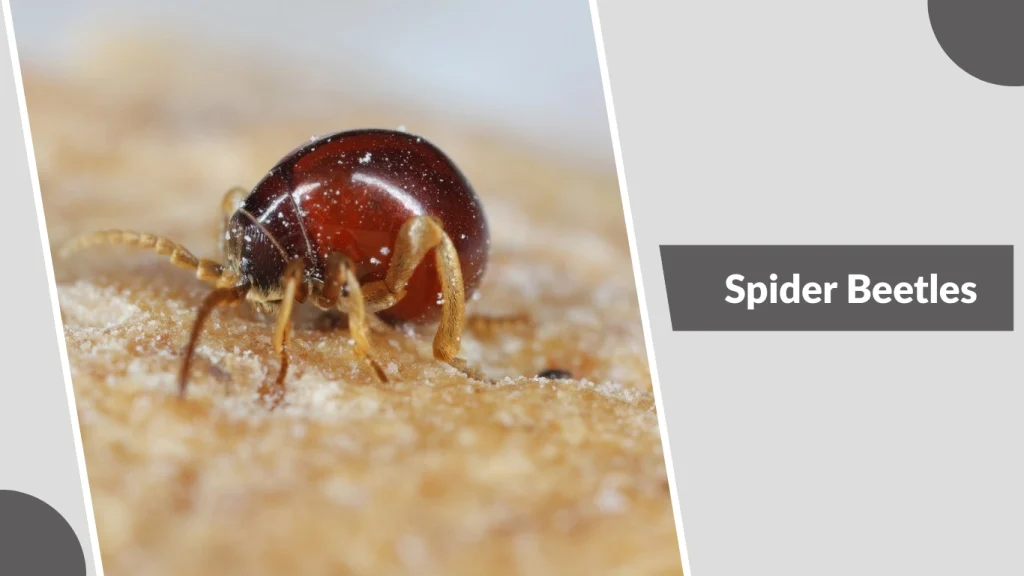
Spider beetles are tiny black or reddish-brown insects that sometimes jump or appear flea-like due to their erratic movements. Their round bodies and long legs give them a spider-like appearance, which is how they got their name.
Identification
- Size: 1.5–3.5 mm long
- Color: Shiny dark brown to black, some species reddish
- Shape: Rounded abdomen with long legs and antennae
- Movement: Crawl quickly and may hop when startled
- Distinguishing Feature: Strong resemblance to small spiders
Habitat
They are common in pantries, grain storage areas, and dark, undisturbed indoor spaces.
Diet
Spider beetles feed on stored grains, seeds, dried fruits, wool, feathers, and other organic matter.
Behavior
They are nuisance pests in homes and warehouses, often infesting stored food products, but they are not harmful to humans.
13. Podurids (Springtail Family)
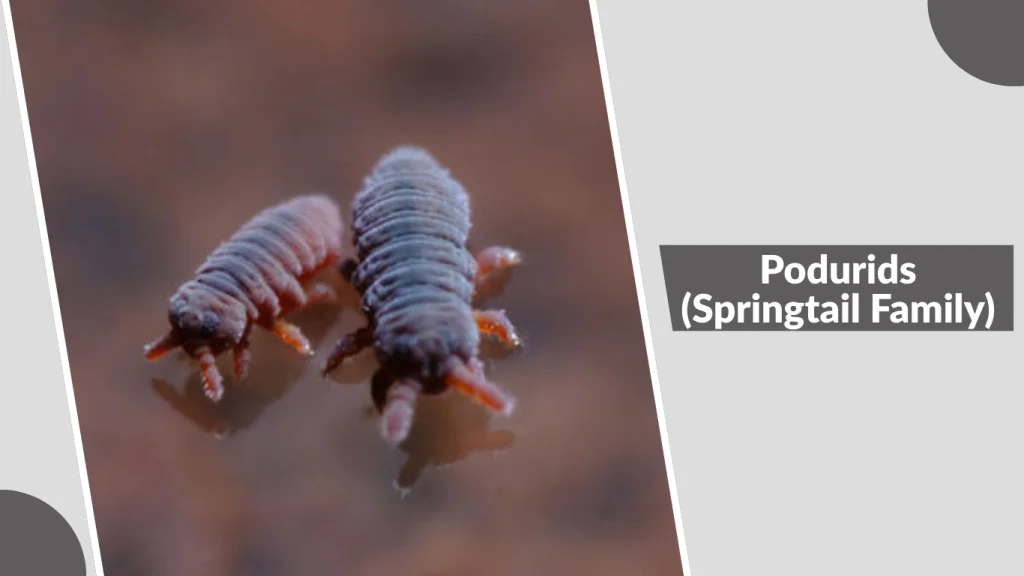
Podurids are a specific family of springtails, tiny black bugs that can jump great distances using their furcula. They are among the most common soil-dwelling flea-like insects found worldwide.
Identification
- Size: 1–2 mm long
- Color: Black or dark gray
- Shape: Small, soft-bodied, and rounded
- Movement: Jump suddenly several inches using their springing organ
- Distinguishing Feature: Their strong jumping ability despite their tiny size
Habitat
They thrive in moist soil, compost piles, decaying leaves, bathrooms, and greenhouses.
Diet
Podurids feed on fungi, algae, mold, and decaying organic matter.
Behavior
They are harmless to humans and pets. In fact, they help recycle organic matter, but large populations can become a nuisance indoors.
