

Dogs bring joy and companionship, but fleas can quickly turn their lives—and yours—into a nightmare. These tiny parasites cause itching, discomfort, and even serious health issues if left untreated. Getting rid of fleas on dogs requires a combination of immediate treatments, natural remedies, and long-term prevention. In this guide, we’ll cover everything you need to know to keep your furry friend flea-free.
Understanding Fleas on Dogs
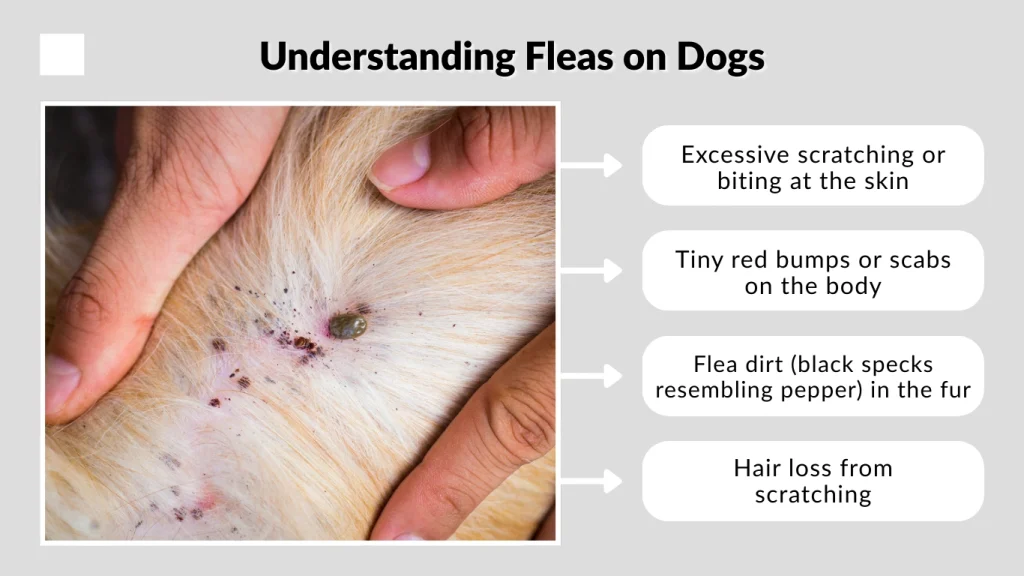
Fleas are small, wingless insects that survive by feeding on the blood of animals. They multiply quickly, laying eggs on your dog’s fur, bedding, and around the home. A single flea can bite your dog dozens of times per day, leading to constant scratching and irritation.
Signs Your Dog May Have Fleas
- Excessive scratching or biting at the skin
- Tiny red bumps or scabs on the body
- Flea dirt (black specks resembling pepper) in the fur
- Hair loss from scratching
- Restlessness or discomfort
Recognizing these symptoms early helps you take quick action before the infestation spreads throughout your home.
Health Risks of Fleas in Dogs
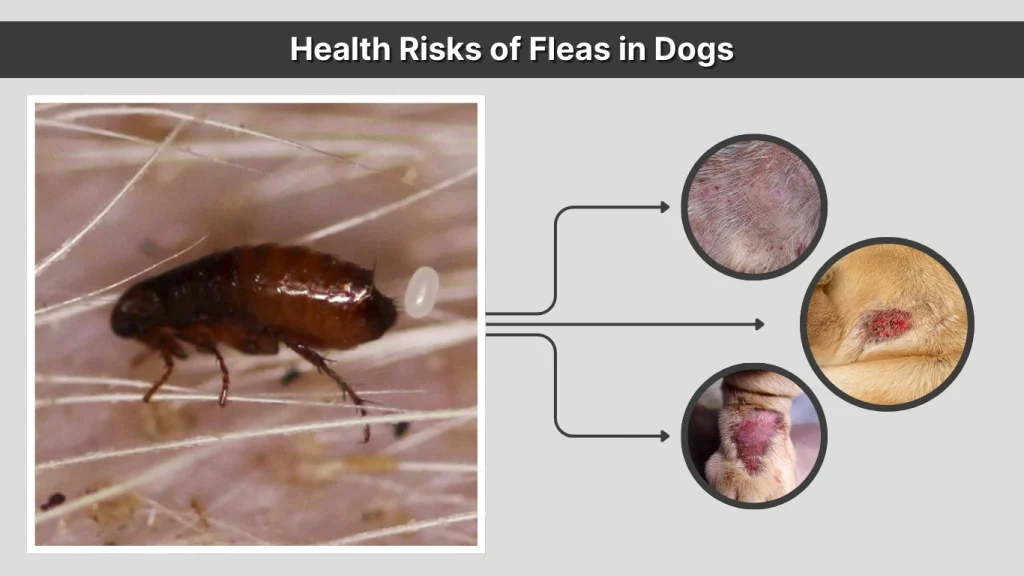
Fleas are not just a nuisance; they can also cause medical problems if untreated.
Skin Irritation and Allergic Reactions
Some dogs develop flea allergy dermatitis, where even a single flea bite triggers intense itching, redness, and inflammation.
Secondary Infections
Constant scratching can break the skin, creating openings for bacterial infections.
Flea-Borne Diseases
Fleas can carry parasites such as tapeworms, which your dog may swallow during grooming. In severe cases, young puppies or small dogs may suffer from anemia due to excessive blood loss.
What Kills Fleas on Dogs Instantly
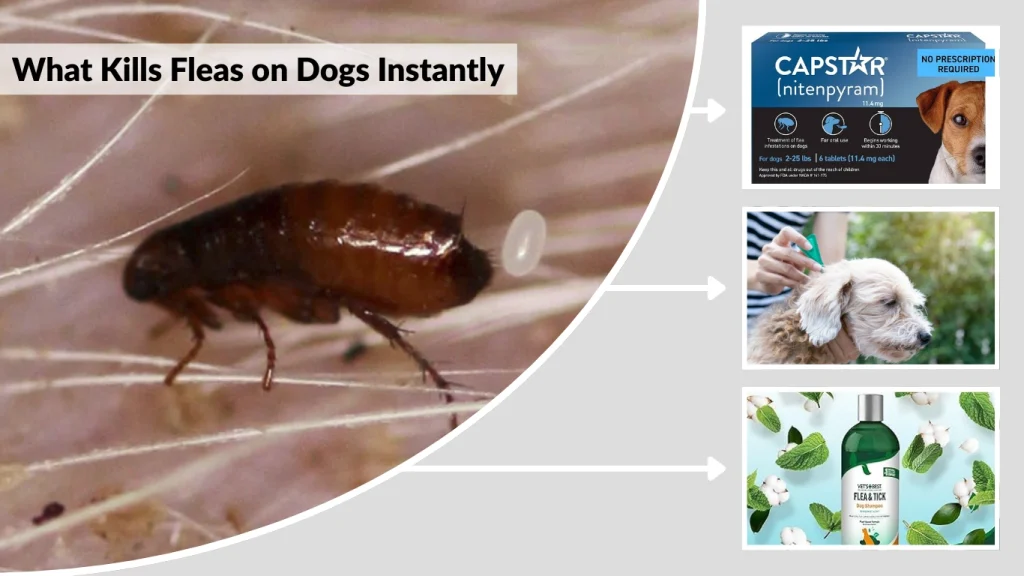
Pet owners often ask what kills fleas immediately. While no method removes every flea instantly, some treatments provide rapid relief.
Fast-Acting Oral Medications
Prescription chewables like Capstar can kill adult fleas within 30 minutes to 4 hours. These medications are safe and effective but must be followed with long-term preventatives.
Vet-Approved Topical Treatments
Spot-on treatments such as Frontline Plus or Advantage II spread across the skin and kill fleas through contact. They start working within hours and last up to a month.
Flea Sprays and Shampoos
Special flea shampoos and sprays offer quick results by killing fleas on contact. However, they don’t provide lasting protection and work best when combined with other methods.
How to Get Rid of Fleas on Dogs Naturally

If you prefer gentle, chemical-free solutions, natural remedies can help manage mild infestations.
Apple Cider Vinegar Spray
Mix equal parts apple cider vinegar and water in a spray bottle. Lightly mist your dog’s coat to repel fleas. The acidic smell makes the environment less inviting for parasites.
Lemon Rinse
Boil sliced lemons in water, let it steep overnight, and use the liquid as a rinse after brushing. The citrus scent works as a natural flea deterrent.
Essential Oils (Safe Options Only)
Lavender and cedarwood oil, when diluted properly, can repel fleas. However, never use oils like tea tree or eucalyptus, as they are toxic to dogs.
Natural Flea Powders
Some owners use food-grade diatomaceous earth to dust their pet’s bedding or surroundings. It dehydrates and kills fleas without chemicals.
Note: Natural remedies may not eliminate a heavy infestation but can be a useful part of prevention and mild control.
How to Get Rid of Fleas on Dogs Without Bathing
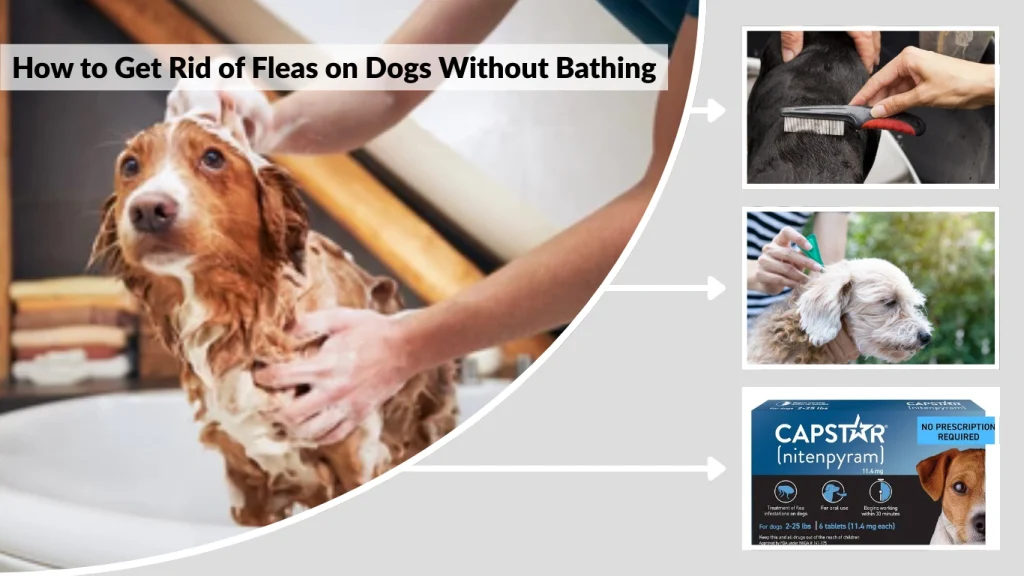
Not every dog enjoys a bath, and sometimes quick solutions are needed.
Using a Flea Comb
Flea combs are fine-toothed tools that trap fleas, eggs, and dirt as you run them through your dog’s fur. Dip the comb in soapy water after each pass to kill fleas instantly.
Spot-On Treatments
These liquid medications are applied to the skin at the back of the neck. They spread through natural oils on the coat and provide protection for weeks without bathing.
Oral Medications
If your dog cannot be bathed, chewable flea preventatives are a convenient solution. They work internally and start killing fleas quickly.
Home Remedies for Dog Fleas
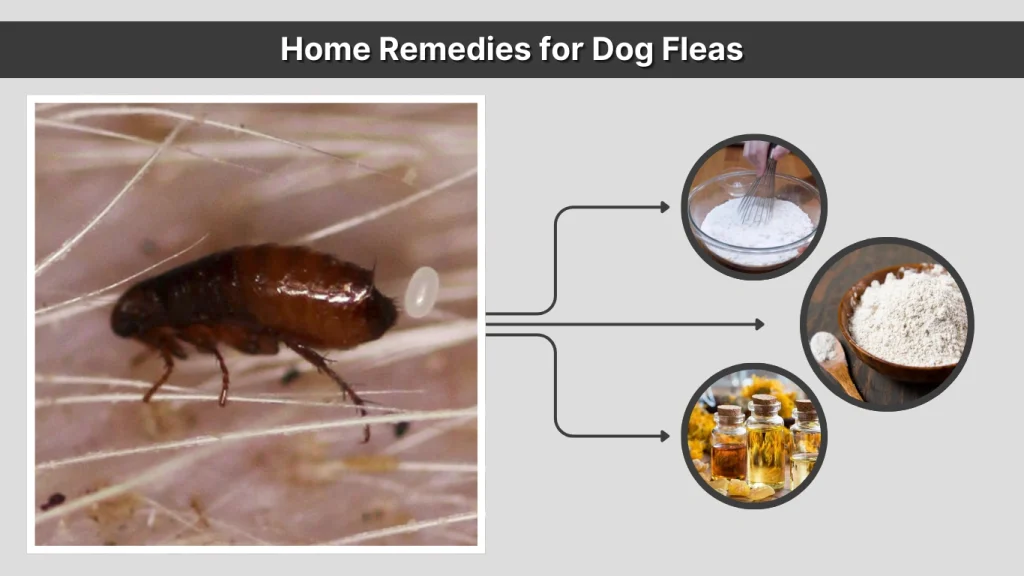
Home remedies can supplement traditional treatments, especially when tackling the environment around your dog.
Baking Soda and Salt Mixture
Sprinkle baking soda mixed with salt on carpets and rugs. Let it sit for a few hours, then vacuum thoroughly. This helps dehydrate flea eggs and larvae.
Diatomaceous Earth
Food-grade diatomaceous earth can be sprinkled on carpets, bedding, and pet resting spots. It works by drying out fleas without harmful chemicals.
Coconut Oil
Massaging a small amount of coconut oil into your dog’s coat may repel fleas and soothe irritated skin. It also adds shine and helps reduce dryness.
Treating Your Dog’s Environment
Killing fleas on your dog is only half the battle. Fleas also live in bedding, carpets, and outdoor areas. Without addressing these, reinfestation is almost guaranteed.
Washing Dog Bedding and Toys
Wash your dog’s bedding, blankets, and toys in hot water at least once a week. Heat kills both fleas and their eggs.
Vacuuming Carpets and Furniture
Flea eggs and larvae hide deep in fibers. Frequent vacuuming removes them before they develop into adults. Dispose of vacuum bags immediately to prevent fleas from escaping.
Indoor Flea Sprays and Powders
Pet-safe flea sprays or powders can be used on carpets, furniture, and corners where fleas hide.
Outdoor Treatment
Fleas thrive in shaded, moist areas. Treat your yard by mowing regularly, removing debris, and using pet-safe sprays to reduce flea populations outdoors.
Flea Prevention Methods
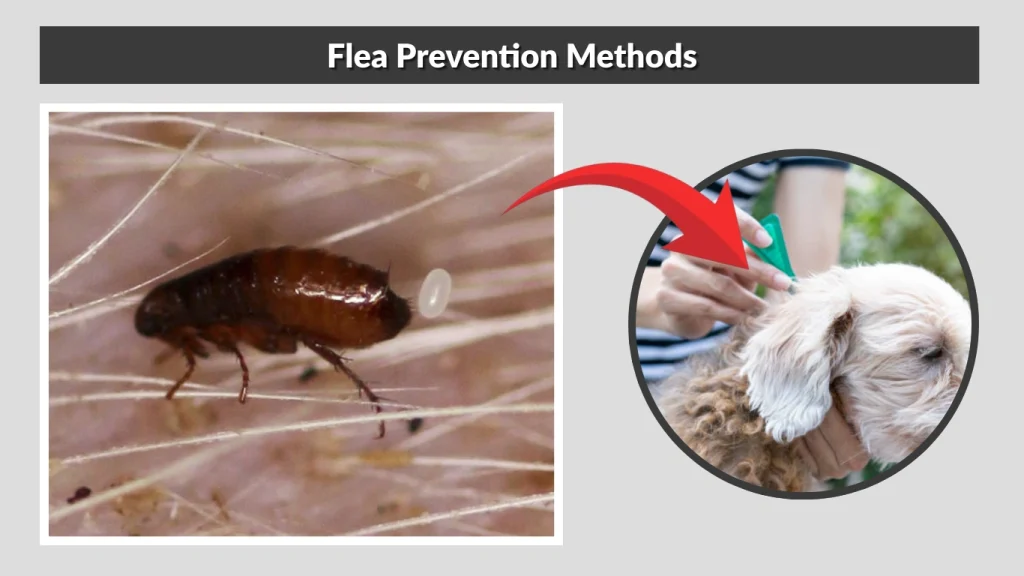
Getting rid of fleas is only half the challenge. The real key to success is preventing them from returning.
Monthly Flea Preventatives
Veterinarians recommend year-round flea prevention, especially in warmer climates. Popular options include oral chewables like NexGard or topical treatments such as Advantage II. These products break the flea life cycle and provide consistent protection.
Regular Grooming and Combing
Brushing your dog frequently helps you detect fleas early. Using a flea comb once a week is a simple habit that can stop small infestations before they spread.
Keeping Bedding Clean
Wash your dog’s blankets, cushions, and toys in hot water at least once a week. Regular cleaning ensures eggs and larvae don’t survive long enough to develop.
Maintaining a Flea-Free Yard
Trim grass short, rake leaves, and keep outdoor resting areas clean. Fleas thrive in warm, shady, and moist environments, so reducing these conditions in your yard helps keep them away.
When Nothing Works: Advanced Solutions
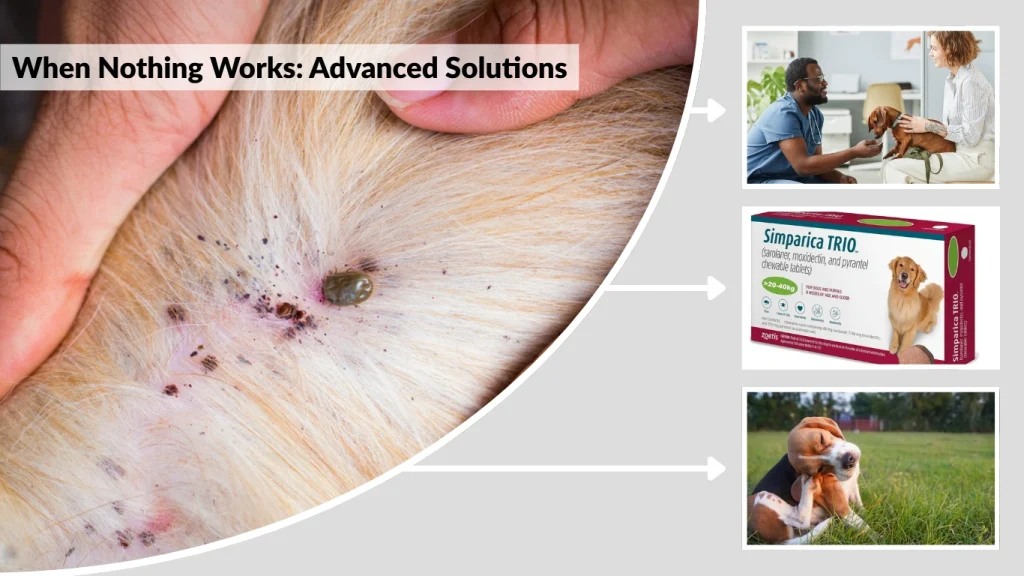
Sometimes flea infestations are so severe that natural remedies and basic treatments don’t work. In these cases, stronger interventions are necessary.
Consulting a Veterinarian
If fleas persist despite treatment, consult your vet. They can recommend the most effective prescription products and rule out other skin issues that may mimic flea problems.
Prescription Flea Treatments
Advanced medications such as Bravecto (three-month chewable) or Simparica Trio (covers fleas, ticks, and heartworm) offer long-lasting and comprehensive protection.
Combination Approach
No single method works alone. A combination of treating your dog, cleaning your home, and managing your yard ensures that fleas are eliminated at all stages of their life cycle.
Dog Has Fleas: What to Do in the House
If your dog brings fleas inside, you’ll need to act quickly to stop them from multiplying.
Steps to Stop Fleas from Spreading Indoors
- Vacuum carpets, rugs, and furniture daily.
- Wash all bedding and cushions in hot water.
- Treat pet resting areas with flea sprays or powders.
- Dispose of vacuum contents immediately in an outdoor trash bin.
Treating Carpets and Upholstery
Carpets and couches provide perfect hiding spots for eggs and larvae. Use pet-safe sprays and repeat treatments every 7–10 days to break the flea life cycle.
Safe Cleaning Products for Households with Pets
Always check labels before using insecticides indoors. Choose non-toxic, pet-safe options to avoid health risks to your dog and family.
Difference Between Flea Control for Dogs, Cats, and Humans
Many pet owners have multiple animals at home, so it’s important to understand the differences in flea control.
Why Dog Treatments Are Unsafe for Cats
Some dog flea products contain permethrin, which is toxic to cats. Always use species-specific treatments recommended by a veterinarian.
Fleas Transferring Between Pets and People
Fleas don’t live permanently on humans, but they can bite and cause itching. Dogs, cats, and indoor environments must be treated simultaneously to stop fleas from moving between hosts.
Preventing Cross-Infestation
If you have both cats and dogs, treat all pets in the home with appropriate products at the same time. This prevents fleas from simply jumping between animals.
Flea Comb and Grooming Tips
Grooming is an essential part of flea control, especially for monitoring infestations.
Choosing the Right Flea Comb
Look for fine-toothed combs specifically designed for fleas. They should glide smoothly through your dog’s coat without causing discomfort.
Best Times to Comb Your Dog
Comb after walks, playtime outdoors, or whenever your dog seems itchy. Flea combing is especially effective on light-colored fur where fleas and flea dirt are more visible.
Removing Flea Eggs and Dirt Effectively
Keep a bowl of soapy water nearby while combing. Dip the comb into the water after each pass to drown fleas and larvae instantly.
Long-Term Flea Control Plan
Fleas are resilient, and keeping them away requires a consistent plan.
Routine Vet Check-Ups
Regular check-ups allow your vet to monitor your dog’s skin health and adjust flea treatments if needed.
Consistent Use of Preventatives
Missing even one month of treatment can give fleas a chance to re-establish themselves. Stay consistent with medications year-round.
Seasonal Flea Protection Strategy
In warmer months, increase vigilance with more frequent grooming and cleaning, since flea populations thrive in hot, humid weather.
FAQs
What kills fleas on dogs instantly?
Fast-acting oral medications like Capstar kill adult fleas within hours. Flea shampoos and sprays also work quickly but don’t provide long-term prevention. Always follow up with monthly preventatives for lasting protection.
Can I treat my dog’s fleas without bathing?
Yes. Flea combs, oral medications, and topical spot-on treatments are effective without bathing. These methods are ideal for dogs that dislike water or when quick treatment is needed.
Are natural flea remedies safe for dogs?
Some natural remedies like apple cider vinegar sprays, lemon rinses, and diluted lavender oil can help repel fleas. However, they are not always as effective as vet-approved treatments and should never replace medical care in severe infestations.
Do fleas on dogs bite humans?
Yes. While fleas prefer animal hosts, they can bite humans, leaving itchy red marks. They don’t live permanently on people, but bites are uncomfortable and may spread if the home environment is untreated.
How do I know if my dog is flea-free?
A flea-free dog shows no signs of scratching, redness, or flea dirt in their coat. Regular combing should reveal no fleas or eggs. If your dog remains comfortable and itch-free for several weeks after treatment, the infestation is likely gone.
