
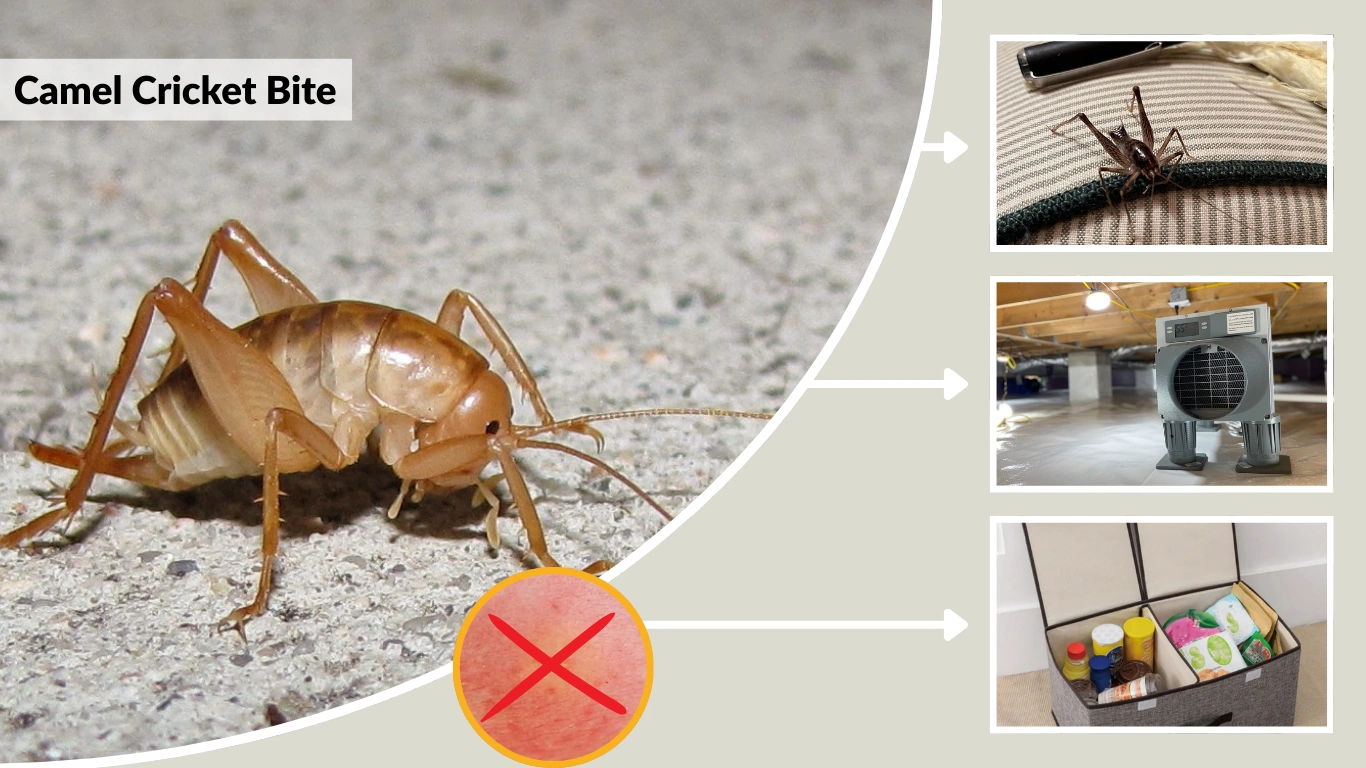
Camel crickets, also known as cave crickets or spider crickets, are common in damp, dark areas like basements, crawl spaces, and woodpiles. Their long legs and humped backs often startle people, especially when they jump suddenly. Many homeowners worry about whether camel crickets bite and if they pose health risks. While their appearance may be intimidating, the truth about camel cricket bites is much less concerning than most people believe.
What Are Camel Crickets?
Camel crickets are named for their arched backs that resemble a camel’s hump. Unlike house crickets, they do not chirp and are mostly active at night. They thrive in moist environments, often invading basements, sheds, and garages. Their powerful legs allow them to leap quickly, which is why people sometimes confuse them with spiders. Though they may look scary, their biology and feeding habits are quite different from harmful insects.
Do Camel Crickets Bite Humans?
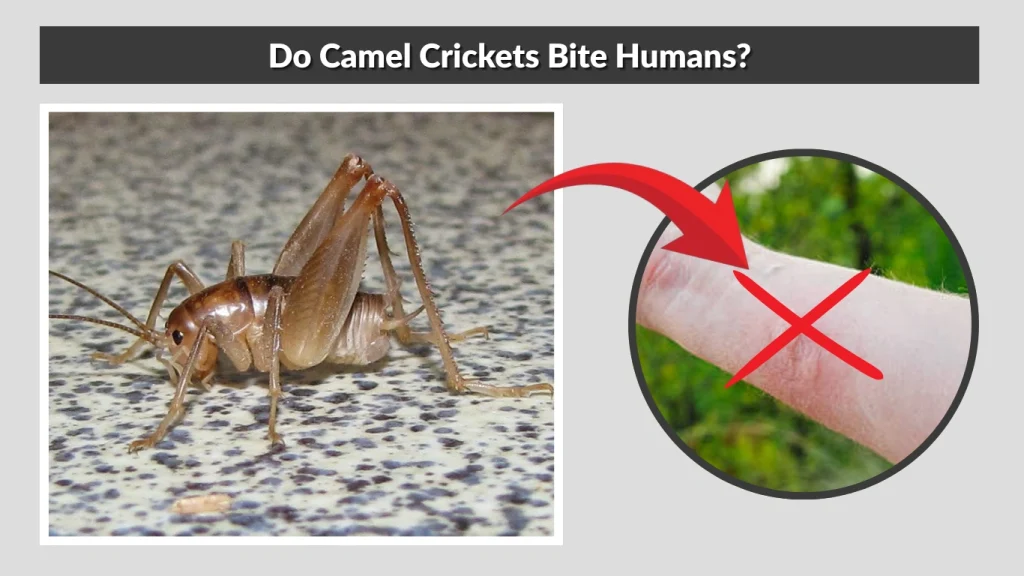
The question most people ask is whether camel crickets bite. The answer is: not in the usual sense. These insects do not have venomous fangs or piercing mouthparts like spiders. Instead, they have chewing mandibles designed for plant matter, fungi, and fabrics. If one happens to nibble at human skin, it is usually harmless and cannot break the skin.
Still, camel crickets may try to “taste” when they land on exposed skin, especially if they are searching for moisture or salt. This behavior is often mistaken for a bite but is more of a nibble that causes little to no harm.
Signs of a Camel Cricket Bite

Although genuine camel cricket bites are extremely rare, some people report experiencing minor marks when handled roughly. These cases may include:
- Small, scratch-like impressions on the skin.
- Mild redness or irritation, usually temporary.
In most situations, the marks disappear quickly and do not require medical treatment. More often than not, people confuse these harmless encounters with bites from bed bugs, fleas, or mosquitoes. Camel crickets themselves are not capable of leaving raised welts or painful puncture wounds.
Risks Associated with Camel Cricket Bites
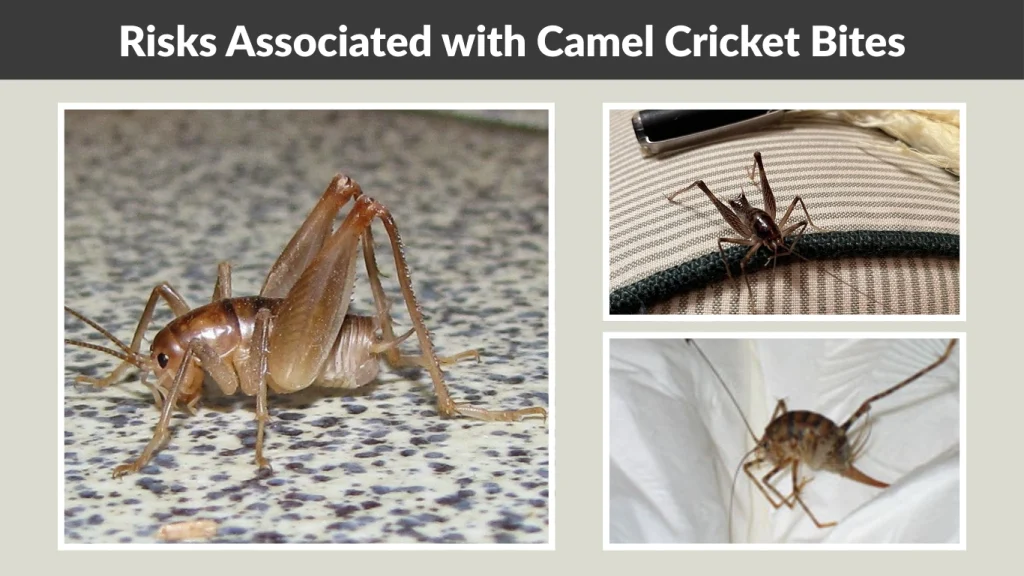
Camel crickets are not dangerous to humans. Unlike ticks, fleas, or mosquitoes, they do not transmit diseases. There is no venom or toxic saliva involved in their feeding process.
The main risks are indirect:
- Startle factor: Because camel crickets jump toward movement, they can scare people, sometimes causing falls or minor accidents.
- Household nuisance: They may chew on fabrics, paper, or stored items, leading to property damage rather than health concerns.
So while camel crickets may appear threatening, the actual risk from a bite is practically nonexistent.
Reactions to Camel Cricket Bites
When camel crickets do attempt to nibble, the reaction is usually minimal. At most, a person may feel a slight pinch or itching. The skin might show a faint red mark that fades quickly.
In rare cases, individuals with sensitive skin may experience more noticeable irritation. The real concern lies not in the bite itself but in how the body responds:
- Immediate reaction: Minor itch or discomfort for a few minutes.
- Secondary reaction: If the skin is scratched excessively, it may become irritated or slightly inflamed.
- Allergic concerns: Very rarely, some people may develop mild allergic responses to insect saliva or body fluids, though documented cases are almost nonexistent.
For most people, the experience is more unsettling psychologically than physically harmful.
Treatment of Camel Cricket Bites
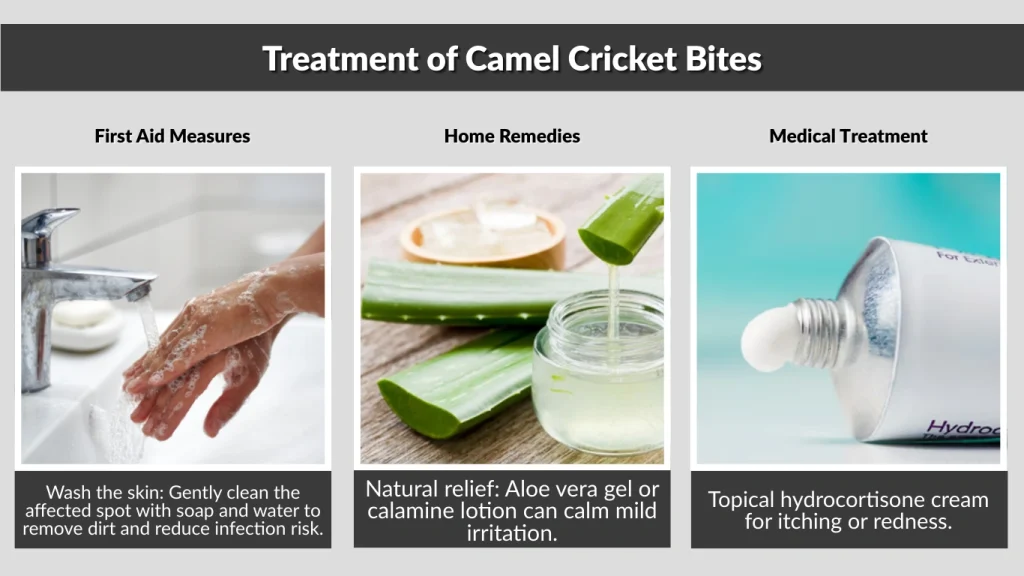
Since camel cricket bites are rare and generally harmless, treatment is straightforward. Most cases require no medical attention at all. However, if you notice a scratch or irritation after contact, simple care will help keep the area clean and comfortable.
First Aid Measures
- Wash the skin: Gently clean the affected spot with soap and water to remove dirt and reduce infection risk.
- Apply antiseptic: Use rubbing alcohol, iodine, or an antiseptic cream to disinfect the skin.
Home Remedies
Some people prefer soothing home treatments if the area feels itchy or irritated:
- Cold compress: Applying a clean, cold cloth helps reduce redness and swelling.
- Natural relief: Aloe vera gel or calamine lotion can calm mild irritation.
Medical Treatment
In rare situations where the skin reacts strongly, over-the-counter products can help:
- Topical hydrocortisone cream for itching or redness.
- Oral antihistamines like cetirizine or loratadine if itching persists.
If symptoms worsen instead of improving, it’s wise to consult a doctor, though such cases are uncommon.
Preventing Camel Cricket Encounters
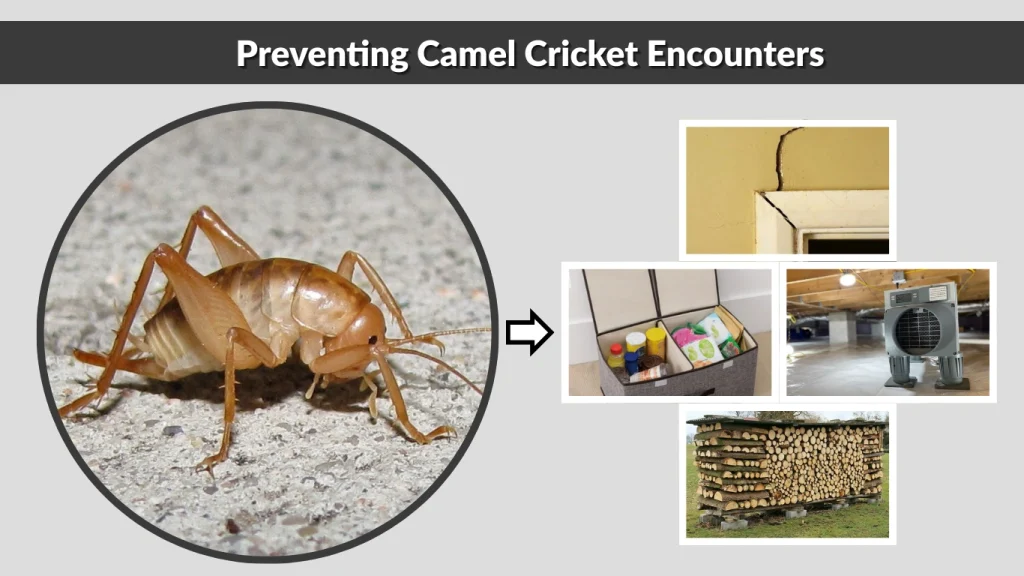
While camel crickets themselves are not harmful, preventing them from entering your home is the best way to avoid unwanted contact.
Home Protection
Camel crickets are drawn to damp, dark areas. Taking these steps will help keep them out:
- Seal cracks and gaps around windows, doors, and foundations.
- Use a dehumidifier in basements or crawl spaces to reduce moisture.
- Store firewood away from the house and off the ground.
- Keep laundry, cardboard boxes, and fabrics in sealed containers.
Safe Handling
If you find camel crickets indoors, avoid catching them with bare hands. Instead:
- Use a vacuum or container to trap and release them outside.
- Wear gloves if you need to remove them manually.
These preventive actions not only reduce the risk of a bite but also keep your living space more comfortable and pest-free.
When to See a Doctor
In almost all cases, camel cricket bites do not require medical treatment. However, you should seek medical advice if:
- The skin around the bite becomes increasingly red, warm, or swollen.
- You notice pus or signs of infection.
- You develop a fever or allergic reaction that doesn’t subside.
- You are uncertain whether the bite was from a camel cricket or another insect, such as a spider or flea.
Prompt medical attention helps rule out other insect bites that may carry more serious risks.
Final Thoughts
Camel crickets may look intimidating with their large legs and sudden jumps, but they are largely harmless to humans. They do not spread disease, carry venom, or pose serious bite risks. At worst, they may nibble lightly on skin, causing a minor scratch or temporary irritation.
The real issue with camel crickets lies in their nuisance factor. They can startle homeowners, damage stored items, and thrive in damp environments. With proper home maintenance and simple prevention strategies, encounters with camel crickets can be minimized.
FAQs
Do camel crickets actually bite humans?
Not in the typical sense. Camel crickets may nibble, but they cannot pierce human skin effectively.
Are camel crickets dangerous?
No, they are harmless. They do not carry venom or transmit diseases.
What does a camel cricket bite look like?
At most, you may notice a small scratch or faint red mark, which is often mistaken for other insect bites.
Can camel cricket bites cause infection?
Only if the skin is broken and left untreated. Cleaning the area promptly prevents infection.
How do I keep camel crickets out of my home?
Seal entry points, reduce indoor moisture, and store fabrics or wood away from damp areas to discourage them.
