

Red and black ants are some of the most recognizable insects in homes, gardens, and wild habitats. From aggressive red imported fire ants and destructive red and black carpenter ants to the painful sting of the fuzzy red and black velvet ant, these species stand out for their bold coloration. Found across the U.S., Australia, and beyond, black and red ants vary in size, behavior, and danger. This guide explores their identification, habitats, and control methods.
1. Red Imported Fire Ant (Solenopsis invicta)
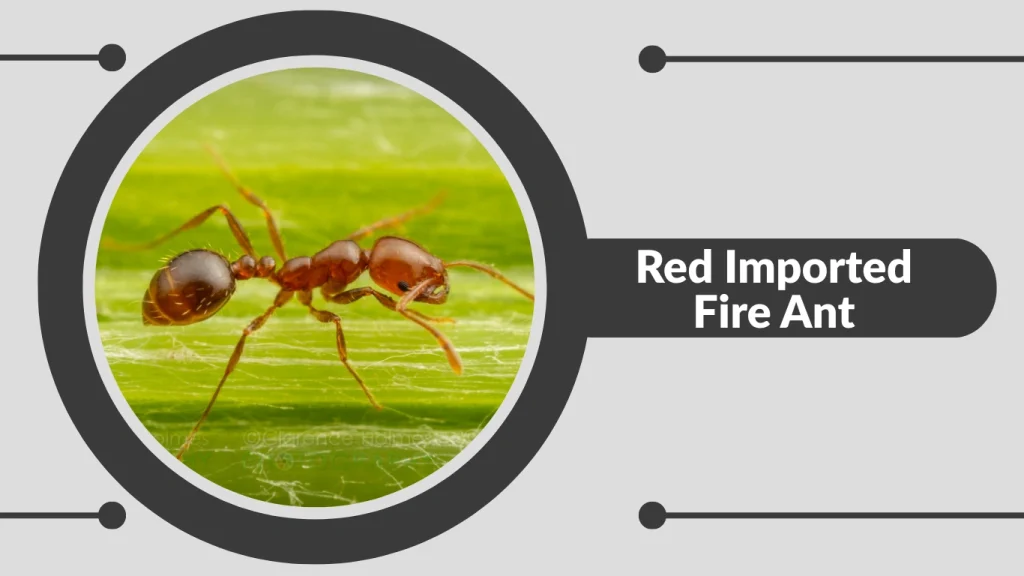
The red imported fire ant is one of the most recognized red and black ants in the United States. These ants are notorious for their painful stings, aggressive swarming behavior, and large soil mounds. Their reddish-brown bodies with darker black abdomens make them easily noticeable in infested areas.
Identification
- Size: Workers measure between 2.4–6 mm.
- Color: Reddish-brown head and thorax, with a darker, almost black abdomen.
- Appearance: Glossy and smooth, often seen as ants that are red and black.
- Colonies: Massive nests with multiple queens.
- Habitat: Commonly build large red and black ant mounds in open sunny areas.
Distribution and Habitat
The species is widely established in the southern United States, including Florida, Texas, and Georgia. They thrive in warm climates, especially in gardens, lawns, and agricultural lands, but they can also adapt to urban landscapes.
Behavior and Aggression
Fire ants are extremely defensive of their colonies. When disturbed, they swarm rapidly and sting multiple times, injecting venom that causes burning pain. Their aggressive nature makes them a serious nuisance compared to other ant species.
Danger to Humans and Pets
The sting of a red and black fire ant causes itching, burning, and pustules that may last for days. In sensitive individuals, severe allergic reactions can occur, posing a medical emergency. Pets can also be attacked, especially on paws, faces, or bellies when they accidentally step on a mound.
Control and Prevention
Effective management often involves the use of ant baits to eliminate colonies. While home remedies like boiling water may reduce mound size, they rarely eradicate the population. For widespread infestations of these giant red and black ants, professional pest control is the most reliable solution.
2. Red and Black Carpenter Ant (Camponotus sp.)
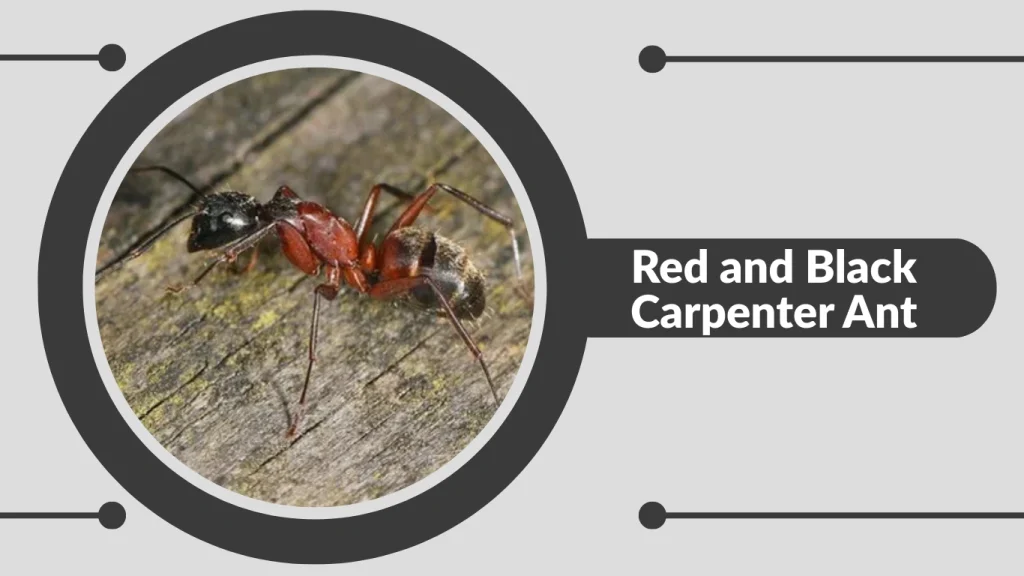
The red and black carpenter ant is among the largest ant species in North America. They are easily recognized by their striking red and black coloration and are often mistaken for termites due to their wood-nesting habits. Unlike fire ants, they do not sting, but their powerful mandibles can deliver a painful bite.
Identification
- Size: Workers range from 6–13 mm; queens can exceed 15 mm.
- Color: Reddish thorax and head with a shiny black abdomen.
- Appearance: Big red and black ants often seen foraging in and around homes.
- Colonies: Large nests in decayed or moist wood, with thousands of workers.
- Wings: Winged swarmers (reproductives) appear in late spring to summer, often confused with termites.
Distribution and Habitat
These ants are widespread in Florida, Texas, and many eastern states. They prefer nesting in rotting logs, dead trees, or damp wooden structures. Indoors, they are often found in attics, crawl spaces, or walls where moisture is present.
Behavior and Aggression
Carpenter ants are not as aggressive as fire ants, but they are determined foragers. They follow trails to food sources, often invading kitchens in search of sweets and proteins. When threatened, they defend themselves with strong mandibles, capable of delivering painful bites.
Danger to Humans and Property
While they are not venomous and do not sting, their bites can be unpleasant. The real danger lies in their nesting habits, as colonies inside homes can damage wooden structures over time, mimicking termite damage. This makes red and black carpenter ants a serious pest.
Control and Prevention
The best way to prevent infestations is to eliminate damp or decaying wood near the home. Sealing entry points and maintaining a dry environment reduces their chances of nesting indoors. If a colony is already established, baits and professional extermination may be required to fully remove these large black and red ants.
3. Florida Carpenter Ant (Camponotus floridanus)

The Florida carpenter ant is one of the most common red and black ants in Florida, often invading homes and yards. Known for their large size and striking coloration, these ants are easily spotted indoors and outdoors. While they do not sting, their bites can be painful, and their nesting habits can damage wooden structures.
Identification
- Size: Workers measure 6–12 mm; queens can grow up to 20 mm.
- Color: Bright reddish-orange head and thorax with a shiny black abdomen.
- Appearance: Classic red and black big ants seen in Florida homes and gardens.
- Colonies: Nests in moist or decayed wood, including tree stumps, logs, and wooden beams.
- Wings: Winged swarmers are common in spring and summer, often mistaken for termites.
Distribution and Habitat
As their name suggests, these ants are most abundant in Florida, but they also extend into the southeastern U.S. They thrive in tropical and subtropical climates, nesting in logs, dead wood, and damp home structures. Indoors, they are often found in kitchens, bathrooms, and attics.
Behavior and Aggression
Florida carpenter ants are nocturnal foragers, often traveling long distances to search for food. They feed on sugary substances, dead insects, and household crumbs. They are not overly aggressive but will defend themselves with strong mandibles if threatened.
Danger to Humans and Property
These ants are not dangerous to humans in terms of venom, but their bites can be sharp and painful. The main issue comes from their nesting behavior, as colonies in walls or attics can cause structural damage over time, similar to termites.
Control and Prevention
Keeping homes dry and free from wood decay is essential to prevent infestations. Sealing cracks and gaps helps limit entry points. For severe infestations of these large red and black ants in Florida, professional pest control is often the best solution.
4. Texas Carpenter Ant (Camponotus texanus / related species)

The Texas carpenter ant is one of the largest red and black ants in Texas, recognized for its bold coloration and wood-nesting habits. These ants are highly adaptive, found both in forests and urban areas. While they do not sting, they can deliver strong bites and cause damage to wooden structures if infestations are left untreated.
Identification
- Size: Workers range from 6–13 mm; queens can exceed 15 mm.
- Color: Reddish-orange thorax with a shiny black head and abdomen.
- Appearance: Often seen as big red and black ants in Texas foraging in homes and yards.
- Colonies: Build nests in hollow trees, logs, and structural wood.
- Wings: Winged reproductive ants appear in spring and early summer, sometimes swarming around lights.
Distribution and Habitat
These ants are native to Texas and surrounding southern states, thriving in both rural and urban environments. They commonly inhabit tree cavities, old logs, and moist wood near homes. Indoors, they may nest in attics, crawl spaces, or wall voids where wood is damp.
Behavior and Aggression
Texas carpenter ants are nocturnal foragers and can travel long distances to locate food. They are less aggressive than fire ants but will bite defensively when threatened. Their foraging trails often extend into kitchens, where they seek sugary or protein-based food sources.
Danger to Humans and Property
While they are not venomous, their large size and strong mandibles make their bites painful. The greater threat is their ability to tunnel through wood, which can weaken structures over time. Infestations of large black and red ants in Texas homes often go unnoticed until damage becomes visible.
Control and Prevention
Reducing moisture in wooden areas is critical to preventing infestations. Removing decayed wood, sealing entry points, and trimming vegetation near the home help minimize risks. For persistent colonies, baiting and professional pest treatment are effective solutions against these red and black carpenter ants in Texas.
5. Red and Black Acrobat Ant (Crematogaster spp.)
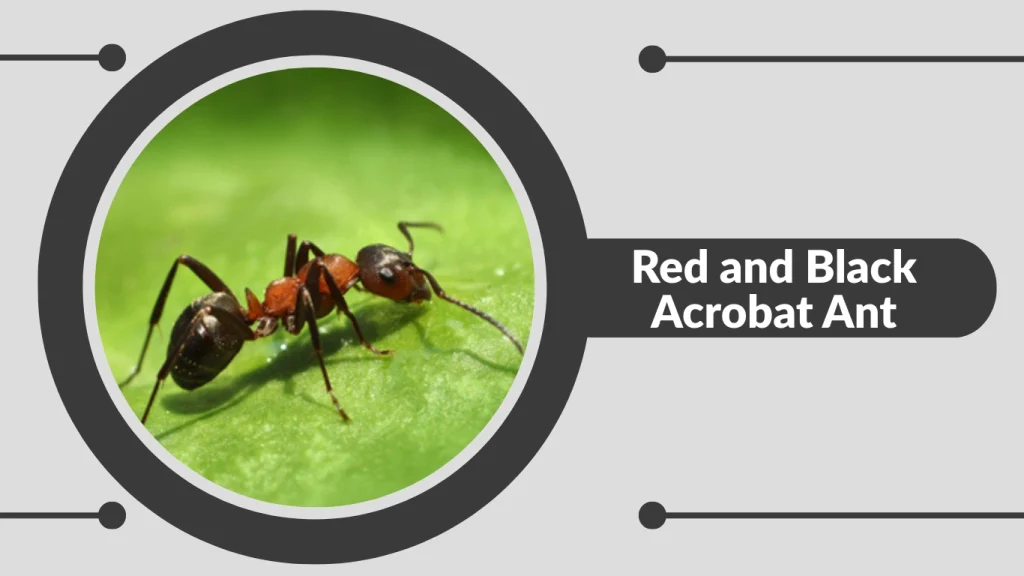
The red and black acrobat ant is a smaller species compared to carpenter or fire ants but is easily recognized by its heart-shaped abdomen and defensive postures. These ants are common in homes, gardens, and wooded areas, often nesting in damp wood or soil. Their name comes from their ability to raise their abdomen over their head when threatened, appearing like tiny acrobats.
Identification
- Size: Workers are small, usually 2.6–3.2 mm.
- Color: Red to reddish-brown thorax with a darker black abdomen.
- Appearance: Tiny red and black ants often found indoors and along tree trunks.
- Colonies: Moderate-sized colonies, often nesting in wood cavities, soil, or under stones.
- Distinctive Feature: Heart-shaped gaster (abdomen) that is raised when alarmed.
Distribution and Habitat
Acrobat ants are widespread across the United States, particularly in the Southeast, including Florida, Georgia, and Texas. They prefer moist, decaying wood, logs, and tree cavities but may move indoors if they find suitable shelter and food sources.
Behavior and Aggression
These ants are more defensive than aggressive. When threatened, they lift their abdomens over their bodies, releasing formic acid as a defense mechanism. Though small, they can bite, and their colonies are highly active foragers, often forming visible trails.
Danger to Humans and Property
While not dangerous in terms of venom, their bites can be irritating. The bigger issue is their tendency to nest in wood, electrical boxes, or insulation, which can lead to minor structural damage or nuisance infestations inside homes.
Control and Prevention
To manage tiny red and black ants like acrobat ants, reduce moisture, seal cracks, and remove decaying wood near the home. Baits and residual insecticides can help eliminate colonies. Preventing outdoor colonies from spreading indoors is key to long-term control.
6. Velvet Ant (Cow Killer – Dasymutilla occidentalis)

Despite the name, the velvet ant is not a true ant but a type of wingless wasp. Known as the cow killer ant, this insect is famous for its fuzzy red-and-black body and extremely painful sting. Females are wingless and resemble large, hairy ants, which is why they are often mistaken for “giant red and black ants.”
Identification
- Size: Females range from 12–25 mm, making them appear like huge red and black ants.
- Color: Bright red furry thorax with a contrasting black abdomen covered in dense hair.
- Appearance: Often called fuzzy black and red ants or velvet ants due to their hairy bodies.
- Wings: Females are wingless, but males have wings and can fly.
- Distinctive Feature: Covered in velvet-like hairs with vivid coloration as a warning sign.
Distribution and Habitat
Velvet ants are common in the southern and eastern United States, especially in sandy areas like fields, pastures, and open woodlands. They are often seen running quickly on the ground rather than climbing surfaces.
Behavior and Aggression
Velvet ants are solitary and do not form colonies like true ants. They are not aggressive but will defend themselves fiercely if handled. Their bright red and black coloration warns predators of their powerful sting, which is among the most painful of any insect in North America.
Danger to Humans and Animals
The sting of a red and black velvet ant is extremely painful, giving them the nickname “cow killer.” While the sting is not deadly, it can cause intense burning pain, swelling, and allergic reactions in sensitive individuals. Pets may also be stung if they try to bite or paw at them.
Control and Prevention
Since they are beneficial insects that parasitize ground-nesting bees and wasps, control is usually unnecessary. However, avoiding handling them and wearing shoes outdoors in sandy areas reduces the risk of stings. If populations become overwhelming, localized pest control can help manage them.
7. Black-headed Red Ant (Myrmecia spp.)
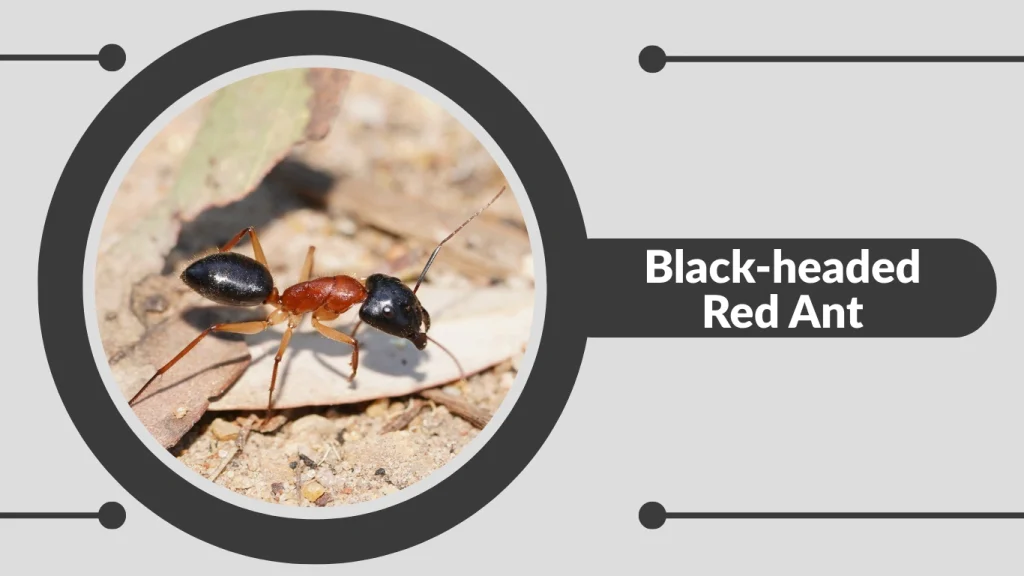
The black-headed red ant, a member of the Australian bulldog ant group (Myrmecia), is one of the most striking and aggressive ants in the world. Known for their large size, bright coloration, and painful stings, they are considered among the most dangerous ants to humans. Their bold appearance of a red body with a shiny black head makes them easy to identify.
Identification
- Size: Workers range from 10–20 mm, with some queens exceeding 25 mm.
- Color: Distinct black head with a reddish thorax and abdomen.
- Appearance: Looks like a large red and black ant, often mistaken for a wasp due to its size and sting.
- Mandibles: Long, powerful jaws for biting and defense.
- Wings: Reproductive males and queens have wings during swarming season.
Distribution and Habitat
These ants are native to Australia, especially along the eastern and southern regions. They prefer open forests, woodlands, and bushlands but can also be found near urban gardens and rural properties.
Behavior and Aggression
Black-headed red ants are highly aggressive and territorial. They have excellent vision, allowing them to track and chase intruders from several meters away. When provoked, they attack with both strong mandibles and a venomous sting, often striking repeatedly.
Danger to Humans and Animals
The sting of these giant red and black ants is extremely painful and can cause severe allergic reactions, including anaphylaxis. They are considered medically significant in Australia and are responsible for hospitalizations each year. Pets and livestock may also be at risk if they disturb a nest.
Control and Prevention
Because they are native and ecologically important predators, eradication is rarely attempted. However, avoiding nests and wearing protective clothing in infested areas is recommended. In residential zones where they pose risks, professional pest management may be necessary to control their numbers.
8. Bulldog Ant (Myrmecia gulosa)

The bulldog ant, also known as the giant red and black ant, is one of the largest and most aggressive ants in the world. Native to Australia, these ants are famous for their size, excellent vision, and dangerous sting. Their striking red-and-black coloration makes them easy to spot in the wild.
Identification
- Size: Workers range from 15–25 mm, with queens sometimes larger.
- Color: Reddish-orange thorax with a black head and black abdomen.
- Appearance: Resembles a huge red and black ant, often intimidating due to its size.
- Mandibles: Very large and powerful, capable of delivering strong bites.
- Wings: Winged males and queens appear during the swarming season.
Distribution and Habitat
Bulldog ants are widespread across Australia, especially in the eastern states. They prefer open habitats like forests, grasslands, and coastal areas. Nests are usually found in soil, under rocks, or near fallen logs.
Behavior and Aggression
These ants are highly aggressive and territorial. They have excellent eyesight and can detect movement from several meters away, enabling them to chase down intruders. When threatened, they attack using both their strong jaws and venomous stings, often multiple times in quick succession.
Danger to Humans and Animals
The sting of the bulldog ant is among the most painful of any insect and can be life-threatening to sensitive individuals. Cases of severe allergic reactions and even fatalities have been recorded. Their aggressive nature makes them particularly dangerous to anyone who approaches their nests.
Control and Prevention
Since they are part of Australia’s natural ecosystem, bulldog ants are not usually controlled unless they pose a direct threat in residential areas. Avoiding nests, wearing shoes outdoors, and exercising caution in bushland areas are the best preventive measures. Professional pest management may be required if colonies are too close to human activity.
9. Striped Velvet Ant (Dasymutilla spp.)

The striped velvet ant is another member of the velvet ant family, often mistaken for a true ant but actually a type of wingless wasp. These insects are known for their red and black striped bodies and dense, velvety hairs. Like the cow killer ant, they are solitary and deliver extremely painful stings when disturbed.
Identification
- Size: Typically 10–20 mm, though some species can be larger.
- Color: Bright red or orange stripes across a fuzzy black abdomen.
- Appearance: Matches descriptions of a fuzzy red and black striped ant.
- Wings: Females are wingless and resemble ants, while males are winged.
- Distinctive Feature: Dense velvety hairs with contrasting red and black bands.
Distribution and Habitat
These velvet ants are found across the southern United States, especially in sandy regions of Texas, Florida, and other warm states. They thrive in dry fields, meadows, and areas with loose sandy soil where ground-nesting bees and wasps are common.
Behavior and Aggression
Striped velvet ants are fast runners and avoid confrontation but will sting if handled. Their warning coloration and painful sting serve as strong deterrents to predators. Unlike true ants, they do not live in colonies and are solitary hunters.
Danger to Humans and Animals
The sting of a red and black striped velvet ant is intensely painful, though not deadly. It may cause swelling, redness, and allergic reactions in sensitive individuals. Pets may also be stung if they paw or bite at these fuzzy insects.
Control and Prevention
Since they are beneficial in controlling other ground-nesting insects, extermination is rarely needed. Avoiding contact and wearing footwear in sandy areas reduces sting risks. If they become abundant near homes, professional pest control may be used to reduce encounters.
10. Ant-Mimicking Bugs and Beetles (Myrmecomorphs)
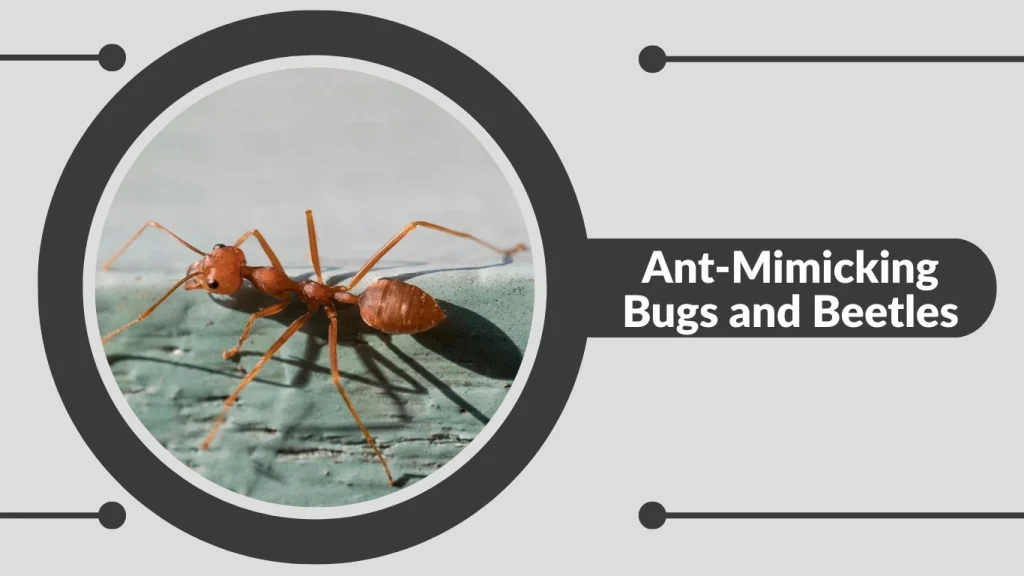
Not all red and black ant-like insects are true ants. Many species of beetles, true bugs, and even spiders have evolved to mimic ants in both appearance and behavior. These ant-mimics (myrmecomorphs) are often mistaken for red and black ants because of their size, body shape, and color patterns. Their mimicry helps protect them from predators, as ants are usually avoided due to their aggressive nature.
Identification
- Size: Ranges from 5–15 mm depending on the species.
- Color: Often show red and black striped or banded bodies resembling ants.
- Appearance: Narrow-waisted body with ant-like antennae and movements.
- Wings: Some mimics may have hidden wings or reduced wing structures.
- Distinctive Feature: Resemble ants closely but lack the true node structure of real ants.
Distribution and Habitat
These mimics occur worldwide and are especially common in tropical and subtropical regions. In the U.S., they are sometimes found in Florida, Texas, and Georgia, where people mistake them for biting ants. They inhabit gardens, wooded areas, and homes, blending in with ant populations.
Behavior and Aggression
Unlike true ants, these mimics are not aggressive and generally harmless. Their movements, body swaying, and group behavior are adaptations to look convincingly ant-like. Many of them live near or among real ant colonies to avoid predation.
Danger to Humans and Animals
Most red and black ant look-alikes are harmless. They do not sting and rarely bite. However, their close resemblance to ants can cause alarm when they are spotted indoors or in gardens. Some species of true bugs may release defensive odors, but they pose no real health threat.
Control and Prevention
Since they are not dangerous pests, control is usually unnecessary. If mistaken for ants indoors, sealing cracks and keeping homes clean can prevent their entry. Learning to recognize the difference between true red and black ants and harmless mimics helps avoid unnecessary pest control efforts.
