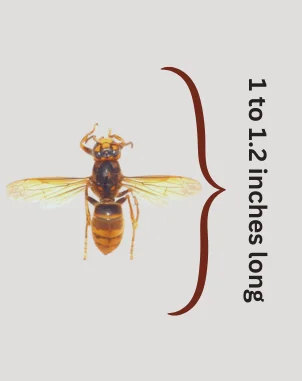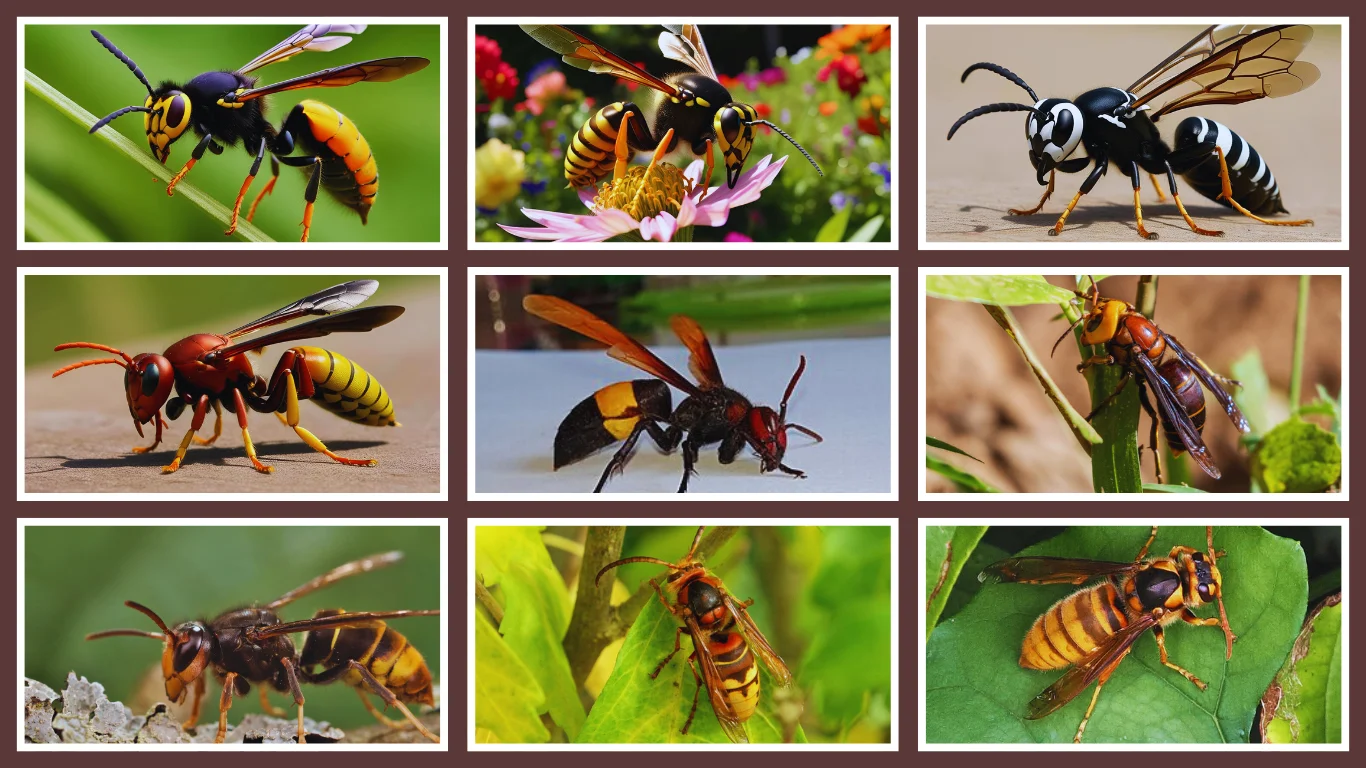
Hornets are large, powerful insects that belong to the wasp family. Some are peaceful, while others can be aggressive when defending their nests. In this guide, I’ll share 15 types of hornets found across the world. You’ll learn how to identify them by their size, color, nesting habits, and where they live.
Whether you’re a nature lover or just curious, this article will help you spot different hornets easily and safely.
1. Asian Giant Hornet
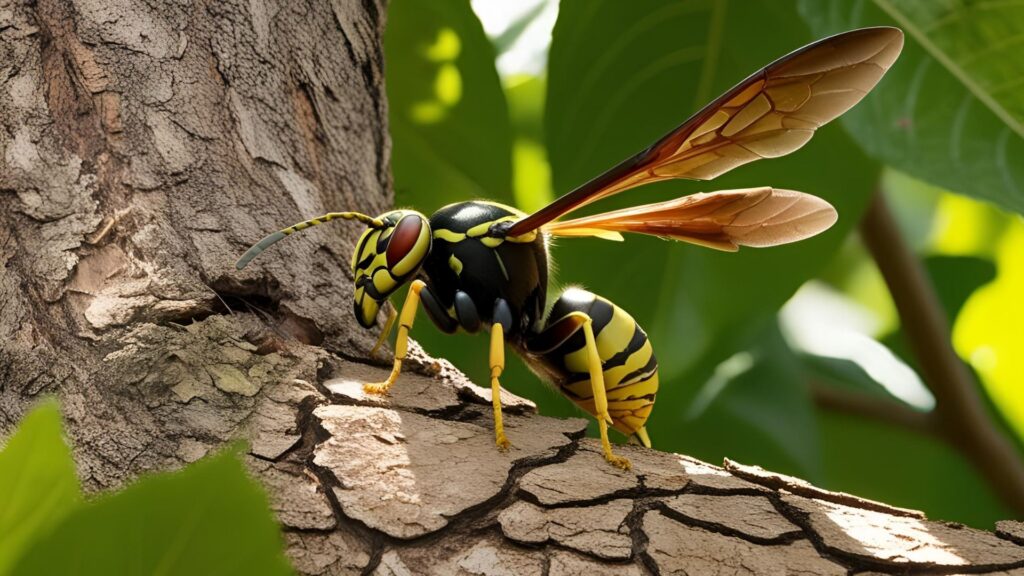
The Asian Giant Hornet (Vespa mandarinia) is the world’s largest hornet. It is also called the “murder hornet” because of its strong sting and deadly attacks on honeybees. This hornet is native to Japan, China, Korea, and other parts of East Asia. It has also been spotted in North America in recent years.
Appearance
The Asian Giant Hornet can grow up to 2 inches long. It has a large orange-yellow head with sharp black eyes. The thorax is dark brown. The abdomen has black and orange bands. Its wings are dark and strong. Legs are yellowish. This hornet looks very different from common bees or wasps. Its large size and bright colors make it easy to notice.
Habitat and Nest
This hornet lives in forests, mountains, and rural areas. It avoids busy cities or towns. It prefers cool, moist places to build its nests. Most nests are made underground, in abandoned rodent holes. Some nests can also be found at the base of dead trees or under roots. A nest may have hundreds of hornets in one colony. They are active from spring to autumn.
How to Identify
- Largest hornet species (1.5–2 inches long)
- Bright orange head
- Black eyes and strong jaws
- Dark brown thorax
- Orange and black striped abdomen
- Loud, low-pitched buzzing sound
- Nests underground in quiet, wooded areas
- Very aggressive if their nest is disturbed

2. European Hornet
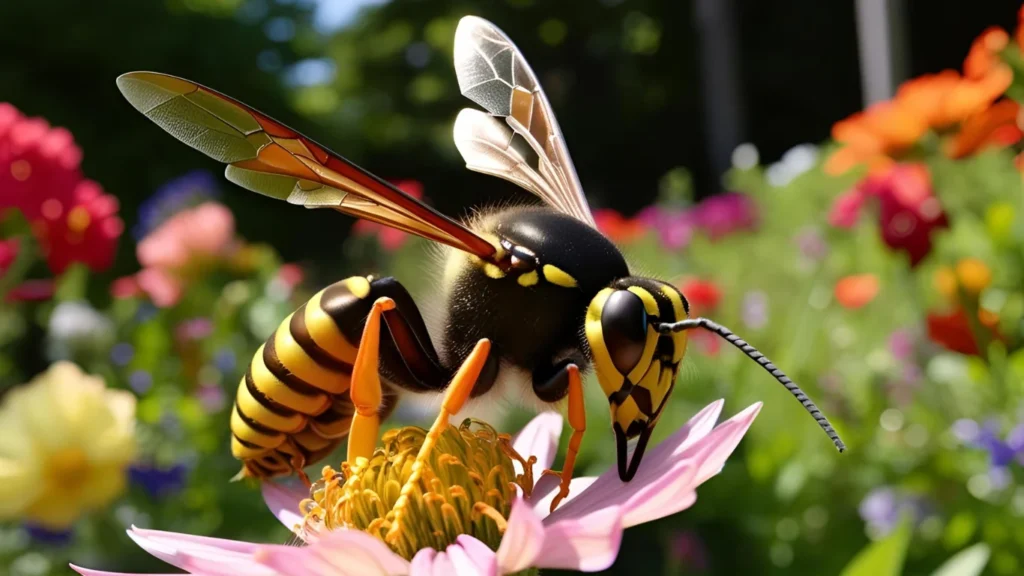
The European Hornet (Vespa crabro) is native to Europe and parts of Asia. It was introduced to North America and is now found in many U.S. states. This hornet is large but usually not aggressive unless threatened.
Appearance
It grows up to 1.5 inches long. It has a reddish-brown head and thorax. The abdomen is yellow with black stripes. Wings are brownish and the eyes are dark. It looks similar to a wasp but much larger.
Habitat and Nest
European hornets live in woodlands, gardens, and buildings. They often nest in hollow trees, attics, barns, or wall cavities. Their nests are made of chewed wood and have a paper-like texture. Colonies can grow to have hundreds of hornets.
How to Identify
- 1 to 1.5 inches long
- Yellow and black striped abdomen
- Reddish-brown head
- Often found near lights at night
- Nests in hollow trees or buildings
- Active during day and night
- Not aggressive unless provoked

3. Japanese Giant Hornet

The Japanese Giant Hornet (Vespa mandarinia japonica) is a subspecies of the Asian Giant Hornet. It is mostly found in Japan and is known for its powerful sting and attacks on honeybees.
Appearance
It can grow up to 2 inches long. It has an orange head with large eyes. The body is dark brown with yellow-orange stripes. Its jaws are strong enough to kill insects in one bite.
Habitat and Nest
They live in forests, farmlands, and hills. Nests are built underground or at the base of trees. They are most active in the summer and fall. Their colonies are large and can be very defensive.
How to Identify
- Similar to Asian Giant Hornet
- Large size, orange head
- Dark brown body with bright stripes
- Found in rural and forest areas
- Nests underground
- Aggressive if threatened
- Kills honeybee colonies

4. Bald-faced Hornet
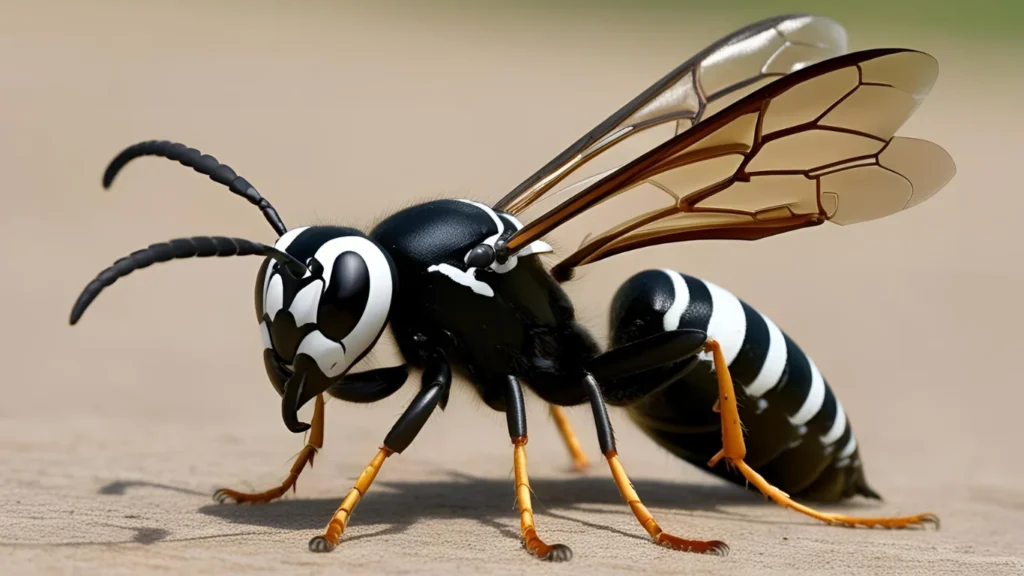
The Bald-faced Hornet (Dolichovespula maculata) is not a true hornet but is called one because of its size and behavior. It is native to North America and known for its aggressive nest defense.
Appearance
It is black with white markings on the face and body. It grows about 0.75 inches long. It has a smooth body and a narrow waist. Wings are clear and fold over the body when at rest.
Habitat and Nest
Bald-faced hornets build large, hanging paper nests. These are often found in trees, bushes, and buildings. The nests are football-shaped and gray. Colonies are active from spring to late fall.
How to Identify
- Black body with white face
- Smaller than true hornets (about 0.75 inch)
- Builds large, visible hanging nests
- Very aggressive near nest
- Common in backyards and wooded areas
- Loud buzzing when flying

5. Oriental Hornet

The Oriental Hornet (Vespa orientalis) is found in the Middle East, North Africa, and parts of Southern Europe and Asia. It is active during the hottest parts of the day.
Appearance
This hornet is about 1 inch long. It has a reddish-brown body with yellow bands on the abdomen. The head is also reddish with large dark eyes. Wings are dark and slightly reddish.
Habitat and Nest
Oriental hornets prefer dry, hot climates. They usually build nests underground or in cracks in walls. Sometimes, they use old burrows or rock crevices. They are very active in sunny weather.
How to Identify
- Reddish-brown body
- Yellow bands on abdomen
- About 1 inch long
- Nests in soil or cracks
- Active in hot, sunny conditions
- Aggressive if threatened

6. Black-bellied Hornet
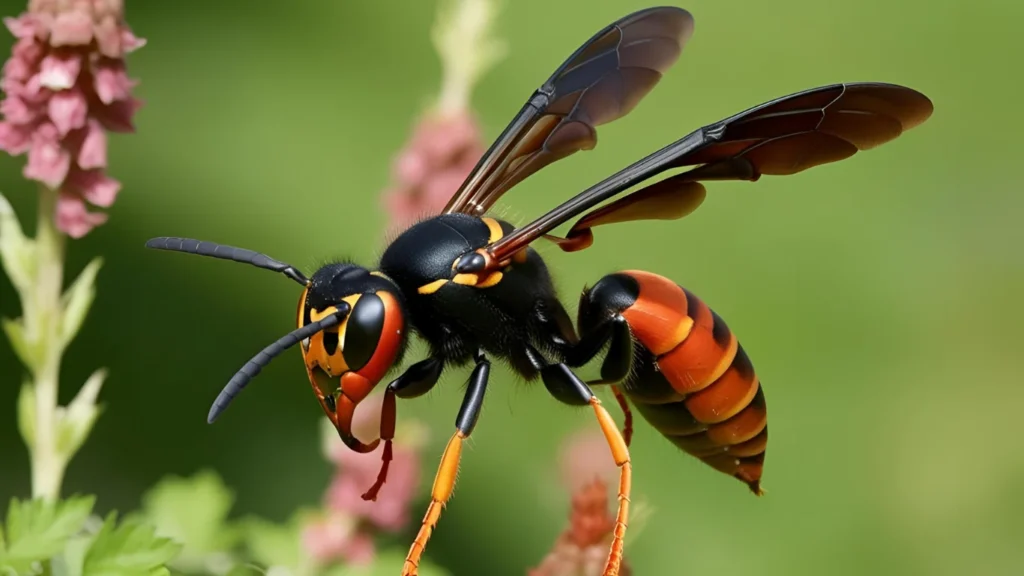
The Black-bellied Hornet (Vespa basalis) is found mostly in Asia. It is less known but can still be dangerous due to its sting.
Appearance
It has a black lower body (belly) and a reddish-brown upper body. The wings are dark, and its size is around 1 inch. It looks darker compared to other hornets.
Habitat and Nest
They usually nest in forested areas. Their nests are built in trees or on buildings. These hornets are not commonly found in cities or towns.
How to Identify
- Black lower abdomen
- Reddish upper body
- About 1 inch in size
- Found in trees or forest edges
- Nests above ground
- Less common than other types

7. Greater Banded Hornet

The Greater Banded Hornet (Vespa tropica) is a tropical species found in Southeast Asia. It is known for attacking honeybee hives.
Appearance
It has a black body with a single yellow-orange band on the abdomen. It grows around 1 to 1.2 inches long. The wings are dark brown.
Habitat and Nest
It builds nests in hollow tree trunks or high up in buildings. They prefer warm, humid climates. The nests are usually gray and paper-like in texture.
How to Identify
- Black body with one yellow band
- 1–1.2 inches long
- Found in tropical and warm areas
- Nests in trees or buildings
- Aggressive near honeybee hives
- Flies fast and buzzes loudly

8. Lesser Banded Hornet
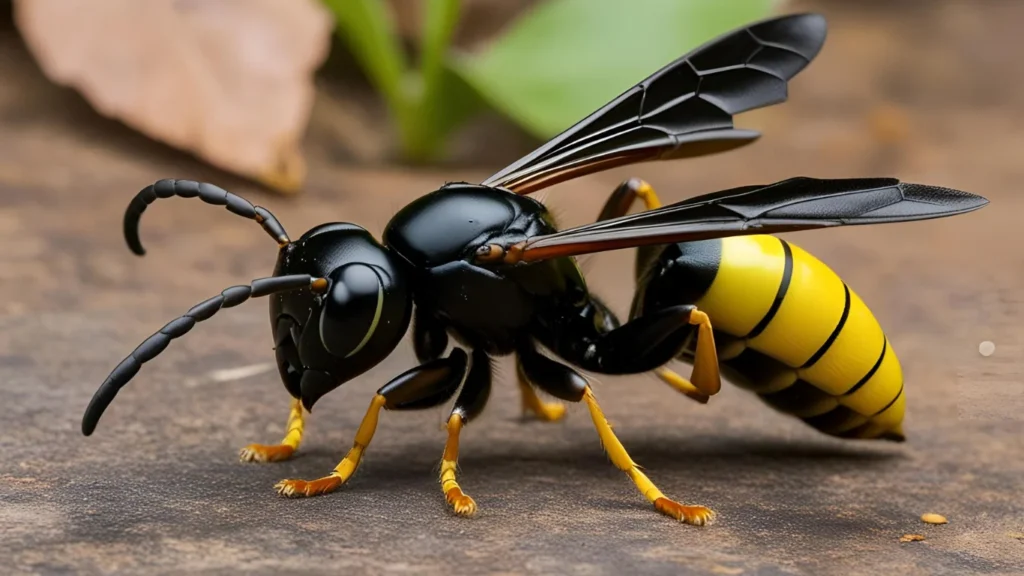
The Lesser Banded Hornet (Vespa affinis) is common in tropical Asia. It is smaller than the Greater Banded Hornet but still aggressive.
Appearance
It has a black body with two yellow bands on the abdomen. It grows about 0.8 to 1 inch long. The head is black or dark brown. Wings are dark and shiny.
Habitat and Nest
This hornet builds nests in trees, bushes, or on buildings. The nests are round and gray, often hanging in open spaces. They are active in both urban and rural areas.
How to Identify
- Black body with yellow bands
- Smaller than other hornets
- Round, hanging nests
- Common in city gardens and trees
- Aggressive if disturbed
- Seen in warm, humid areas
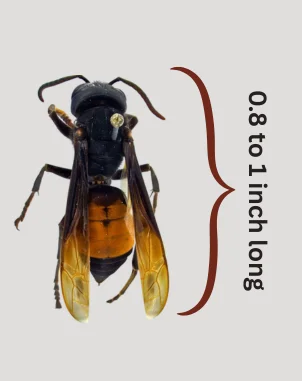
9. Yellow Hornet
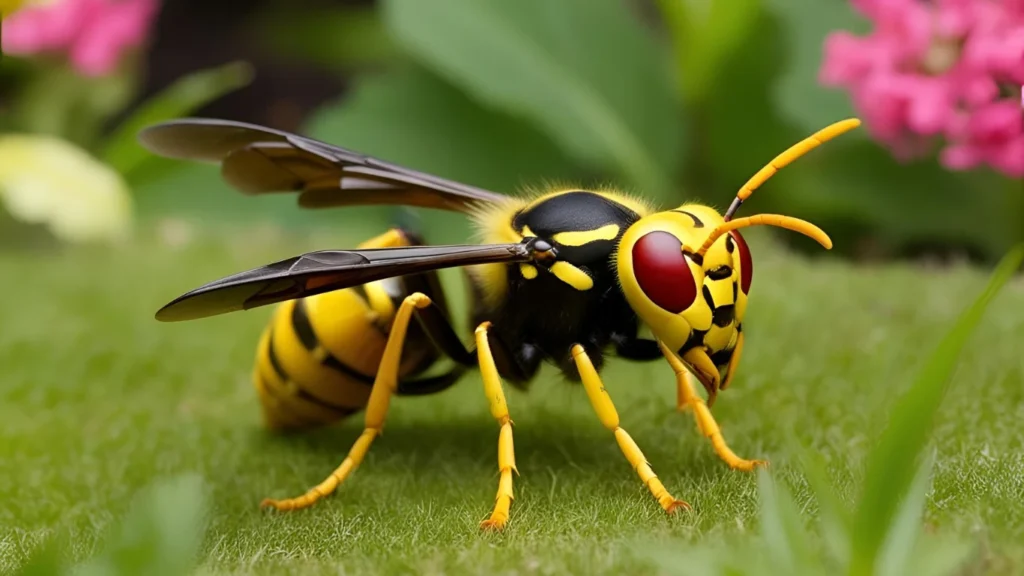
The Yellow Hornet (Vespa simillima) is found mostly in East Asia, including Japan and Korea. It is fast, loud, and protective of its nest.
Appearance
It is yellow and black with bright markings. The size is around 1 to 1.2 inches. It looks similar to a large yellowjacket but is stronger and louder.
Habitat and Nest
Yellow hornets build nests in tree branches, bushes, and house roofs. Their nests grow fast and can hold hundreds of hornets. They are most active in late summer and fall.
How to Identify
- Yellow and black striped body
- Fast flyers with loud buzz
- Nests in trees, bushes, and rooftops
- 1 to 1.2 inches long
- Strong nest defense
- Common in East Asia
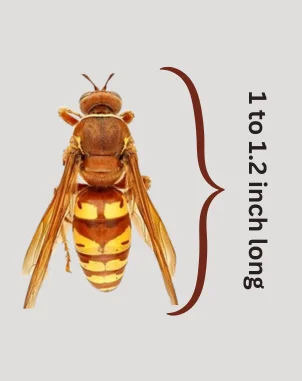
10. Vespa affinis

Vespa affinis is another name often used for the Lesser Banded Hornet, but it can also refer to some regional subspecies. It is widespread in South and Southeast Asia.
Appearance
It has a shiny black body with a yellow band near the tail. It is medium-sized, around 1 inch long. The wings are dark brown or black.
Habitat and Nest
These hornets make their nests in open spaces—trees, roof edges, and sometimes on fences. Their nests are round and paper-like, and can grow quickly.
How to Identify
- Shiny black body with yellow band
- Common in Asian countries
- Builds visible round nests
- Found in trees or buildings
- Medium size (around 1 inch)
- Often confused with other banded hornets
11. Vespa tropica

Vespa tropica is also called the Greater Banded Hornet. It’s known for attacking bee hives and being very territorial. This hornet is found in Southeast Asia, India, and nearby regions.
Appearance
It has a black body with one thick yellow-orange band on the abdomen. The head is black, and the wings are brown. It grows up to 1.2 inches long.
Habitat and Nest
Nests are built in tree holes, roof gaps, or inside walls. They like tropical areas with high humidity. These hornets prefer quiet, shaded spaces.
How to Identify
- Black body with orange-yellow band
- About 1.2 inches long
- Nests in tree holes or roofs
- Loud and fast in flight
- Aggressive near nests
- Common in Southeast Asia

12. Vespa mandarinia

Vespa mandarinia is the true scientific name for the Asian Giant Hornet. It is the largest hornet in the world. Native to Japan, China, and Korea.
Appearance
Very large—up to 2 inches. Orange head with strong black jaws. Brown body with orange and black stripes. Loud buzzing wings.
Habitat and Nest
It builds nests underground, often in abandoned burrows. Forested and rural areas are its main habitat. Nests grow large by late summer.
How to Identify
- Bright orange head
- Huge size
- Powerful jaws
- Orange-black striped body
- Nests in soil or near tree bases
- Very aggressive if disturbed

13. Vespa crabro

Vespa crabro is the European Hornet. It is native to Europe and has spread to North America. Despite its size, it’s not usually aggressive unless provoked.
Appearance
It has a yellow and black abdomen with a reddish-brown thorax. The size ranges from 1 to 1.5 inches. Wings are brown and slightly transparent.
Habitat and Nest
This hornet builds nests in hollow trees, barns, wall gaps, or attics. It prefers quiet places with wood nearby. Nests are made of chewed wood and have a paper look.
How to Identify
- Large yellow and black hornet
- Reddish-brown top body
- Nests in wood structures or trees
- Active both day and night
- Attracted to lights at night
- Found in rural and forested areas

14. Vespa velutina
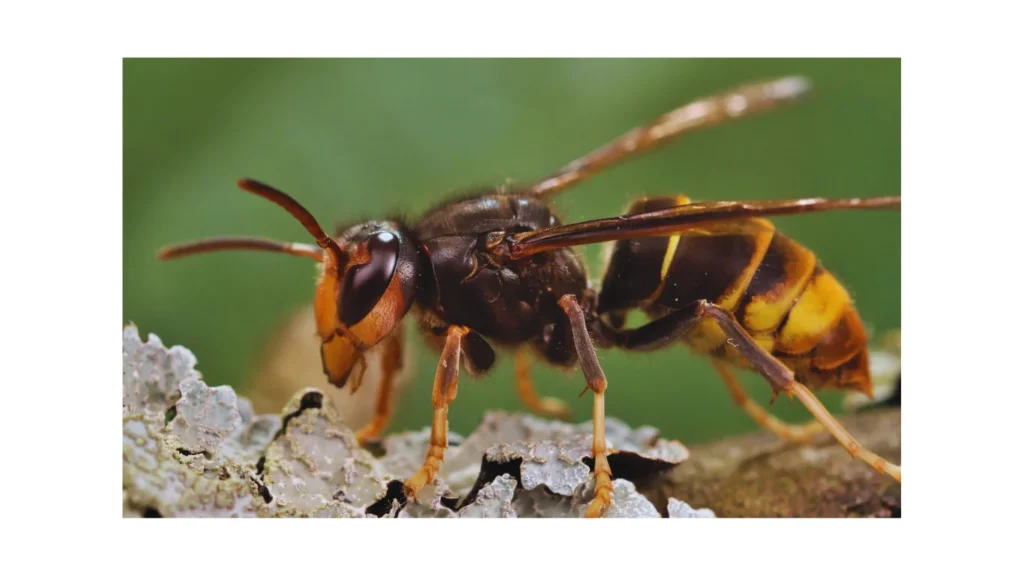
Vespa velutina is known as the Asian Hornet. It is an invasive species in many parts of Europe. It poses a big threat to honeybee populations.
Appearance
It has a dark brown or black body with a single orange band near the tail. Legs are yellow at the ends. It is smaller than the Asian Giant Hornet, about 0.8 to 1 inch long.
Habitat and Nest
They build large, round nests in tall trees, roofs, or building walls. Nests can be as big as a basketball. Vespa velutina prefers urban and semi-urban areas.
How to Identify
- Dark body with orange band
- Yellow-tipped legs
- Smaller than many hornets
- Large round nest in trees or buildings
- Found in cities and rural areas
- Active in summer and fall

15. Vespa simillima
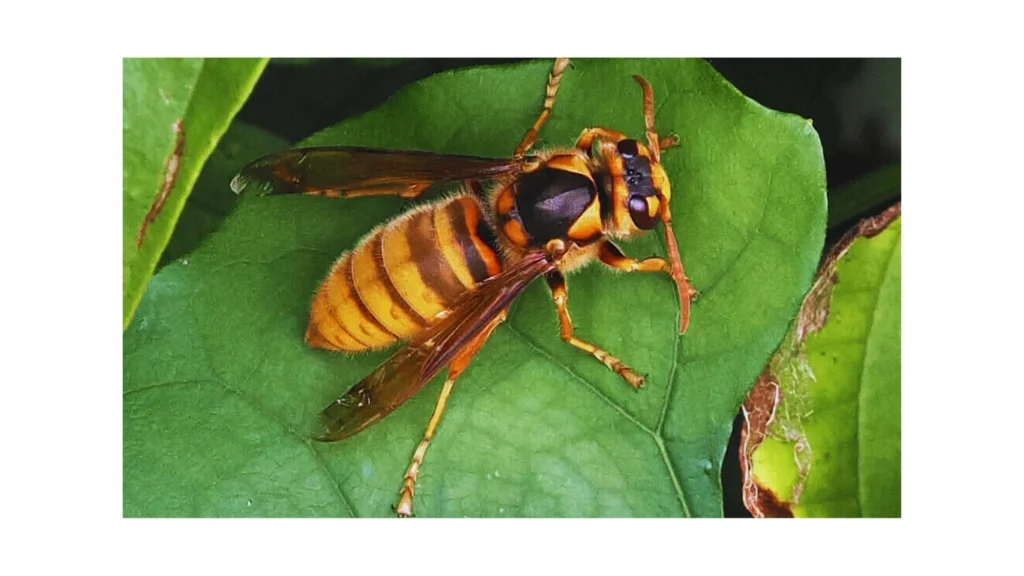
Vespa simillima is also known as the Yellow Hornet. It is found mostly in Japan, Korea, and parts of China. This hornet is fast and aggressive near its nest.
Appearance
Bright yellow and black striped body. Similar to a large yellowjacket but more powerful. Around 1 to 1.2 inches in size. Has sharp jaws and strong wings.
Habitat and Nest
They nest in trees, under roofs, or inside sheds. Nests are round and paper-like. Colonies grow fast during summer.
How to Identify
- Bright yellow and black stripes
- Fast and loud flyer
- Builds nests in trees or man-made structures
- Aggressive if nest is close
- Common in East Asia
- Looks like a large yellowjacket