
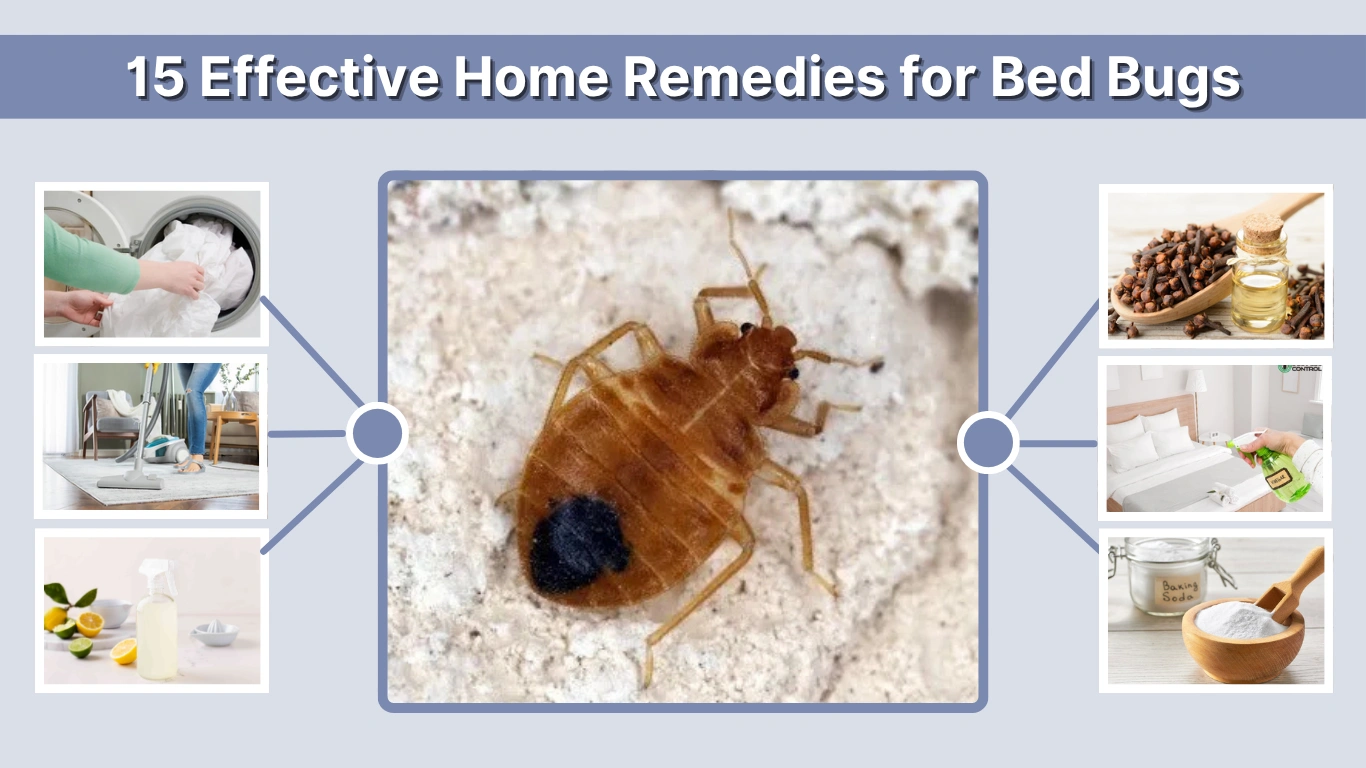
Bed bugs are one of the most frustrating pests to deal with in any household. These tiny insects hide in mattresses, couches, carpets, and even clothing, feeding on human blood while you sleep. Professional extermination can be expensive, so many people look for natural and cost-effective alternatives. Luckily, there are several home remedies for bed bugs that can help reduce infestations, soothe bites, and prevent them from spreading.
In this guide, you’ll discover 15 home remedies for bed bugs, including sprays, powders, essential oils, and simple household methods. These remedies are safe, affordable, and effective when applied consistently, making them excellent first steps before seeking professional pest control.
1. Vinegar Spray for Bed Bugs

Vinegar is one of the most common household solutions for killing bed bugs on contact. Its strong smell and acidic properties attack the nervous system of these insects, making it a quick remedy for visible bugs. To use vinegar, simply pour white vinegar into a spray bottle and spray directly onto infested areas such as mattress seams, bed frames, or cracks in furniture.
For better results, vinegar can be combined with baking soda to enhance its effectiveness. However, keep in mind that vinegar alone will not kill bed bug eggs hidden deep within crevices, so repeated application is necessary.
2. Baking Soda Remedy
Baking soda is another natural option that dehydrates bed bugs by absorbing moisture from their bodies. To use this method, sprinkle baking soda generously across mattresses, couches, and carpets, paying attention to seams and corners. Leave it for a few days before vacuuming thoroughly.
Although baking soda is effective in reducing bed bug activity, it works best when reapplied regularly. It is non-toxic and safe around children and pets, making it a reliable option for families.
3. Rubbing Alcohol Spray
Rubbing alcohol (isopropyl alcohol) is a powerful bed bug killer that works on contact. It dissolves the bug’s outer shell, dehydrating and killing it almost instantly. To make a home remedy spray, mix equal parts rubbing alcohol and water in a spray bottle and apply directly to infested furniture, bedding, or cracks in walls.
However, alcohol is highly flammable, so it should be used carefully and never near open flames. It is also best used as a spot treatment since it evaporates quickly and doesn’t provide long-term protection.
4. Essential Oils (Tea Tree, Lavender, Peppermint)
Essential oils have natural insecticidal properties that make them excellent remedies for bed bugs. Tea tree oil is especially popular because it suffocates bed bugs while leaving a refreshing scent. Lavender and peppermint oils are also effective as natural repellents.
To create a DIY bed bug spray, mix 20 drops of essential oil with one cup of water and spray on mattresses, couches, and baseboards. These oils are safe, pleasant-smelling, and useful as both treatment and prevention.
5. Heat Treatment at Home

Bed bugs cannot survive extreme heat, which makes heat treatment one of the most effective natural remedies. Start by washing infested bedding, clothes, and curtains in hot water. Then dry them on the highest heat setting for at least 30 minutes.
For furniture and mattresses, a steam cleaner works well. High-temperature steam penetrates deep into fabrics, killing both adult bed bugs and their eggs. Regular steam cleaning can keep infestations under control.
6. Cold Treatment
Just as heat kills bed bugs, extreme cold also works as a natural solution. Items like clothes, shoes, or bedding can be sealed in plastic bags and placed in the freezer for at least 72 hours. The freezing temperature kills bed bugs and their eggs effectively.
Although not as convenient as heat treatment, cold treatment works well for items that cannot be washed in hot water.
7. Diatomaceous Earth (Natural Powder Remedy)
Diatomaceous earth (DE) is a natural, powdery substance made from fossilized algae. It works by cutting into the exoskeleton of bed bugs, dehydrating and killing them over time. To use it, sprinkle DE around bed frames, mattresses, carpets, and cracks where bed bugs hide.
It’s best to leave the powder for several days before vacuuming. DE is safe, non-toxic, and one of the most effective home remedies for long-term bed bug control.
8. Clove Oil Remedy
Clove oil contains eugenol, a compound that kills bed bugs through its strong acidity and smell. It also acts as a natural repellent, preventing further infestations. To make a clove oil spray, mix 10–15 drops of oil with one cup of water and spray directly on bed bug-prone areas.
Clove oil is especially useful on mattresses and upholstered furniture, but like other essential oils, it should be reapplied regularly for best results.
9. Cayenne Pepper and Ginger Spray

Another effective natural mixture is cayenne pepper combined with ginger and oregano oil. This spicy blend irritates and kills bed bugs while leaving behind a strong scent that repels them. To prepare the spray, blend one teaspoon of cayenne pepper with grated ginger and a few drops of oregano oil, then mix with water.
Spray it around bed frames, baseboards, and furniture for added protection. While this spray works well as a repellent, it is most effective when combined with other remedies like heat or diatomaceous earth.
10. Dryer Sheets for Bed Bugs
Dryer sheets are commonly used as a quick home remedy for bed bugs because their strong fragrance repels insects. Placing dryer sheets between mattress layers, inside pillowcases, and under couch cushions can discourage bed bugs from settling in these areas.
While dryer sheets won’t kill bed bugs, they can help reduce activity and make infested areas less attractive. They work best as a preventive measure alongside stronger remedies like steam cleaning and diatomaceous earth.
11. Lemon Juice Spray
Lemon juice is naturally acidic and has insecticidal properties, making it a good home remedy for bed bugs. To create a spray, squeeze fresh lemon juice or dilute lemon concentrate with water. Spray directly on infested mattresses, couches, or carpet edges.
The citrus scent not only repels bed bugs but also leaves your home smelling fresh. Since lemon juice is safe and natural, it can be reapplied daily for maximum effectiveness.
12. Neem Oil Remedy
Neem oil is widely recognized as one of the best natural insecticides. It contains compounds that disrupt the growth and reproduction of bed bugs, eventually killing them. To use neem oil, apply it directly on infested furniture or dilute it with water to create a spray.
Neem oil is safe for humans and pets, making it a strong option for natural bed bug control. Its long-lasting effect also helps prevent re-infestation when used regularly.
13. Vacuuming and Decluttering
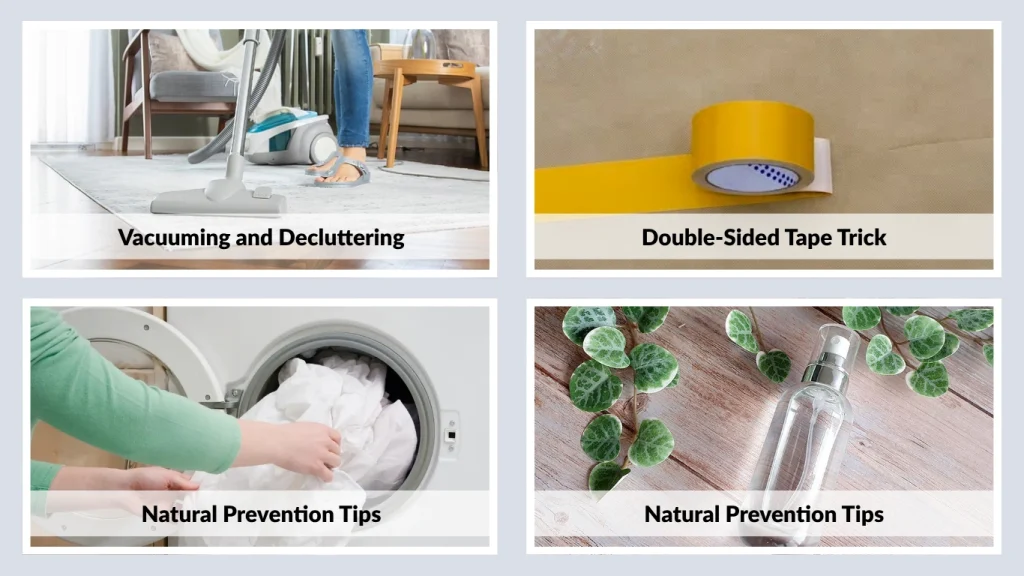
A simple yet powerful remedy for bed bugs is daily vacuuming. Bed bugs often hide in tight corners, mattress seams, and cracks in furniture, and vacuuming helps physically remove them. After vacuuming, dispose of the vacuum bag immediately in a sealed plastic bag to prevent re-infestation.
Decluttering your home also makes it harder for bed bugs to hide. Reducing piles of clothes, books, or unnecessary furniture creates fewer hiding spots and allows remedies like sprays and powders to work more effectively.
14. Double-Sided Tape Trick
Using double-sided tape around the legs of your bed or furniture can trap bed bugs as they try to climb up. This simple trick prevents them from reaching you at night and also helps monitor infestation levels.
While it doesn’t kill bed bugs directly, the tape is a useful prevention tool when combined with remedies like diatomaceous earth and heat treatment. It also provides peace of mind by reducing bites while you sleep.
15. Natural Prevention Tips
Once you’ve treated your home, prevention is key to keeping bed bugs away for good. Here are some effective natural prevention tips:
- Wash and dry bedding regularly on high heat.
- Use essential oil sprays like tea tree or lavender on mattresses and couches.
- Inspect second-hand furniture before bringing it home.
- Store luggage properly after traveling.
- Seal cracks in walls and bed frames to reduce hiding spots.
These habits ensure that once bed bugs are removed, they don’t find their way back into your home.
Remedies for Bed Bug Bites at Home
Even after treating your home, you may need relief from itchy and irritating bed bug bites. Here are some natural remedies:
- Aloe Vera Gel – Soothes skin irritation and promotes healing.
- Baking Soda Paste – Mix with water and apply to bites to reduce swelling.
- Cold Compress – Helps numb itching and minimize inflammation.
- Oatmeal Bath – Provides skin relief from widespread bites.
- Tea Tree Oil – Reduces itching and prevents infection due to its antibacterial properties.
These remedies don’t just ease discomfort but also help your skin recover faster.
Do Home Remedies for Bed Bugs Really Work?
Home remedies for bed bugs are effective for small infestations and prevention. They help reduce bed bug activity, kill some insects, and soothe bites. However, bed bugs are resilient pests, and severe infestations often require professional pest control for complete elimination.
The best approach is combining multiple remedies such as heat treatment, diatomaceous earth, essential oils, and vinegar spray for long-term results.
FAQs
What is the best home remedy for killing bed bugs?
The best home remedy combines diatomaceous earth, steam cleaning, and essential oil sprays. These methods attack bed bugs directly, eliminate hiding spots, and prevent future infestations. Using multiple remedies consistently increases effectiveness.
Can vinegar kill bed bugs permanently?
Vinegar kills bed bugs on contact but cannot penetrate eggs or deep crevices. It is best used alongside baking soda or essential oils for stronger results. For permanent elimination, vinegar should be part of a multi-step approach that includes heat treatment.
Are there natural remedies for bed bug bites?
Yes, natural remedies like aloe vera gel, baking soda paste, and oatmeal baths help reduce itching and swelling. Tea tree oil can also disinfect bites and prevent infection. While these remedies ease symptoms, removing bed bugs from the home is the only permanent solution.
Do DIY sprays work better than professional treatments?
DIY sprays like vinegar, alcohol, and essential oils kill bed bugs on contact but aren’t as powerful as professional chemical treatments. They are most effective for small infestations or as preventive measures, while large infestations require expert pest control.
How can I prevent bed bugs naturally?
Prevent bed bugs by washing bedding in hot water, vacuuming regularly, and spraying essential oils on mattresses. Keep clutter minimal, inspect second-hand furniture, and store luggage properly after travel. These steps reduce the risk of re-infestation and keep your home bed bug-free.
