
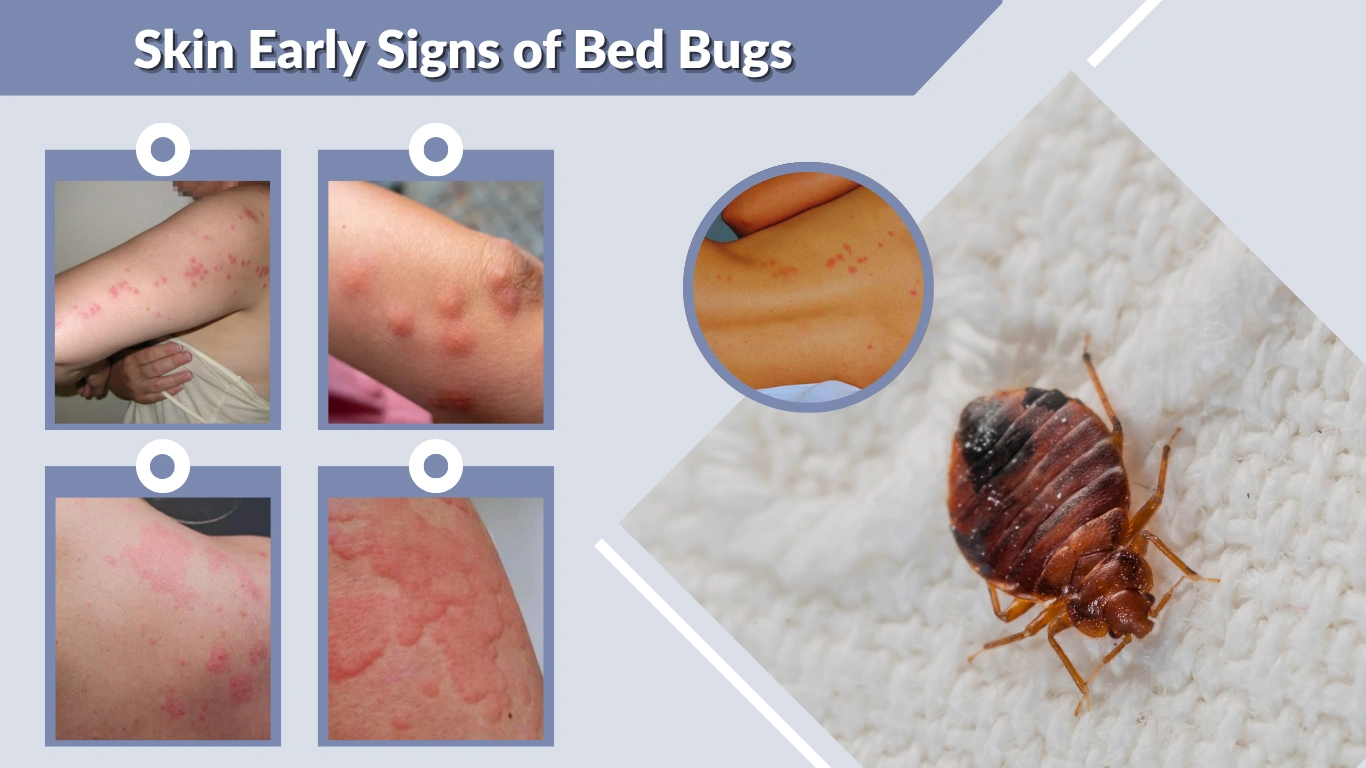
Bed bug bites can often be mistaken for other skin irritations, but understanding their unique patterns and stages is crucial. These tiny pests leave behind noticeable marks that progress differently depending on skin sensitivity and exposure. Recognizing early signs not only helps in identifying infestations but also prevents complications like infections or scarring. By learning how bed bug bites appear at various stages, you can respond faster and seek professional treatment before the problem escalates.
Understanding Bed Bug Skin Reactions
Bed bugs feed on human blood, usually at night, by piercing the skin with their needle-like mouthparts. While the bite itself is painless, the body’s immune response triggers visible symptoms. Not everyone reacts the same way—some may show marks within hours, while others take days. These reactions range from faint red dots to severe welts. Early detection of these skin changes is vital for confirming bed bug activity and preventing worsening infestations.
Stage 1: Initial Signs on Skin

In the very beginning, bed bug bites may appear as small, flat, or raised red dots. They resemble mosquito bites but are usually smaller and more subtle. The itching sensation is often mild at first, making it easy to overlook. Typically, these marks emerge within 24 hours of the bite. For many people, the first signs are single pinpoint spots without any obvious clustering, which makes early detection tricky. Careful observation after waking can help.
Stage 2: Cluster Formation and Patterns
As bites increase, a more recognizable pattern emerges. Unlike random mosquito bites, bed bug marks often appear in linear or zig-zag clusters. This occurs because bed bugs tend to bite multiple times in one feeding session, moving across the skin in a line. At this stage, the itching becomes more persistent and irritating. Redness and swelling are more visible, and bites may appear in exposed areas like arms, legs, neck, and face, often noticed upon waking.
Stage 3: Moderate Skin Reactions
When the infestation continues, skin reactions become more pronounced. Bites develop into raised, inflamed welts that may resemble allergic hives. The surrounding skin can become swollen and tender, especially in individuals with sensitive skin. Persistent scratching may lead to scabbing and minor skin damage. Unlike earlier stages, these bites are harder to ignore due to the intensity of discomfort. Some individuals may also experience a burning sensation, particularly if several bites are clustered closely together.
Stage 4: Severe or Allergic Reactions
In more advanced cases, or for people with stronger immune responses, bed bug bites trigger severe symptoms. Large welts form, sometimes resembling blisters, and the itching can be intense enough to disturb sleep. The skin may feel hot or sore, and scratching can introduce bacteria, leading to secondary infections. Allergic individuals might experience widespread rashes extending beyond the bite site. This stage requires medical attention, as untreated reactions can escalate into serious dermatological or systemic health issues.
Stage 5: Long-Term Skin Effects
After the immediate reaction subsides, many people experience lingering skin changes. Healing bed bug bites can leave behind hyperpigmentation, which shows as dark or discolored spots on the skin. Frequent scratching may cause small scars or rough patches. In some cases, the skin remains sensitive or itchy long after the bites heal. These long-term effects are most common in individuals who had severe reactions or delayed treatment, emphasizing the importance of early identification and care.
Differentiating Bed Bug Bites from Other Conditions

One of the biggest challenges is distinguishing bed bug bites from those caused by mosquitoes, fleas, or allergic reactions. Bed bug bites are usually grouped in straight lines or zig-zag patterns, while mosquito bites appear randomly. Flea bites often concentrate around the ankles. Another key factor is timing—bed bug bites often appear after sleeping or resting, while other insect bites can happen throughout the day. Persistent night-time itching and recurring marks are strong indicators of bed bug activity.
Prevention and When to Seek Medical Help
Preventing bites begins with careful inspection of sleeping areas. Bed bugs hide in mattresses, bed frames, and cracks, so regular checks are important. Washing bedding in hot water and vacuuming frequently reduces risks. If bites continue despite home cleaning, professional pest control is essential to eliminate infestations fully.
For skin relief, over-the-counter antihistamines, soothing creams, or cold compresses can help. However, medical attention is necessary if reactions become severe, if blisters form, or if scratching leads to infection. A dermatologist can prescribe stronger treatments and confirm whether the marks are indeed from bed bugs.
FAQs
What do bed bug bites look like in the early stage?
Early-stage bed bug bites typically look like small red dots, similar to mosquito bites but often smaller and more concentrated. They may appear in single spots before forming clusters. Itching is mild at first, making early bites easy to overlook until patterns emerge. Checking after sleep helps identify them.
How long does it take for bed bug bite marks to appear?
Bite marks may appear within a few hours, but in some cases, reactions are delayed for up to a week. This variation depends on the individual’s immune system. Because of this delay, people often misinterpret the cause, especially when they don’t notice signs immediately after sleeping.
Can bed bug bites cause long-term skin problems?
Yes, repeated scratching or severe reactions can leave behind long-term skin issues. Dark spots, scars, or ongoing sensitivity in the affected area are common. While these usually fade over time, some people may need dermatological treatment to reduce scarring or discoloration caused by frequent infestations.
How can you tell if it’s bed bugs or another insect bite?
Bed bug bites are often found in linear or zig-zag clusters, unlike mosquito bites which are scattered. They usually occur at night on exposed areas of skin. Flea bites, on the other hand, are smaller and mostly around the ankles. Bed bug activity is strongly suspected if bites worsen after sleeping.
When should you see a doctor for bed bug bites?
You should see a doctor if bites become severely swollen, blistered, or extremely itchy. Medical help is also important if scratching leads to infection, causing pus or intense pain. Allergic reactions, such as widespread rash or breathing difficulties, require immediate medical attention. Early consultation prevents long-term complications.
