
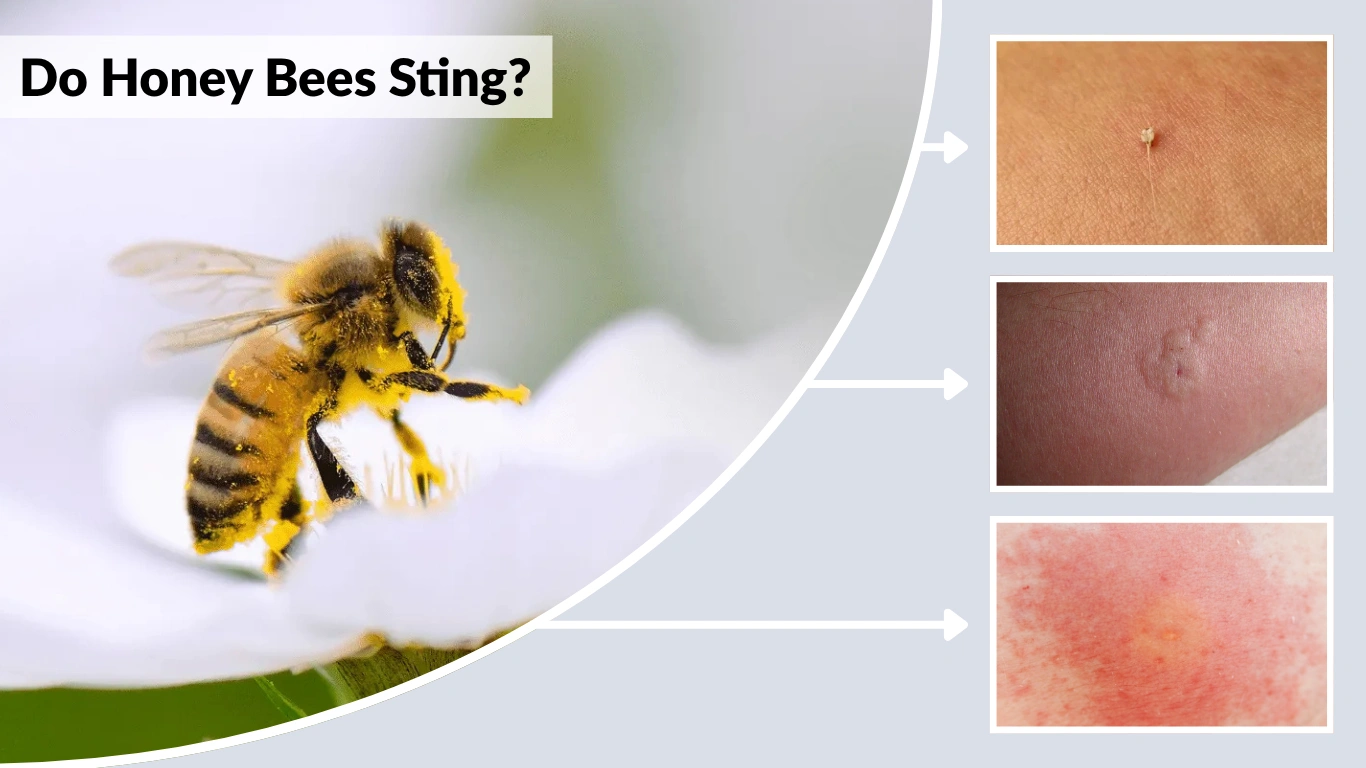
Honey bees are famous for producing honey and pollinating plants, but they’re also known for their painful stings. Many people wonder why honey bees sting, if they die afterward, and what to do when stung. These gentle insects rarely attack without reason, but understanding their defensive behavior helps you stay safe while respecting their vital role in nature.
Do Honey Bees Sting?
Yes, honey bees can sting, but not all bees in the colony can do so. Only female honey bees, which include worker bees and queens, have stingers. Their stinger is a modified ovipositor—a special organ used for laying eggs that evolved to serve as a defensive weapon.
Male honey bees, known as drones, lack this feature. They are harmless to humans because they don’t possess stingers. The primary purpose of drones is mating with the queen, not defending the hive.
Honey bees don’t sting unless they feel threatened. They’re protective of their nest, queen, and honey supply, and will only sting to defend them.
Why Do Honey Bees Sting?
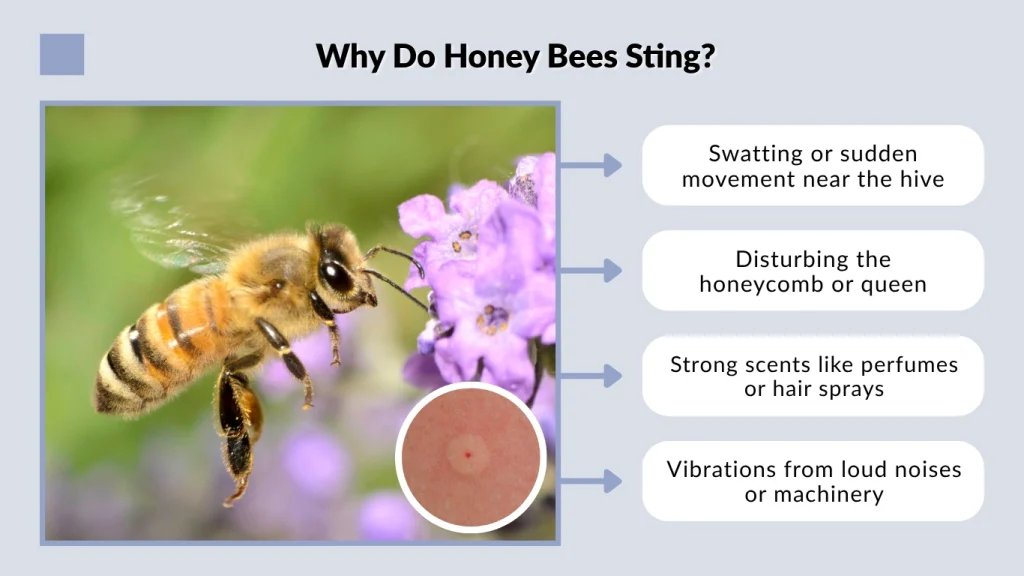
Honey bees sting as an act of defense, not aggression. Their main goal is to protect the hive from intruders, including humans, animals, or other insects. When they sense danger, they release alarm pheromones—chemical signals that alert nearby bees to join in defending the colony.
Common triggers that cause honey bees to sting include:
- Swatting or sudden movement near the hive
- Disturbing the honeycomb or queen
- Strong scents like perfumes or hair sprays
- Vibrations from loud noises or machinery
Honey bees are not naturally aggressive when foraging. If you remain calm and move slowly, they typically ignore you. They attack only when they interpret movement or scent as a threat.
Do Honey Bees Die After Stinging?
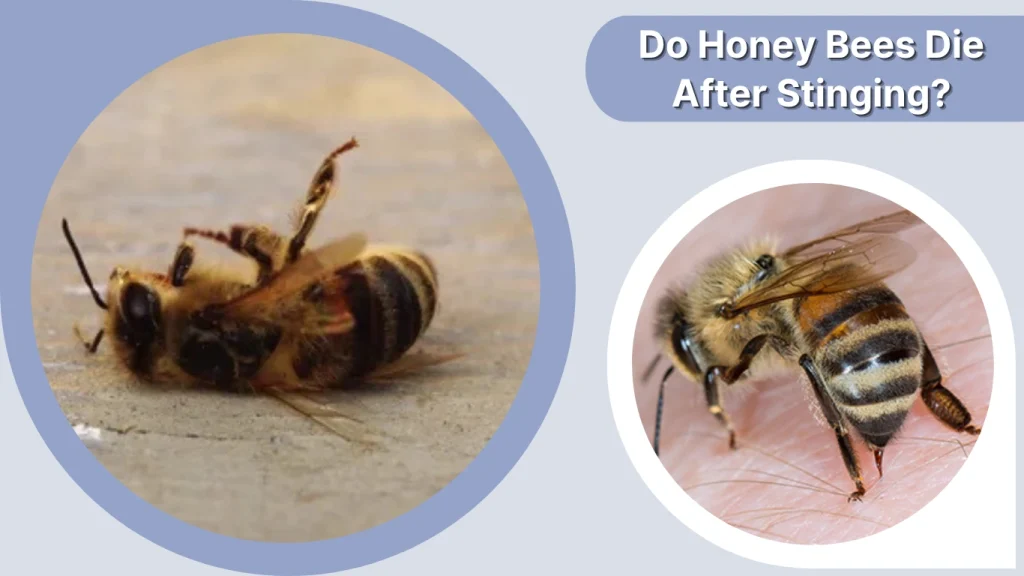
Yes, honey bees die after stinging humans or animals. Their stinger is barbed like a fishhook, designed to lodge firmly into the skin. When the bee tries to fly away, the stinger stays embedded, tearing away part of the bee’s abdomen. This internal injury leads to its death within minutes.
This unique mechanism serves a greater purpose—it protects the hive. The stinger continues to pump venom even after detaching, while releasing alarm pheromones that attract other bees to defend the area. Though fatal to the bee, this self-sacrifice increases the survival chances of the colony.
Interestingly, when honey bees sting other insects, they don’t die. The thin exoskeleton of insects doesn’t trap the barbed stinger, allowing the bee to withdraw it safely.
Do Honey Bees Have a Stinger?
Yes, honey bees have a stinger located at the end of their abdomen. It’s connected to a venom sac that injects venom when used. The worker bees and queen both possess stingers, but they serve different purposes.
- Worker Bee Stingers: Barbed and used only for defense. Once used on mammals, the bee dies.
- Queen Bee Stingers: Smoother and designed for fighting rival queens rather than defending the hive. Queens rarely sting humans or animals.
This anatomical difference explains why beekeepers can handle queens more easily than workers. A queen’s sting is used only to establish dominance in the colony.
Do Honey Bees Sting or Bite?
Honey bees sting—they don’t bite humans. Their jaws (mandibles) are used for handling wax, feeding larvae, and building combs, not for biting. The confusion arises because bees can use their jaws to grab or pinch other insects during fights, but this doesn’t apply to humans.
If a honey bee feels trapped, such as being caught in clothing or hair, it will resort to stinging rather than biting. The sting is the main defense mechanism, and it’s powered by venom that causes pain, redness, and mild swelling.
Do All Honey Bees Sting?
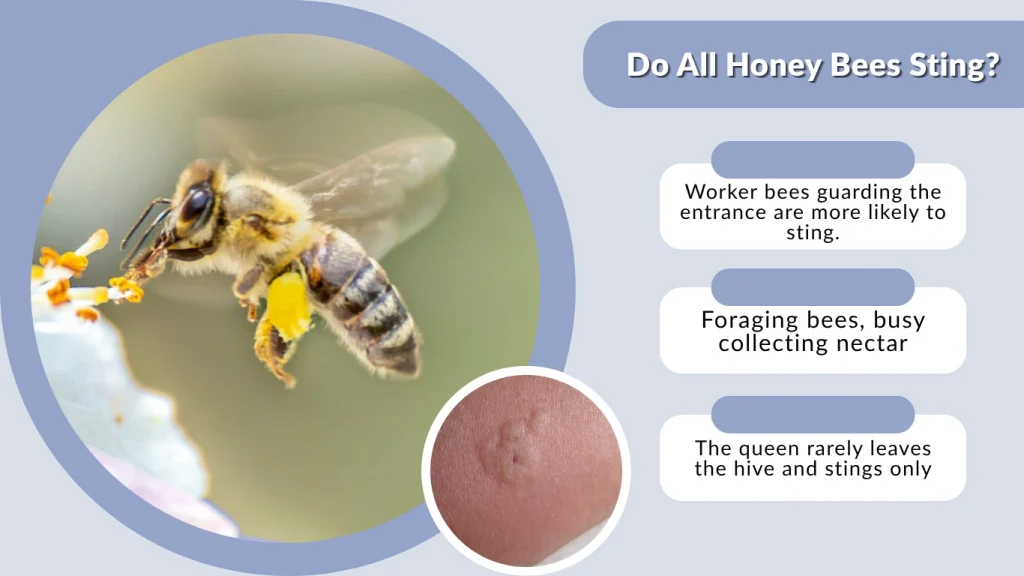
No, not all honey bees sting. Only female workers and queens are equipped with stingers. Male drones do not sting at all—they lack the anatomical structure for it.
Even among females, stinging behavior depends on the bee’s role and situation. For instance:
- Worker bees guarding the entrance are more likely to sting.
- Foraging bees, busy collecting nectar, are much less defensive.
- The queen rarely leaves the hive and stings only when battling another queen.
So, while every female bee has the potential to sting, most don’t unless provoked.
Why Do Honey Bees Die After Stinging?
The reason honey bees die after stinging lies in the design of their stinger. It’s covered with tiny backward-facing barbs that anchor into human skin. As the bee pulls away, the stinger—and part of its abdomen—remain behind. The venom sac continues to pulse, injecting venom even after detachment.
This biological “sacrifice” is a powerful defensive adaptation. Although the bee dies, the chemical alarm released during the sting warns the hive of intruders, rallying other bees to attack. It’s a remarkable example of nature prioritizing colony survival over individual life.
Do Queen Honey Bees Sting?
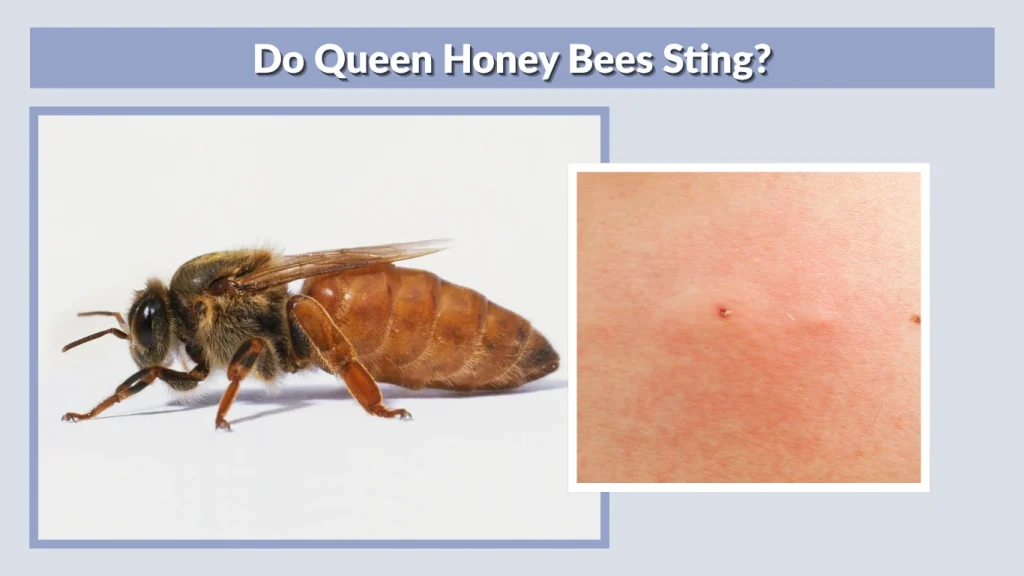
Yes, the queen honey bee can sting, but she rarely does. Her stinger is smooth, allowing her to sting multiple times without dying. However, she almost never uses it against humans or animals. Instead, her sting is reserved for killing rival queens during hive dominance battles.
When two queens emerge in a hive, only one can lead. The stronger queen stings the weaker one until she’s dead, ensuring her rule. Beekeepers handling queens are safe because they do not perceive humans as threats.
Do Male or Drone Honey Bees Sting?
No, male honey bees, also called drones, cannot sting. They do not have a stinger or venom sac. Their only purpose in the colony is to mate with the queen. After mating, drones die within a short time because their reproductive organs are torn from their bodies.
Drones are easy to identify — they have larger eyes, bulkier bodies, and a calmer nature. Since they pose no threat, beekeepers and humans have nothing to fear from them.
How Do Honey Bees Sting?
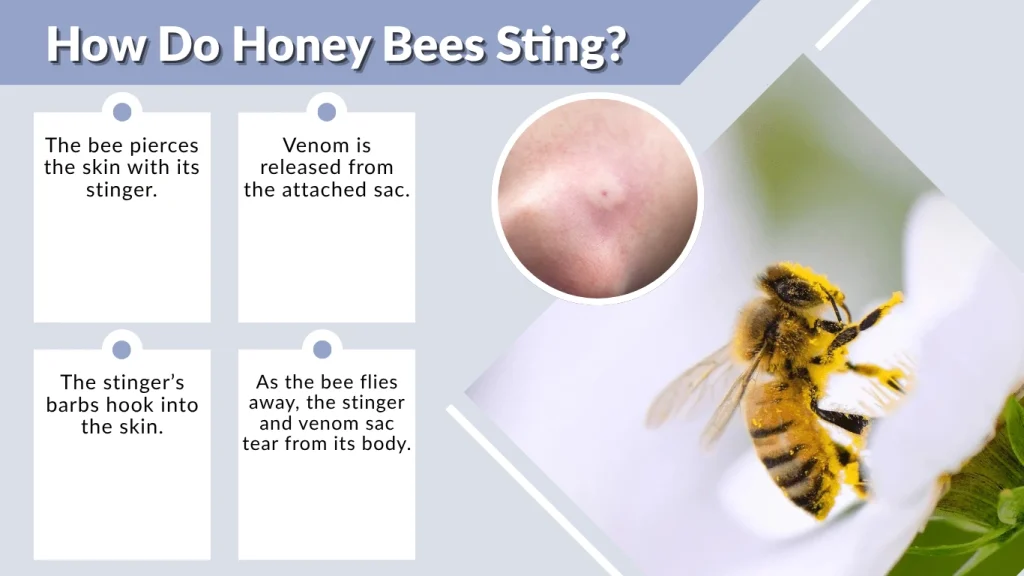
When a honey bee stings, it uses its barbed stinger to pierce the skin and inject venom. The process happens in seconds:
- The bee pierces the skin with its stinger.
- Venom is released from the attached sac.
- The stinger’s barbs hook into the skin.
- As the bee flies away, the stinger and venom sac tear from its body.
After detachment, the venom sac continues to pump venom for up to a minute. This automatic process ensures maximum defense, even though it’s fatal for the bee. The released pheromones also alert nearby bees to potential danger, increasing the hive’s defense response.
Do Honey Bees Sting Humans and Pets?
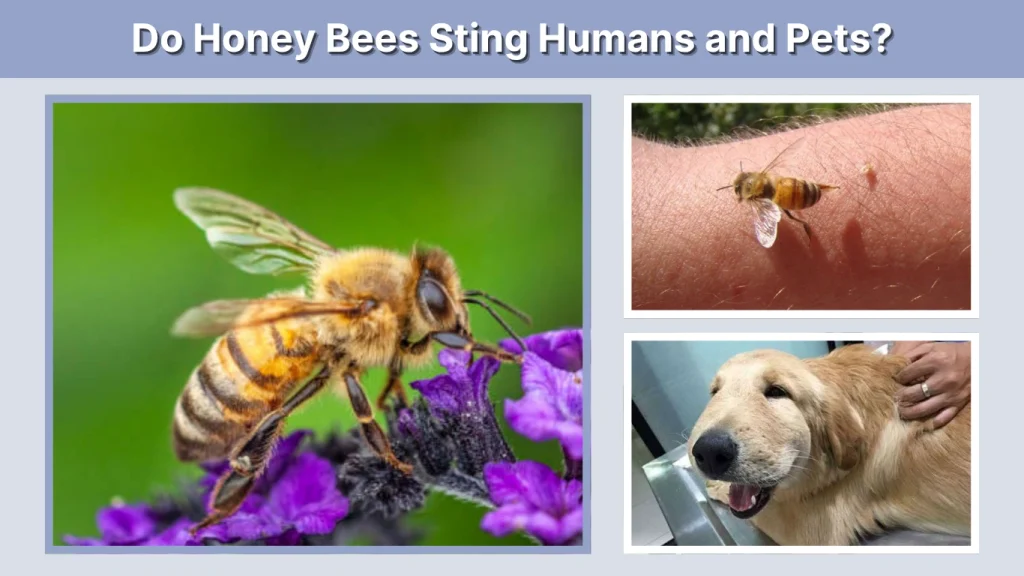
Yes, honey bees can sting both humans and animals. They usually sting when provoked or when their hive is disturbed. For humans, the most common sting sites are arms, legs, and hands. For pets, especially curious dogs, stings often occur on the nose or paws.
Pet Safety Tips
- Keep pets away from beehives and flowering plants during bee activity hours.
- If stung, gently remove the stinger using a credit card edge.
- Apply a cold compress and contact your vet if swelling spreads or breathing becomes difficult.
Both humans and pets generally recover quickly, though allergic individuals may need immediate medical or veterinary care.
What Does a Honey Bee Sting Feel Like?
A honey bee sting feels like a sharp, burning pain, followed by redness and swelling. Most people describe it as lasting for a few minutes, but the soreness can continue for several hours. The area may become warm and slightly itchy as the body reacts to bee venom.
For most people, symptoms remain mild. However, those allergic to bee stings may experience hives, dizziness, or difficulty breathing, which require urgent medical treatment.
Typical Reactions
- Quick, stinging pain
- Redness and minor swelling
- Warmth or itching near the sting site
- Rarely, severe allergic responses (anaphylaxis)
What to Do If a Honey Bee Stings You
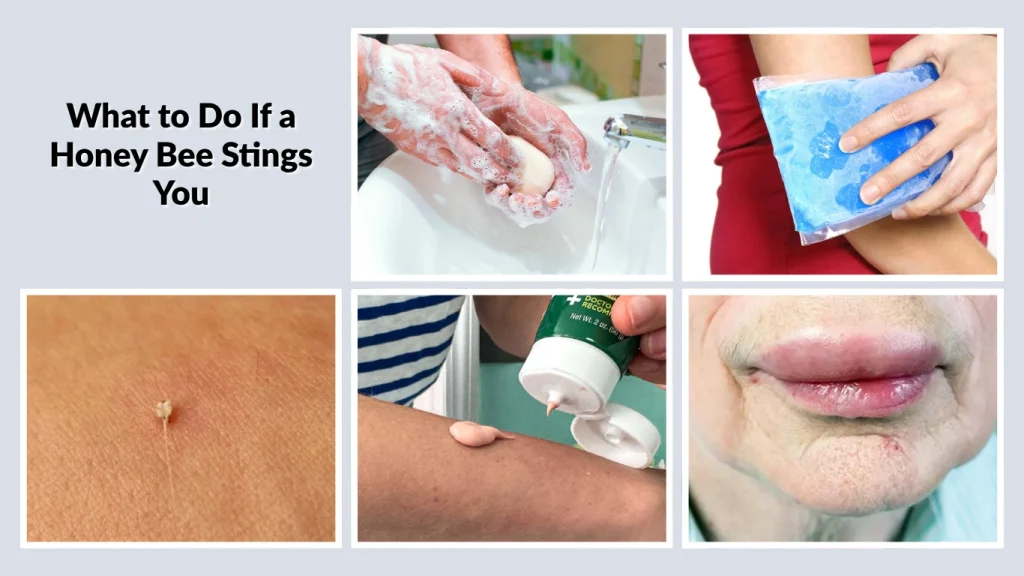
If a honey bee stings you, act quickly. The stinger continues to inject venom even after the bee flies away, so fast removal is important.
- Remove the stinger immediately by scraping it with a fingernail or a card edge. Avoid using tweezers, as squeezing releases more venom.
- Wash the area with soap and cool water to clean it.
- Apply a cold compress for 10–15 minutes to reduce pain and swelling.
- Use antihistamine or hydrocortisone cream to calm itching.
- Monitor for allergic symptoms like swelling of the lips or trouble breathing. Seek medical attention if these occur.
Children and individuals with severe allergies should always be monitored after any bee sting.
Do Honey Bees Leave Their Stinger Behind?
Yes, honey bees leave their stinger behind in the skin after stinging. This happens because the stinger’s barbs hook into the flesh, and the bee cannot pull it out. The stinger, venom sac, and attached muscles remain behind, continuing to inject venom for a short period.
This process is unique to honey bees. Other bees, like bumble bees and wasps, have smooth stingers that allow them to sting multiple times without dying.
Do Honey Bees Sting More Than Once?
No, honey bees can sting only once. The barbed stinger tears from their abdomen after the first sting, killing the bee. This means each sting is a one-time defense mechanism.
However, queen bees can sting multiple times because their stingers are smooth and do not lodge in skin. But queens rarely sting humans, as they remain deep within the hive.
Do Honey Bees Sting at Night?
Honey bees are generally inactive at night, so they rarely sting after dark. They spend nighttime resting and regulating the hive’s temperature. The only time they might sting at night is if the hive is disturbed by light, vibration, or predators.
If you work around bees after sunset, use red light instead of bright white light, which is less likely to disturb them.
Do Honey Bees Sting for No Reason?
Honey bees never sting without a reason. They are peaceful insects focused on collecting nectar and pollen. Most stings occur because bees feel threatened — by sudden movements, loud noises, or being trapped. Even when swarming, they are typically non-aggressive unless provoked.
Staying calm, moving slowly, and avoiding strong scents like perfumes can significantly reduce the risk of being stung.
What Do Honey Bee Stings Look Like?
A honey bee sting appears as a small red bump, sometimes with a visible white dot at the center where the stinger entered. The area might swell slightly and feel warm to touch.
In allergic reactions, swelling can spread beyond the sting site, and hives may develop on other parts of the body. Applying ice or soothing creams helps relieve discomfort.
FAQs
Do all honey bees die after stinging?
Yes, all worker honey bees die after stinging mammals because their barbed stinger remains lodged in the skin. When they fly away, part of their abdomen tears off, leading to death. However, they can sting other insects without dying.
Do honey bee stings hurt?
Honey bee stings cause sharp pain, followed by swelling and redness. The discomfort usually fades within a few hours, though it may last longer for sensitive individuals or on delicate skin areas.
Do male honey bees sting?
No, male honey bees (drones) do not have stingers. They are completely harmless and spend their short lives mating with the queen, after which they die naturally.
Why do honey bees sting even if they die?
Honey bees sting as a last resort to defend their hive. The sting releases pheromones that alert other bees to danger, ensuring the colony’s protection even at the cost of the individual bee’s life.
What should you do if a honey bee stings you?
Scrape off the stinger quickly, wash the area, and apply a cold compress. Use antihistamine cream to reduce itching. Seek medical help immediately if you notice swelling in your throat or have difficulty breathing.
