
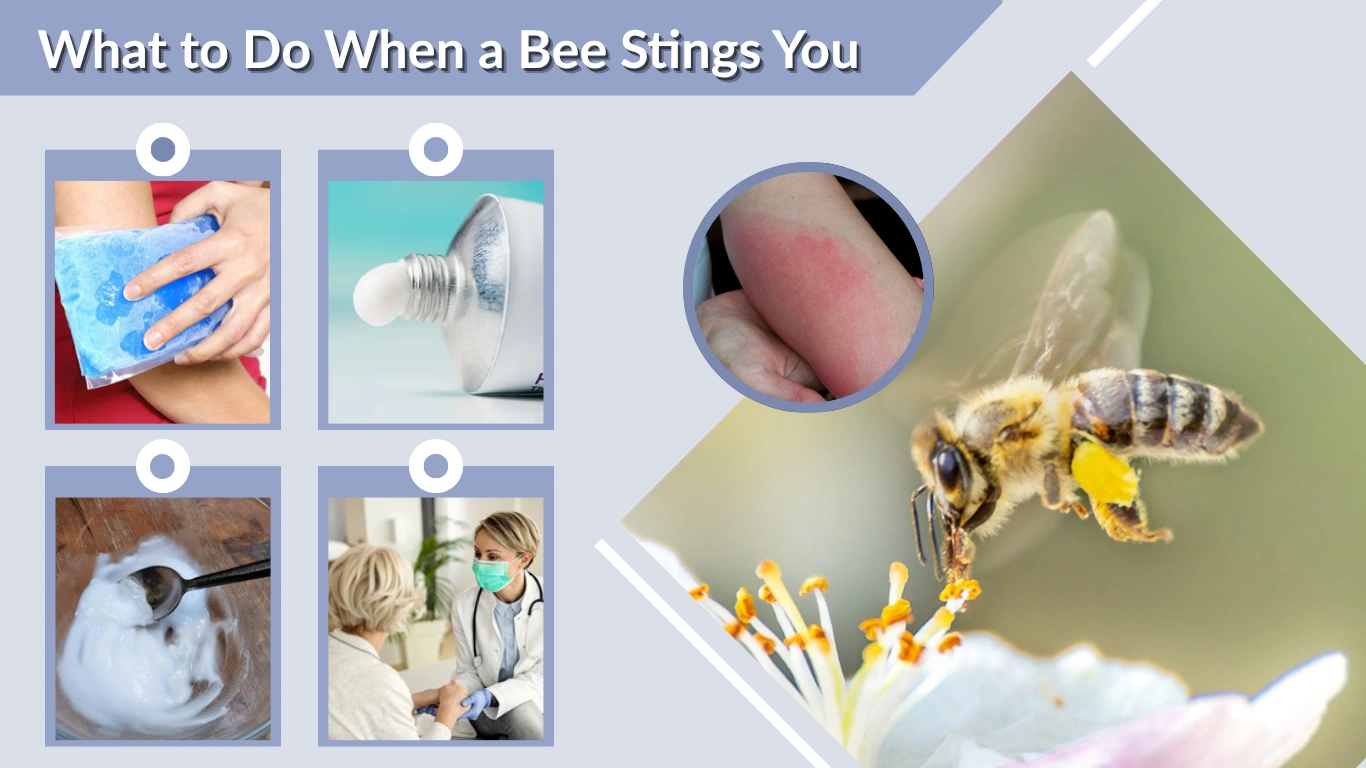
Bee stings can happen anytime — during a walk in the garden, while hiking, or even in your backyard. The sharp pain and quick swelling can be alarming, but knowing how to react immediately can prevent complications. Whether you’re stung by a honey bee, bumble bee, or wasp, proper treatment helps reduce pain, swelling, and allergic reactions. Here’s exactly what to do when a bee stings you.
What Happens When a Bee Stings You
When a bee stings, it injects venom through its stinger into your skin. The venom contains proteins that cause pain, redness, and swelling. It also triggers an immune response that can lead to itching or inflammation.
Honey bees are unique — they have a barbed stinger that stays lodged in the skin. When the bee flies away, the stinger tears from its body, causing the bee to die. Bumble bees and wasps, however, have smooth stingers and can sting multiple times without dying.
Understanding this process helps you act quickly to minimize the sting’s effects.
Immediate Steps to Take After a Bee Sting
1. Move Away from the Area
Bees release alarm pheromones when they sting. These chemicals alert other bees to attack. Move to a shaded or indoor area immediately to avoid multiple stings.
2. Stay Calm
Avoid flailing your arms or swatting at bees. Sudden movements can attract or provoke more stings. Instead, walk away slowly and calmly.
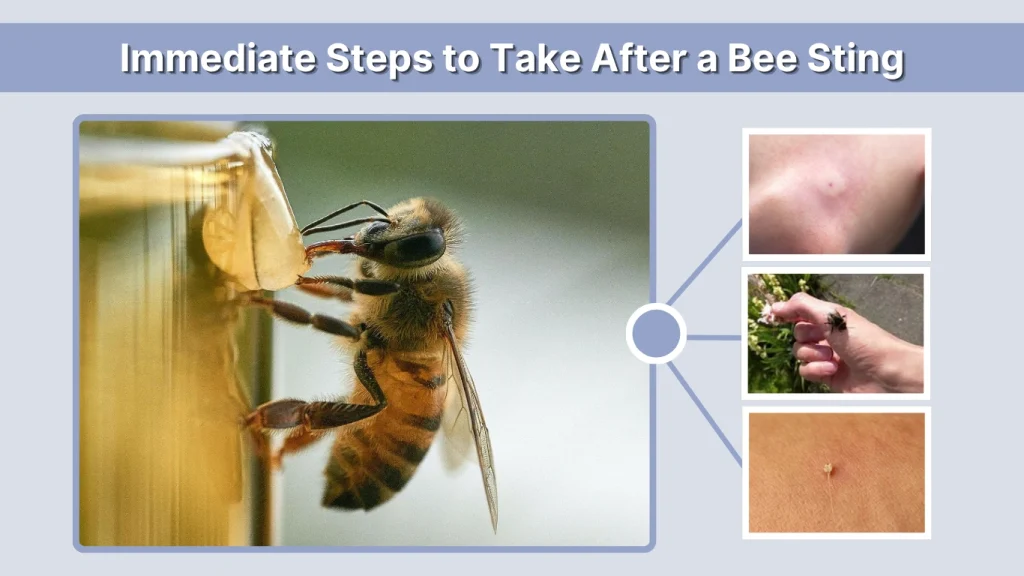
3. Remove the Stinger Quickly
If stung by a honey bee, check for a tiny black stinger in your skin. Use a credit card or fingernail to scrape it off gently. Avoid pinching it with tweezers, as this can squeeze more venom into your skin. The faster you remove it, the less venom enters your body.
Clean the Sting Site
After removing the stinger, wash the area with mild soap and cool water. Cleaning helps remove any remaining venom and reduces the risk of infection. Gently pat the area dry with a clean towel or tissue.
Avoid using alcohol or harsh antiseptics, which can irritate the skin further. Clean, cool water is sufficient for initial treatment.
Apply Cold Compress or Ice Pack
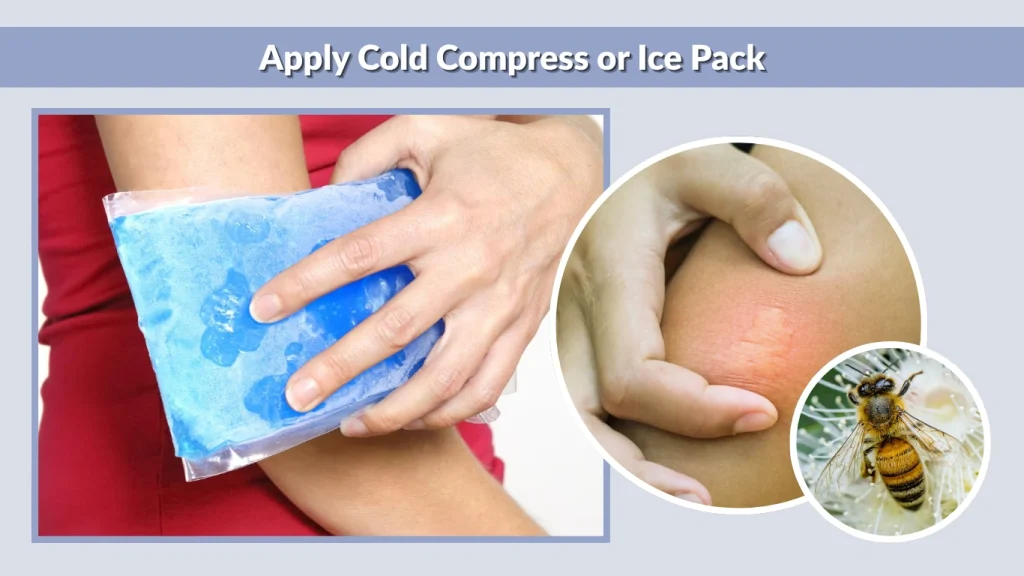
A cold compress is one of the most effective immediate treatments. Wrap a few ice cubes in a clean cloth and apply it to the sting for 10 to 15 minutes. This helps:
- Reduce pain
- Minimize swelling
- Slow the spread of venom
If swelling returns after a few hours, reapply the ice pack. Never apply ice directly to the skin, as it can cause frostbite or irritation.
Use Over-the-Counter Medications
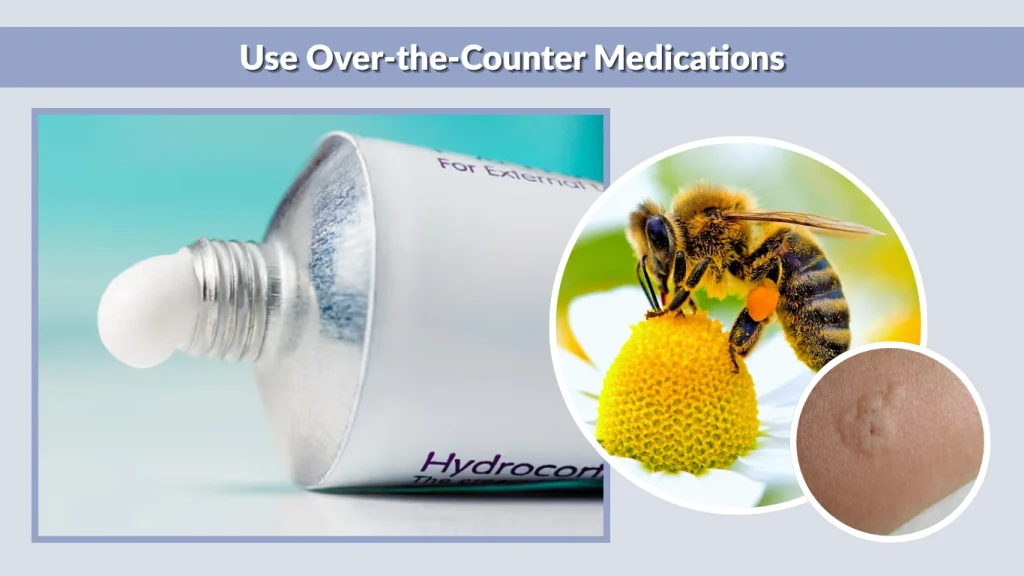
Several over-the-counter treatments can ease the discomfort from a bee sting:
- Hydrocortisone cream reduces redness and itching.
- Antihistamine lotions or pills (like cetirizine or diphenhydramine) help control swelling.
- Pain relievers such as ibuprofen or acetaminophen soothe lingering soreness.
If you’re treating a child, always follow age-appropriate dosage instructions and avoid strong topical products unless prescribed by a doctor.
Home Remedies for Bee Stings

If you prefer natural care, some home remedies can relieve pain and itching effectively:
- Baking Soda Paste: Mix baking soda with water to form a paste, then apply to the sting for 10 minutes. It helps neutralize the venom.
- Honey: A dab of honey has antibacterial and soothing properties that can calm irritation.
- Aloe Vera: The gel cools the skin and reduces inflammation.
- Apple Cider Vinegar: Soak a cotton ball in diluted vinegar and dab it gently on the sting to reduce pain and swelling.
Each remedy works differently, so choose what’s easily available and feels most soothing. Always wash the skin before reapplying any treatment.
What to Do When a Bee Stings Your Dog or Pet
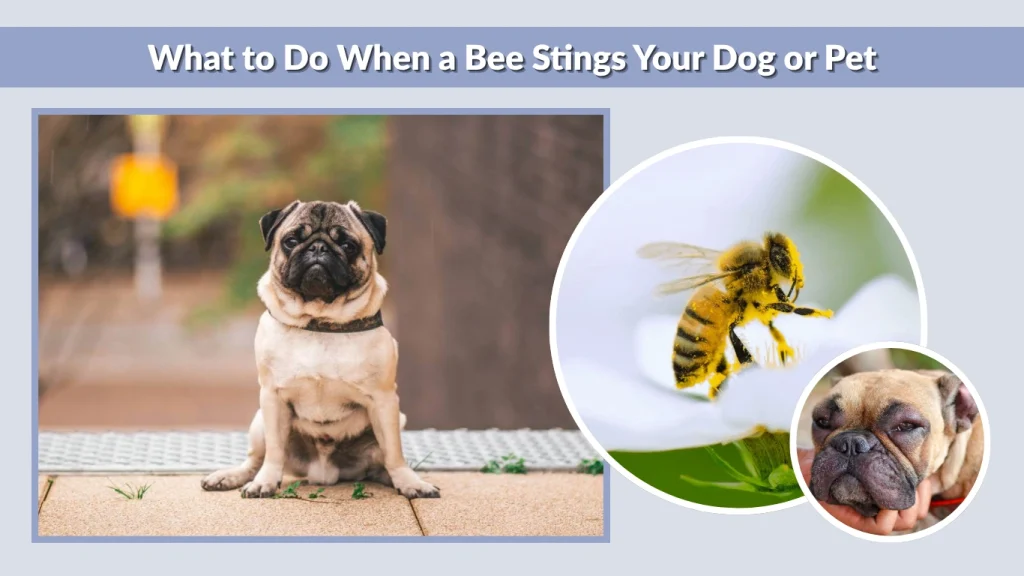
If your dog or pet gets stung, act fast but stay calm. Most stings happen on the nose, mouth, or paws, as curious animals try to sniff or paw at bees.
Steps to follow:
- Check for a visible stinger and remove it gently using a card or your fingernail.
- Apply a cold compress to minimize pain and swelling.
- Keep your pet calm and prevent them from scratching the area.
- Watch for allergic signs such as drooling, swelling around the face, vomiting, or difficulty breathing.
If these symptoms appear, contact a veterinarian immediately, as allergic reactions in pets can develop quickly.
When to Seek Medical Attention

Most bee stings are harmless and heal on their own. However, in some cases, the body can react severely to bee venom. Seek emergency medical help if you or someone else experiences:
- Swelling of the lips, throat, or face
- Difficulty breathing or swallowing
- Dizziness, fainting, or confusion
- Rapid heartbeat or drop in blood pressure
- Hives or extensive skin rash
These symptoms indicate anaphylaxis, a serious allergic reaction that can be life-threatening. People with bee sting allergies should always carry an EpiPen and use it immediately after being stung, followed by emergency care.
What to Do for Multiple Bee Stings

Multiple bee stings can inject a significant amount of venom, which can overwhelm the body, especially in children or the elderly.
Here’s what to do:
- Move indoors or to a safe area immediately.
- Remove all visible stingers quickly.
- Apply ice packs to reduce pain and swelling.
- Take oral antihistamines or pain relievers.
- Drink water to help flush toxins from the body.
If someone has received more than 10–15 stings, or shows signs of weakness, nausea, or confusion, seek medical help right away.
How to Reduce Swelling and Itching
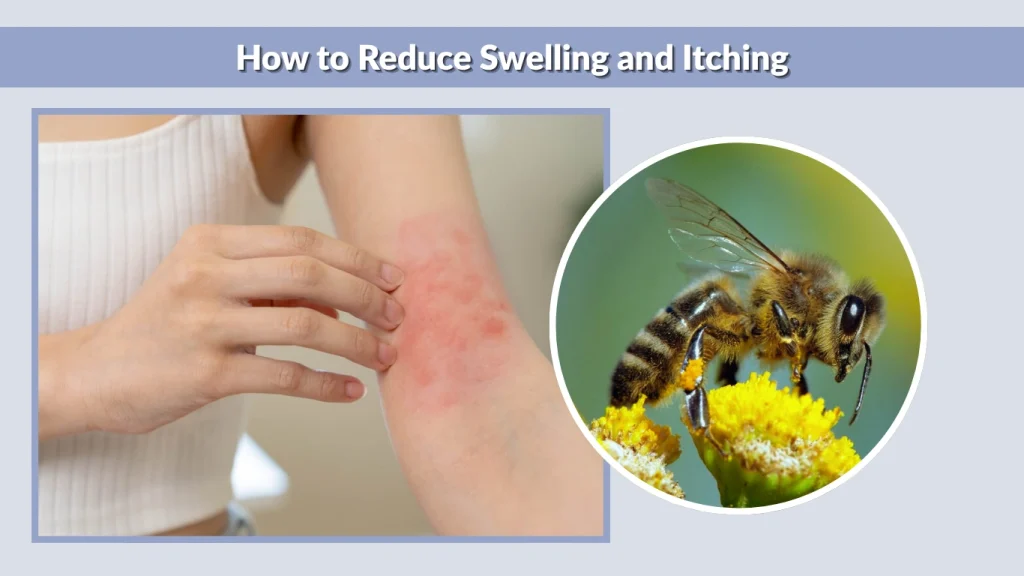
Swelling and itching are common reactions to bee stings. To manage them:
- Keep the affected area elevated if possible.
- Apply cold compresses several times a day.
- Use calamine lotion or aloe vera gel for soothing relief.
- Avoid scratching the area to prevent infection.
If swelling persists beyond two days or worsens, consult a doctor for further evaluation.
What to Expect During Recovery
Pain and redness from a bee sting usually fade within a few hours. Mild swelling can last one to two days, depending on the sting’s location and your sensitivity.
For most people:
- The wound heals completely within a few days.
- Itching and soreness gradually disappear.
- In rare cases, a small mark or bump may remain temporarily.
Proper aftercare prevents infection and ensures faster recovery.
Preventing Bee Stings in the Future
You can’t always avoid bees, but a few simple habits reduce your chances of being stung:
- Stay calm around bees; avoid swatting or waving your hands.
- Avoid strong perfumes or floral-scented lotions.
- Wear closed shoes and neutral-colored clothing outdoors.
- Keep food and drinks covered during picnics.
- Be cautious near flowering plants or bee hives.
Bees usually sting only when they feel threatened — giving them space is the best prevention.
FAQs
What should you do first when a bee stings you?
Move away from the area and remove the stinger immediately using a fingernail or credit card. This stops more venom from entering your skin and helps reduce swelling and pain.
What happens if a bee stings your dog?
Remove the stinger carefully, apply a cold compress, and watch for allergic signs like heavy swelling or difficulty breathing. If symptoms worsen, visit a veterinarian right away.
How long does swelling last after a bee sting?
Mild swelling typically lasts 24–48 hours. Larger reactions might persist for three days but usually subside with ice, antihistamines, or hydrocortisone cream.
What are the signs of an allergic reaction to a bee sting?
Severe swelling, dizziness, trouble breathing, and hives spreading across the body indicate an allergic reaction. Use an EpiPen if prescribed and seek emergency help immediately.
Can home remedies help bee stings?
Yes. Applying baking soda paste, honey, or aloe vera can soothe pain and reduce inflammation. However, for severe reactions or swelling, medical care is necessary.
