
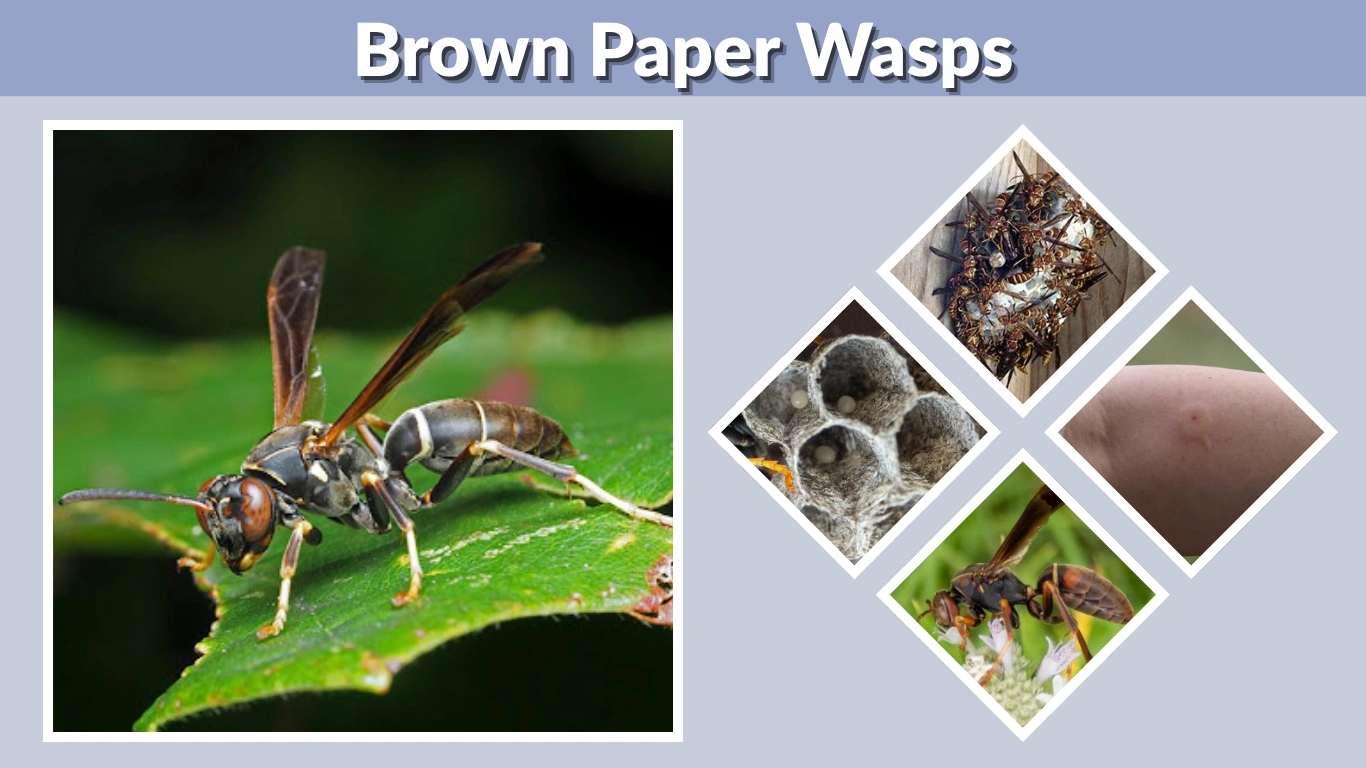
Brown paper wasps are a familiar sight in many regions, especially during warm months. These slender, long-legged insects are often found buzzing around eaves, porches, and gardens. Although they are sometimes feared for their sting, brown paper wasps also play an important ecological role. They help control pests and assist in pollination, making them both beneficial and potentially problematic depending on where they nest.
What Are Brown Paper Wasps?
Brown paper wasps belong to the Polistes genus, which includes several species of social wasps. They get their name from the papery material of their nests, which they create by chewing wood fibers mixed with saliva. Unlike aggressive wasp species, brown paper wasps are generally non-aggressive unless provoked or threatened.
These insects are often found in suburban and rural areas, where they build their nests under eaves, tree branches, or sheds. Their colonies are relatively small compared to hornets or yellow jackets, typically housing fewer than 200 individuals. Despite their intimidating appearance, they contribute positively to the environment by preying on caterpillars, flies, and other garden pests.
Identification of Brown Paper Wasps
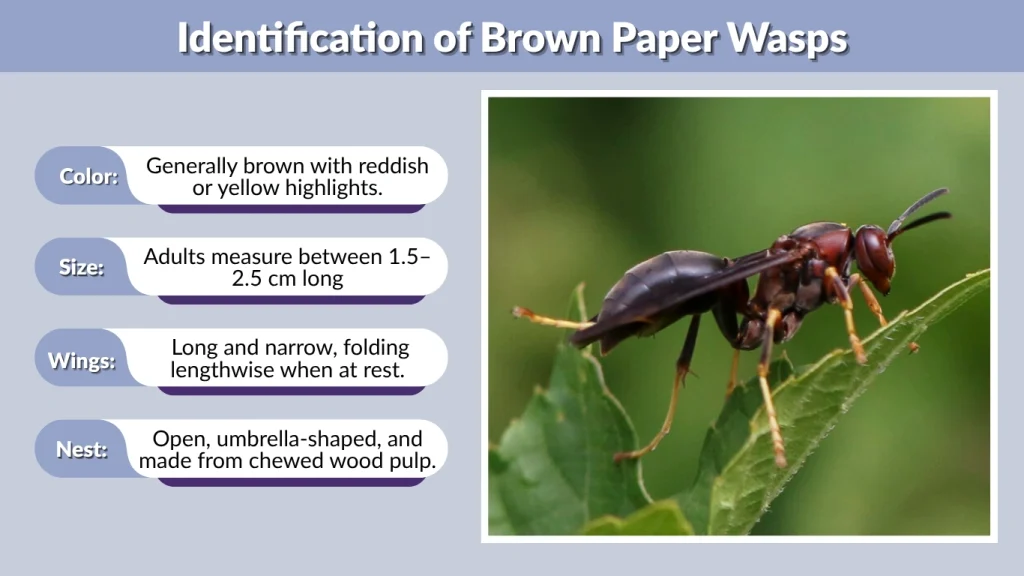
Recognizing a brown paper wasp is quite easy once you know their key features. They have slender bodies with narrow waists and long legs that hang below their body during flight. The coloration varies between shades of brown, reddish-brown, or dark brown, often with lighter yellow or reddish markings.
- Color: Generally brown with reddish or yellow highlights.
- Size: Adults measure between 1.5–2.5 cm long, though some regional variations can be slightly larger.
- Wings: Long and narrow, folding lengthwise when at rest.
- Nest: Open, umbrella-shaped, and made from chewed wood pulp.
- Behavior: Calm and slow-flying, often hovering near flowers or nests.
Their nests are distinctive — resembling a paper umbrella attached to a single stalk. Each hexagonal cell is used for developing larvae, and the nest expands as the colony grows. Observing such structures under ledges or roofs is often a clear sign of their presence.
Life Cycle of Brown Paper Wasps
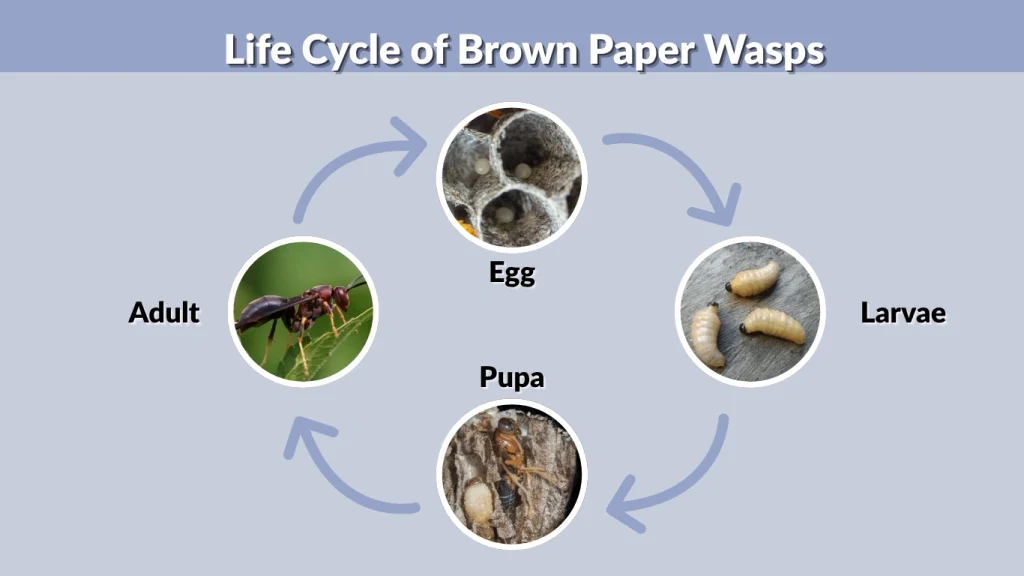
The brown paper wasp’s life cycle begins in early spring when the queen emerges from hibernation. After surviving the winter in sheltered areas like tree bark or wall crevices, she starts building a small nest and lays the first batch of eggs. These eggs hatch into larvae that she feeds with chewed-up insects.
Once these larvae mature, they become worker wasps that take over nest expansion and food collection duties. The queen then focuses on reproduction, laying more eggs throughout the summer. By late summer or early fall, the colony reaches its peak population.
When cooler weather arrives, the colony begins to decline. Males die off after mating, while fertilized queens seek shelter to overwinter and start new colonies the following spring. The old nests are abandoned and rarely reused.
Nesting Habits and Locations
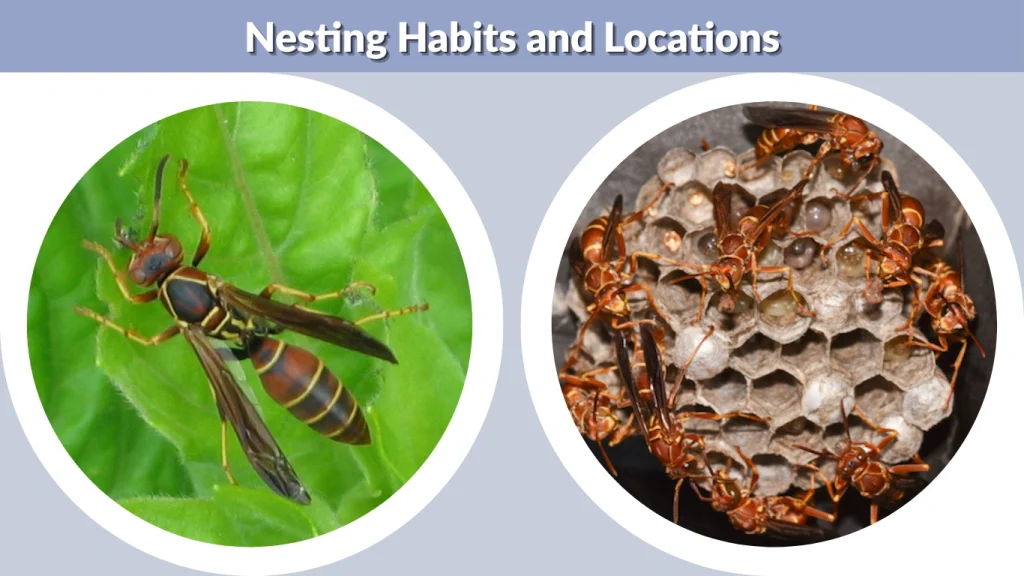
Brown paper wasps prefer to build their nests in areas that offer protection from rain and predators. Common nesting spots include under roof eaves, porch ceilings, tree branches, window frames, and even inside unused grills or mailboxes. Their nests are lightweight but sturdy, attached to surfaces using a small stalk known as a pedicel.
The wasps use chewed wood fibers mixed with saliva to create a paper-like texture. This gives the nest its characteristic brown color. During summer, you can often observe workers adding new cells and maintaining the nest structure.
An active nest will have adult wasps flying in and out frequently, while an abandoned nest appears empty, with no movement around it. Since brown paper wasps rarely reuse nests, removing an inactive one poses little risk if done cautiously.
Behavior and Aggression
Brown paper wasps are among the calmer social wasp species. They are primarily defensive rather than aggressive, meaning they will only sting when provoked or if they sense a threat to their nest. Disturbances like vibrations, loud noises, or attempts to remove the nest can trigger defensive behavior.
These wasps are territorial, and their stings serve as a warning rather than a random attack. If a person or animal gets too close to the nest, workers may issue alarm pheromones to alert others. A single sting is painful but rarely dangerous unless the individual is allergic to venom.
Despite their potential for stinging, brown paper wasps often coexist peacefully near homes and gardens if their nests are left undisturbed. Their presence also helps control pest populations naturally, reducing the need for chemical insecticides.
The Sting of a Brown Paper Wasp
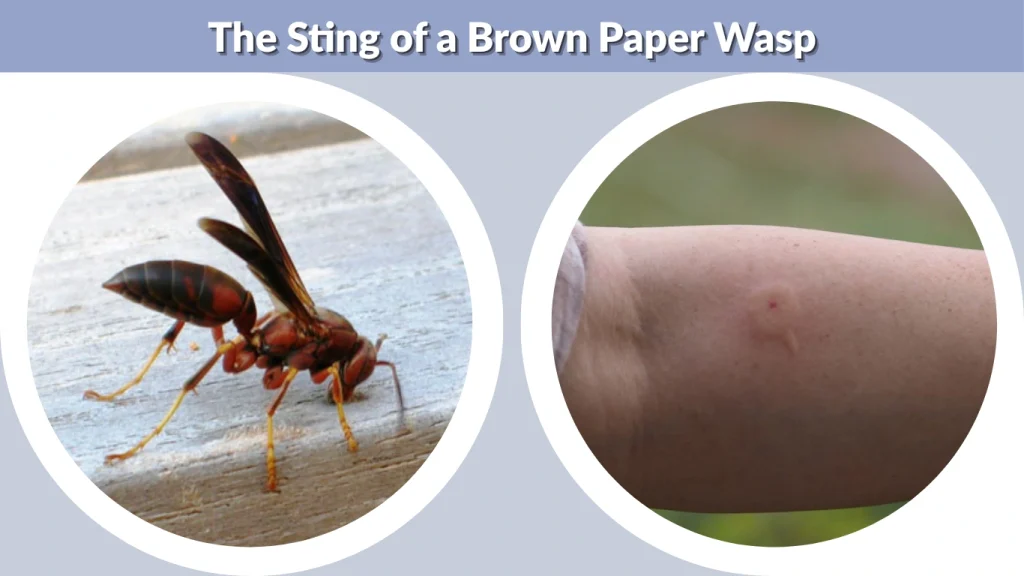
The sting of a brown paper wasp is sharp and immediate, often causing pain, redness, and mild swelling. Unlike honeybees, paper wasps do not lose their stinger after attacking, which means a single wasp can sting multiple times. The venom contains proteins that affect nerve endings and trigger an inflammatory reaction in the skin.
For most people, the discomfort lasts for a few hours to a day. However, individuals with allergies to wasp venom may experience more severe symptoms, such as swelling beyond the sting site, dizziness, or breathing difficulty. These cases require immediate medical attention.
First-Aid Tips for Stings:
- Wash the affected area with soap and cold water.
- Apply an ice pack to reduce pain and swelling.
- Use an over-the-counter antihistamine or hydrocortisone cream to relieve itching.
- Avoid scratching the sting area to prevent infection.
If swelling continues for more than 24 hours or if multiple stings occur, consulting a healthcare professional is strongly advised.
Brown Paper Wasp Species Overview

Brown paper wasps include several species, each with unique markings and distribution. While their behaviors are similar, identifying the specific type can be helpful for understanding regional variations.
Common Species
- Polistes fuscatus (Northern Paper Wasp): Found across North America, this species has dark brown and reddish tones with yellow facial markings.
- Polistes metricus: Slightly larger and darker, often found in southern U.S. states, recognized for its rich chestnut-brown body.
- Polistes bellicosus: Known for being more defensive; identified by a darker brown body and reddish hues on the thorax.
Regional Variations
- Australia: Brown paper wasps are more reddish and slightly larger due to warmer climates.
- South Africa: Local species adapt to dry environments, building nests under rocks and fences.
- Missouri and Southern U.S.: Populations thrive in humid regions, commonly nesting in gardens and roof corners.
Regardless of the region, all brown paper wasps share a similar nesting style, diet, and life cycle, emphasizing their adaptability to human environments.
Ecological Role and Benefits
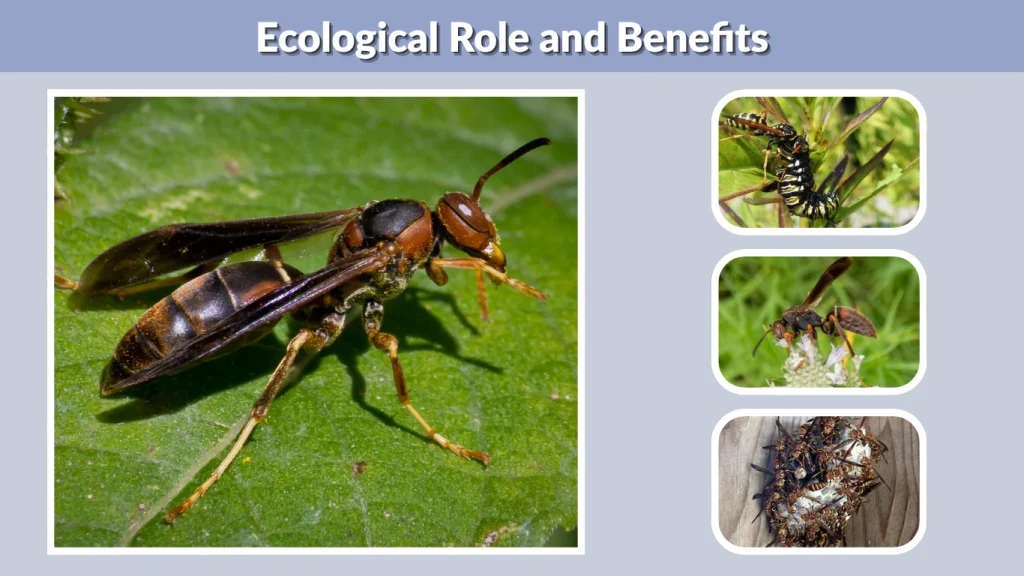
Though many people view brown paper wasps as a nuisance, they actually serve vital ecological purposes. Their presence in gardens contributes significantly to both pest control and pollination.
Natural Pest Control
Brown paper wasps are predatory insects that feed on caterpillars, beetle larvae, and flies. They chew up their prey to feed developing larvae inside the nest. This behavior helps reduce pest populations naturally, keeping your garden healthier without relying on chemicals.
Pollination Support
Adult wasps feed primarily on nectar and are frequent visitors to flowering plants. As they move between blooms, they help with pollination—though less efficiently than bees, they still play a supportive role in plant reproduction.
Ecosystem Balance
Wasps are part of a balanced ecosystem. Eliminating them entirely could lead to increased pest activity and reduced natural diversity in gardens and farmlands. Understanding their role helps homeowners make informed decisions about when to remove nests and when to let them be.
How to Manage Brown Paper Wasps Safely
While brown paper wasps offer ecological benefits, their nests near doorways or patios can create safety risks. Managing them safely requires timing, caution, and protective gear.
Early Nest Removal
Inspect your property in early spring when queens begin nest building. At this stage, nests are small and contain few individuals, making removal much easier and less risky. Use a long stick or broom to gently dislodge the nest during cool morning hours when wasps are sluggish.
Protective Measures
When removing larger nests, wear thick clothing, gloves, and a face shield. Approach the nest slowly and avoid quick movements. Commercial wasp sprays that shoot from a distance can help ensure safety.
Professional Pest Control
If the nest is large or located in a difficult area—like roof cavities or tree hollows—contact professional pest control services. Experts can safely eliminate the nest and apply deterrent treatments to prevent re-nesting in the same location.
Preventing Reinfestation
- Seal cracks and gaps in walls or eaves.
- Remove food waste and sugary drinks from outdoor spaces.
- Install fine mesh screens in vents and windows.
- Regularly inspect shaded areas during summer months.
Following these steps minimizes the chances of brown paper wasps returning to build new colonies around your home.
FAQs
What does a brown paper wasp look like?
Brown paper wasps are slender insects with a narrow waist and long legs that dangle during flight. Their color varies from dark brown to reddish-brown, often with lighter yellow markings. They have papery nests made from chewed wood fibers.
Are brown paper wasps aggressive?
They are typically non-aggressive unless their nest is disturbed. When threatened, they will defend their colony aggressively, so maintaining distance is the best way to avoid stings.
Where do brown paper wasps build their nests?
They build umbrella-shaped nests under eaves, decks, and tree branches. The nests are made from a mixture of chewed wood pulp and saliva, forming a paper-like texture that gives the species its name.
Do brown paper wasps bite or sting?
They sting rather than bite. Their sting is painful but usually not dangerous unless you are allergic. Applying ice and antihistamine cream can quickly relieve discomfort.
How can you get rid of brown paper wasps safely?
Remove small nests early in the season when colonies are small. Wear protective gear, use a long-reach spray, and remove nests at night or early morning. For larger infestations, contact pest control professionals for safe removal.
