

Grasshoppers are well-known for their strong hind legs and chirping sounds across fields and gardens. But one of the most common questions people ask is: do grasshoppers eat grass?
The answer is yes — grass is their primary food source. These herbivorous insects play a major role in grassland ecosystems, feeding on various species of wild and cultivated grasses. Their diet can reveal a lot about their survival habits, environment, and impact on nature.
Overview of Grasshopper Diet
Do Grasshoppers Eat Grass?
Grasshoppers are strict herbivores, meaning they feed entirely on plant material. Grass makes up the majority of their diet because it’s widely available, easy to digest, and packed with fiber and nutrients. Their strong, toothed jaws — called mandibles — are designed to slice through thick blades and stems with precision.
They don’t just eat one type of grass; grasshoppers adapt to whatever grows in their surroundings. From dry pasture grasses to lush lawn varieties, they consume almost any tender vegetation they find. In natural grasslands, this feeding helps keep plant growth in check and supports the balance of ecosystems.
Why Grass Is Essential in Their Diet
Grasshoppers depend on the nutrients found in fresh vegetation for their energy and muscle strength. The cellulose and moisture in green blades provide hydration and stamina, allowing them to jump long distances and fly effectively.
Grass also contributes to their reproductive cycle. Females need high energy intake to lay eggs, while nymphs (juveniles) rely on grass for rapid growth after hatching. In fact, a grasshopper’s digestive system is specifically evolved to extract energy from fibrous plants that many other insects can’t digest efficiently.
Types of Grass Grasshoppers Eat
Common Grasses
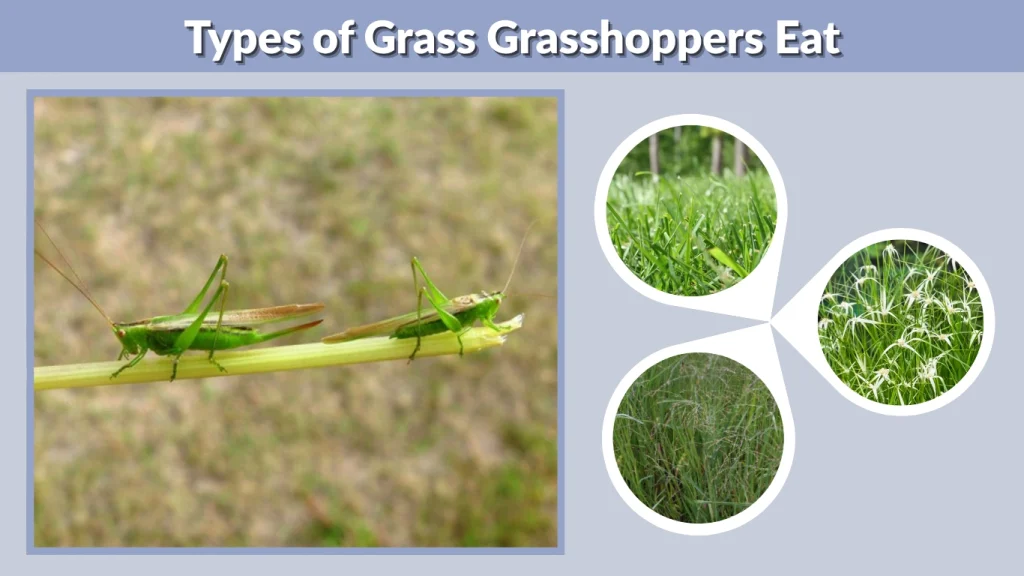
Grasshoppers consume a variety of grasses, both wild and cultivated. Their favorites include:
- Wild meadow grasses found in open fields and natural prairies.
- Lawn grasses such as fescue, ryegrass, and Kentucky bluegrass.
- Pasture grasses, which support large populations in farmlands.
- Young shoots and tender blades that contain more nutrients and moisture.
They prefer grass that is fresh and soft rather than mature or dry stalks. This is why they thrive during warm months when green vegetation is abundant.
Favorite Varieties
Some grasses are particularly appealing to grasshoppers due to their texture and sugar content:
- Bermuda Grass: One of their top choices, especially in southern U.S. lawns.
- Star Grass: Common in tropical areas, its soft blades are easy to chew.
- Wild Grass: Naturally growing in open spaces, serving as a main diet for wild populations.
- Prairie Grass: Found across North America, it supports grasshopper communities in dry regions.
These preferences can vary depending on geography, rainfall, and the species of grasshopper present in the region.
Do Different Species Eat Different Grasses?
Yes, not all grasshoppers eat the same types of grass. Each species adapts to the environment it inhabits.
- Green grasshoppers prefer moist, leafy vegetation and fresh meadows.
- Brown or black grasshoppers are more likely to eat coarse, sun-dried grass in arid regions.
- Tropical species often feed on tall, lush grasses like star or elephant grass.
Their feeding preferences change with climate, vegetation, and seasonal availability — a perfect example of natural adaptation.
Feeding Behavior and Patterns
How Grasshoppers Eat Grass
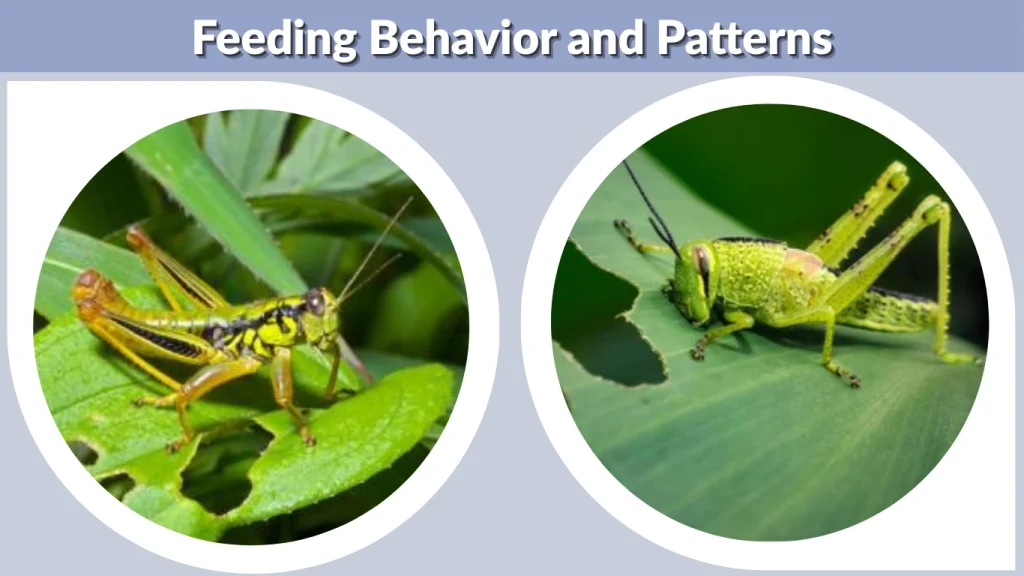
Grasshoppers use powerful mandibles to chew, not suck, their food. They usually start at the edge of a blade and work their way inward, consuming the entire leaf. Their jaws move side-to-side rather than up and down, allowing them to grind through tough fiber.
They feed throughout the day but are most active during morning and late afternoon, when the grass is moist and easier to chew. During peak feeding times, one grasshopper can eat its own body weight in vegetation daily — a small amount individually, but significant in large numbers.
Feeding Times and Conditions
Grasshoppers prefer warm, sunny days for feeding. They avoid extreme midday heat and conserve energy during cold mornings. In tropical regions, feeding continues almost year-round, while in temperate zones, they are most active in summer and early fall.
When food is scarce, grasshoppers will switch from grass to other plant types, including leaves, weeds, and crops. This flexibility helps them survive in changing environments.
Selective Feeding
Grasshoppers are not random eaters; they show strong feeding preferences.
- They target young, tender shoots that are rich in nutrients.
- They avoid plants with thick sap or strong odors.
- Nymphs (baby grasshoppers) eat smaller portions more frequently to sustain growth.
- Adults tend to consume larger amounts during breeding season.
Their selective feeding ensures they gain the maximum nutrition with minimal effort, an important trait for their survival and reproduction.
Do Grasshoppers Eat Grass Seed?
Seed Consumption
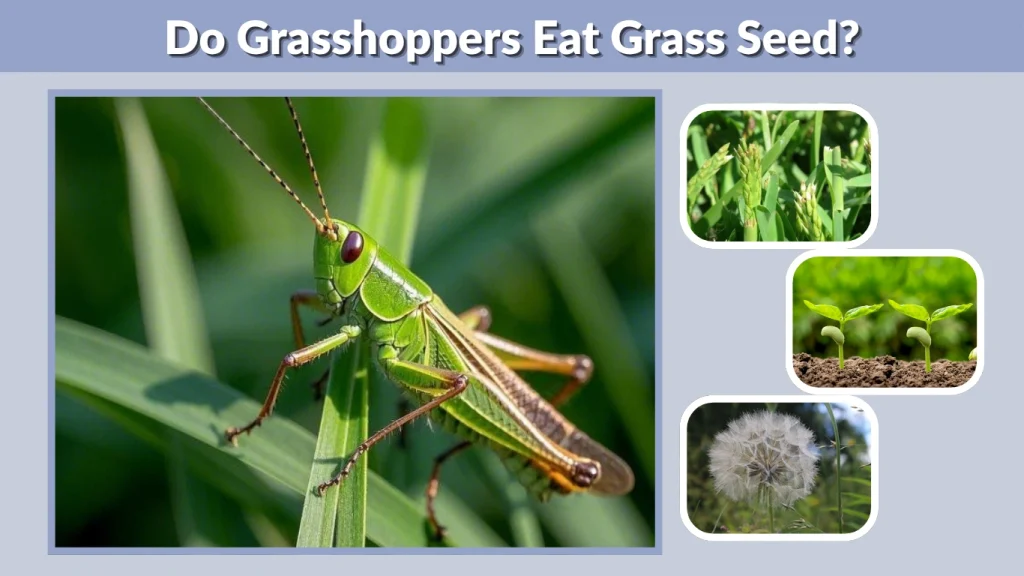
Grasshoppers mainly prefer green leaves and stems, but they will sometimes nibble on grass seeds or sprouting seedlings. Young, soft seeds are easier to chew, while mature, hardened ones are often ignored. During droughts or food shortages, grasshoppers may turn to seed heads when other vegetation becomes scarce.
However, seeds make up only a small part of their diet. The tough outer shell offers limited nutrition compared to the softer leaves and shoots they normally eat.
Impact on Lawns and Crops
When grasshoppers feed heavily on seedlings or germinating grass, they can cause visible damage. Lawns may develop bare patches, and newly seeded fields can struggle to regrow. Farmers sometimes notice reduced germination after infestations. Though individual grasshoppers cause minimal harm, large populations can quickly destroy tender grass and young plants.
To protect seeded areas, maintaining healthy soil and controlling weeds helps reduce their attraction to new growth.
Environmental Role of Grasshoppers
Positive Effects
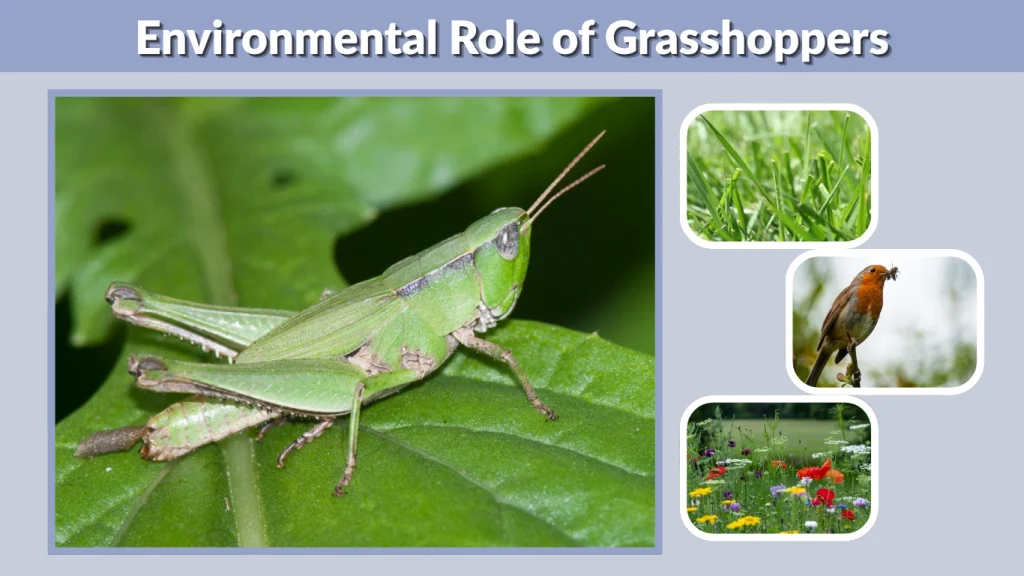
Despite their appetite for grass, grasshoppers serve important ecological purposes:
- Plant regulation: They prevent grasses from overgrowing and dominating ecosystems.
- Nutrient recycling: Their droppings enrich the soil with nitrogen and organic matter.
- Food source: Birds, reptiles, and small mammals rely on them for protein.
- Pollination assistance: Some species unintentionally help pollinate grasses and wildflowers while feeding.
By managing plant balance and feeding other creatures, grasshoppers act as a vital link in the natural food web.
Negative Effects
In large numbers, grasshoppers can cause serious ecological and agricultural damage. Overgrazing leads to soil erosion and loss of vegetation cover. During dry seasons, population explosions can devastate pastures and farmlands. These outbreaks are often linked to hot, dry conditions that favor egg survival.
While grasshoppers are normally solitary, overcrowding may trigger behavioral changes, transforming them into migratory “locust” forms capable of mass destruction.
Regional Diet Preferences
North America
In the U.S. and Canada, grasshoppers primarily feed on Bermuda, Buffalo, and Bluegrass. They thrive in open prairies, pastures, and suburban lawns. Warm, dry summers in states like Texas, Kansas, and Oklahoma can support millions of grasshoppers in a single season.
Africa and Asia
Tropical and savanna grasshoppers feed on coarse grasses like elephant grass and wild millet. In these regions, grasshoppers are also closely related to locust species, which can form enormous swarms that devastate crops across entire countries.
Tropical and Coastal Regions
In tropical areas such as Central America and the Caribbean, grasshoppers enjoy Star grass, sugarcane leaves, and moist coastal vegetation. Their populations stay active year-round due to the humid environment.
Desert and Dry Regions
Desert grasshoppers survive on dry, fibrous grasses and hardy weeds. Their digestive systems are adapted to extract moisture efficiently from tough, low-nutrient plants. These species often appear duller in color, helping them blend with sand and soil.
How Much Grass Do Grasshoppers Eat?
Daily Intake
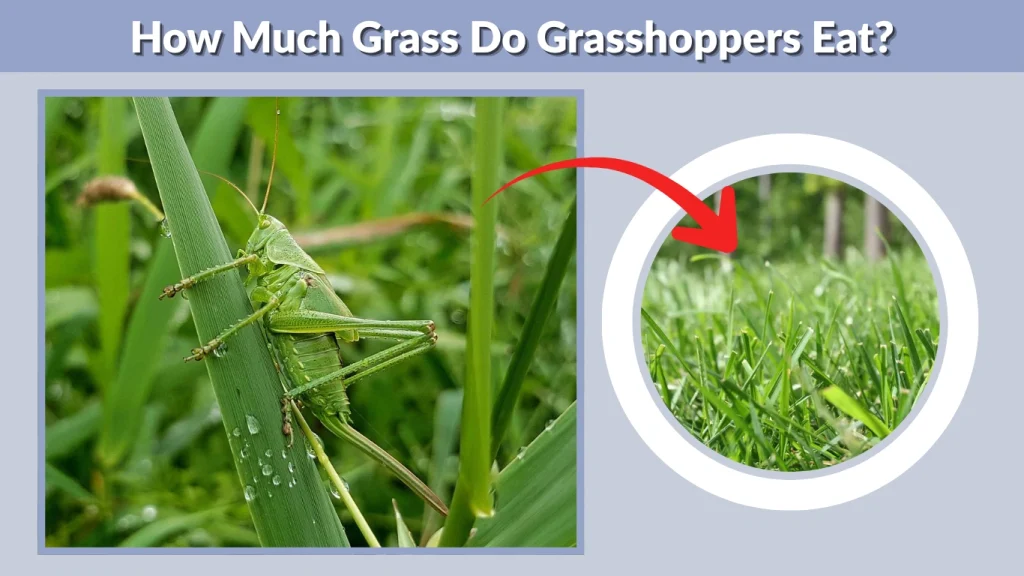
A single adult grasshopper can consume roughly its own body weight in grass each day — an impressive feat for its size. Nymphs eat less per meal but feed more often. In swarms, thousands of grasshoppers can strip fields of vegetation within hours.
Feeding Rate
Feeding intensity varies with weather. Hot, dry conditions make them hungrier as they seek moisture from plants. Rainy periods promote more vegetation, leading to population growth and sustained feeding.
When food runs out, grasshoppers can travel miles in search of greener areas, guided by wind currents and sunlight.
Comparison with Locusts
While locusts are essentially grasshoppers in their swarming phase, their collective feeding is far more destructive. A locust swarm can devour hundreds of tons of vegetation daily, while normal grasshopper populations remain localized. The difference lies in behavior — not appetite.
Protecting Grass and Lawns
Natural Control
Nature already provides several solutions to keep grasshopper numbers in check:
- Birds like sparrows and crows feed on both adults and nymphs.
- Frogs and lizards hunt them near ponds or gardens.
- Predatory insects such as robber flies and mantises reduce their population naturally.
Encouraging these natural predators helps maintain ecological balance without chemicals.
Preventive Measures
For homeowners and farmers, prevention is the best control method:
- Keep lawns trimmed — tall grass attracts egg-laying females.
- Remove weeds and debris that offer hiding spots.
- Use organic repellents like neem or garlic sprays.
- Avoid overwatering — moist environments attract feeding adults.
- Rotate crops to break the grasshopper breeding cycle.
A healthy, well-maintained landscape is far less appealing to hungry grasshoppers.
Interesting Facts About Grasshopper Feeding
- Grasshoppers have existed for over 250 million years, feeding primarily on grasses.
- They prefer young, green blades but can survive on dry grass if necessary.
- Their sense of taste is located in the mouthparts and antennae.
- They can detect chemical signals from plants to find nutritious options.
- Some species “sunbathe” after eating to aid digestion.
- Grasshoppers rarely waste food — they often eat continuously until full.
- Their feeding indirectly supports soil health by breaking down plant material.
FAQs
Do grasshoppers really eat grass?
Yes, grass is their main food source. They chew blades with strong mandibles and rely on vegetation for both nutrition and moisture. Grasshoppers may also eat leaves or crops when grass is scarce.
What kind of grass do grasshoppers eat?
They eat a wide range, including Bermuda, Bluegrass, and Star grass. In the wild, they feed on meadow and prairie grasses, adjusting their diet based on location and climate.
Do grasshoppers eat grass seeds?
Occasionally, yes — mostly soft, germinating seeds or tender sprouts. Mature, hardened seeds are too tough for them to digest effectively.
Do all species eat the same type of grass?
No. Green species prefer lush, moist vegetation, while brown or black species favor dry, coarse grasses. Habitat and season influence each grasshopper’s diet.
How much grass can one grasshopper eat in a day?
On average, one adult can consume its body weight in grass daily. In large populations, this feeding activity can quickly damage lawns, fields, and crops.
