

Earwig eggs are often misunderstood, leading to many myths about where earwigs lay them and whether they pose risks to people or homes. In reality, earwig eggs are harmless and rarely seen because they are typically hidden underground. Understanding their appearance, where they are laid, and how to manage them helps eliminate unnecessary fear and improves control in homes and gardens. This first section explains what earwig eggs look like, how earwigs reproduce, and the conditions needed for egg-laying.
What Are Earwig Eggs?
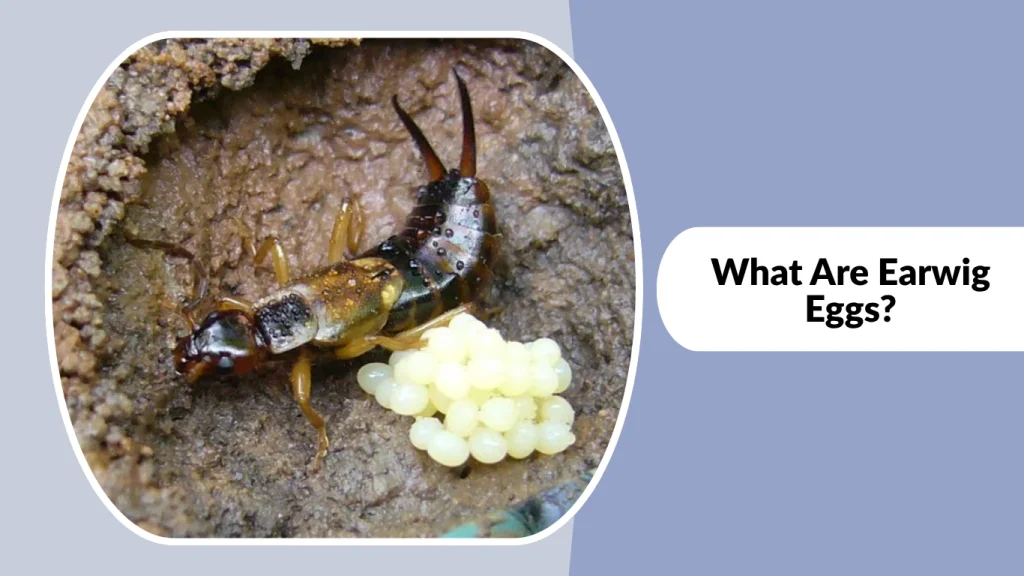
Earwig eggs are small, oval, and smooth with a pale appearance. They are usually laid in clusters and kept underground where they remain protected from predators and temperature changes. Most people never see them because earwigs prefer secluded, moist locations that naturally conceal egg sacs.
What Do Earwig Eggs Look Like?
Freshly laid earwig eggs are pearly white or cream-colored and resemble tiny grains of rice or very small seeds. As they develop, they may darken slightly but remain light in color. Their smooth, shiny surface helps them retain moisture in soil environments. Eggs are typically found in compact clusters of 20 to 80 and sometimes appear inside small burrows or nests created by female earwigs.
Common Misidentifications
Gardeners often confuse earwig eggs with other small objects. Fungus eggs, snail eggs, springtail eggs, and even perlite from potting soil are frequently mistaken for earwig eggs. Earwig droppings can also be misidentified but are usually darker, irregular in shape, and not clustered neatly. Recognizing these differences helps avoid unnecessary treatments.
Earwig Reproductive Behavior

Earwig reproduction follows a predictable seasonal pattern. Female earwigs care for their eggs, which is unusual for insects, and actively guard them until they hatch. This protective behavior keeps the eggs safe from predators and environmental hazards.
Do Earwigs Lay Eggs?
Yes. Female earwigs lay eggs once or twice per year depending on species and climate. Their parental involvement begins immediately after laying. They clean and rotate the eggs to prevent mold growth, ensuring higher survival rates. The nesting site is carefully chosen to maintain moisture and moderate temperature.
How Many Eggs Do Earwigs Lay?
A typical earwig clutch contains 20 to 80 eggs, though larger species may lay over 100. Many earwigs produce a second clutch later in the season, especially in mild climates. Population growth depends on the availability of moist soil and organic matter.
How Long Do Earwig Eggs Take to Hatch?
Eggs generally hatch within 20 to 70 days. Warmer temperatures speed up the process, while cooler soil slows development. After hatching, nymphs resemble miniature earwigs and remain with the mother briefly before beginning to feed on organic matter and occasionally tender plants.
Where Do Earwigs Lay Their Eggs?

Earwigs select hidden, humid locations that shield their eggs from threats. The chosen environment must stay cool and stable, which is why most eggs are laid outdoors rather than inside homes.
Outdoor Egg Sites
Female earwigs usually lay eggs in damp soil, mulch, compost piles, and natural debris like rotting logs or thick leaf litter. These areas provide both moisture and shelter. Cracks in soil, spaces beneath stones, and shaded garden beds are also common nesting places.
Indoor Egg-Laying (Rare)
It is uncommon for earwigs to lay eggs indoors because homes typically lack the constant moisture and soil structure needed for their nests. In rare cases, they may lay eggs in overwatered houseplants, damp basements, or laundry rooms with persistent humidity. These situations occur only when conditions closely mimic outdoor nesting environments.
Myths and Fears About Earwig Eggs
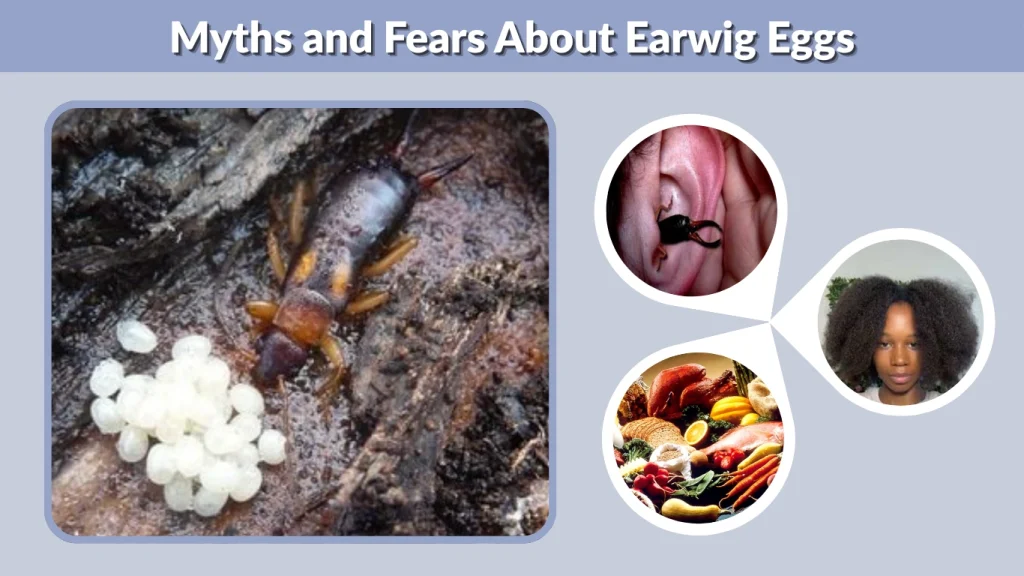
Earwig eggs often cause concern because of long-standing myths about earwigs crawling into human ears. These stories have been repeated for centuries, but there is no scientific evidence that earwigs lay eggs in people, food, or indoor spaces. Their reproductive biology simply does not support these ideas.
Do Earwigs Lay Eggs in Ears?
Despite the name “earwig,” these insects do not seek out human ears, nor can they survive inside them. Their eggs require soil, humidity, and protection—conditions that the human body cannot provide. The myth began in old European folklore and has no scientific basis.
Can Earwigs Lay Eggs in Hair, Brains, or Skin?
This is biologically impossible. Earwigs cannot burrow into human tissue or survive on human bodies. Their reproductive system requires moist soil and organic matter. These myths persist largely because earwigs are active at night and occasionally enter homes, leading to sensational myths.
Do Earwigs Lay Eggs in Food?
Earwigs do not infest dry food, packaged food, or stored goods. Their diet consists of decaying vegetation, small insects, and tender plant materials. They may wander across countertops, but they do not lay eggs on food surfaces or in storage containers.
DoEarwigs Harm Monarch Eggs?
Earwigs may eat monarch eggs if they encounter them on milkweed plants. They are opportunistic feeders, and young monarch eggs are soft, making them vulnerable. Gardeners who raise monarchs often protect milkweed by reducing moisture, elevating pots, or using protective covers during nighttime peak activity.
Earwig Eggs and Gardens

Earwig eggs sometimes appear in gardening discussions because earwigs are both beneficial and harmful depending on their numbers. Understanding where eggs form helps reduce unwanted populations.
Earwig Eggs in Soil
Soil is the most common nesting site. Eggs are usually hidden a few millimeters beneath the surface, especially in shaded beds or heavily mulched areas. The eggs themselves do not harm plants, but once hatched, young nymphs may feed on tender seedlings.
Earwig Eggs on Plants
Earwigs do not lay eggs on plant leaves, stems, or flowers. If you see eggs on plant surfaces, they likely belong to other insects such as slugs, lacewings, or moths. Earwig eggs require underground protection, so surface-laid eggs are always from different species.
Do Earwig Eggs Kill Plants?
Earwig eggs do not damage plants. The nymphs, however, may nibble on soft leaves after hatching. Control strategies focus on reducing moisture and managing mulch layers to discourage nesting.
How to Get Rid of Earwig Eggs
Successfully removing earwig eggs begins with addressing environmental conditions. Eggs survive best in moist, undisturbed locations, so modifying these areas is the first step.
Removing Egg Sites Outdoors
Loosening soil, thinning mulch, and drying out shaded areas will disrupt nests. Tilling lightly around garden borders can expose eggs to predators and sunlight, reducing survival rates.
Methods to Kill Earwig Eggs
Diatomaceous earth creates a drying barrier that kills both nymphs and adults. Boric acid can be used around foundations but should not be applied directly to garden beds. Beneficial nematodes help reduce larvae stages in soil. Insecticidal soap can disrupt eggs when sprayed into soil cracks.
Preventing New Egg-Laying
Maintaining drier conditions, sealing entry points around your home, pruning dense shrubbery, and removing debris all discourage earwig nesting. Proper garden hygiene is the most reliable long-term prevention strategy.
FAQs
1. What do earwig eggs look like?
Earwig eggs are small, oval, and smooth with a pearly white to cream color. They resemble tiny grains of rice and are usually found in clusters beneath soil, mulch, or natural debris. Their protected placement makes them difficult to spot unless soil is disturbed during gardening or cleanup activities.
2. Where do earwigs lay their eggs?
Earwigs lay their eggs in moist, sheltered areas such as loose soil, mulch layers, compost piles, and shaded garden beds. These locations provide consistent humidity and protection. They rarely lay eggs indoors, except in very damp environments like overwatered potted plants or wet basements.
3. How long does it take earwig eggs to hatch?
Earwig eggs typically hatch within 20 to 70 days depending on temperature and humidity. Warmer soil causes faster development, while cooler soil slows the process. After hatching, nymphs remain briefly with the mother before beginning to feed on organic material and tender plant tissue.
4. Can earwigs lay eggs in your ears or on your body?
No. Earwigs cannot lay eggs in human ears, hair, skin, or brains. These myths have persisted due to folklore rather than biology. Earwigs require specific environmental conditions—moist soil, darkness, and stable temperatures—that the human body cannot provide.
5. How can I get rid of earwig eggs in my garden?
Start by reducing moisture and removing hiding places such as thick mulch, boards, and leaf piles. Lightly turning the soil can expose eggs to sun and predators. Diatomaceous earth and beneficial nematodes are effective treatments for reducing eggs and early-stage nymphs in garden soil.
