
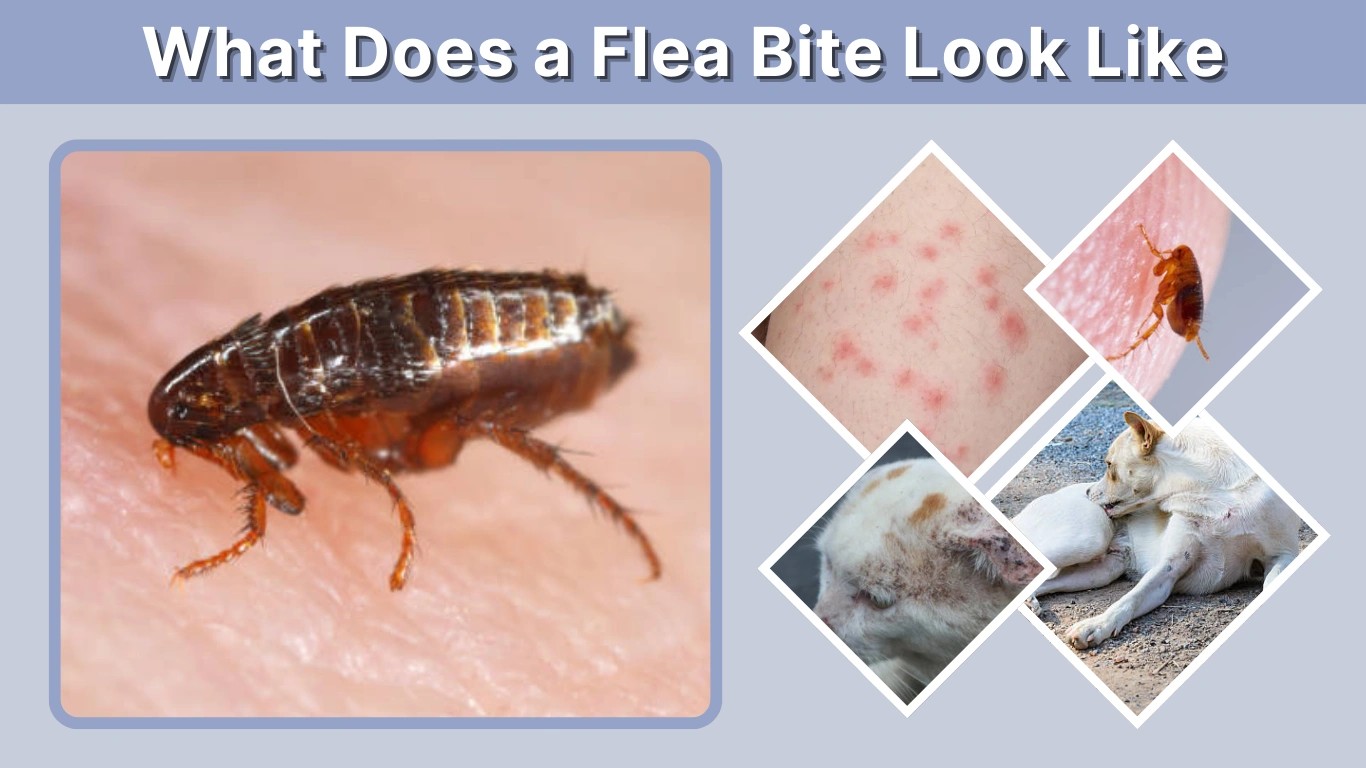
Flea bites are small, itchy, and often mistaken for other insect bites or skin rashes. Because fleas are tiny and quick, many people never see the insect itself and only notice the bite marks afterward. Correctly identifying flea bites is important, as they often signal an active flea infestation in your home or on your pets. This article explains what flea bites look like on humans, dogs, cats, and children, how they feel, and how to tell them apart from other common bug bites.
What Is a Flea Bite?
A flea bite occurs when a flea pierces the skin to feed on blood. Fleas inject saliva into the skin during feeding, which contains anticoagulants that prevent blood from clotting. This saliva is what causes the itching, redness, and irritation associated with flea bites.
Reactions to flea bites vary from person to person and animal to animal. Some individuals develop only mild irritation, while others experience intense itching or allergic reactions. Pets with flea allergy dermatitis may show severe symptoms even from a small number of bites.
What Does a Flea Bite Look Like on Humans
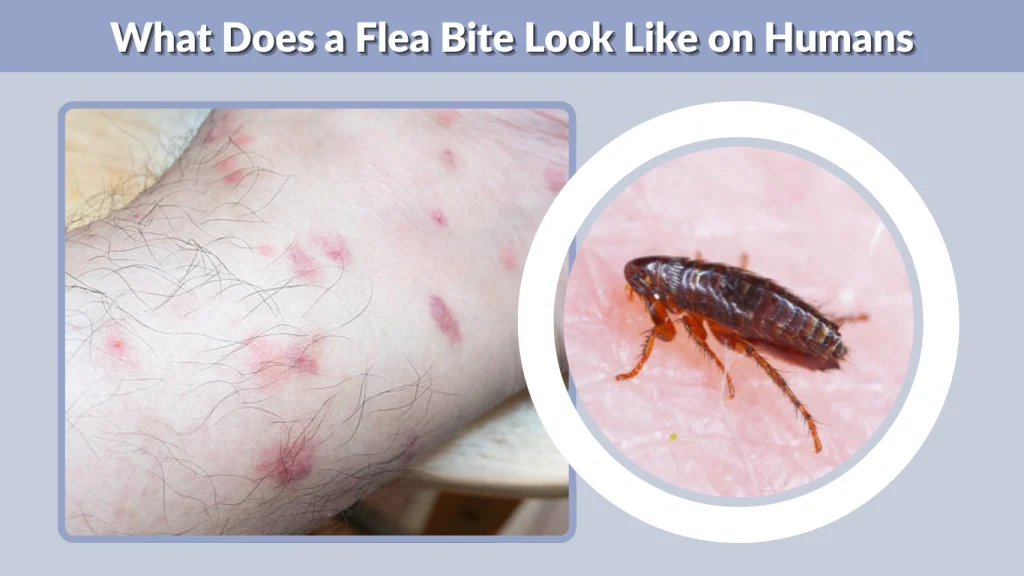
Flea bites on humans have a fairly distinct appearance, though they can still be confused with bed bug or mosquito bites.
Typical Appearance of Flea Bites
Flea bites usually appear as small, raised red or pink bumps. Many have a darker red center or a tiny puncture mark where the flea bit the skin. Unlike mosquito bites, flea bites tend to stay relatively small rather than swelling into large welts.
They often appear in clusters or small groups rather than as single, isolated bites. Some people notice a line or zigzag pattern, which happens when a flea bites multiple times while moving across the skin.
Common Places Flea Bites Appear
On humans, flea bites most commonly appear on the lower body. Ankles, feet, and lower legs are the most frequent locations because fleas live close to the ground and jump upward. Flea bites can also appear around the waistline, behind the knees, or in skin folds where clothing fits tightly.
Fleas rarely bite the face or upper torso unless a person is lying on an infested surface such as a carpet, couch, or bed.
What Flea Bites Look Like on Different Skin Tones
Flea bites can look different depending on skin tone. On lighter skin, bites often appear bright red or pink with visible inflammation. On darker skin tones, flea bites may appear darker brown, purple, or slightly raised without strong redness. Swelling and texture changes are often more noticeable than color alone.
What Does a Flea Bite Feel Like?
Flea bites usually cause immediate itching or a sharp, prickly sensation at the time of the bite. In some cases, itching becomes more intense several hours later as the body reacts to flea saliva.
Scratching flea bites can worsen inflammation and increase the risk of infection. Repeated scratching may cause the bite to become scabbed, swollen, or painful. For people with flea bite allergies, itching may be severe and accompanied by hives or rash-like reactions.
What Do Flea Bites Look Like on Pets
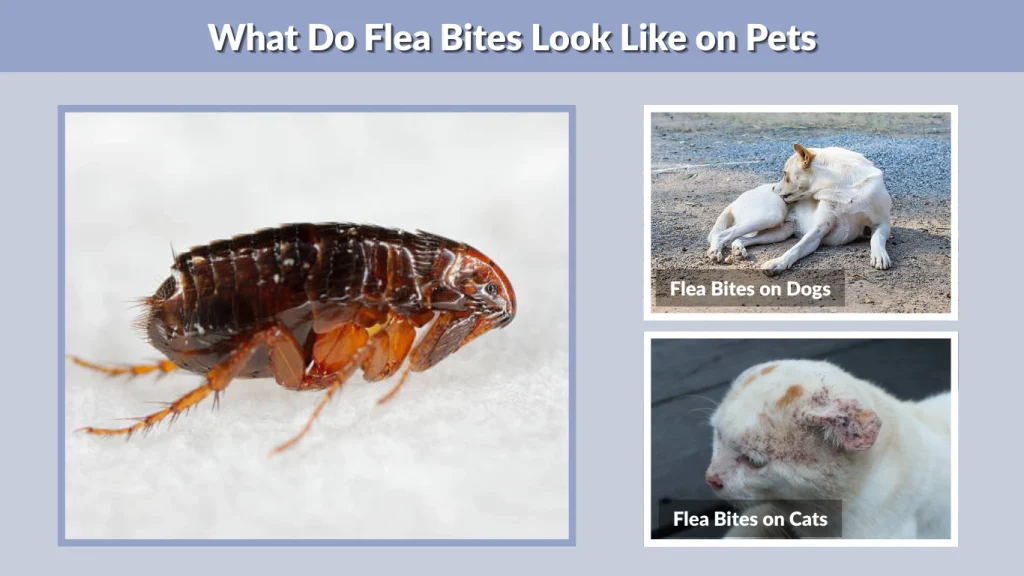
Pets are the primary hosts for fleas, and their symptoms often appear before humans notice bites on themselves.
Flea Bites on Dogs
On dogs, flea bites are often harder to see because of fur. Instead of visible bumps, signs usually include excessive scratching, chewing, or licking. Red, irritated skin may be visible around the belly, groin, tail base, and inner thighs.
Some dogs develop flea allergy dermatitis, which causes hair loss, thickened skin, scabs, and intense itching even with minimal flea exposure.
Flea Bites on Cats
Cats tend to groom themselves frequently, which can make flea bites less obvious. Small scabs, especially around the neck, head, and along the back, are common signs. Excessive grooming, hair thinning, and skin irritation often indicate flea bites even when fleas are not easily seen.
What Do Flea Bites Look Like on Babies and Children
Children and babies may react more strongly to flea bites than adults. Bites often appear as small red bumps that may swell more noticeably. Common bite locations include legs, ankles, arms, and areas where clothing fits snugly.
Because children scratch more frequently, flea bites may become irritated or infected more easily. Monitoring bites and keeping them clean is especially important for young children.
What Does a Cluster of Flea Bites Look Like?
Flea bites commonly appear in clusters rather than as single bites. A cluster may look like several small red bumps grouped closely together or arranged in a line. This pattern occurs because fleas bite repeatedly as they move across the skin.
Clusters of flea bites are often mistaken for bed bug bites, but flea bites tend to be smaller and concentrated on the lower body.
What Does a Flea Bite Rash Look Like?
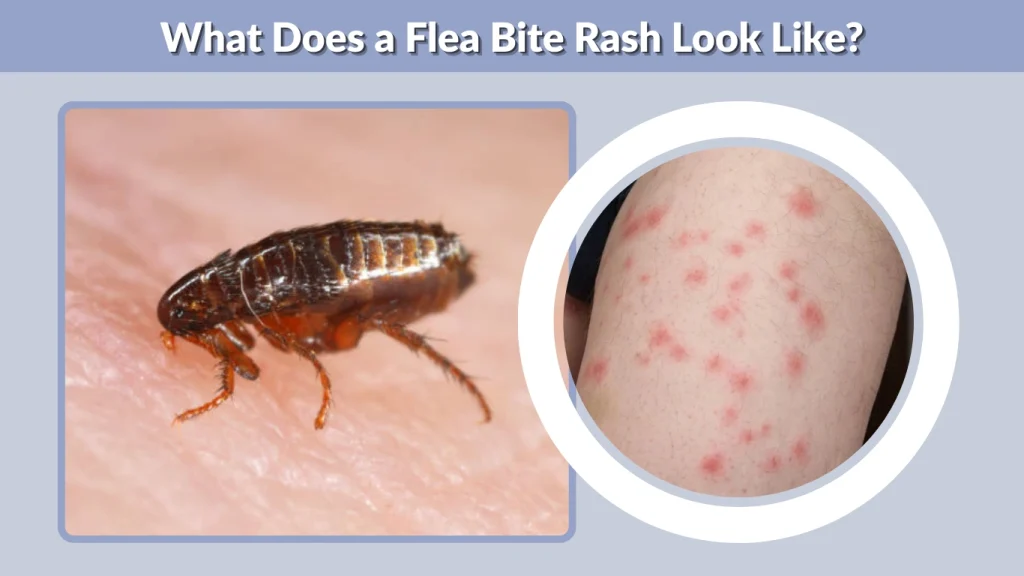
A flea bite rash develops when the body reacts more strongly to flea saliva. Instead of isolated bumps, the skin may appear red, inflamed, and irritated over a larger area. The rash can look blotchy or patchy and may feel warm or tender to the touch.
People with sensitive skin or allergies are more likely to develop a rash from flea bites. The rash often forms after repeated bites and excessive scratching. While a flea bite rash is usually harmless, persistent redness, swelling, or spreading irritation may require medical attention.
What Does an Infected Flea Bite Look Like?
An infected flea bite occurs when bacteria enter the skin, often due to scratching. Signs of infection include increased redness, swelling, warmth, and pain around the bite. The area may produce pus, develop yellow or brown crusting, or feel firm and sore.
In some cases, red streaks extending from the bite or fever may occur, which requires prompt medical evaluation. Keeping flea bites clean and avoiding scratching greatly reduces the risk of infection.
Flea Bites vs Other Bug Bites
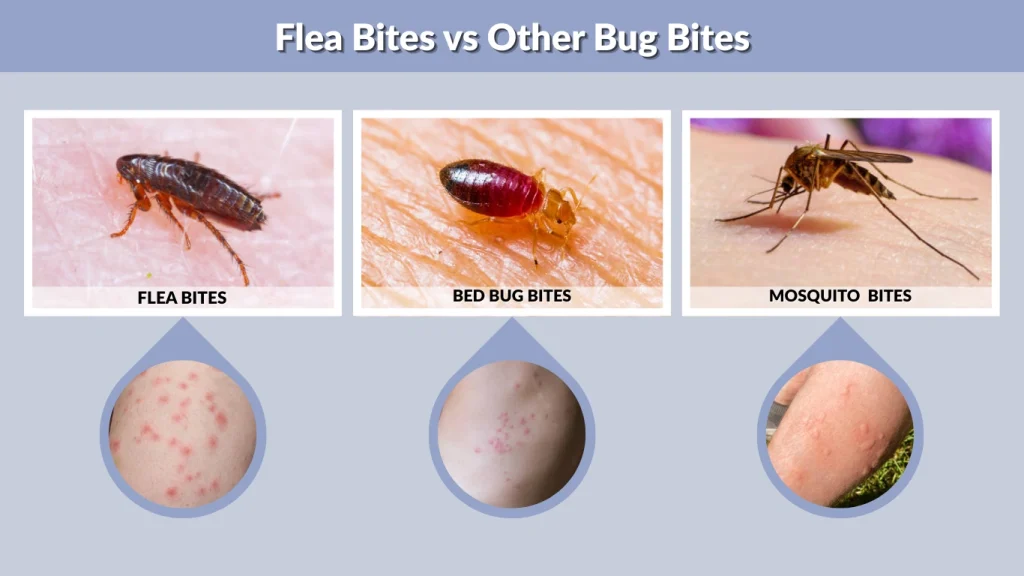
Flea bites are frequently confused with other insect bites, especially when the source of irritation is unknown.
Flea Bites vs Bed Bug Bites
Flea bites are typically smaller and appear on the lower body, such as ankles and legs. They often form tight clusters or short lines. Bed bug bites are usually larger, flatter, and commonly appear on the upper body, arms, neck, and face after sleeping.
Flea Bites vs Mosquito or Tick Bites
Mosquito bites tend to form larger, raised welts and usually occur as isolated bites. Tick bites are often painless initially and may leave a single red mark or bullseye pattern. Flea bites remain small, itchy, and clustered, making location and pattern key identifiers.
What Does a Sand Flea or Jigger Flea Bite Look Like?
Sand flea bites differ significantly from common household flea bites. Instead of small bumps, sand flea or jigger flea bites may cause swelling with a visible white or dark center where the flea embeds itself under the skin.
These bites are more common in tropical or coastal regions and can become painful or infected if untreated. Medical care is often recommended for embedded sand flea bites, especially if swelling worsens.
How Long Do Flea Bites Last?
Most flea bites heal within a few days to one week. Mild bites may stop itching within 24 to 48 hours, while more irritated bites can take longer to fully fade.
Scratching, secondary infection, or allergic reactions can prolong healing time and may result in temporary discoloration or scarring. Applying anti-itch treatments and keeping bites clean helps speed recovery.
When Flea Bites Indicate an Infestation
Occasional flea bites can occur from brief exposure, but repeated bites usually indicate an infestation. If multiple household members or pets are being bitten, fleas are likely present in carpets, furniture, or pet bedding.
Pets scratching excessively, visible flea dirt, or seeing fleas jumping are strong signs that flea control measures should begin immediately. Treating flea bites alone without addressing the infestation will not stop new bites from occurring.
FAQs
What does a flea bite look like compared to a bed bug bite?
Flea bites are smaller, itchier, and usually appear on ankles and lower legs in clusters. Bed bug bites are often larger, flatter, and found on the upper body after sleeping.
Can flea bites appear as a rash?
Yes. Repeated flea bites or allergic reactions can cause a rash-like appearance with widespread redness and irritation rather than isolated bumps.
Do flea bites look different on dogs and humans?
Yes. On humans, flea bites appear as small red bumps. On pets, bites are harder to see and often show as scratching, scabs, hair loss, or skin inflammation.
Why do fleas bite so badly?
Flea saliva triggers an immune response that causes inflammation and itching. Some people and animals are more sensitive to flea saliva than others.
When should you see a doctor for flea bites?
Medical attention is recommended if bites become infected, extremely swollen, painful, or if symptoms such as fever or spreading redness occur.
