

Small and tiny butterflies may be easy to miss, but they are among the most fascinating and diverse insects in nature. Found in gardens, grasslands, forests, and open fields, these miniature butterflies display delicate colors, fine patterns, and unique behaviors. Despite their size, they play an important role in pollination and ecosystem balance, making them an essential part of biodiversity around the world.
1. Common Blue Butterfly
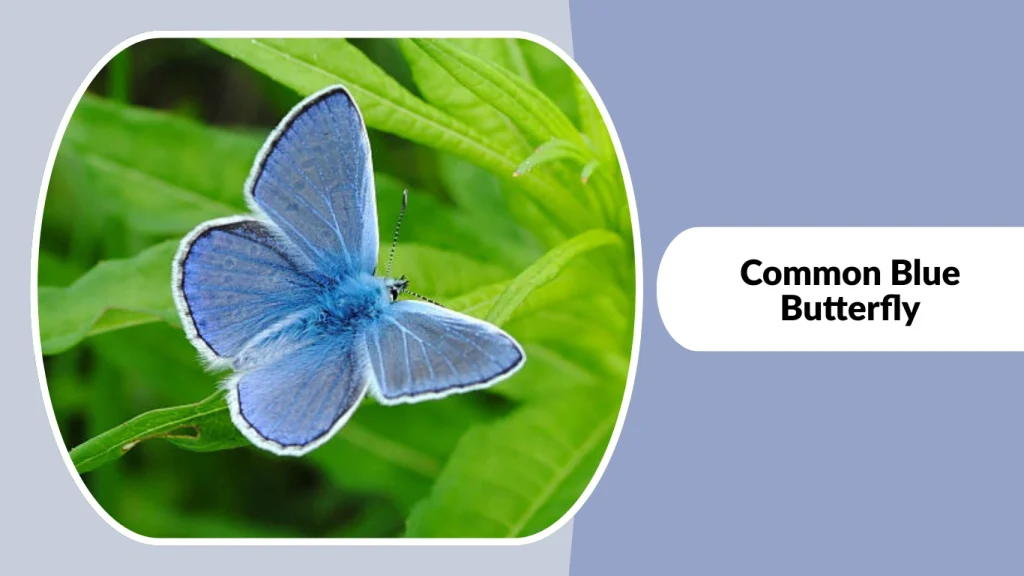
The Common Blue is a small and delicate butterfly widely admired for its subtle beauty and widespread presence. Despite its tiny size, it is one of the most recognizable small butterflies, often seen fluttering close to the ground in sunny open areas.
Identification
- Small butterfly with compact body
- Males show bright blue upper wings
- Females are mostly brown with orange spots
- Wingspan usually ranges from 2.5–3.5 cm
Color Pattern
Males have vivid blue upper wings edged with a thin black border, while females display brown wings with orange marginal spots. The underside of both sexes is light gray or beige with black spots and orange markings.
Habitat
Common Blue butterflies inhabit grasslands, meadows, roadside verges, coastal areas, and open countryside. They prefer sunny locations with low-growing plants and grasses that support their life cycle.
Behaviors
This species has a low, fluttering flight and often rests with wings closed while basking in sunlight. It frequently feeds on nectar from small wildflowers and is most active during warm, calm weather.
2. Eastern Tailed Blue Butterfly
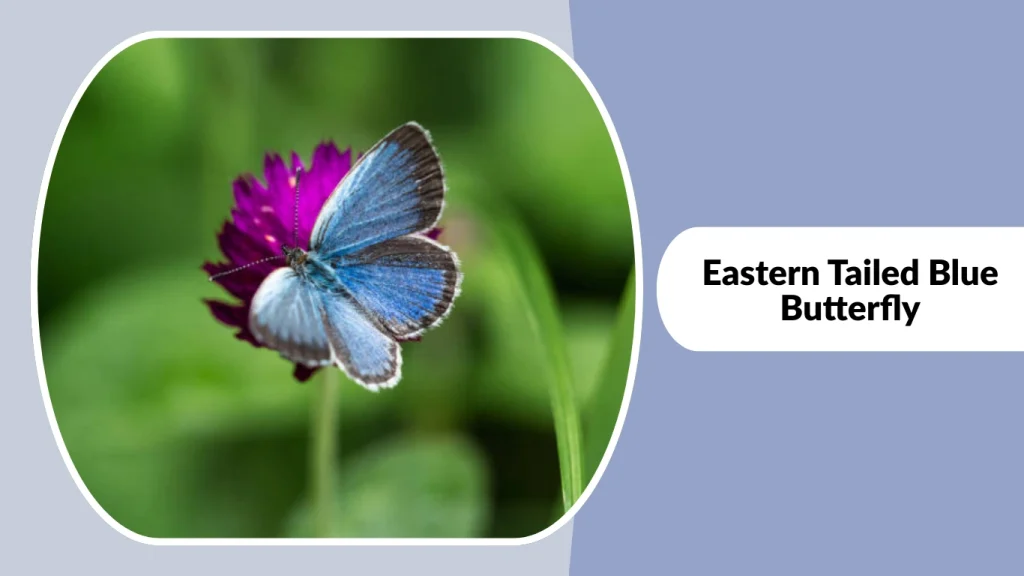
The Eastern Tailed Blue is a tiny, fast-moving butterfly known for its delicate tails and subtle blue tones. It is one of the smallest butterflies in many regions and is often seen fluttering close to the ground.
Identification
- Very small butterfly with slender body
- Fine tail-like extensions on hindwings
- Males show pale blue upper wings
- Wingspan ranges from 2–2.5 cm
Color Pattern
The upper wings are soft pale blue in males and grayish-brown in females. The underside is light gray with small black spots and orange markings near the tails, which help distract predators.
Habitat
Eastern Tailed Blue butterflies are found in open grasslands, roadsides, fields, gardens, and woodland edges. They prefer sunny areas with legumes and low-growing plants.
Behaviors
This butterfly flies rapidly in short bursts close to the ground. It often rests with wings closed and is active during warm daylight hours, frequently visiting small flowers for nectar.
3. Western Pygmy Blue Butterfly
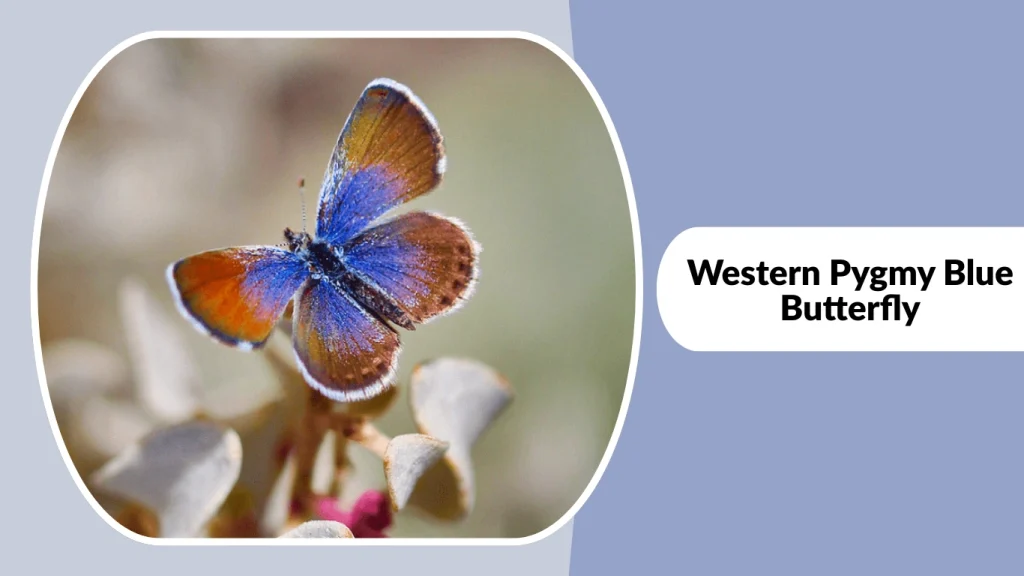
The Western Pygmy Blue is one of the tiniest butterflies in the world, easily overlooked due to its extremely small size. Despite this, it is a fascinating species with intricate wing patterns.
Identification
- Extremely small butterfly
- Short, rounded wings
- Slender body with fine antennae
- Wingspan usually about 1.2–2 cm
Color Pattern
The wings are gray-brown with fine dark spots on the underside. The upper wings are usually dull brown, helping the butterfly blend into its surroundings.
Habitat
Western Pygmy Blues inhabit deserts, dry grasslands, salt flats, and open scrub areas. They are often found near low-growing host plants in arid environments.
Behaviors
This species has a weak, fluttering flight and stays very close to the ground. It often rests on bare soil or low plants and is most active during warm, sunny conditions.
4. Small Copper Butterfly
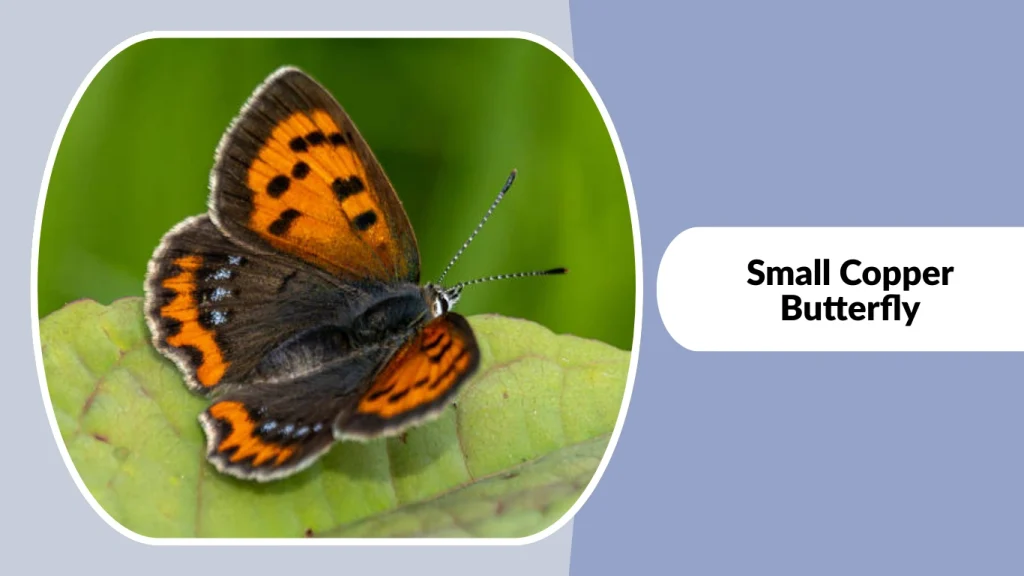
The Small Copper is a tiny yet eye-catching butterfly known for its bright colors and active nature. Despite its small size, it stands out clearly when flying in sunny open areas.
Identification
- Small butterfly with compact body
- Bright copper-orange forewings
- Dark brown to black hindwings
- Wingspan ranges from 2.5–3.5 cm
Color Pattern
The forewings are vivid copper-orange with dark spots, while the hindwings are darker brown with orange margins. The underside is pale brown with small black spots, providing good camouflage when resting.
Habitat
Small Copper butterflies are found in grasslands, meadows, heathlands, dunes, and roadsides. They prefer sunny, open habitats with low vegetation.
Behaviors
This species is very active and territorial, often chasing other insects from its chosen perch. It has a fast, low flight and frequently basks in the sun with wings partially open.
5. Grass Jewel Butterfly
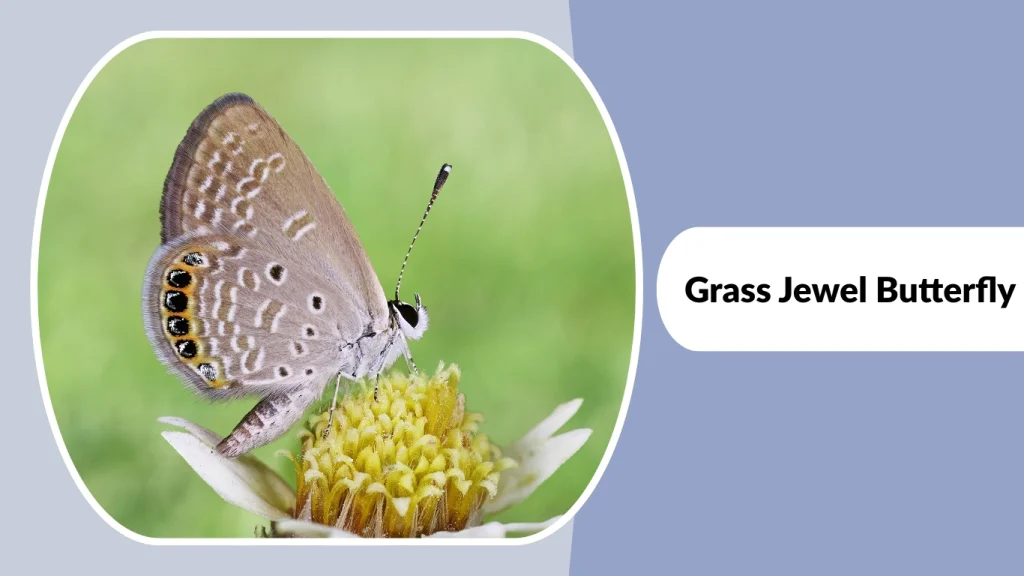
The Grass Jewel is a tiny, jewel-like butterfly admired for its subtle iridescent sheen. It is often overlooked due to its small size and rapid movement.
Identification
- Very small butterfly with short wings
- Males show metallic blue-green sheen
- Females appear duller brown
- Wingspan usually ranges from 1.5–2.5 cm
Color Pattern
The upper wings of males shimmer with blue-green metallic tones, while females are brownish. The underside is pale with fine dark markings, helping it blend into grassy surroundings.
Habitat
Grass Jewels inhabit grassy patches, open fields, scrublands, and forest clearings. They are commonly seen close to the ground in sunny areas.
Behaviors
This butterfly flies in quick, darting movements and often settles on grass blades. It is active during warm daylight hours and feeds on nectar from tiny flowers.
6. Tiny Grass Blue Butterfly

The Tiny Grass Blue is one of the smallest butterflies in the world, known for its minute size and subtle beauty. It is often mistaken for a flying speck due to its extremely small wings.
Identification
- Extremely small butterfly
- Short, rounded wings
- Slender grayish body
- Wingspan usually about 1.5–2 cm
Color Pattern
The upper wings are pale bluish-gray in males and light brown in females. The underside is silvery gray with tiny black spots, making the butterfly difficult to notice when at rest.
Habitat
Tiny Grass Blues are found in grassy fields, open scrublands, gardens, and roadsides. They prefer warm climates and areas with low-growing host plants.
Behaviors
This species has a weak, fluttering flight close to the ground. It frequently rests on grass tips and is active during sunny hours, feeding on nectar from very small flowers.
7. Common Pierrot Butterfly
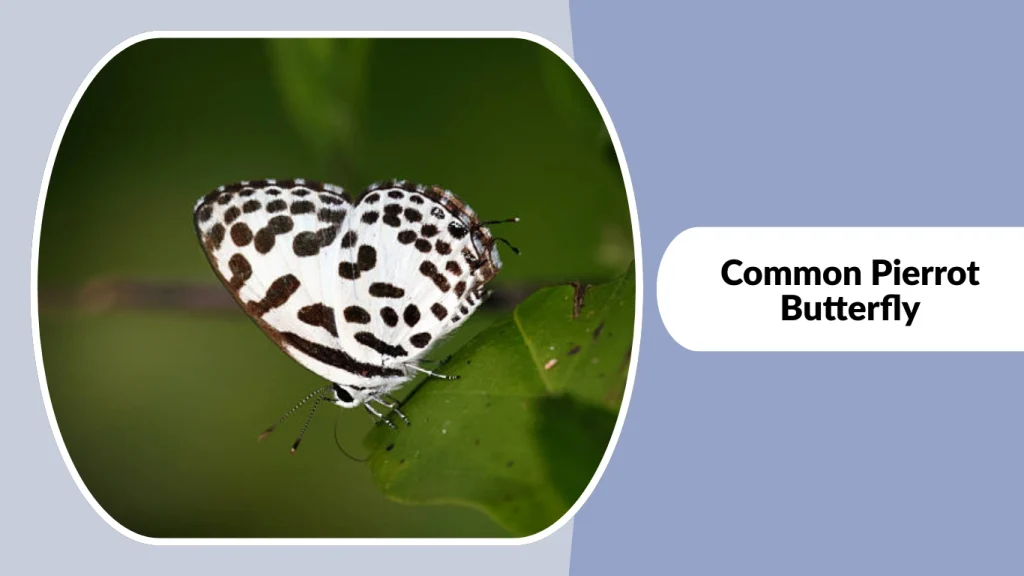
The Common Pierrot is a tiny and delicate butterfly recognized for its contrasting black-and-white wing pattern. It is a frequent visitor to gardens and open landscapes.
Identification
- Small butterfly with slender body
- White wings with black margins
- Short antennae and rounded wings
- Wingspan ranges from 3–4 cm
Color Pattern
The upper wings are white with thin black borders, while the underside shows a detailed pattern of black spots and lines. Some individuals may display faint bluish tones near the wing base.
Habitat
Common Pierrots inhabit gardens, scrublands, forest edges, and open countryside. They thrive in warm regions with suitable host plants.
Behaviors
This butterfly has a gentle, fluttering flight and often stays close to low vegetation. It rests frequently and feeds on nectar from small flowers during sunny periods.
8. Striped Pierrot Butterfly
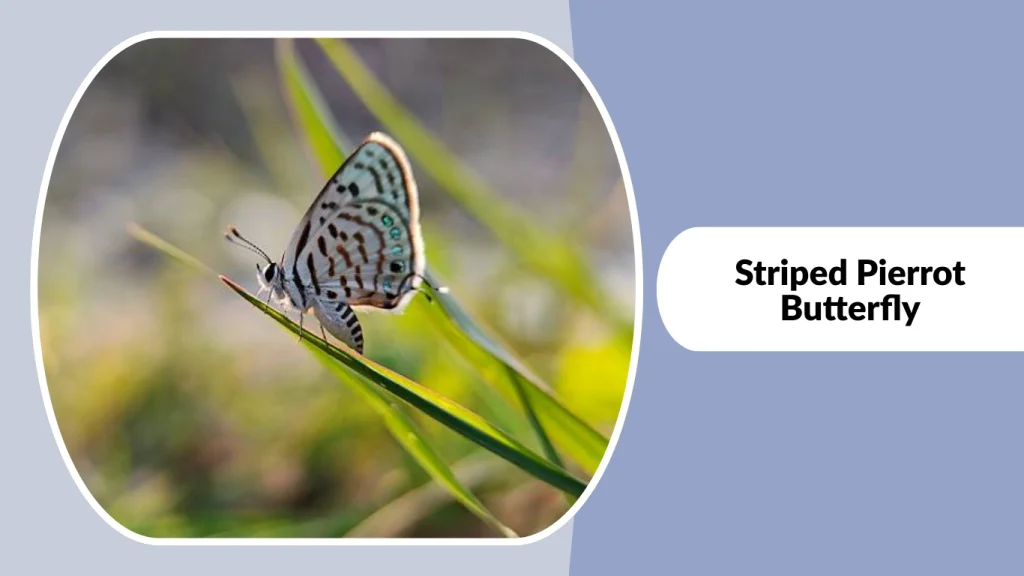
The Striped Pierrot is a tiny butterfly known for its neat black striping and delicate appearance. It is commonly seen fluttering close to the ground in warm, sunny conditions.
Identification
- Small butterfly with slim body
- White wings with thin black stripes
- Rounded wings with short antennae
- Wingspan usually ranges from 2.5–3.5 cm
Color Pattern
The wings are pale white with fine black stripes and markings, giving the butterfly a clean, patterned look. The underside has more detailed linear markings that enhance camouflage when resting.
Habitat
Striped Pierrots are found in gardens, scrublands, open fields, forest edges, and dry grassy areas. They prefer warm climates with low shrubs and host plants.
Behaviors
This species has a weak, fluttering flight and often stays near the ground. It frequently rests on leaves and small plants and is active during bright, sunny hours.
9. Lesser Grass Blue Butterfly
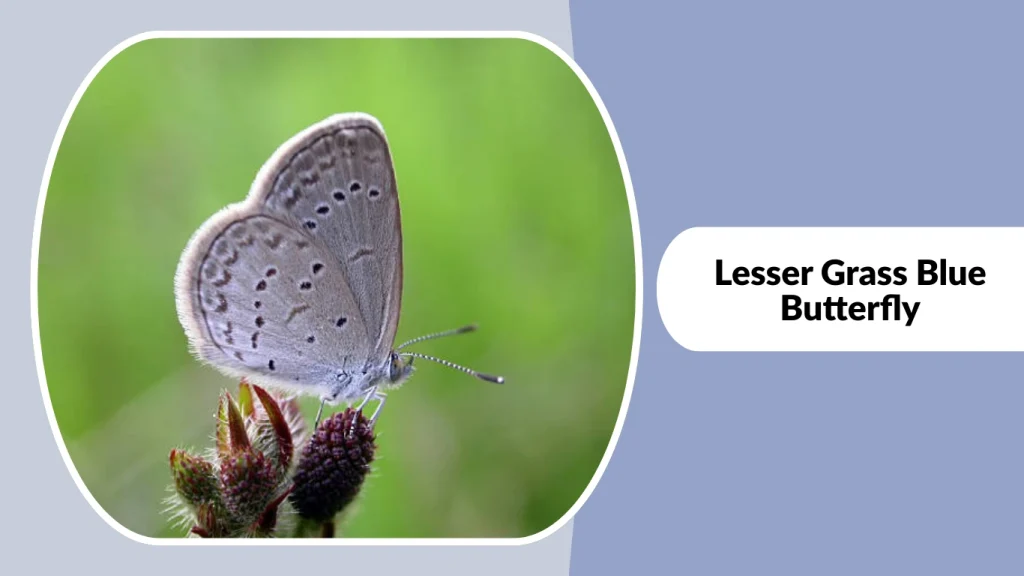
The Lesser Grass Blue is a very small butterfly often mistaken for the Tiny Grass Blue but slightly larger in size. It is commonly found in open grassy habitats.
Identification
- Very small butterfly
- Short, rounded wings
- Pale bluish-gray upper wings in males
- Wingspan ranges from 1.8–2.5 cm
Color Pattern
The upper wings are pale blue-gray in males and brownish in females. The underside is silvery gray with small black dots arranged neatly across the wings.
Habitat
Lesser Grass Blues inhabit grasslands, meadows, open scrub, gardens, and roadsides. They are closely associated with low-growing legumes and grasses.
Behaviors
This butterfly flies weakly and close to the ground, often making short hops between plants. It frequently rests on grass tips and feeds on nectar from tiny flowers during sunny weather.
10. Pygmy Grass Blue Butterfly
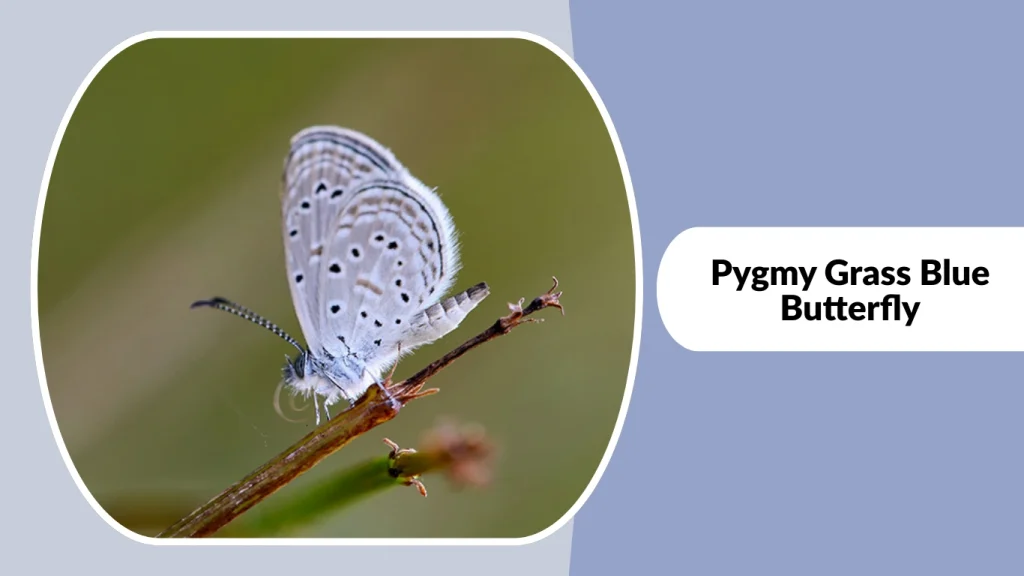
The Pygmy Grass Blue is a tiny butterfly known for its subtle coloration and delicate build. Its very small size makes it easy to overlook in grassy habitats.
Identification
- Extremely small butterfly
- Short, rounded wings
- Slender body with fine antennae
- Wingspan usually ranges from 1.5–2.2 cm
Color Pattern
The upper wings are pale bluish-gray in males and light brown in females. The underside is silvery gray with very fine black spots, giving the butterfly a soft, muted appearance.
Habitat
Pygmy Grass Blues are found in grasslands, open fields, scrub areas, gardens, and roadsides. They prefer warm regions with low-growing host plants.
Behaviors
This species has a weak, fluttering flight close to the ground. It often rests on grass blades and is active during sunny periods, feeding on nectar from tiny flowers.
11. Holly Blue Butterfly
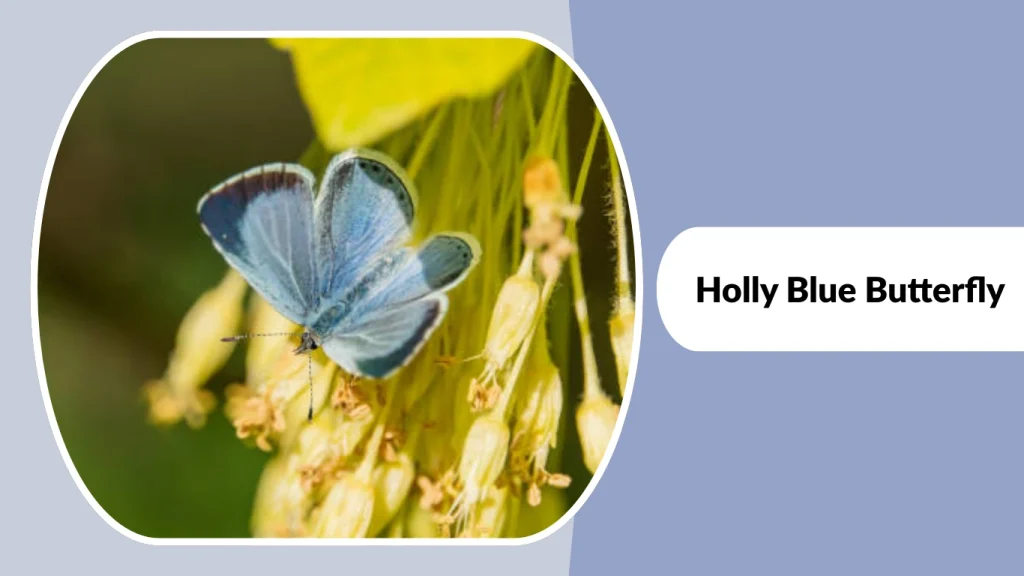
The Holly Blue is a small but attractive butterfly known for its bright blue upper wings and gentle flight. It is commonly seen in gardens and woodland edges.
Identification
- Small butterfly with slim body
- Bright blue upper wings in males
- Females show darker wing edges
- Wingspan ranges from 3–3.5 cm
Color Pattern
The upper wings are sky blue in males and slightly darker blue in females with thin black borders. The underside is pale gray with small black spots, offering subtle contrast.
Habitat
Holly Blue butterflies inhabit gardens, parks, hedgerows, and woodland edges. They are closely associated with holly and ivy plants, which serve as larval hosts.
Behaviors
This butterfly has a gentle, fluttering flight and often flies higher than many small blues. It is active during warm daylight hours and frequently visits flowers for nectar.
12. Zebra Blue Butterfly
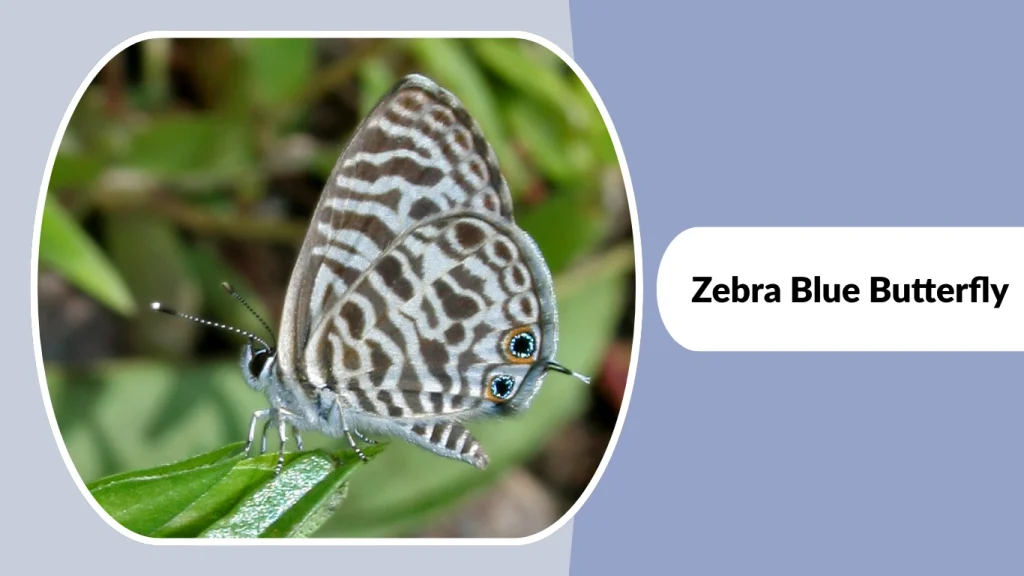
The Zebra Blue is a tiny and charming butterfly recognized for its fine striped markings on the underside of its wings. It is commonly seen fluttering low over grassy areas.
Identification
- Very small butterfly with delicate body
- Pale blue upper wings in males
- Females appear grayish-brown
- Wingspan usually ranges from 2–2.5 cm
Color Pattern
The upper wings of males are soft pale blue, while females are duller in color. The underside features fine black zebra-like stripes and small spots on a light gray background.
Habitat
Zebra Blues inhabit grasslands, open fields, scrublands, gardens, and roadside vegetation. They prefer warm climates with low-growing host plants.
Behaviors
This species flies weakly and close to the ground in short, fluttering movements. It often rests on grass tips and feeds on nectar from tiny flowers during sunny hours.
13. Geranium Bronze Butterfly
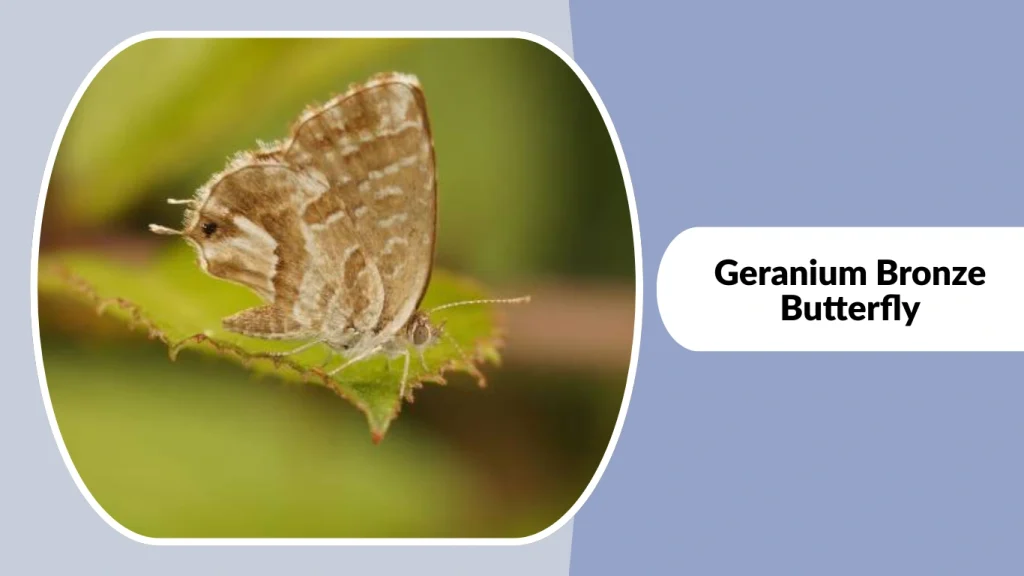
The Geranium Bronze is a small but distinctive butterfly known for its metallic bronze sheen. It is often noticed around ornamental plants and garden settings.
Identification
- Small butterfly with compact body
- Bronze-brown upper wings
- Rounded wing shape
- Wingspan ranges from 2–2.8 cm
Color Pattern
The upper wings display a metallic bronze-brown color, while the underside is lighter with fine markings. This subtle shimmer helps the butterfly stand out in sunlight.
Habitat
Geranium Bronze butterflies are commonly found in gardens, parks, balconies, and urban green spaces. They are closely associated with geranium and pelargonium plants.
Behaviors
This butterfly has a short, fluttering flight and stays close to host plants. It is active during warm daylight hours and frequently rests on leaves and flower buds.
14. Brown Argus Butterfly
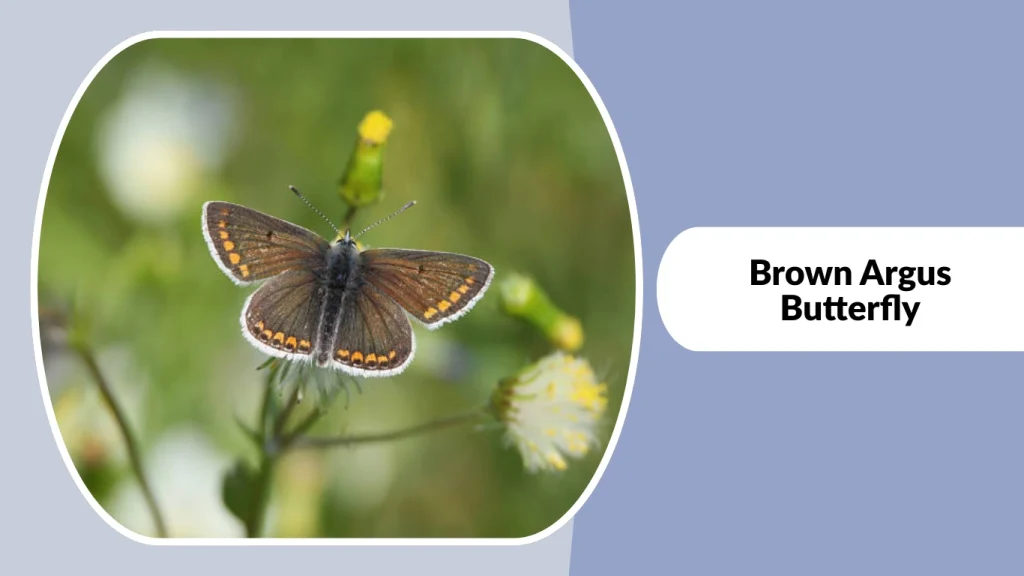
The Brown Argus is a small, fast-flying butterfly that is often mistaken for other tiny brown species. Despite its plain appearance, it is an important indicator of healthy grassland habitats.
Identification
- Small butterfly with compact body
- Upper wings dark brown in both sexes
- No blue coloring on upper wings
- Wingspan usually ranges from 2.5–3 cm
Color Pattern
The upper wings are chocolate brown, while the underside is light brown or gray with black spots and a row of orange markings near the edges. This pattern helps with camouflage when resting.
Habitat
Brown Argus butterflies are found in dry grasslands, chalk downs, coastal cliffs, meadows, and open countryside. They prefer sunny areas with low-growing plants.
Behaviors
This species has a fast, darting flight close to the ground. It often basks in sunny spots and feeds on nectar from small wildflowers during warm weather.
15. Lang’s Short-tailed Blue Butterfly
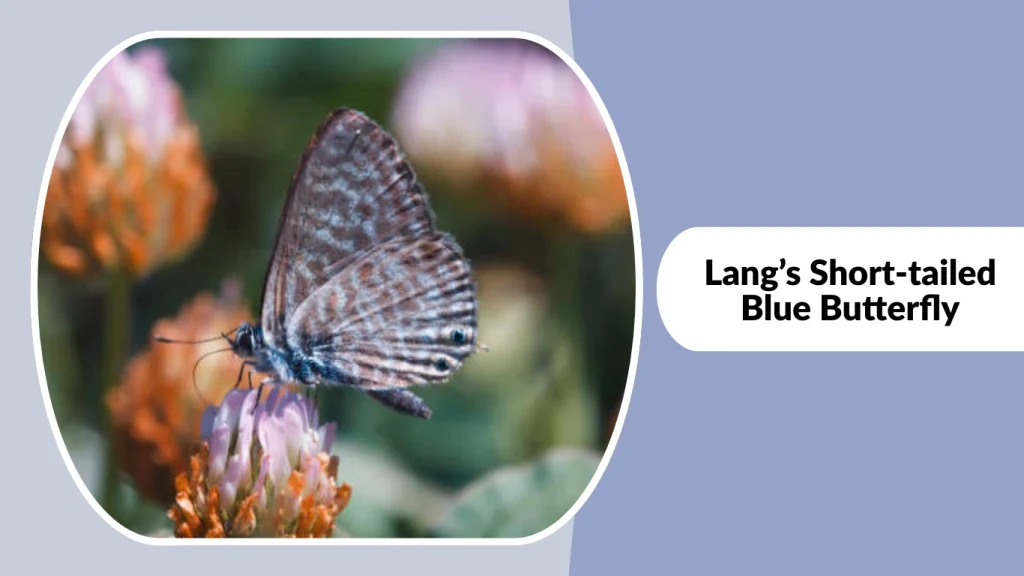
Lang’s Short-tailed Blue is a tiny and delicate butterfly recognized for its short tail-like extensions and soft blue tones. It is commonly seen in warm, open habitats.
Identification
- Very small butterfly with short hindwing tails
- Pale blue upper wings in males
- Females appear grayish-brown
- Wingspan ranges from 2–2.5 cm
Color Pattern
Males have pale blue upper wings, while females are duller brown. The underside is light gray with fine black spots and subtle orange markings near the tail area.
Habitat
This butterfly inhabits grasslands, scrublands, forest edges, and open fields. It prefers warm climates with low vegetation and suitable host plants.
Behaviors
Lang’s Short-tailed Blue flies weakly and close to the ground. It often rests on grass blades and small plants and is most active during sunny, calm conditions.
