
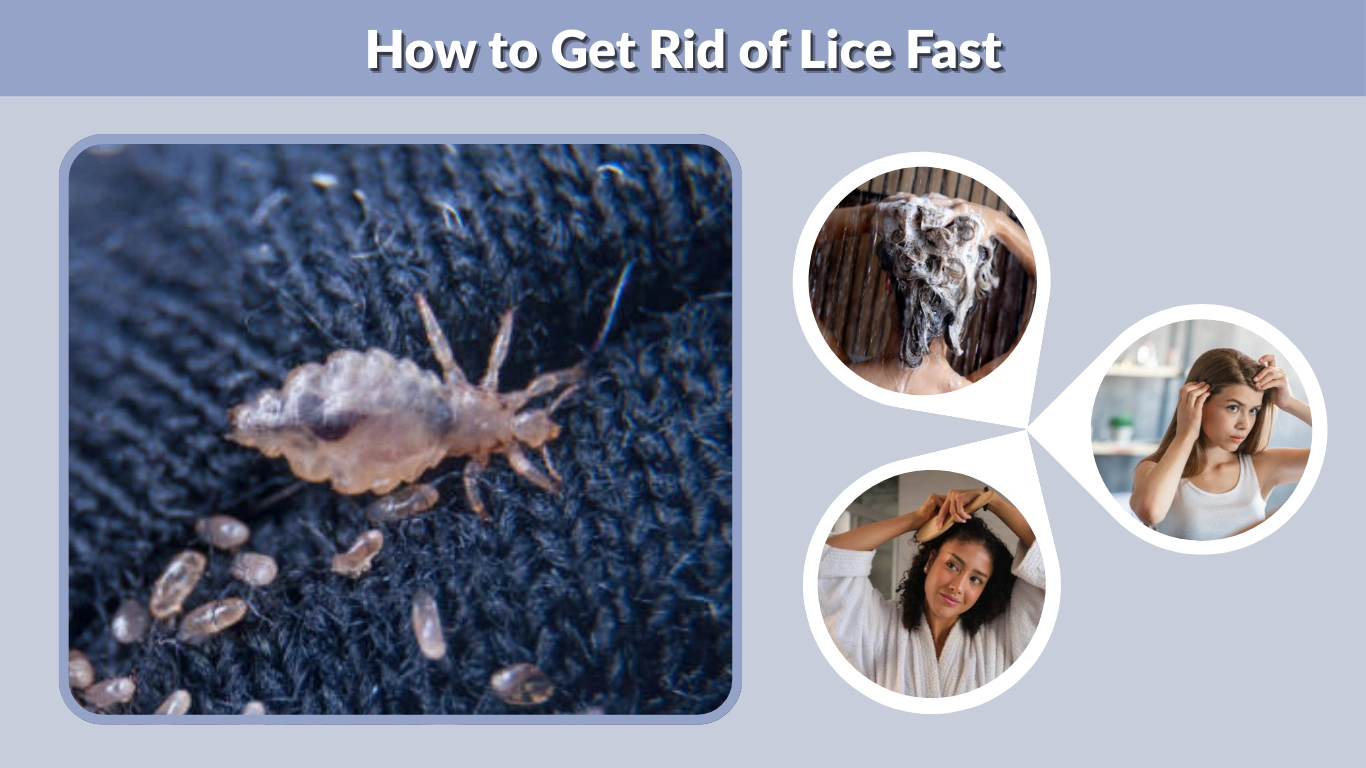
Lice infestations are common and frustrating, especially when itching, visible nits, and repeated treatments make the problem feel endless. Many people search for ways to get rid of lice fast, naturally, or even overnight. The reality is that successful lice removal requires a combination of treating live lice, removing eggs (nits), and preventing reinfestation. Understanding how lice survive and spread is the first step toward getting rid of them completely.
What Causes Lice Infestations
Lice spread primarily through direct head-to-head contact. They do not jump or fly, but crawl quickly from one host to another. This is why lice are common among children, families, and shared living environments.
Lice often return because eggs were not fully removed or treatments were not repeated. Reinfestation can also occur when close contacts are not checked and treated at the same time. In some cases, lice appear to be “hard to kill” due to resistance to common treatments, often referred to as super lice.
Confirming You Have Lice Before Treatment
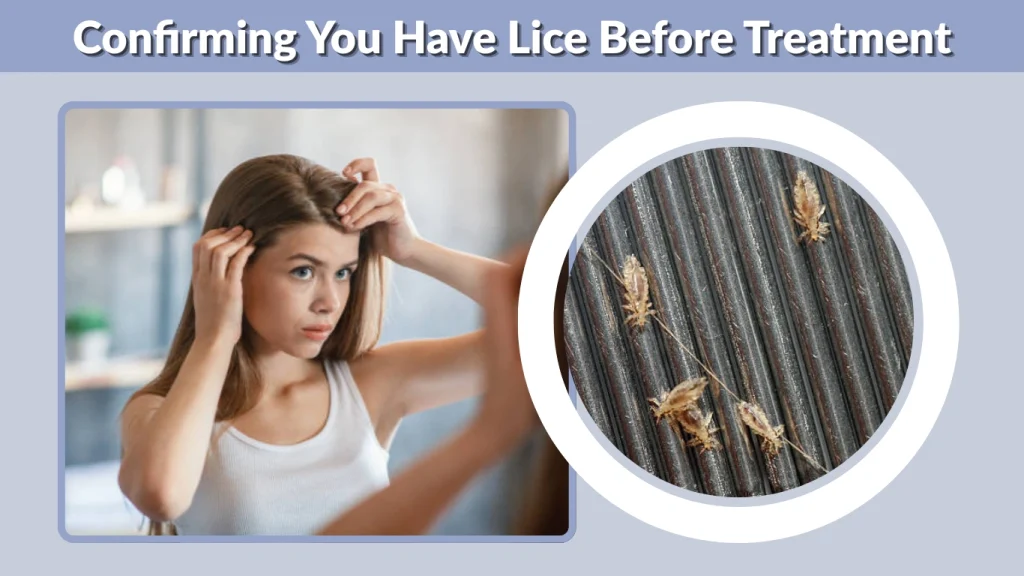
Before starting any treatment, it’s important to confirm that lice are actually present.
Live lice are small, fast-moving insects found close to the scalp. Nits are oval eggs glued firmly to the hair shaft and cannot be brushed away easily. Dandruff, lint, and hair product residue are often mistaken for nits, leading to unnecessary or ineffective treatment. Correct identification prevents wasted time and repeated frustration.
How to Get Rid of Head Lice
Over-the-Counter Lice Treatments
Most people start with over-the-counter lice shampoos or lotions. These products are designed to kill live lice but often do not kill all eggs. For this reason, two treatments are usually required, spaced 7–9 days apart, to target newly hatched lice.
Proper application is critical. Leaving the product on too briefly or rinsing too soon can reduce effectiveness. Even when treatment works, manual nit removal is still necessary.
Prescription Lice Treatments
Prescription treatments may be needed if over-the-counter products fail. These are often recommended for super lice or recurring infestations. Prescription options are typically more effective but still require careful combing and follow-up.
How Long Does It Take to Get Rid of Lice?
In most cases, it takes 7 to 14 days to fully get rid of lice. While some methods may reduce live lice quickly, eggs can survive initial treatment and hatch days later.
Claims of “overnight” or “one-day” cures are usually unrealistic. Permanent lice removal depends on breaking the life cycle by killing lice and removing all viable eggs. Skipping follow-up treatment is one of the most common reasons lice persist.
How to Get Rid of Lice Fast at Home
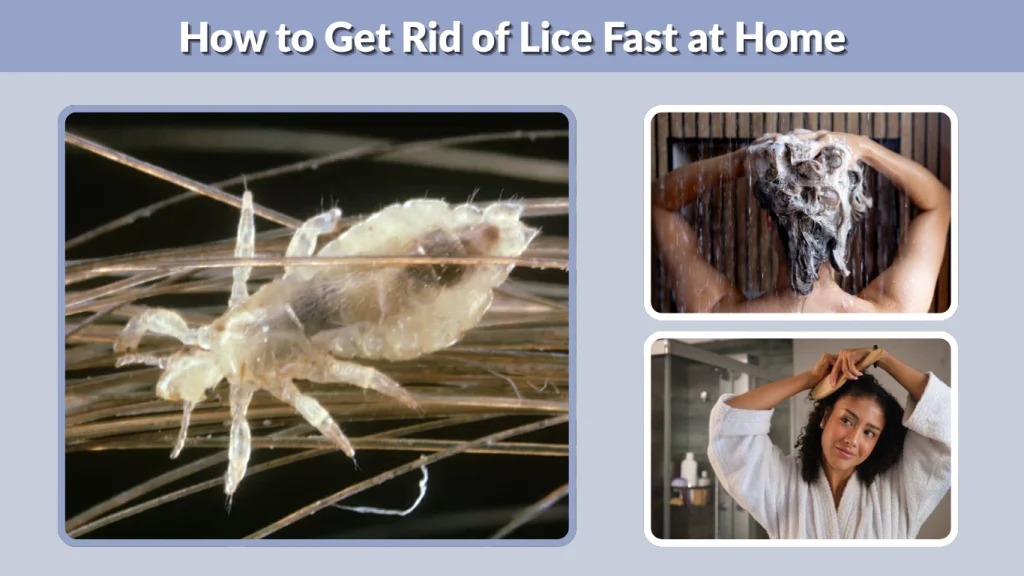
The fastest at-home approach combines treatment with consistent nit removal. Using a lice shampoo followed by daily wet combing significantly increases success.
Hair should be combed in small sections under bright lighting. Wet hair slows lice movement, making them easier to catch. Daily combing for at least a week helps remove newly hatched lice before they can lay eggs.
How to Get Rid of Lice Naturally
Natural Remedies People Commonly Use
Natural methods are often chosen by people avoiding chemicals. Wet combing alone can be effective if done thoroughly and consistently. Oils such as olive oil or coconut oil are sometimes used to suffocate lice, though results vary.
Essential oils are frequently mentioned, but their effectiveness is inconsistent, and some can irritate the scalp. Natural remedies rarely kill nits, which is why repeated combing is essential.
Can You Get Rid of Lice Naturally in One Day?
Completely eliminating lice naturally in one day is unlikely. While some methods may reduce live lice quickly, eggs usually remain attached to hair. Without removing nits, lice will return within days. Natural approaches require patience and daily effort.
How to Get Rid of Lice with Mayonnaise
Mayonnaise is a popular home remedy believed to suffocate lice by blocking airflow. It is typically applied thickly to the hair, covered, and left on for several hours before washing out.
While mayonnaise may immobilize some lice, it does not reliably kill eggs. As a result, it should never be used alone and must be combined with thorough nit combing. Many people experience reinfestation when relying on mayonnaise as the only treatment.
How to Get Rid of Lice Eggs (Nits)
Why Nits Are the Hardest Part
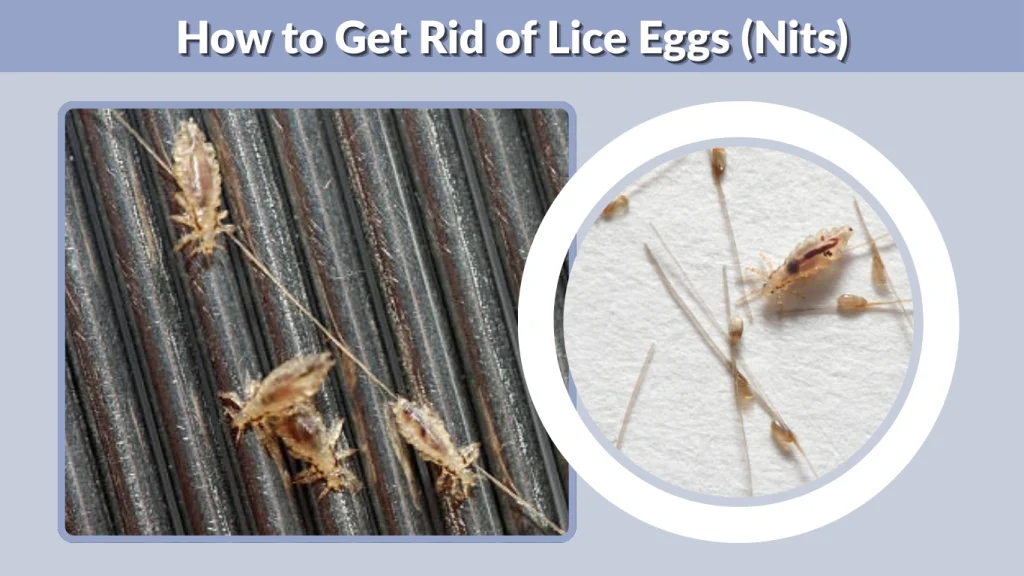
Lice eggs are protected by a tough outer shell and are firmly glued to the hair shaft. Most lice treatments kill live lice but do not reliably destroy all eggs. If nits are not removed, they hatch within 7–10 days and restart the infestation.
How to Remove Nits from Hair
The most effective way to remove nits is manual combing with a fine-tooth lice comb. Hair should be wet and conditioned to reduce pulling and slow lice movement. Comb small sections from the scalp outward, wiping the comb after each pass. Nit removal should be done daily for at least one week and checked again after the second treatment.
How to Get Rid of Lice in the House
Bedding, Clothing, and Personal Items
Lice cannot survive long away from the human body, but items that have been in close contact with the head should be cleaned. Wash bedding, hats, scarves, and recently worn clothing in hot water and dry on high heat. Items that cannot be washed can be sealed in a plastic bag for 48 hours.
Furniture and Home Surfaces
Lice do not live in carpets, couches, or furniture for long. Vacuuming floors, furniture, and car seats is sufficient. Sprays and fumigation are unnecessary and may expose household members to harmful chemicals without added benefit.
How to Get Rid of Body Lice
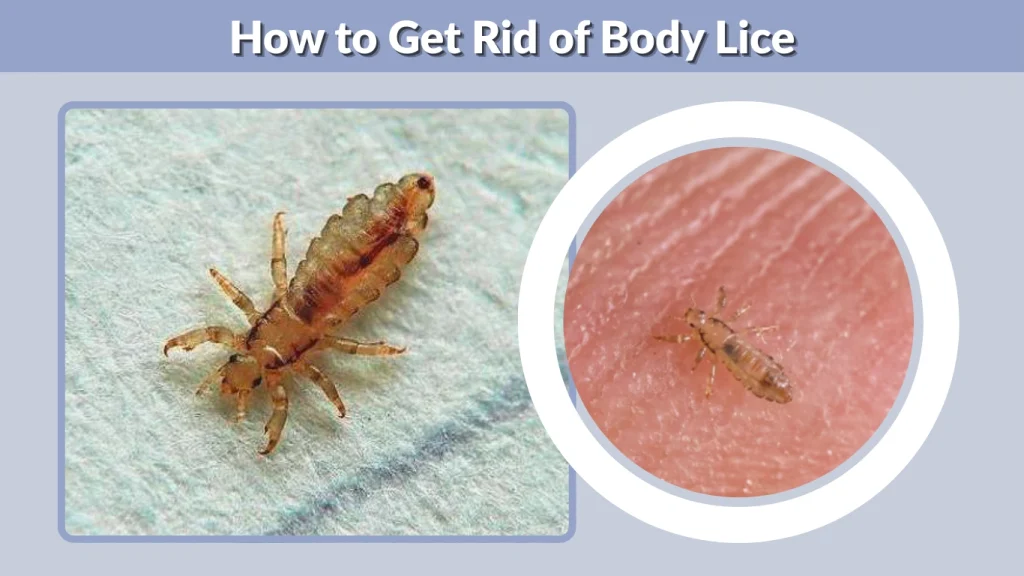
Body lice live in clothing seams rather than on the skin. Treatment focuses on hygiene rather than scalp products. Bathing regularly and washing clothes in hot water usually eliminates body lice. In severe cases, medical treatment may be required, especially if skin infections develop.
How to Get Rid of Pubic (Crab) Lice
Pubic lice are treated differently from head lice. Over-the-counter or prescription treatments designed for pubic lice are typically used. Bedding, towels, and clothing should be washed thoroughly. Shaving alone does not eliminate pubic lice, as eggs can remain attached to hair roots.
How to Get Rid of Super Lice
Super lice are lice that have developed resistance to common treatments. They look identical to regular lice but survive standard shampoos. When treatment fails repeatedly, switching to prescription medications or using alternative active ingredients is often necessary. Manual nit removal becomes even more important in these cases.
How to Get Rid of Lice on Pets and Animals
Dogs and Cats
Pets can get their own species of lice, but they cannot catch human lice. Treatment should always involve veterinary-approved products. Human lice treatments should never be used on pets, as they can be toxic.
Chickens, Birds, and Poultry
Poultry lice require treating both the birds and their living environment. Approved powders or sprays are commonly used, along with cleaning nesting areas and coops to prevent reinfestation.
Goats and Livestock
Livestock lice often require whole-herd treatment. Natural methods may reduce lice, but veterinary guidance is recommended for effective and safe control.
How Hard Is It to Get Rid of Lice?
Getting rid of lice is manageable but requires consistency. Factors such as hair length, missed eggs, skipped follow-up treatments, and untreated close contacts all affect success. Lice are rarely eliminated by a single step. Persistence and correct timing are key.
Common Mistakes That Prevent Lice Removal
- Skipping the second treatment
- Not removing nits manually
- Relying only on home remedies
- Treating the house excessively instead of the hair
- Failing to check close contacts
FAQs
How many treatments does it take to get rid of lice?
Most cases require two treatments spaced 7–9 days apart, along with daily nit removal. Resistant lice may require additional treatment.
Can you get rid of lice without lice treatment?
In mild cases, consistent wet combing alone may work, but it requires daily effort for several weeks and is less reliable than combined treatment.
What is the fastest way to get rid of lice?
The fastest method combines an effective lice treatment, daily nit combing, and checking all close contacts at the same time.
Can lice be completely eliminated permanently?
Yes, but reinfestation can occur through contact with untreated individuals. Prevention and follow-up checks are essential.
How long should you keep checking for lice after treatment?
Hair and scalp should be checked for at least two weeks after the final treatment to ensure no new lice have hatched.
