
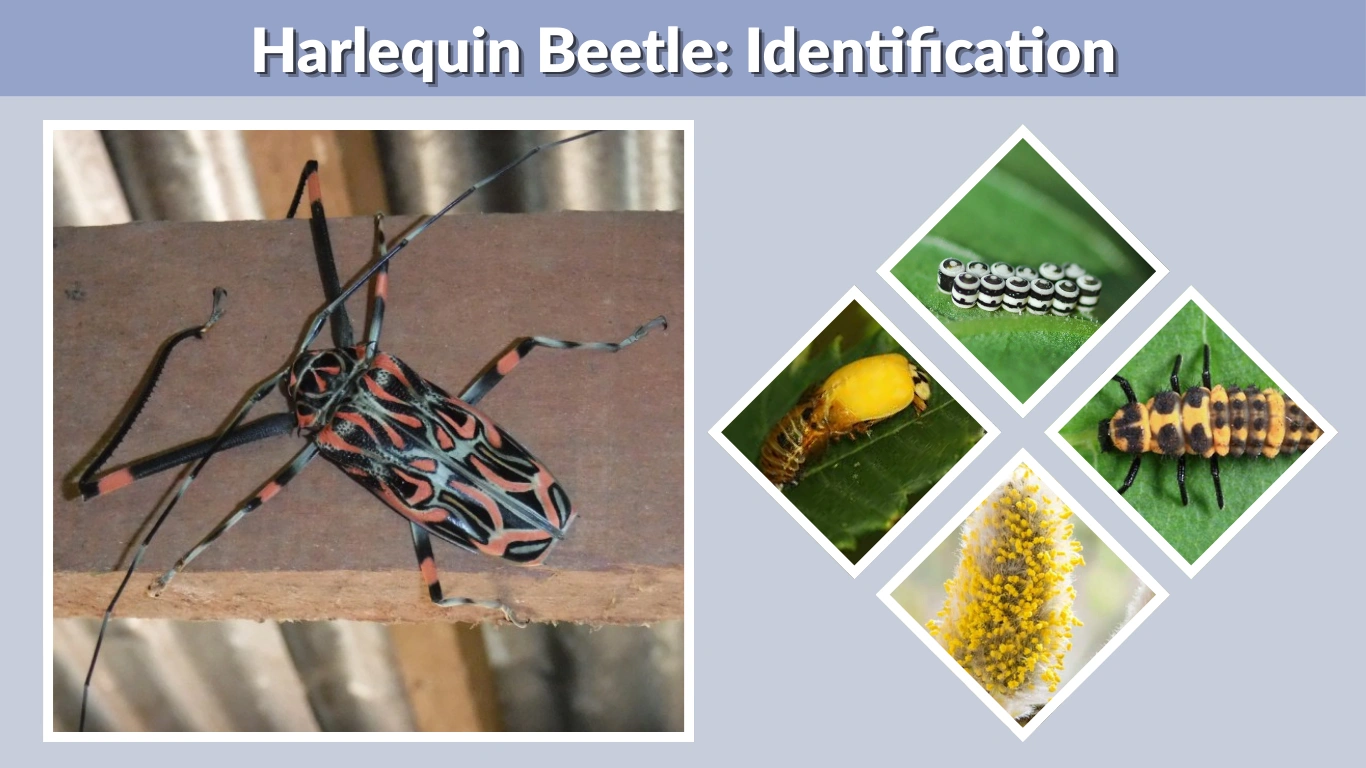
The harlequin beetle, also known as the harlequin ladybird (Harmonia axyridis), is one of the most recognizable beetles in the world due to its wide range of colors and patterns. Although it looks similar to native ladybugs, this species behaves very differently and is considered invasive in many regions. Originally introduced for pest control, it has spread rapidly across continents. Understanding harlequin beetle identification, habitat, and behavior helps people recognize infestations and protect both homes and local ecosystems.
What Is a Harlequin Beetle?
The harlequin beetle is a species of ladybird beetle native to East Asia, particularly China, Japan, and Korea. It earned the name “harlequin” because of its extremely variable appearance, showing dramatic differences in color and spot patterns even within the same population.
This beetle was intentionally introduced into Europe and North America to control aphids and other agricultural pests. While it succeeded in reducing crop damage, it also spread aggressively, outcompeting many native ladybug species.
Today, harlequin beetles are common in forests, farmland, gardens, and urban areas. They are highly adaptable insects, capable of surviving cold winters, reproducing quickly, and exploiting many food sources. Their strong survival traits explain both their ecological success and their status as an invasive species.
Harlequin Beetle Identification
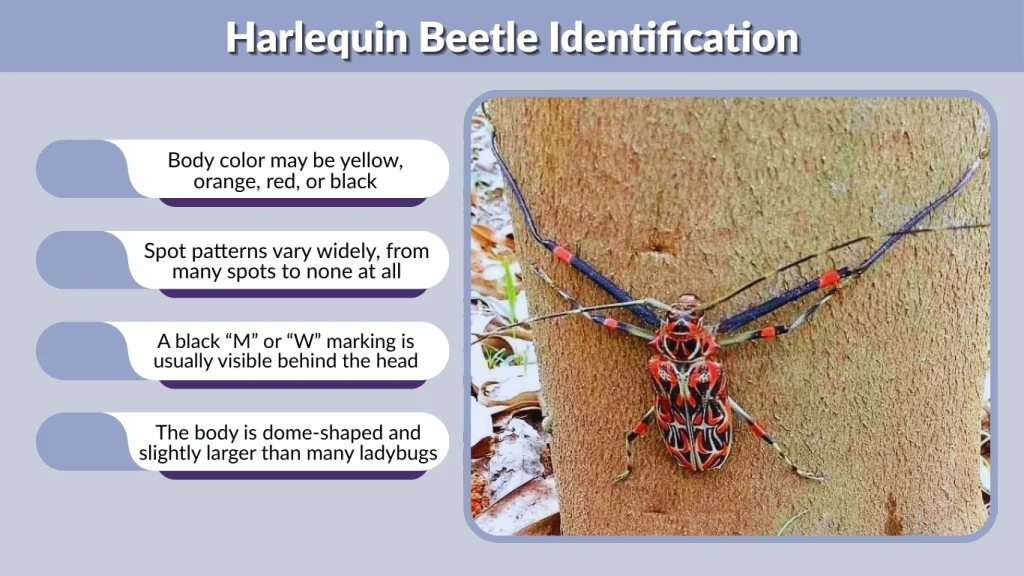
The harlequin beetle is famous for its wide range of physical forms, which often makes identification confusing. However, several traits consistently help separate it from native ladybugs.
- Body color may be yellow, orange, red, or black
- Spot patterns vary widely, from many spots to none at all
- A black “M” or “W” marking is usually visible behind the head
- The body is dome-shaped and slightly larger than many ladybugs
- Legs and underside are often pale brown rather than deep black
- Coloration can shift slightly with season and temperature
Because their appearance is so variable, behavior and location also aid identification. Harlequin beetles commonly gather in large groups and frequently appear indoors, which is unusual for most native ladybug species.
Harlequin Beetle vs Ladybug
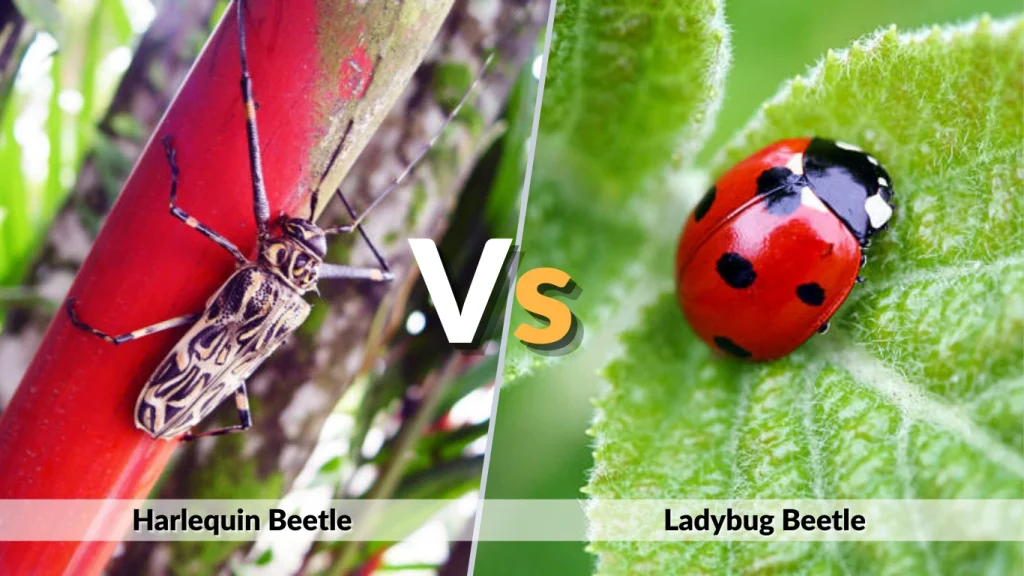
Although they belong to the same insect family, harlequin beetles and native ladybugs differ in important ways.
Harlequin Beetle
Harlequin beetles are highly adaptable and often aggressive. They commonly invade homes during autumn, clustering around windows, ceilings, and wall spaces. Their wide color variation makes them difficult to identify, and they are known to release a yellow defensive fluid that produces a strong odor and stains surfaces. They are also classified as invasive in many regions.
Native Ladybug
Native ladybugs usually remain outdoors and rarely gather in houses. They have more consistent coloring, most often red with black spots, and they generally coexist peacefully with local insect species. Native ladybugs are less aggressive, seldom bite, and play a balanced role in natural ecosystems.
In a full comparison table, these differences can be clearly shown to help readers avoid misidentification.
Habitat and Global Distribution
Harlequin beetles originated in eastern Asia but are now widely distributed across North America, Europe, South America, and parts of Africa. Their global success is largely due to their remarkable adaptability.
Outdoors, they thrive in forests, agricultural fields, orchards, and gardens where aphids and other small insects are plentiful. Trees, shrubs, and crop plants provide both food and breeding sites.
As colder weather arrives, harlequin beetles begin searching for protected overwintering locations. Buildings attract them because of their warmth, light-colored surfaces, and numerous entry points. They often settle inside walls, attics, and ceilings, later emerging into living spaces on warmer winter days.
Life Cycle of the Harlequin Beetle
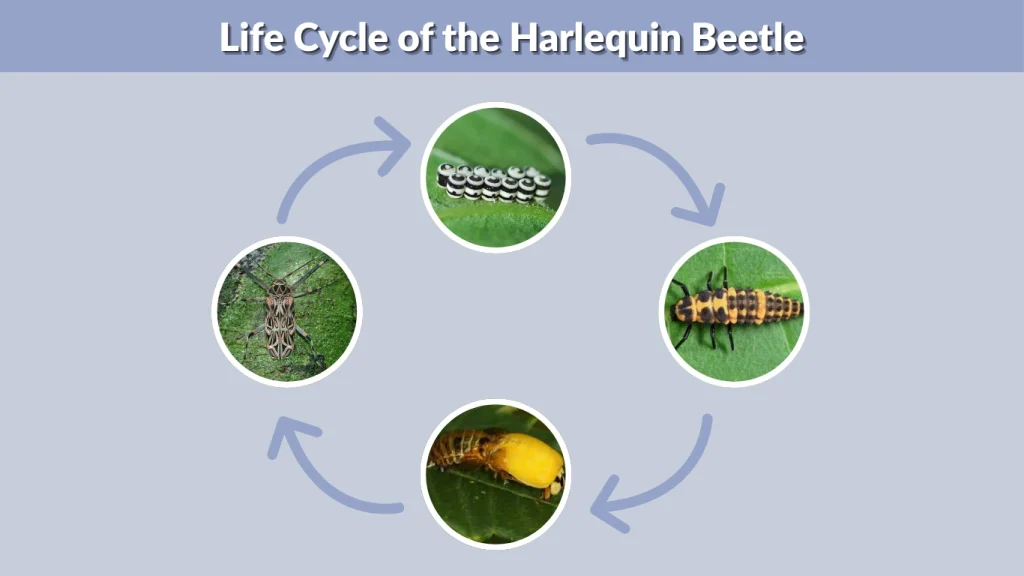
The harlequin beetle undergoes a complete metamorphosis with four distinct life stages. This efficient life cycle allows populations to grow rapidly.
- Egg stage: Females lay clusters of yellow eggs on leaves near aphid colonies.
- Larval stage: The larvae are dark, spiny, and active predators that consume large numbers of pests.
- Pupal stage: The larva attaches to a surface and transforms inside a protective casing.
- Adult stage: Fully formed beetles emerge, capable of flying, feeding, and reproduction.
- Seasonal cycle: Several generations may occur each year in warm climates.
- Lifespan: Adults can live many months and often survive winter inside buildings.
Their fast development and high reproductive rate are major reasons harlequin beetles spread so effectively.
Diet and Feeding Behavior
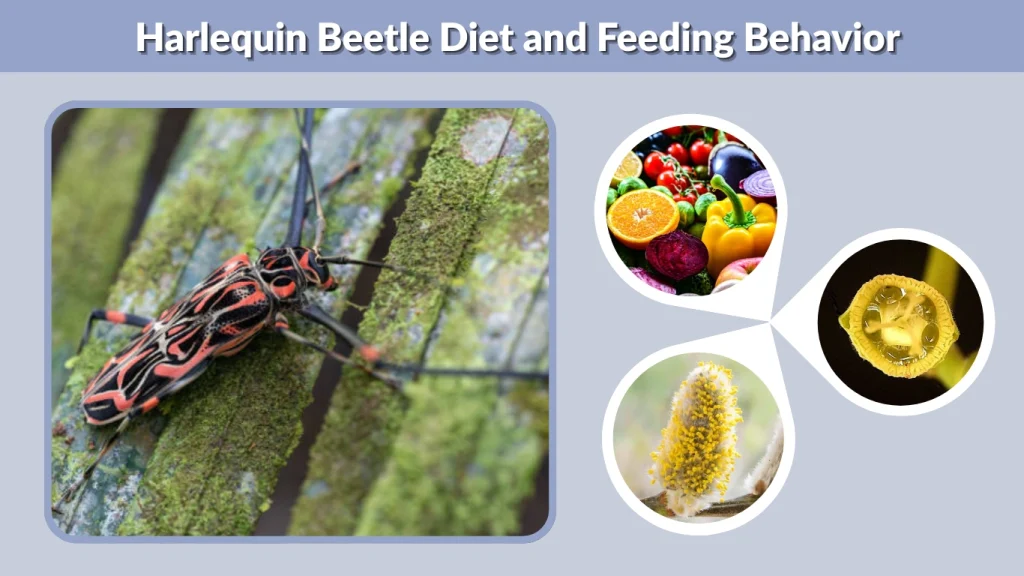
Harlequin beetles are primarily predatory insects. Their main food sources include aphids, scale insects, mites, and the eggs and larvae of other small insects. Because of their strong appetite for crop pests, they were originally introduced into many countries as a natural form of pest control.
However, harlequin beetles are highly opportunistic feeders. When prey becomes scarce, they may consume fruit juices, nectar, pollen, and even other ladybirds. This flexible diet helps them survive in many environments but also contributes to their invasive success and the decline of native ladybug species.
Indoors, harlequin beetles usually do not reproduce or actively feed. They survive mainly by conserving energy and using stored body reserves until spring.
Behavior and Seasonal Activity
Outdoor Behavior
During spring and summer, harlequin beetles are active hunters. They spend most of their time on plants where aphids are present and are capable of flying long distances to find food. They often release a yellow defensive fluid when disturbed, which tastes unpleasant to predators and produces a noticeable odor.
They also show strong grouping behavior, particularly in late summer as they prepare for overwintering.
Indoor Behavior
In autumn, harlequin beetles migrate toward buildings seeking warm, dry shelters. They enter through small cracks, vents, and gaps around windows and roofs. Once inside, they gather in wall spaces, ceilings, and behind insulation.
On sunny winter days, indoor warmth may cause them to become active, leading them to appear inside living areas even though they entered months earlier.
Do Harlequin Beetles Bite Humans?
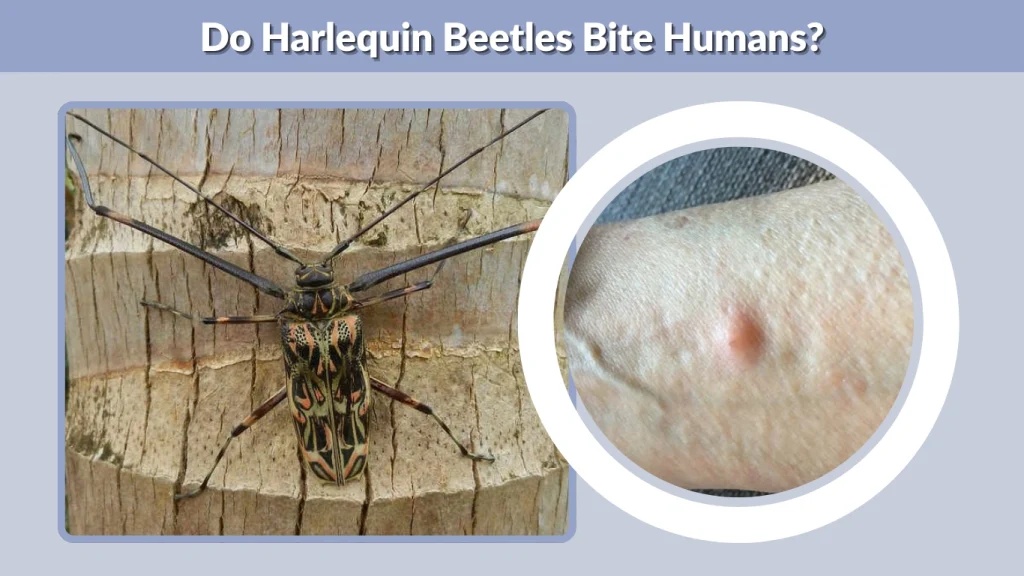
Harlequin beetles are not aggressive, but they can bite when handled or trapped against skin. Their bite is usually mild, often described as a small pinch or prick. In most cases, it does not break the skin or cause lasting injury.
Some people experience allergic reactions, such as redness, mild swelling, itchy eyes, or respiratory irritation. The yellow fluid released when the beetles are stressed can also stain surfaces and may irritate sensitive skin.
Bites and reactions are most common during indoor infestations when human contact becomes frequent.
Harlequin Beetle Infestation Signs
Large indoor numbers usually indicate overwintering behavior rather than active breeding.
- Clusters near windows, doors, and light sources
- Beetles appearing repeatedly on warm winter days
- Yellow staining on walls or curtains
- A strong odor when beetles are disturbed
- Hidden colonies inside wall voids or attics
Buildings that attract harlequin beetles often experience repeated invasions each year because chemical cues draw beetles back to the same locations.
How to Get Rid of Harlequin Beetles
Control focuses mainly on exclusion and safe removal rather than extermination.
- Seal cracks, gaps, and crevices around windows and doors
- Repair damaged screens and add door sweeps
- Vacuum beetles indoors and empty the container outdoors
- Reduce exterior lighting near entry points
- Maintain walls and roofing to limit shelter access
- Consider professional pest control for severe infestations
Spraying indoors is usually discouraged, as it offers limited results and may create unnecessary chemical exposure.
Ecological Impact and Invasive Status
Harlequin beetles provide real benefits by controlling aphids and crop pests. However, they also cause serious ecological disruption. They compete aggressively with native ladybirds for food and habitat and are known to eat the eggs and larvae of other beneficial insects.
Their dominance can reduce native biodiversity and alter insect community balance. Because of these effects, many environmental agencies classify the harlequin beetle as an invasive species requiring long-term monitoring.
Harlequin Beetle Facts and Myths
A common myth is that all orange or spotted beetles are harmless ladybugs. In reality, harlequin beetles are a separate species with different behavior and environmental impact.
Another misconception is that they are dangerous. While they can bite and trigger allergies, they are not poisonous and do not transmit disease. One interesting fact is that their color diversity helps them survive across many climates and confuses predators.
FAQs
Are harlequin beetles harmful to humans?
Harlequin beetles are not dangerous, but they can bite if handled. Their bites are usually mild and do not break the skin. Some people experience allergic reactions such as skin irritation, watery eyes, or mild breathing discomfort. They can also stain surfaces with their yellow defensive fluid.
Why do harlequin beetles enter houses?
Harlequin beetles enter houses in autumn to find warm, protected places to survive winter. They are attracted to sun-warmed walls and slip inside through small cracks and openings. Once indoors, they gather in hidden spaces until spring.
How can I identify a harlequin beetle?
Harlequin beetles vary widely in color but usually have a black “M” or “W” marking behind the head. They are slightly larger than many ladybugs and often appear in large groups, especially indoors, which helps distinguish them from native species.
Do harlequin beetles really bite?
Yes, harlequin beetles can bite when threatened. The bite feels like a light pinch and is rarely serious. Most people experience only mild discomfort, though sensitive individuals may notice redness or itching afterward.
What is the best way to prevent harlequin beetles?
The most effective prevention method is sealing entry points before autumn. Caulking cracks, installing door sweeps, repairing screens, and reducing outdoor lighting near doors greatly lower the risk of infestations.
