
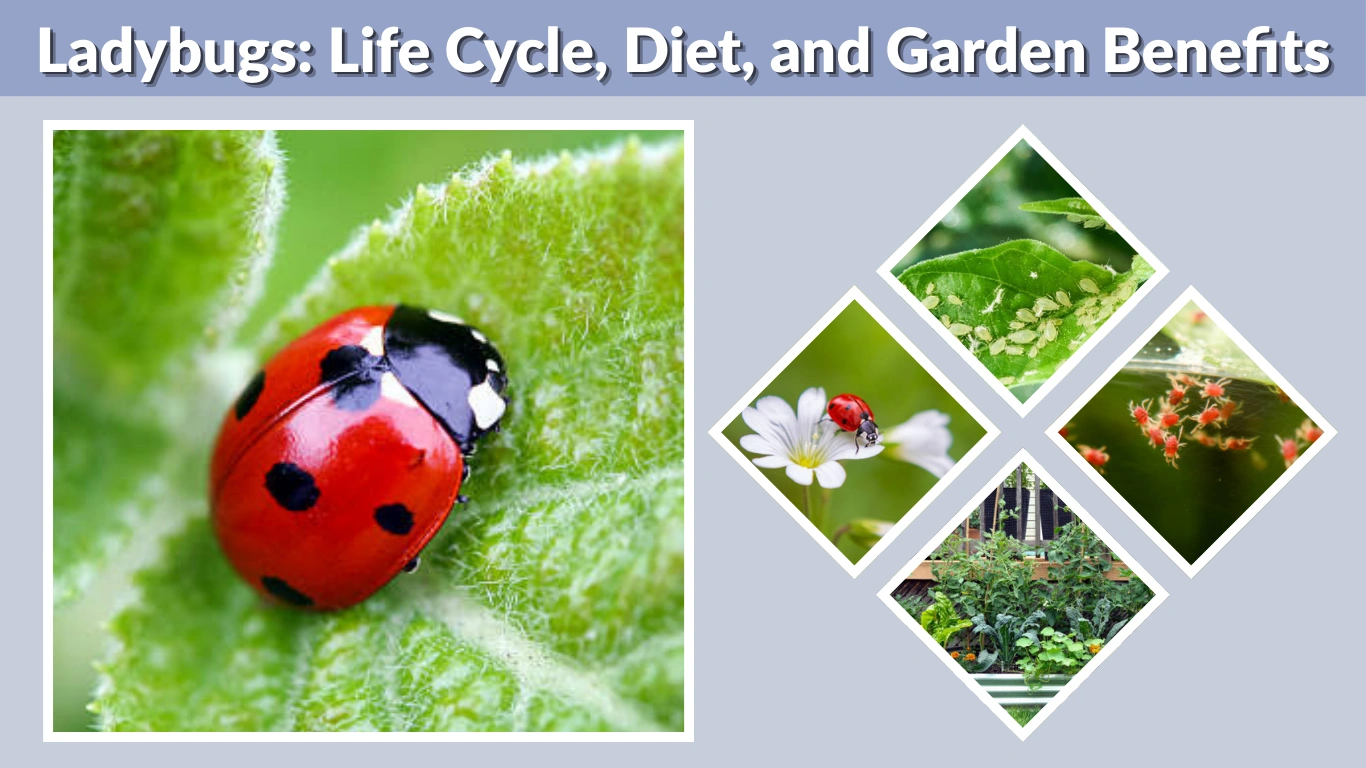
Ladybugs are small, colorful insects that are easily recognized by their round bodies and bright red or orange wings with black spots. These tiny beetles are more than just attractive garden visitors—they play an important role in maintaining healthy ecosystems. Gardeners and farmers value ladybugs because they help control harmful pests naturally. Found in many parts of the world, ladybugs are also seen as symbols of good luck and prosperity in different cultures.
What Are Ladybugs?
Ladybugs are small beetles that belong to the insect family Coccinellidae. Although they are commonly called “ladybugs” in North America, they are also known as ladybird beetles or simply ladybirds in many other parts of the world. Despite their friendly appearance, ladybugs are actually powerful predators that help protect plants by feeding on harmful insects.
Ladybugs are commonly found in gardens, forests, farms, and grassy areas where food is abundant. Their bright colors serve as a warning to predators that they may taste unpleasant or release defensive chemicals. This natural defense helps them survive in the wild.
Physical Characteristics
Ladybugs have several distinctive physical features that make them easy to identify. Most species have a round or oval-shaped body with a dome-like back. Their wings are covered by hard outer shells called elytra, which protect the delicate flying wings underneath.
Ladybugs are typically very small, usually measuring between 1 and 10 millimeters in length. Their colors vary depending on the species and may include red, orange, yellow, or even black. Many species have black spots on their wings, although some may have no spots at all.
Another interesting feature of ladybugs is their short legs and small antennae, which help them sense their environment. Their bright colors and patterns make them one of the most recognizable insects in nature.
Why They Are Called Ladybugs
The name “ladybug” has an interesting historical origin. In Europe during the Middle Ages, farmers prayed to the Virgin Mary to help save their crops from destructive pests. Soon after, they noticed small beetles eating the insects that were damaging their plants.
Grateful for this natural help, farmers began calling these insects “Our Lady’s beetles.” Over time, the name was shortened to ladybird or ladybug. Even today, these insects are often associated with good fortune and protection.
Life Cycle of a Ladybug
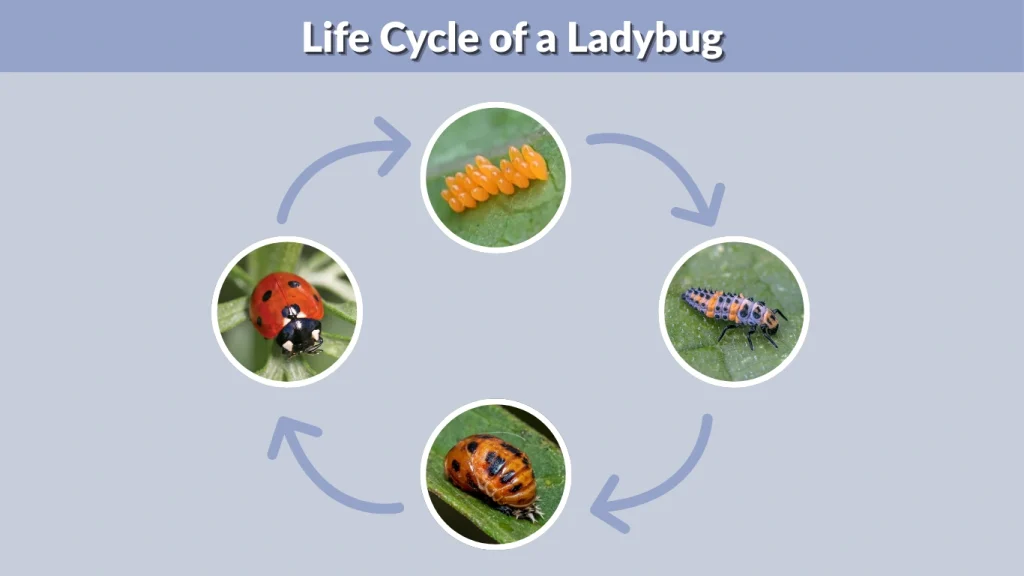
Like many insects, ladybugs go through a process called complete metamorphosis, which includes four main stages: egg, larva, pupa, and adult. Each stage plays an important role in the development of the insect.
Egg Stage
The life cycle of a ladybug begins when a female lays clusters of tiny yellow or orange eggs on the underside of leaves. These eggs are usually placed near colonies of aphids or other small insects so that the young larvae will have immediate access to food after hatching.
A female ladybug can lay dozens to hundreds of eggs during her lifetime. Depending on temperature and environmental conditions, the eggs typically hatch within three to ten days.
Larva Stage
After the eggs hatch, the larvae emerge. Ladybug larvae look very different from adult ladybugs. Instead of being round and colorful, they have long, dark bodies with small spines, often resembling tiny alligators.
During this stage, larvae are extremely active and hungry. Their main task is to eat as much as possible so they can grow quickly. Ladybug larvae feed on aphids and other small insects, sometimes consuming dozens of pests each day.
This stage usually lasts two to four weeks, during which the larva molts several times as it grows larger.
Pupa Stage
Once the larva has grown enough, it attaches itself to a leaf or plant stem and enters the pupa stage. During this period, the insect undergoes a dramatic transformation inside a protective casing.
The pupa stage may last about one to two weeks. Inside the casing, the larva’s body reorganizes and develops the features of an adult ladybug, including wings and its characteristic round shape.
Adult Stage
When the transformation is complete, an adult ladybug emerges from the pupa. At first, the insect appears pale and soft, but within a few hours its wings harden and develop their bright colors and spots.
Adult ladybugs begin feeding almost immediately and may live for several months to over a year, depending on environmental conditions. During this time, they continue eating pests and reproducing, helping maintain the natural balance in their ecosystem.
What Do Ladybugs Eat?
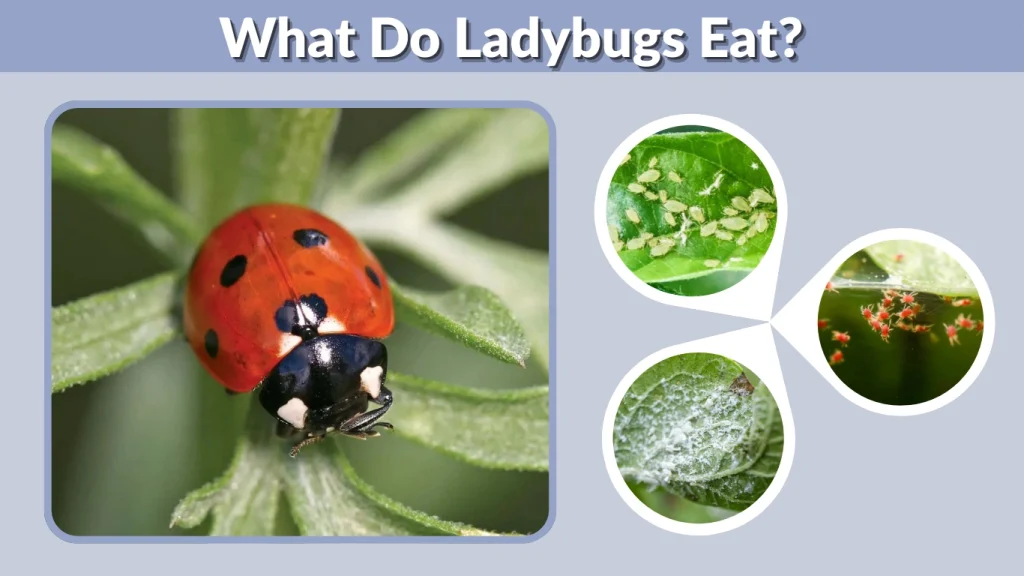
Ladybugs are known for their strong appetite for plant pests, which makes them extremely beneficial for gardens and farms. Most species are carnivorous, meaning they feed mainly on other insects.
One of their favorite foods is aphids, small insects that suck sap from plants and often cause serious damage to crops and garden plants. Aphids reproduce very quickly, but ladybugs help keep their populations under control.
In addition to aphids, ladybugs may also eat other small insects such as mites, whiteflies, scale insects, and mealybugs. Both larvae and adult ladybugs are active hunters, constantly searching for food among leaves and stems.
Because they consume such large numbers of harmful insects, ladybugs are considered one of the most helpful natural pest control agents in agriculture and gardening.
Benefits of Ladybugs in Gardens
Ladybugs are highly valued by gardeners and farmers because they provide natural protection for plants. Instead of relying on chemical pesticides, many people encourage ladybugs to live in their gardens. These insects help maintain a balanced ecosystem by feeding on pests that damage crops and ornamental plants.
Natural Pest Control
One of the biggest benefits of ladybugs is their ability to control pest populations naturally. Aphids, which are among the most common plant pests, reproduce very quickly and can weaken plants by sucking sap from their leaves and stems. A single ladybug can eat dozens of aphids in a single day and thousands during its lifetime.
Because both adult ladybugs and their larvae feed on pests, they can significantly reduce the number of harmful insects in gardens and farms. This natural pest control helps plants grow stronger and healthier.
Supporting Organic Gardening
Ladybugs are especially important in organic gardening, where chemical pesticides are avoided. By encouraging beneficial insects like ladybugs, gardeners can manage pest problems without harming the environment.
Using natural predators also protects other helpful insects such as bees and butterflies. This approach supports biodiversity and keeps the garden ecosystem balanced.
Protecting Crops
Farmers sometimes release ladybugs in fields, orchards, and greenhouses to control pests. This method is widely used in agriculture because it reduces the need for harmful chemicals. As a result, crops remain healthier, and the surrounding environment stays safer for wildlife and people.
Where Do Ladybugs Live?
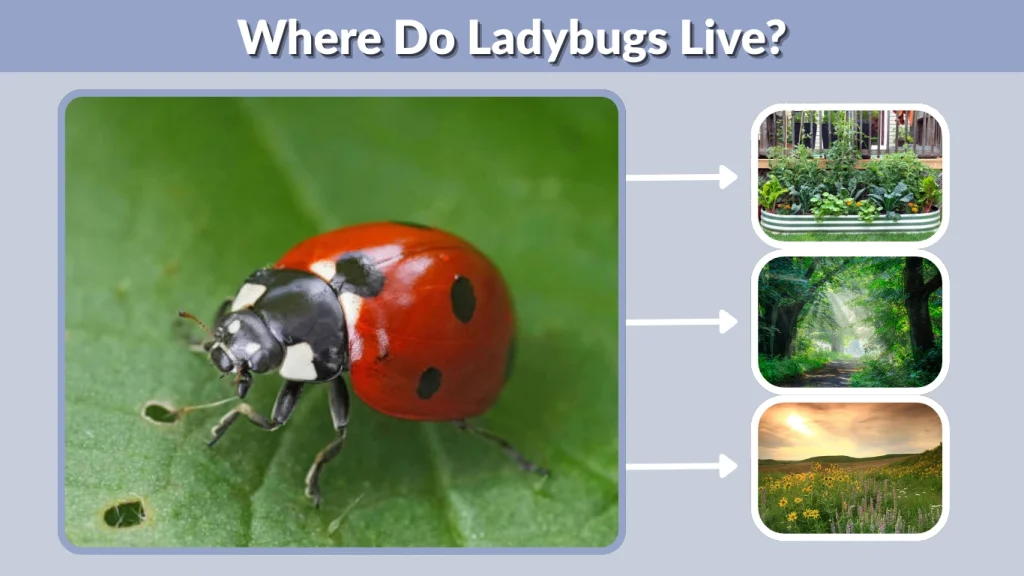
Ladybugs can be found in many parts of the world and live in a variety of environments. They usually stay in places where food is available, especially areas with plants that attract aphids and other small insects.
Outdoor Habitats
Ladybugs are commonly seen in gardens, forests, farms, parks, and grassy fields. They prefer areas with plenty of vegetation because these places provide both food and shelter.
During warm months, ladybugs are active and spend much of their time flying between plants while searching for insects to eat. They often rest on leaves or flowers when they are not feeding.
Winter Behavior
When temperatures begin to drop, many ladybugs gather in large groups to survive the cold winter months. This behavior is known as overwintering. They hide in protected places such as tree bark, rock crevices, or leaf piles.
By clustering together, ladybugs conserve heat and increase their chances of surviving until spring arrives.
Why Ladybugs Enter Homes
Sometimes ladybugs enter houses during the fall or winter. They are usually searching for a warm place to stay during cold weather. Cracks around windows, doors, and walls provide easy entry points.
Although seeing many ladybugs indoors can be surprising, they are generally harmless and do not cause damage to homes. In most cases, they simply remain inactive until the weather becomes warmer again.
How to Attract Ladybugs to Your Garden
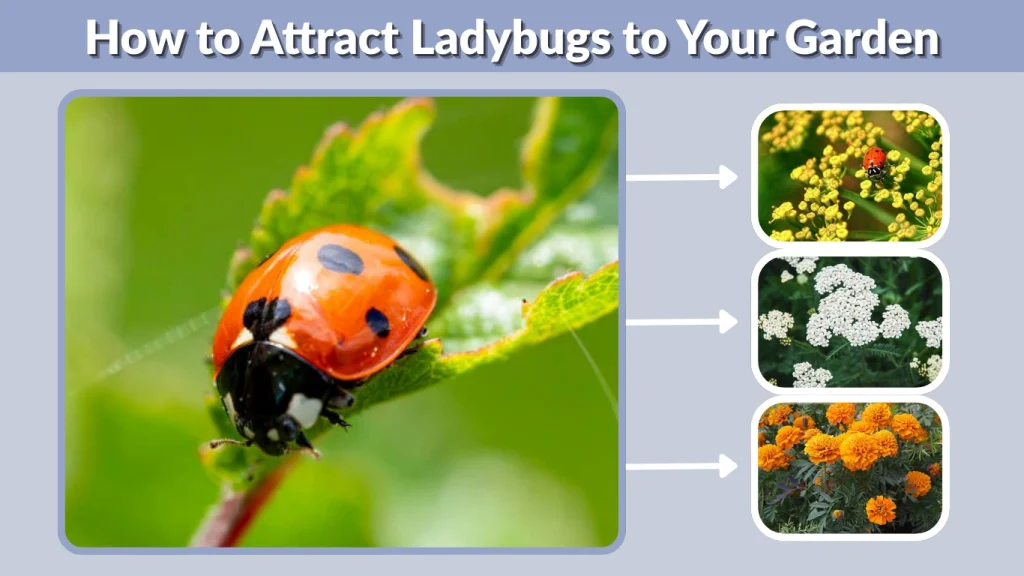
Because ladybugs are beneficial insects, many gardeners try to attract them to their outdoor spaces. Creating a friendly environment for ladybugs can help reduce pest problems naturally.
Grow Plants That Attract Ladybugs
Certain plants attract ladybugs because they provide food or shelter. Some of the best plants for attracting these insects include:
- Dill
- Fennel
- Yarrow
- Marigolds
- Cilantro
These plants often attract aphids and other small insects, which in turn attract ladybugs looking for food.
Avoid Pesticides
Using chemical pesticides can harm ladybugs and other helpful insects. Even products designed to kill pests may unintentionally kill beneficial insects as well.
Reducing or eliminating pesticide use allows natural predators like ladybugs to thrive and control pest populations naturally.
Provide Water and Shelter
Ladybugs also need water and safe places to hide. A shallow dish with water or a small garden fountain can provide moisture for insects. Leaving some natural areas with leaves, grass, or small plants can give ladybugs shelter.
Creating a diverse garden environment encourages ladybugs to stay and continue protecting plants.
Interesting Facts About Ladybugs
Ladybugs are fascinating insects with many surprising characteristics. Learning more about them can make people appreciate their importance even more.
- There are over 5,000 species of ladybugs found around the world.
- Ladybugs’ spots do not indicate their age; instead, they help identify different species.
- When threatened, ladybugs can release a yellow fluid from their legs that smells unpleasant to predators.
- Some ladybugs can play dead to avoid being eaten.
- In many cultures, spotting a ladybug is believed to bring good luck and prosperity.
These unique features make ladybugs both interesting and beneficial members of the insect world.
Conclusion
Ladybugs are small insects with a big impact on nature and agriculture. Their ability to feed on harmful pests makes them valuable allies for gardeners and farmers who want to protect plants without using harmful chemicals. From their fascinating life cycle to their role in natural pest control, ladybugs play an important part in maintaining healthy ecosystems. By creating gardens that attract and protect these helpful insects, people can support a more balanced and environmentally friendly way of growing plants.
